Training Collections
Library Memberships
On-demand course library with video lectures, expert case reviews, and more
Fellowship Certificate™ Programs
Practice-focused training programs designed to help you gain experience in a specific subspecialty area.
Ultimate Learning Pass
Unlock access to our full Course Library and all self-paced Fellowships.
Continuing Medical Education (State CME)
Complete all of your state CME requirements in one convenient place.
Noon Conference (Free)
Get access to free live lectures, every week, from top radiologists.
Case of the Week (Free)
Get a free weekly case delivered right to your inbox.
Case Crunch: Rapid Case Review (Free)
Register for free live board reviews.
Dr. Resnick's MSK Conference
Learn directly from the MSK Master himself.
Lower Extremities MRI Conference
Musculoskeletal Imaging
Emergency Imaging
Emergency GI & Abdominal Radiology FellowshipNEW!
PET Imaging
Pediatric Imaging
For Training Programs
Supplement your training program with case-based learning for residents, registrars, fellows, and more.
For Private Practices
Upskill in high growth, advanced imaging areas.
Compliance
NewTrack, fulfill, and report on all your radiologists' credentialing and licensing requirements.
Emergency Call Prep
Prepare trainees to be on call for the emergency department with this specialized training series.
Training Collections
Library Memberships
On-demand course library with video lectures, expert case reviews, and more
Fellowship Certificate™ Programs
Practice-focused training programs designed to help you gain experience in a specific subspecialty area.
Ultimate Learning Pass
Unlock access to our full Course Library and all self-paced Fellowships.
Continuing Medical Education (State CME)
Complete all of your state CME requirements in one convenient place.
Noon Conference (Free)
Get access to free live lectures, every week, from top radiologists.
Case of the Week (Free)
Get a free weekly case delivered right to your inbox.
Case Crunch: Rapid Case Review (Free)
Register for free live board reviews.
Dr. Resnick's MSK Conference
Learn directly from the MSK Master himself.
Lower Extremities MRI Conference
Musculoskeletal Imaging
Emergency Imaging
Emergency GI & Abdominal Radiology FellowshipNEW!
PET Imaging
Pediatric Imaging
For Training Programs
Supplement your training program with case-based learning for residents, registrars, fellows, and more.
For Private Practices
Upskill in high growth, advanced imaging areas.
Compliance
NewTrack, fulfill, and report on all your radiologists' credentialing and licensing requirements.
Emergency Call Prep
Prepare trainees to be on call for the emergency department with this specialized training series.
Lesson
Introduction to PET/CT Imaging
12 topics, 49 min. of video
Introduction to PET/CT Imaging
1 m.How to Use the Case Viewer to Evaluate PET/CT Images in this Course
2 m.What is PET/CT Imaging?
7 m.Commonly Used Positron-emitting Radionuclides
2 m.PET/CT Imaging Acquisition
4 m.PET/CT Quality Control
5 m.Quantification of Tracer Uptake
6 m.Factors Impacting Quantification of Tracer Uptake
3 m.Where to Start: Reading a PET/CT Study
9 m.Case: Systematic Approach to Reading a PET/CT Study
9 m.Case: Setting Up Your Imaging Display for a PET/CT Study
5 m.PET/CT Report Example
2 m.Lesson
FDG Use in PET/CT
8 topics, 28 min. of video
Introduction to FDG
4 m.FDG: Patient Preparation
2 m.FDG: Patterns of Muscle Uptake
6 m.FDG: Patterns of Bone Marrow Uptake and the Effects of G-CSF
5 m.FDG: Patterns of Bone Marrow Uptake and the Effects of Bone Marrow Disease
3 m.Case: Normal Distribution of FDG Tracer
4 m.Case: Abnormal Distribution of FDG (Hyperinsulinemia)
6 m.Cases: Abnormal Distribution of FDG (Hyperinsulinemia, Rhabdomyolysis, Myositis)
2 m.Lesson
FDG: Common Pitfalls and Benign Lesions
9 topics, 21 min. of video
Lesson
FDG Use in Hematologic Malignancies
8 topics, 40 min. of video
Role of FDG PET/CT Imaging in Lymphoma: Classification and Staging
7 m.Role of FDG PET/CT Imaging in Lymphoma: Response to Therapy
3 m.Role of FDG PET/CT Imaging in Lymphoma: Follow-up Reports
3 m.FDG Case: Hodgkin's Lymphoma, Initial Presentation
9 m.FDG Case: Hodgkin's Lymphoma, Follow-up
6 m.FDG Case: DLBCL, Initial Presentation
5 m.FDG Case: DLBCL, Follow-up
5 m.FDG Case: Multiple Myeloma
7 m.Lesson
FDG Use in Lung Cancer
5 topics, 17 min. of video
Lesson
FDG Use in Head & Neck Cancer
3 topics, 14 min. of video
Lesson
FDG Use in Breast Cancer
2 topics, 8 min. of video
Lesson
FDG Use in Immunotherapy
3 topics, 18 min. of video
Lesson
DOTATATE Use in PET/CT
7 topics, 15 min. of video
Lesson
DOTATATE and FDG Use in Neuroendocrine Tumors
6 topics, 22 min. of video
Lesson
PSMA Use in PET/CT
4 topics, 9 min. of video
Lesson
PSMA Use in Prostate Cancer
5 topics, 23 min. of video
0:00
We have many radionuclides that we use in the clinic.
0:04
I have put in bold the most commonly used F 18
0:08
copper and gallium.
0:11
And uh, we have others,
0:12
but these are the three most used in oncology.
0:17
These cleide can be labeled
0:19
to different particles and molecules.
0:23
And with that combination we will be able
0:26
to image the specific physiology we're interested in.
0:31
For example, in the first case, we have fluro deoxy glucose,
0:35
or commonly known as FDG.
0:38
And this tracer will allow us
0:40
to study the glucose consumption in the body,
0:43
both physiologically in, in areas of of disease.
0:47
Then we have dotatate or DOTA compounds.
0:51
It's a somatostatin receptor analog that would allow us
0:54
to see neuroendocrine tumors
0:58
as they express these receptors on their surface.
1:02
Then we have others that are used more in prostate cancer,
1:06
lovine, or commonly known as axin.
1:10
And the new PSMA, which is a transmembrane glycoprotein
1:14
that is expressed in the prostate cancer cells.
1:19
Flora is an example of a labeled estradiol,
1:24
um, that allows us to see disease that expresses estrogen,
1:28
which happens in breast cancer.
1:32
And then we have fpi, which has not made it to the US yet
1:35
and is in research phase.
1:38
FPI stands for fibroblast activation protein inhibitor.
1:42
These will allow us to see the stromal component
1:46
of malignancies or inflammation.
1:49
It can be used in many settings.
Commonly Used Positron-emitting Radionuclides
HIDEInteractive Transcript
0:00
We have many radionuclides that we use in the clinic.
0:04
I have put in bold the most commonly used F 18
0:08
copper and gallium.
0:11
And uh, we have others,
0:12
but these are the three most used in oncology.
0:17
These cleide can be labeled
0:19
to different particles and molecules.
0:23
And with that combination we will be able
0:26
to image the specific physiology we're interested in.
0:31
For example, in the first case, we have fluro deoxy glucose,
0:35
or commonly known as FDG.
0:38
And this tracer will allow us
0:40
to study the glucose consumption in the body,
0:43
both physiologically in, in areas of of disease.
0:47
Then we have dotatate or DOTA compounds.
0:51
It's a somatostatin receptor analog that would allow us
0:54
to see neuroendocrine tumors
0:58
as they express these receptors on their surface.
1:02
Then we have others that are used more in prostate cancer,
1:06
lovine, or commonly known as axin.
1:10
And the new PSMA, which is a transmembrane glycoprotein
1:14
that is expressed in the prostate cancer cells.
1:19
Flora is an example of a labeled estradiol,
1:24
um, that allows us to see disease that expresses estrogen,
1:28
which happens in breast cancer.
1:32
And then we have fpi, which has not made it to the US yet
1:35
and is in research phase.
1:38
FPI stands for fibroblast activation protein inhibitor.
1:42
These will allow us to see the stromal component
1:46
of malignancies or inflammation.
1:49
It can be used in many settings.
Report
Faculty
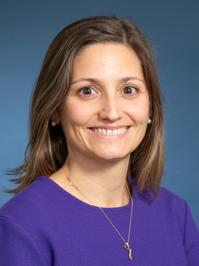
Elisa Franquet Elia, MD
Assistant Professor of Radiology
UMass Chan Medical School
Tags
Response and assessment
PET/CT FDG
PET
Oncologic Imaging
Nuclear Medicine
Neoplastic
General Oncologic Imaging Concepts
© 2026 Medality. All Rights Reserved.
