Training Collections
Library Memberships
On-demand course library with video lectures, expert case reviews, and more
Fellowship Certificate™ Programs
Practice-focused training programs designed to help you gain experience in a specific subspecialty area.
Ultimate Learning Pass
Unlock access to our full Course Library and all self-paced Fellowships.
Continuing Medical Education (State CME)
Complete all of your state CME requirements in one convenient place.
Noon Conference (Free)
Get access to free live lectures, every week, from top radiologists.
Case of the Week (Free)
Get a free weekly case delivered right to your inbox.
Case Crunch: Rapid Case Review (Free)
Register for free live board reviews.
Dr. Resnick's MSK Conference
Learn directly from the MSK Master himself.
Lower Extremities MRI Conference
Musculoskeletal Imaging
For Training Programs
Supplement your training program with case-based learning for residents, registrars, fellows, and more.
For Private Practices
Upskill in high growth, advanced imaging areas.
Compliance
NewTrack, fulfill, and report on all your radiologists' credentialing and licensing requirements.
Emergency Call Prep
Prepare trainees to be on call for the emergency department with this specialized training series.
Training Collections
Library Memberships
On-demand course library with video lectures, expert case reviews, and more
Fellowship Certificate™ Programs
Practice-focused training programs designed to help you gain experience in a specific subspecialty area.
Ultimate Learning Pass
Unlock access to our full Course Library and all self-paced Fellowships.
Continuing Medical Education (State CME)
Complete all of your state CME requirements in one convenient place.
Noon Conference (Free)
Get access to free live lectures, every week, from top radiologists.
Case of the Week (Free)
Get a free weekly case delivered right to your inbox.
Case Crunch: Rapid Case Review (Free)
Register for free live board reviews.
Dr. Resnick's MSK Conference
Learn directly from the MSK Master himself.
Lower Extremities MRI Conference
Musculoskeletal Imaging
For Training Programs
Supplement your training program with case-based learning for residents, registrars, fellows, and more.
For Private Practices
Upskill in high growth, advanced imaging areas.
Compliance
NewTrack, fulfill, and report on all your radiologists' credentialing and licensing requirements.
Emergency Call Prep
Prepare trainees to be on call for the emergency department with this specialized training series.
Lesson
Introduction
1 topic, 2 min. of video
Lesson
Elements of a Lawsuit
11 topics, 34 min. of video
Introduction to Understanding Lawsuits
3 m.Definition of Duty
2 m.Definition of Breach
4 m.Definition of Causation
2 m.Definition of Damages
5 m.Degree of Proof Requirements
4 m.Informed Consent and Res Ipsa Loquitur
6 m.Case Example: Negligence
2 m.Liability Regarding Curbside Consult and Tumor Boards
8 m.Key Considerations for Plantiff Lawyers to Take a Case
3 m.Summarizing the Elements of a Lawsuit
1 m.Lesson
What To Do if You Are Sued
6 topics, 22 min. of video
Lesson
Communication with Families About Harmful Events in Radiology
10 topics, 29 min. of video
Introduction to Communicating With Families
2 m.Factors Contributing to Adverse Events in Radiology
2 m.Overview of Errors and Optimal Communication with Families
6 m.Determining When an Apology is Appropriate
2 m.Barriers to Communicating With Patients and Families About Errors
3 m.State Apology Laws
3 m.Communication and Resolution Programs (CRPs)
6 m.Steps to Address Adverse Events
6 m.Implications of CRPs for Radiologists
3 m.Summary on Communicating With Families
2 m.Lesson
Alternative Dispute Resolution (ADR)
3 topics, 13 min. of video
Lesson
Tips for Behavior as a Defendant at Trial
6 topics, 19 min. of video
Lesson
Conclusion
1 topic, 3 min. of video
0:01
A few warnings for you as a defendant
0:05
on trial.
0:07
Um, the lawyers tend to like to ask you yes
0:11
or no questions
0:13
and try to get you into a groove of just answering yes
0:17
or no, not the yes or no questions, though.
0:19
Have qualifications.
0:21
Do not be intimidated by the lawyer saying,
0:24
just answer yes or no.
0:25
I'm asking you a yes or no question.
0:27
If the answer requires qualification, go ahead and do that.
0:30
Even if it somewhat annoys the, uh, the lawyers, you want
0:34
to get the appropriate truth out there, uh, whether it's,
0:39
uh, qualified or not.
0:41
Um, also do not implicate others at trial.
0:45
It assume that there's going to be some responsibility
0:49
by other people for the mishap, but own your own piece.
0:53
Often the insurers are ensuring other people and
0:56
therefore they don't want you to implicate someone else
0:59
to be added to the list of defendants.
1:03
And finally, understand your defense.
1:07
If your defense is a causation defense, in other words that
1:11
what happened did not cause the damages,
1:15
it's not appropriate to argue
1:18
and argue about the standard of care portion
1:22
of the trial.
1:23
So you can say, yes, we did administer the contrast
1:27
to her even though she was allergic,
1:29
which is a deviation in the standard of care,
1:31
but it did not lead to her hip surgery.
1:34
So the causation is what you're arguing.
1:37
And if you're busy arguing, oh no, we didn't really, uh,
1:40
administer the contrast,
1:41
or she didn't tell us that she had a contrast allergy,
1:43
that's irrelevant to the case.
1:45
And it'll just seem as if you're argumentative.
1:48
So again, in wrap up, you're going to be polite,
1:53
responsive, and paying attention, uh, not defensive.
1:59
And when your lawyer speaks, you're gonna pay attention,
2:02
not speak at the same time.
2:04
And even when you're sitting at the desk prior
2:07
to your testimony or
2:09
before the judge even arrives, you're going to act
2:13
with great decorum and conservative at at atmosphere.
2:19
So at this point, I'm gonna turn it over to Kelly
2:22
and she will talk about from her perspective
2:25
as a plaintiff malpractice lawyer.
Pitfalls to Avoid at Trial
HIDEInteractive Transcript
0:01
A few warnings for you as a defendant
0:05
on trial.
0:07
Um, the lawyers tend to like to ask you yes
0:11
or no questions
0:13
and try to get you into a groove of just answering yes
0:17
or no, not the yes or no questions, though.
0:19
Have qualifications.
0:21
Do not be intimidated by the lawyer saying,
0:24
just answer yes or no.
0:25
I'm asking you a yes or no question.
0:27
If the answer requires qualification, go ahead and do that.
0:30
Even if it somewhat annoys the, uh, the lawyers, you want
0:34
to get the appropriate truth out there, uh, whether it's,
0:39
uh, qualified or not.
0:41
Um, also do not implicate others at trial.
0:45
It assume that there's going to be some responsibility
0:49
by other people for the mishap, but own your own piece.
0:53
Often the insurers are ensuring other people and
0:56
therefore they don't want you to implicate someone else
0:59
to be added to the list of defendants.
1:03
And finally, understand your defense.
1:07
If your defense is a causation defense, in other words that
1:11
what happened did not cause the damages,
1:15
it's not appropriate to argue
1:18
and argue about the standard of care portion
1:22
of the trial.
1:23
So you can say, yes, we did administer the contrast
1:27
to her even though she was allergic,
1:29
which is a deviation in the standard of care,
1:31
but it did not lead to her hip surgery.
1:34
So the causation is what you're arguing.
1:37
And if you're busy arguing, oh no, we didn't really, uh,
1:40
administer the contrast,
1:41
or she didn't tell us that she had a contrast allergy,
1:43
that's irrelevant to the case.
1:45
And it'll just seem as if you're argumentative.
1:48
So again, in wrap up, you're going to be polite,
1:53
responsive, and paying attention, uh, not defensive.
1:59
And when your lawyer speaks, you're gonna pay attention,
2:02
not speak at the same time.
2:04
And even when you're sitting at the desk prior
2:07
to your testimony or
2:09
before the judge even arrives, you're going to act
2:13
with great decorum and conservative at at atmosphere.
2:19
So at this point, I'm gonna turn it over to Kelly
2:22
and she will talk about from her perspective
2:25
as a plaintiff malpractice lawyer.
Report
Faculty
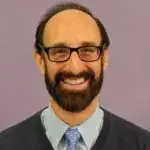
David M Yousem, MD, MBA
Professor of Radiology, Vice Chairman and Associate Dean
Johns Hopkins University
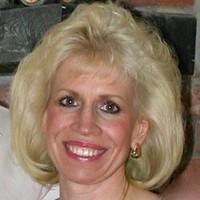
Kelly P. Yousem, JD
Plaintiff’s Attorney
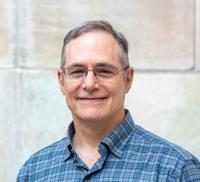
Stephen D. Brown, MD, FACR, HEC-C
Associate Professor of Radiology (Part-time)
Boston Children's Hospital and Harvard Medical School
Tags
Non-Clinical
© 2026 Medality. All Rights Reserved.
