Training Collections
Library Memberships
On-demand course library with video lectures, expert case reviews, and more
Fellowship Certificate™ Programs
Practice-focused training programs designed to help you gain experience in a specific subspecialty area.
Ultimate Learning Pass
Unlock access to our full Course Library and all self-paced Fellowships.
Continuing Medical Education (State CME)
Complete all of your state CME requirements in one convenient place.
Noon Conference (Free)
Get access to free live lectures, every week, from top radiologists.
Case of the Week (Free)
Get a free weekly case delivered right to your inbox.
Case Crunch: Rapid Case Review (Free)
Register for free live board reviews.
Dr. Resnick's MSK Conference
Learn directly from the MSK Master himself.
Lower Extremities MRI Conference
Musculoskeletal Imaging
For Training Programs
Supplement your training program with case-based learning for residents, registrars, fellows, and more.
For Private Practices
Upskill in high growth, advanced imaging areas.
Compliance
NewTrack, fulfill, and report on all your radiologists' credentialing and licensing requirements.
Emergency Call Prep
Prepare trainees to be on call for the emergency department with this specialized training series.
Training Collections
Library Memberships
On-demand course library with video lectures, expert case reviews, and more
Fellowship Certificate™ Programs
Practice-focused training programs designed to help you gain experience in a specific subspecialty area.
Ultimate Learning Pass
Unlock access to our full Course Library and all self-paced Fellowships.
Continuing Medical Education (State CME)
Complete all of your state CME requirements in one convenient place.
Noon Conference (Free)
Get access to free live lectures, every week, from top radiologists.
Case of the Week (Free)
Get a free weekly case delivered right to your inbox.
Case Crunch: Rapid Case Review (Free)
Register for free live board reviews.
Dr. Resnick's MSK Conference
Learn directly from the MSK Master himself.
Lower Extremities MRI Conference
Musculoskeletal Imaging
For Training Programs
Supplement your training program with case-based learning for residents, registrars, fellows, and more.
For Private Practices
Upskill in high growth, advanced imaging areas.
Compliance
NewTrack, fulfill, and report on all your radiologists' credentialing and licensing requirements.
Emergency Call Prep
Prepare trainees to be on call for the emergency department with this specialized training series.
Lesson
Introduction
1 topic, 2 min. of video
Lesson
Elements of a Lawsuit
11 topics, 34 min. of video
Introduction to Understanding Lawsuits
3 m.Definition of Duty
2 m.Definition of Breach
4 m.Definition of Causation
2 m.Definition of Damages
5 m.Degree of Proof Requirements
4 m.Informed Consent and Res Ipsa Loquitur
6 m.Case Example: Negligence
2 m.Liability Regarding Curbside Consult and Tumor Boards
8 m.Key Considerations for Plantiff Lawyers to Take a Case
3 m.Summarizing the Elements of a Lawsuit
1 m.Lesson
What To Do if You Are Sued
6 topics, 22 min. of video
Lesson
Communication with Families About Harmful Events in Radiology
10 topics, 29 min. of video
Introduction to Communicating With Families
2 m.Factors Contributing to Adverse Events in Radiology
2 m.Overview of Errors and Optimal Communication with Families
6 m.Determining When an Apology is Appropriate
2 m.Barriers to Communicating With Patients and Families About Errors
3 m.State Apology Laws
3 m.Communication and Resolution Programs (CRPs)
6 m.Steps to Address Adverse Events
6 m.Implications of CRPs for Radiologists
3 m.Summary on Communicating With Families
2 m.Lesson
Alternative Dispute Resolution (ADR)
3 topics, 13 min. of video
Lesson
Tips for Behavior as a Defendant at Trial
6 topics, 19 min. of video
Lesson
Conclusion
1 topic, 3 min. of video
0:00
Many of us are quite aware
0:02
that there are significant barriers to communicating
0:06
with patients and families about errors, uh,
0:09
that are endemic to the medical culture.
0:12
All of us are afraid of lawsuits.
0:14
We all fear the financial repercussions that can come
0:17
with a significant adverse event.
0:20
We all fear losses of our professional standing.
0:24
In addition, there are deeply embedded
0:25
institutional barriers.
0:27
Many institutions continue
0:29
to place greater emphasis on individual culpability rather
0:33
than on systems flaws.
0:35
There are poor mechanisms within our institutions
0:38
to help facilitate our disclosure
0:40
or to support the clinicians who are involved in the,
0:43
in the errors in, in facilitating the communication.
0:46
And the institutions themselves have significant fears
0:49
about their reputation.
0:52
Of course, we as radiologists specifically,
0:54
have limited direct patient contact with.
0:57
There's little opportunity for pre-existing relationships
1:01
that could potentially help manage the communication better
1:04
when the communication gets particularly difficult.
1:07
We're historically behind the scenes
1:09
and our relationship with patients is
1:11
often seen as secondary.
1:13
This leaves us dependent upon the treating physicians often
1:17
to characterize to the patients and families our actions
1:22
and our diagnoses in a way
1:25
that makes us vulnerable
1:28
and in a way that makes that, that make
1:33
leave patients and families with a flawed
1:37
or limited understanding of the care
1:39
that actually took place.
1:41
And this is an important reason why we may want
1:44
to be more upfront as radiologists with
1:48
the direct communication.
1:51
We all have space, time, and logistical constraints.
1:55
There are no professional guidelines within radiology,
1:58
and most of us, uh,
1:59
or many of us, uh, have, are in institutions
2:02
where there are no specific hospital
2:04
or departmental guidelines to help us
2:06
with the communication.
Barriers to Communicating With Patients and Families About Errors
HIDEInteractive Transcript
0:00
Many of us are quite aware
0:02
that there are significant barriers to communicating
0:06
with patients and families about errors, uh,
0:09
that are endemic to the medical culture.
0:12
All of us are afraid of lawsuits.
0:14
We all fear the financial repercussions that can come
0:17
with a significant adverse event.
0:20
We all fear losses of our professional standing.
0:24
In addition, there are deeply embedded
0:25
institutional barriers.
0:27
Many institutions continue
0:29
to place greater emphasis on individual culpability rather
0:33
than on systems flaws.
0:35
There are poor mechanisms within our institutions
0:38
to help facilitate our disclosure
0:40
or to support the clinicians who are involved in the,
0:43
in the errors in, in facilitating the communication.
0:46
And the institutions themselves have significant fears
0:49
about their reputation.
0:52
Of course, we as radiologists specifically,
0:54
have limited direct patient contact with.
0:57
There's little opportunity for pre-existing relationships
1:01
that could potentially help manage the communication better
1:04
when the communication gets particularly difficult.
1:07
We're historically behind the scenes
1:09
and our relationship with patients is
1:11
often seen as secondary.
1:13
This leaves us dependent upon the treating physicians often
1:17
to characterize to the patients and families our actions
1:22
and our diagnoses in a way
1:25
that makes us vulnerable
1:28
and in a way that makes that, that make
1:33
leave patients and families with a flawed
1:37
or limited understanding of the care
1:39
that actually took place.
1:41
And this is an important reason why we may want
1:44
to be more upfront as radiologists with
1:48
the direct communication.
1:51
We all have space, time, and logistical constraints.
1:55
There are no professional guidelines within radiology,
1:58
and most of us, uh,
1:59
or many of us, uh, have, are in institutions
2:02
where there are no specific hospital
2:04
or departmental guidelines to help us
2:06
with the communication.
Report
Faculty
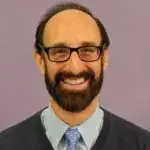
David M Yousem, MD, MBA
Professor of Radiology, Vice Chairman and Associate Dean
Johns Hopkins University
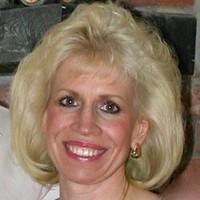
Kelly P. Yousem, JD
Plaintiff’s Attorney
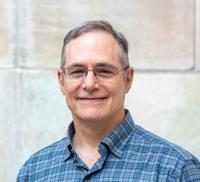
Stephen D. Brown, MD, FACR, HEC-C
Associate Professor of Radiology (Part-time)
Boston Children's Hospital and Harvard Medical School
Tags
Non-Clinical
© 2026 Medality. All Rights Reserved.
