Training Collections
Library Memberships
On-demand course library with video lectures, expert case reviews, and more
Fellowship Certificate™ Programs
Practice-focused training programs designed to help you gain experience in a specific subspecialty area.
Ultimate Learning Pass
Unlock access to our full Course Library and all self-paced Fellowships.
Continuing Medical Education (State CME)
Complete all of your state CME requirements in one convenient place.
Noon Conference (Free)
Get access to free live lectures, every week, from top radiologists.
Case of the Week (Free)
Get a free weekly case delivered right to your inbox.
Case Crunch: Rapid Case Review (Free)
Register for free live board reviews.
Dr. Resnick's MSK Conference
Learn directly from the MSK Master himself.
Lower Extremities MRI Conference
Musculoskeletal Imaging
For Training Programs
Supplement your training program with case-based learning for residents, registrars, fellows, and more.
For Private Practices
Upskill in high growth, advanced imaging areas.
Compliance
NewTrack, fulfill, and report on all your radiologists' credentialing and licensing requirements.
Emergency Call Prep
Prepare trainees to be on call for the emergency department with this specialized training series.
Training Collections
Library Memberships
On-demand course library with video lectures, expert case reviews, and more
Fellowship Certificate™ Programs
Practice-focused training programs designed to help you gain experience in a specific subspecialty area.
Ultimate Learning Pass
Unlock access to our full Course Library and all self-paced Fellowships.
Continuing Medical Education (State CME)
Complete all of your state CME requirements in one convenient place.
Noon Conference (Free)
Get access to free live lectures, every week, from top radiologists.
Case of the Week (Free)
Get a free weekly case delivered right to your inbox.
Case Crunch: Rapid Case Review (Free)
Register for free live board reviews.
Dr. Resnick's MSK Conference
Learn directly from the MSK Master himself.
Lower Extremities MRI Conference
Musculoskeletal Imaging
For Training Programs
Supplement your training program with case-based learning for residents, registrars, fellows, and more.
For Private Practices
Upskill in high growth, advanced imaging areas.
Compliance
NewTrack, fulfill, and report on all your radiologists' credentialing and licensing requirements.
Emergency Call Prep
Prepare trainees to be on call for the emergency department with this specialized training series.
Lesson
Introduction
1 topic, 2 min. of video
Lesson
Elements of a Lawsuit
11 topics, 34 min. of video
Introduction to Understanding Lawsuits
3 m.Definition of Duty
2 m.Definition of Breach
4 m.Definition of Causation
2 m.Definition of Damages
5 m.Degree of Proof Requirements
4 m.Informed Consent and Res Ipsa Loquitur
6 m.Case Example: Negligence
2 m.Liability Regarding Curbside Consult and Tumor Boards
8 m.Key Considerations for Plantiff Lawyers to Take a Case
3 m.Summarizing the Elements of a Lawsuit
1 m.Lesson
What To Do if You Are Sued
6 topics, 22 min. of video
Lesson
Communication with Families About Harmful Events in Radiology
10 topics, 29 min. of video
Introduction to Communicating With Families
2 m.Factors Contributing to Adverse Events in Radiology
2 m.Overview of Errors and Optimal Communication with Families
6 m.Determining When an Apology is Appropriate
2 m.Barriers to Communicating With Patients and Families About Errors
3 m.State Apology Laws
3 m.Communication and Resolution Programs (CRPs)
6 m.Steps to Address Adverse Events
6 m.Implications of CRPs for Radiologists
3 m.Summary on Communicating With Families
2 m.Lesson
Alternative Dispute Resolution (ADR)
3 topics, 13 min. of video
Lesson
Tips for Behavior as a Defendant at Trial
6 topics, 19 min. of video
Lesson
Conclusion
1 topic, 3 min. of video
0:01
Hi everyone.
0:02
Today we're gonna talk about medical malpractice 1 0 1,
0:06
the basic elements of a lawsuit.
0:09
Uh, I think it's important as an attorney to
0:13
have my client, uh, always understand sort of
0:17
what the program is moving forward.
0:19
And I go over this with my clients all the time
0:22
because they need to understand part of this as to whether
0:24
or not they have a lawsuit and why or why not, uh, they,
0:29
or why they may or may not have a lawsuit.
0:31
But it's important for you to understand as well,
0:33
and your defense attorney is going to hopefully make sure
0:37
that you've got this down.
0:38
But let's get a good understanding moving forward of
0:42
how the system works
0:44
and what has to be proved, what, what we,
0:47
as the plaintiff's lawyer who carry the burden of proof,
0:50
have to prove in order to have a case that can go
0:52
to court and be successful.
0:55
So there are two main types of
1:00
legal cases that you probably, you're all aware of, civil
1:04
and criminal, and there's a difference in the standard
1:07
of care that's required.
1:09
And in this case, we're talking about civil lawsuits.
1:13
So let's take a look at what the goals of this talk
1:16
and this program are for you, um,
1:19
in understanding the process of what's required
1:23
or the elements of a lawsuit.
1:26
So the, the elements are duty, breach,
1:31
causation, and harm.
1:33
And the other thing to understand is the burden of proof.
1:38
What is the burden of proof?
1:39
And who has the burden of proof?
1:44
So in a civil lawsuit, this case is known as a tort.
1:49
There are two main types of lawsuits
1:51
that in general, that you're aware of.
1:53
Obviously, civil
1:55
and criminal, criminal carries a much
1:57
higher burden of proof.
1:59
And civil lawsuits are these types of cases,
2:02
which is again known as a tort, is a lawsuit
2:07
that carries a far lower burden of proof,
2:10
but it's a burden that the plaintiff has.
2:13
So a tort is a breach of a duty that gives rise
2:17
to an action for damages.
2:19
And in this particular case, we're focusing on allegations
2:23
of negligence primarily against radiologists,
2:26
but any physician.
Introduction to Understanding Lawsuits
HIDEInteractive Transcript
0:01
Hi everyone.
0:02
Today we're gonna talk about medical malpractice 1 0 1,
0:06
the basic elements of a lawsuit.
0:09
Uh, I think it's important as an attorney to
0:13
have my client, uh, always understand sort of
0:17
what the program is moving forward.
0:19
And I go over this with my clients all the time
0:22
because they need to understand part of this as to whether
0:24
or not they have a lawsuit and why or why not, uh, they,
0:29
or why they may or may not have a lawsuit.
0:31
But it's important for you to understand as well,
0:33
and your defense attorney is going to hopefully make sure
0:37
that you've got this down.
0:38
But let's get a good understanding moving forward of
0:42
how the system works
0:44
and what has to be proved, what, what we,
0:47
as the plaintiff's lawyer who carry the burden of proof,
0:50
have to prove in order to have a case that can go
0:52
to court and be successful.
0:55
So there are two main types of
1:00
legal cases that you probably, you're all aware of, civil
1:04
and criminal, and there's a difference in the standard
1:07
of care that's required.
1:09
And in this case, we're talking about civil lawsuits.
1:13
So let's take a look at what the goals of this talk
1:16
and this program are for you, um,
1:19
in understanding the process of what's required
1:23
or the elements of a lawsuit.
1:26
So the, the elements are duty, breach,
1:31
causation, and harm.
1:33
And the other thing to understand is the burden of proof.
1:38
What is the burden of proof?
1:39
And who has the burden of proof?
1:44
So in a civil lawsuit, this case is known as a tort.
1:49
There are two main types of lawsuits
1:51
that in general, that you're aware of.
1:53
Obviously, civil
1:55
and criminal, criminal carries a much
1:57
higher burden of proof.
1:59
And civil lawsuits are these types of cases,
2:02
which is again known as a tort, is a lawsuit
2:07
that carries a far lower burden of proof,
2:10
but it's a burden that the plaintiff has.
2:13
So a tort is a breach of a duty that gives rise
2:17
to an action for damages.
2:19
And in this particular case, we're focusing on allegations
2:23
of negligence primarily against radiologists,
2:26
but any physician.
Report
Faculty
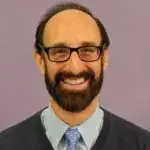
David M Yousem, MD, MBA
Professor of Radiology, Vice Chairman and Associate Dean
Johns Hopkins University

Kelly P. Yousem, JD
Plaintiff’s Attorney

Stephen D. Brown, MD, FACR, HEC-C
Associate Professor of Radiology (Part-time)
Boston Children's Hospital and Harvard Medical School
Tags
Non-Clinical
© 2026 Medality. All Rights Reserved.
