Training Collections
Library Memberships
On-demand course library with video lectures, expert case reviews, and more
Fellowship Certificate™ Programs
Practice-focused training programs designed to help you gain experience in a specific subspecialty area.
Ultimate Learning Pass
Unlock access to our full Course Library and all self-paced Fellowships.
Continuing Medical Education (State CME)
Complete all of your state CME requirements in one convenient place.
Noon Conference (Free)
Get access to free live lectures, every week, from top radiologists.
Case of the Week (Free)
Get a free weekly case delivered right to your inbox.
Case Crunch: Rapid Case Review (Free)
Register for free live board reviews.
Dr. Resnick's MSK Conference
Learn directly from the MSK Master himself.
Lower Extremities MRI Conference
Musculoskeletal Imaging
For Training Programs
Supplement your training program with case-based learning for residents, registrars, fellows, and more.
For Private Practices
Upskill in high growth, advanced imaging areas.
Compliance
NewTrack, fulfill, and report on all your radiologists' credentialing and licensing requirements.
Emergency Call Prep
Prepare trainees to be on call for the emergency department with this specialized training series.
Training Collections
Library Memberships
On-demand course library with video lectures, expert case reviews, and more
Fellowship Certificate™ Programs
Practice-focused training programs designed to help you gain experience in a specific subspecialty area.
Ultimate Learning Pass
Unlock access to our full Course Library and all self-paced Fellowships.
Continuing Medical Education (State CME)
Complete all of your state CME requirements in one convenient place.
Noon Conference (Free)
Get access to free live lectures, every week, from top radiologists.
Case of the Week (Free)
Get a free weekly case delivered right to your inbox.
Case Crunch: Rapid Case Review (Free)
Register for free live board reviews.
Dr. Resnick's MSK Conference
Learn directly from the MSK Master himself.
Lower Extremities MRI Conference
Musculoskeletal Imaging
For Training Programs
Supplement your training program with case-based learning for residents, registrars, fellows, and more.
For Private Practices
Upskill in high growth, advanced imaging areas.
Compliance
NewTrack, fulfill, and report on all your radiologists' credentialing and licensing requirements.
Emergency Call Prep
Prepare trainees to be on call for the emergency department with this specialized training series.
Lesson
Welcome and Faculty Introduction
1 topic, 4 min. of video
Lesson
Types of Human Articulations
8 topics, 36 min. of video
Lesson
Case Review Part 1 with Dr. Donald Resnick & Dr. Rodrigo Aguiar
3 topics, 17 min. of video
Lesson
Internal Structures and Imaging Parameters
5 topics, 39 min. of video
Lesson
Case Review Part 2 with Dr. Donald Resnick & Dr. Rodrigo Aguiar
3 topics, 18 min. of video
Lesson
General Abnormalities
7 topics, 46 min. of video
Lesson
Case Review Part 3 with Dr. Donald Resnick & Dr. Rodrigo Aguiar
3 topics, 18 min. of video
Lesson
Synovial Plica
8 topics, 31 min. of video
Lesson
Case Review Part 4 with Dr. Donald Resnick & Dr. Rodrigo Aguiar
3 topics, 19 min. of video
Lesson
Bursitis
15 topics, 38 min. of video
Introduction and Classification of Bursae
5 m.Primary Bursitis
3 m.Adventitious Bursitis
3 m.Subcutaneous Bursae
2 m.Submuscular and Subfascial Bursae
3 m.Intraligamentous Bursae
2 m.Subligamentous and Peritendinous Bursa
2 m.Retrocalcaneal Bursitis
3 m.Bicipitoradial Bursitis
2 m.Radial/Ulnar Bursae
6 m.Pseudo-bursitis/Tenosynovitis
2 m.Causes of Bursitis
2 m.Rice Bodies
3 m.Knee Bursae
6 m.Shoulder Bursae
2 m.Lesson
Case Review Part 5 with Dr. Donald Resnick & Dr. Carlos Longo
2 topics, 15 min. of video
Lesson
Tenosynovitis
10 topics, 42 min. of video
Tendon Terminology
8 m.Tenosynovitis/Rheumatoid Arthritis
2 m.Tuberculosis with Tenosynovitis and Septic Flexor Tenosynovitis
2 m.Tenosynovitis at Tendon Intersection Sites
4 m.Tenosynovitis in Wrap Around Tendons
4 m.Annular and Cruciate Pulleys of the Flexor Tendons
3 m.Stenosing Tenosynovitis
5 m.Adhesive Capsulitis
6 m.The Role of Arthrography in Imaging Adhesive Capsulitis
4 m.Intra-articular Bodies
10 m.Lesson
Case Review Part 6 with Dr. Donald Resnick and Dr. Carlos Longo
2 topics, 14 min. of video
0:00
<v ->We're gonna finish up in the last few minutes
0:03
of this particular lecture talking about a few other topics.
0:07
And one of my favorite topics is that of rice bodies.
0:11
Hopefully most of you in the audience
0:14
have heard the term rice bodies,
0:16
and I'm not entirely sure if you know
0:18
why we call them rice bodies?
0:22
But if you look at their appearance,
0:24
pathologically, they look very, very similar
0:28
to the appearance of grains of polished rice.
0:32
Now some would argue, they look more like millet seeds,
0:35
or melon seeds, but most of the time people say,
0:39
"Gee, they look just like these seeds of the,
0:43
or grains of the polished rice."
0:45
So that's where the term comes from.
0:47
These rice bodies generally relate to chronic synovitis,
0:51
so they originated it seems, within the synovium.
0:55
And what occurs often at the base of the rice body,
0:58
they pinch off and these may become free bodies.
1:02
There is not much by vascularity within rice bodies.
1:05
So if you use Intravenous Gadolinium, most of the time,
1:09
the rice bodies themselves will not enhance
1:13
following Intravenous Gadolinium administration.
1:17
We see these in joints,
1:18
we see these rice bodies in bursa and less commonly,
1:21
we see them in tendon sheets.
1:24
The causes include: Rheumatoid arthritis,
1:29
juvenile idiopathic arthritis,
1:31
tuberculosis, other infections, spondyloarthropathies,
1:35
here at the bottom, you can see a list.
1:38
I'll show you some examples.
1:40
Here with involvement of the subacromial-subdeltoid bursa
1:44
and rheumatoid, many rice bodies.
1:46
These are mainly elongated,
1:48
of intermediate and low signal
1:50
with a background of high signal fluid.
1:54
Here's an example of tuberculosis
1:57
involving those recesses in the volar aspect of the wrist.
2:01
As we've talked about,
2:03
you can appreciate here again, rice bodies
2:07
which are of lower signal intensity
2:10
with a background of fluid.
2:12
They're not common, but I've seen in a couple of cases
2:15
sarcoid produce rice bodies here
2:18
involving both the radial and ulna bursa of the wrist.
2:22
Again, the rice bodies of relatively low signal intensity.
Rice Bodies
HIDEInteractive Transcript
0:00
<v ->We're gonna finish up in the last few minutes
0:03
of this particular lecture talking about a few other topics.
0:07
And one of my favorite topics is that of rice bodies.
0:11
Hopefully most of you in the audience
0:14
have heard the term rice bodies,
0:16
and I'm not entirely sure if you know
0:18
why we call them rice bodies?
0:22
But if you look at their appearance,
0:24
pathologically, they look very, very similar
0:28
to the appearance of grains of polished rice.
0:32
Now some would argue, they look more like millet seeds,
0:35
or melon seeds, but most of the time people say,
0:39
"Gee, they look just like these seeds of the,
0:43
or grains of the polished rice."
0:45
So that's where the term comes from.
0:47
These rice bodies generally relate to chronic synovitis,
0:51
so they originated it seems, within the synovium.
0:55
And what occurs often at the base of the rice body,
0:58
they pinch off and these may become free bodies.
1:02
There is not much by vascularity within rice bodies.
1:05
So if you use Intravenous Gadolinium, most of the time,
1:09
the rice bodies themselves will not enhance
1:13
following Intravenous Gadolinium administration.
1:17
We see these in joints,
1:18
we see these rice bodies in bursa and less commonly,
1:21
we see them in tendon sheets.
1:24
The causes include: Rheumatoid arthritis,
1:29
juvenile idiopathic arthritis,
1:31
tuberculosis, other infections, spondyloarthropathies,
1:35
here at the bottom, you can see a list.
1:38
I'll show you some examples.
1:40
Here with involvement of the subacromial-subdeltoid bursa
1:44
and rheumatoid, many rice bodies.
1:46
These are mainly elongated,
1:48
of intermediate and low signal
1:50
with a background of high signal fluid.
1:54
Here's an example of tuberculosis
1:57
involving those recesses in the volar aspect of the wrist.
2:01
As we've talked about,
2:03
you can appreciate here again, rice bodies
2:07
which are of lower signal intensity
2:10
with a background of fluid.
2:12
They're not common, but I've seen in a couple of cases
2:15
sarcoid produce rice bodies here
2:18
involving both the radial and ulna bursa of the wrist.
2:22
Again, the rice bodies of relatively low signal intensity.
Report
Faculty
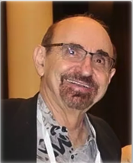
Donald Resnick, MD
Professor Emeritus, Department of Radiology
University of California, San Diego

Carlos H. Longo, MD
Head of Radiology
Hospital Beneficência Portuguesa de São Paulo
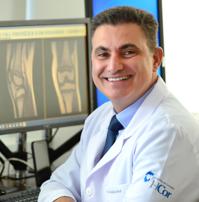
Abdalla Skaf, MD
Head of the Department of Diagnostic Imaging Hospital HCor / Medical director of ALTA diagnostics (DASA group)
HCOR / DASA / TELEIMAGEM

Rodrigo Aguiar, MD, PhD
Professor of Radiology
Federal University of Paraná - Brazil
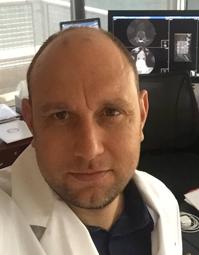
Marcelo D’Abreu, MD
Head of Radiology
Hospital Mae de Deus
Tags
Musculoskeletal (MSK)
MSK
MRI
Hand & Wrist
© 2026 Medality. All Rights Reserved.
