Radiology's Opportunity to Benefit Patients and the Planet, Dr. Reed A. Omary (8-22-24
HIDEInteractive Transcript
0:01
Hello, and welcome to Noon Conference, hosted
0:04
by MRI Online Noon Conference connects the global radiology
0:08
community through free live educational webinars
0:11
that are accessible for all
0:12
and is an opportunity
0:13
to learn alongside top radiologists from around the world.
0:17
You can access the recording
0:18
of today's noon conference in previous noon conferences
0:21
by creating a free MRI online account.
0:25
Today we are honored to welcome Dr. Reed Omri
0:27
for a lecture entitled Radiology's Opportunity
0:30
to Benefit Patients and the Planet.
0:33
Dr. Omri was chair
0:34
of radiology at Vanderbilt University Medical Center from
0:37
2012 to 2023,
0:40
and has fully pivoted his career
0:42
into sustainable healthcare.
0:43
He now works with healthcare to reduce carbon pollution
0:46
and to advance sustainable practices that benefit patients,
0:50
communities, and the planet.
0:52
At the end of the lecture, please join Dr.
0:54
Oie in a q and a session
0:56
where he will address questions you may
0:57
have on today's topic.
0:59
Please remember to use the q
1:01
and a feature to submit your questions so we can get to
1:03
as many as we can before our time is up.
1:06
With that, we are ready to begin today's lecture. Dr.
1:09
Omri, please take it from here.
1:12
A good day, everyone.
1:13
It's, uh, it's a pleasure to be here
1:15
and I really wanna thank, uh, modality, uh,
1:19
for inviting me to speak today about something
1:22
that is really, uh, near and dear to my heart.
1:25
Uh, we're gonna be discussing
1:27
how radiology has the opportunity to benefit patients
1:31
and the, the planet.
1:33
And, you know, the founder of Modality, Daniel Arnold.
1:37
He had, uh, recently posted on social media
1:41
that he recommended, uh, people join today
1:44
and bring their popcorn and notebook.
1:47
And, uh, to that, I would add one other request that most
1:51
of all you bring in open mind.
1:53
Uh, while we will be discussing, uh, topics today, that
1:58
that might not, uh, be tested in terms
2:02
of a maintenance certification, uh, for radiologists
2:06
or may not directly be on the boards for any of those, uh,
2:11
uh, still in training.
2:13
This is a topic that really affects all of us.
2:16
And so I, uh, I do want
2:19
to emphasize the importance of
2:21
what we're gonna be discussing today, uh, is not just, uh,
2:25
for us in radiology.
2:27
It's not just for our, uh, other colleagues in medicine,
2:32
but fundamentally, the topic, uh, affects the future
2:36
of all children and grandchildren
2:38
and all subsequent generations.
2:40
So, with that in mind, I would like to dedicate this talk,
2:44
uh, to, uh, to children, uh, across the globe.
2:48
I would like to, uh, just also begin
2:51
with some disclosures here.
2:53
And, uh, let's, uh, let's move on.
2:55
So I'm gonna start with a story.
2:58
Um, this is a picture of me from, uh, about a year ago.
3:03
I spent the past year on sabbatical, um, one of the,
3:07
the lucky folks who, uh, is within an academic institution.
3:12
And I was provided this chance to, uh, to go
3:16
and learn to learn about climate change
3:19
and sustainable medicine.
3:21
And so I spent this past year, uh, speaking
3:25
to hundreds of people, literally over 350 people from
3:29
around the, the world.
3:30
These are, uh, CEOs to chefs, their scientists, the
3:35
to students, their politicians, to poets.
3:38
And I have, uh, during this journey,
3:41
I've learned an immense amount.
3:43
I've, I have, uh, across the globe to visit many, uh,
3:48
health centers and, uh,
3:50
universities across the United States and also in the eu.
3:54
And I would like to share those learnings with you so
3:59
that you can consider how to think about the relationship
4:04
of the planet's health, uh, to those, uh,
4:07
who we care about in our work lives, patients.
4:12
Uh, I'm going to start with a term that some
4:16
of you may have seen.
4:17
Some of you may not, but this is one of these terms.
4:20
Once you, once I explain it, you'll start seeing it pop up,
4:25
uh, in many, uh, places from newspapers, uh,
4:29
to magazines, to even songs.
4:33
Uh, the Anthropocene is a really big word,
4:37
and what it means, uh, fundamentally, is that we are in the
4:42
age, the geological epoch,
4:46
where humans have become a force of nature.
4:50
Um, this is an image of Crawford Lake.
4:53
It is about 20 miles away from Toronto.
4:56
I've never been there, but I've been to a lake
5:00
that is similar to Crawford Lake in, uh,
5:03
New York just a couple weeks ago.
5:04
Green Lake, which is outside of Syracuse.
5:07
And what these lakes share in common is that the water, uh,
5:12
doesn't actually mix.
5:14
It just sits there.
5:16
And, uh, because of that, they are a tremendous,
5:21
uh, laboratory to see
5:23
what has happened over the geological ages.
5:27
And, uh, scientists actually, uh, uh,
5:31
they go down in the bottom of these lakes
5:33
and they bore down,
5:34
and they take a specimen, think of it as, uh,
5:37
as doing radiology of the, the bottom of this lake.
5:41
And they run tests and, uh, fundamentally try
5:46
and, uh, look at the differences in time, uh,
5:50
from those specimens.
5:51
And this lake is ground zero for
5:56
where we have physical evidence, geological
6:01
evidence, that humans have actually affected the planet.
6:06
And that evidence points to the year 1950,
6:11
which is the, uh, when we have, um,
6:17
compounds which have been, uh, generated
6:20
after the detonation of, uh, nuclear weapons
6:25
have landed in here.
6:27
And we can say that without a doubt,
6:29
this would not have happened without humans.
6:32
And so this concept of the Anthropocene, uh,
6:36
really says that humans have changed the planet,
6:40
and we've changed the planet physically.
6:43
And, uh, this is now taken on a, a, a lot of
6:49
narratives within, uh, within fiction, within, uh,
6:53
psychology, within even, uh, political science.
6:58
I would also like to say that the effect of humans
7:03
is not just geological.
7:07
I'm going to show a video
7:11
of the effect of humans on
7:14
wild animals at the Kruger National Park in South Africa.
7:19
This is a fascinating study that was published last year,
7:23
and these scientists wanted to know, how do
7:27
wild animals respond to the human voice?
7:32
Are animals more, uh, receptive
7:37
or are they more scared of the human voice, say, compared to
7:42
the roar of a lion or to a gunshot?
7:47
And I wanna, uh, I wanna show you a video that, uh,
7:52
the scientists essentially took, uh,
7:55
60 decibel human voice.
7:57
You're gonna hear the voices.
7:59
They're, they're not screaming.
8:00
They're just human voices in different languages.
8:03
And the response that animals have
8:07
to this, let's begin.
8:13
My dad grew up in, only I knew was,
8:18
So you see these gir running away.
8:30
You Got the Jaguar running away.
8:38
There's A hyena that wants nothing to do
8:41
with human voices.
8:44
I think there were
8:48
Same thing.
8:58
I dunno that I started loving the law
9:03
because we have 11 official languages.
9:07
English is that one that everybody speaks.
9:10
So a fascinating depiction of
9:14
how it's not just, uh, nuclear bombs.
9:19
It's not just fossil fuels
9:21
that are impacting our planet.
9:25
It's actually humans in a sociological way.
9:29
The animals, it turns out, feared human voices
9:33
more than gunshots
9:35
and more than a lion's roar, which is fascinating.
9:39
So let's recognize that our presence
9:43
on the planet is actually changing the planet.
9:50
The World Health Organization has deemed the single
9:54
biggest threat facing humanity as climate change.
9:58
It's not COVID, it's, it's not an unknown, uh, still,
10:03
uh, yet unknown pathogen.
10:05
It's actually climate change.
10:07
And what I would like to discuss today is the relationship
10:11
of climate change and other factors to human health,
10:17
and how this is relevant for the field of radiology.
10:24
Uh, let, let's be really clear.
10:28
The main cause of climate change is the burning
10:32
of fossil fuels.
10:35
Um, you know, the main cause
10:37
of lung cancer has been smoking.
10:41
And, uh, just like the tobacco industry, you know,
10:47
big oil has a lot hanging on the line here.
10:50
And so we need to just understand from a human health
10:54
perspective that the burning of fossil fuels
11:00
has become a public health emergency.
11:05
A public health crisis, over
11:08
7 million people die across
11:12
the world each year from pollution
11:18
caused by fossil fuels.
11:20
And this is something that, uh, is, uh, become so
11:25
important that the New England Journal of Medicine,
11:29
the highest ranked journal in medicine, is
11:34
devoting a monthly series to this very issue.
11:38
And I'll, I'll even show you right here.
11:41
This is Science magazine, you know,
11:44
the top rated science journal, uh, in the United States.
11:49
Um, every other week
11:51
or so there, there tends to be a series of articles, uh,
11:56
discussing the link, um, between, uh,
12:00
climate change and human health.
12:03
In this case, we have a special issue
12:05
that just came out last month, which is, uh, focused
12:09
entirely on air pollution.
12:12
And we see this in all of our, uh,
12:16
mainstream journals too.
12:18
We see this in newspapers. We see these in the economists.
12:22
And this is something that fundamentally we can't
12:26
run away from.
12:27
It is here. We're not at the point where
12:32
we need to ask, is climate change real?
12:37
Um, asking that question is equivalent
12:40
to asking the question, does,
12:43
is smoking bad for your health?
12:45
We're like decades beyond that.
12:48
What we should be asking is how we
12:53
can address climate change, how we can address
12:57
the effects of tobacco to benefit the health
13:01
of, of humans.
13:03
And, uh, we see the effects of climate change in many ways.
13:08
Uh, this is a slide I constructed, uh,
13:11
um, probably last fall.
13:13
And, uh, this showed, uh, this incredible wildfire in Hawaii
13:18
that killed over a hundred individuals.
13:21
It shows New York City, uh, last, uh,
13:25
June from 2023, where it is apocalyptic.
13:29
And that really is the same thing on the cover of this, uh,
13:33
this journal from science.
13:35
Uh, it shows the Florida beaches
13:38
where the temperature got close
13:40
to a hundred degrees in the ocean.
13:43
And of course, the Canadian wildfires from, uh,
13:47
the summer before last.
13:49
I bring this up because I, while I created it
13:54
last year, these sorts of extreme
13:58
weather events are happening with more frequency,
14:03
and they're happening in different parts of the country.
14:07
And it's just a matter of, uh, you know,
14:10
which images do I want to show here is
14:15
last week in Connecticut in the United States, uh, one
14:19
of my, uh, one of my friends, Sarah Finney shared this
14:22
with me in her town in Connecticut.
14:24
They'd never seen flooding like this.
14:27
This is a friend of mine who was
14:30
visiting Arizona this year.
14:33
And so he texted me
14:35
and he said, you know, yesterday was 118 degrees, like
14:40
straight up temperature, 118 degrees.
14:43
So I said, Hey, can you,
14:45
can you send me what it is right now?
14:47
And he just took a picture from his phone, 112.
14:50
This is straight up. This is not like heat index.
14:53
Um, I have a friend in Houston who is a biomedical engineer,
14:58
who told me the day
14:59
before last was 115 degrees, uh, heat index in Houston.
15:05
Um, when the temperature gets this,
15:07
so when the temperature gets this hot, it is,
15:11
uh, it is actually really dangerous,
15:15
and it's dangerous for, uh, for so many individuals,
15:20
kids, and, uh, our elders.
15:24
Uh, a story from Arizona when it was so hot,
15:28
there was an example where a a, uh,
15:32
a parent came home
15:34
and a five-year-old boy, uh, went out from the front door
15:39
to greet the father who was coming home.
15:43
That boy wasn't wearing shoes.
15:46
The pavement was so hot that the, the young
15:51
child had third degree burns on their, on their feet.
15:55
So this isn't just theoretical,
15:57
this really affects so many of us.
16:01
And so this example of the child
16:06
who burned their foot is, is an example of
16:11
how climate change targets the vulnerable first,
16:14
and who are the vulnerable, the vulnerable
16:17
children are elders can be, uh, those who are
16:22
socioeconomically disadvantaged.
16:25
Uh, those who are marginalized.
16:26
There are entire nations that are at much greater risk,
16:31
uh, for the effects of climate change, um,
16:35
and do not have the capacity to address it.
16:39
Uh, like, uh, some
16:42
of the wealthier nations like the United States
16:46
and the the eu, um, there's a,
16:51
uh, in the United States,
16:52
there's a climate vulnerability index, uh,
16:56
which has been generated.
16:58
You can go to this, uh, URL at the bottom.
17:02
And you can see based on color code,
17:06
the darker parts are the most vulnerable
17:11
to climate change
17:14
and the health impacts of climate change.
17:18
And you can see there's a preponderance of dark, uh,
17:23
in the southern part of the United States.
17:28
Uh, this is based on census track,
17:32
and there are over 70,000 census tracks
17:35
in the United States.
17:37
Uh, if you look at the, the 10 most vulnerable, uh,
17:41
census tracks, five of them are in Louisiana.
17:46
So when we come from a perspective of health equity, we have
17:50
to think about climate change
17:53
and the effects it has on the patients
17:56
that we are serving in radiology.
18:00
And so you might think, oh, well, I'm lucky.
18:03
I don't, uh, you know, I don't live in Louisiana,
18:07
or I'm lucky I'm not in Houston where it's super hot today.
18:11
But what's really interesting about this,
18:15
if you live in the United States,
18:16
is you can actually type in where you live
18:19
and you can see dramatic differences.
18:22
I'm gonna show you Nashville where I live. Okay?
18:27
So, uh, I just, uh, in this case,
18:31
I've shown the part of Nashville
18:33
where Vanderbilt is located, where downtown is located.
18:38
And, uh, compared to the 70,000 plus
18:42
census tracts, we're at the 74th percentile.
18:46
That means that we are more
18:51
vulnerable than 74%
18:55
of the nation to the effects of climate change.
18:59
There's a river in tent in Nashville called the Cumberland.
19:05
And, uh, this river, I've actually swam ac swam within it,
19:10
uh, as I've done triathlons.
19:11
And you go from, uh, downtown Nashville,
19:15
and you cross over to
19:17
East Nashville, east Nashville.
19:20
99 percentile means like it's
19:25
amongst the 1% of most vulnerable areas
19:31
in the United States.
19:32
So, even within, uh, uh, the town
19:36
where I live, there are dramatic
19:39
differences in vulnerability.
19:41
And I'll tell you that fundamentally, when we look at
19:46
health outcomes, 50%
19:49
of health outcomes in the United States
19:52
can be attributed to zip code.
19:54
So, where we live matters
19:59
and where our patients live matters, we need
20:03
to consider that.
20:05
Uh, broadly, when we think about our roles
20:09
as radiologists, when we think of our roles
20:12
as healthcare professionals, when we think of our roles as
20:16
parents, how do we help those
20:21
in our local communities who don't have the resources, uh,
20:26
to, um, and access to health
20:30
and the ability to withstand climate change?
20:35
Um, we are talking about vulnerable populations.
20:39
And I I wanna really emphasize
20:43
that these vulnerable populations, um, they're, they're,
20:48
they're not others.
20:51
They're, they're not those, uh, uh,
20:55
unrelated to us in radiology
20:58
or, uh, unrelated to us in healthcare.
21:03
They can be us, is individuals. Okay?
21:08
There's a tick called the lone star Tick,
21:13
which is associated, uh, with a tick bite itself,
21:17
causes what's called Alpha gal syndrome.
21:19
And Alpha Gal Syndrome is a severe allergy
21:25
to, uh, mammalian products, uh,
21:28
most commonly from eating beef.
21:31
And one of our faculty at Vanderbilt told me
21:34
about this tick.
21:35
And he had had it
21:36
and had a, a near anaphylactic reaction to it, uh,
21:41
and had to then avoid all mammalian, uh,
21:46
products for a year and a half.
21:49
I have another friend who is a dean of a medical school
21:53
who had, uh, uh, this alpha gal
21:58
reaction and ended up in the ICU, uh,
22:02
a dermatology friend of mine, uh, Dr.
22:05
Eva Parker, uh, from Vanderbilt.
22:08
She shares this slide of this tick,
22:11
and you see it as this little white
22:12
spot in the middle of it.
22:14
This tick traditionally was in the southeast.
22:16
It is now gone up, uh, into the north of the United States.
22:21
It's, uh, so it's, uh, its range has expanded
22:27
due to the effects of climate change.
22:29
And, you know, this picture that she shows of a tick,
22:33
specifically the lone star tick,
22:35
it's the best image she has of it.
22:39
When she gives her dermatology talks,
22:41
she's showing this picture, and she's showing that tick
22:44
and that tick I took on me.
22:48
Uh, I was bitten by two lone star ticks last year.
22:52
And let me just tell you, I do not recommend it.
22:55
Um, and we think about these, uh,
22:58
we think about the air pollution
23:00
that has been coming down from Canada, that caused
23:05
my, my 11-year-old daughter, uh, a year ago,
23:10
to develop asthma.
23:12
So these aren't theoretical concerns.
23:15
What is happening with increased wildfires and flooding,
23:19
and the vector-borne illnesses
23:22
is not just affecting patients.
23:24
It is affecting us as radiologists.
23:30
The concept then, of thinking about the planet, I would like
23:35
to really simplify
23:37
and let's all of us who are in medicine, all
23:41
of us in radiology
23:42
and healthcare, let's start thinking about
23:46
the planet as our patient.
23:50
It's the biggest patient of all.
23:51
And so I wanna talk about that, uh, from the perspective
23:56
of the planet's health.
23:58
Now, we were talking about, uh, climate change
24:02
and climate change is related to greenhouse gases.
24:07
These are most commonly, uh, carbon dioxide emissions.
24:12
They can, uh, they can also be, um,
24:16
uh, from methane.
24:18
Uh, methane comes, uh, methane's a fancy, uh,
24:22
um, term.
24:24
That also is what na natural gas is.
24:27
So when you hear, uh, commercials talk about natural gas
24:32
as being clean, I just want you to recognize it's methane.
24:36
And methane is also emitted, uh, in large quantities
24:41
by cattle.
24:43
Uh, so the rise in temperatures that are, are happening,
24:49
uh, from climate change,
24:51
and the severe weather events are due to the,
24:55
the emissions of these, so-called greenhouse gases,
25:00
and they basically sit there as a greenhouse,
25:03
and they allow the, the sun's ray to come in,
25:06
but don't allow them to leave.
25:10
And so it sort of heats up things,
25:12
and the amount of greenhouse gases keeps increasing,
25:15
which then leads into this positive feedback loop.
25:20
Um, the Paris Agreement, which happened in 2015,
25:25
between over a hundred nations, was to try to limit
25:28
that rise to 1.5 to two degrees Celsius.
25:32
This figure really means nothing to most people, like one,
25:37
1.5, two degrees.
25:39
They don't sound like a lot. First of all, it's in Celsius.
25:42
So if you're in the United States, you're like,
25:44
I don't even know what that is in, um, in Fahrenheit,
25:49
well, 1.5 degrees in Fahrenheit is 2.7,
25:54
and, uh, two degrees is 3.6 Fahrenheit.
25:58
Once again, it doesn't sound like a lot,
26:00
but let me be really clear.
26:02
The, this rise has happened on a,
26:05
on a scale like this.
26:07
And what we find is fundamentally, as this temperature
26:13
rises, it means more
26:16
and more humans, more
26:20
and more species, more
26:22
and more coral, all of that starts
26:25
to be affected negatively.
26:28
So you might think, well, geez, you know, I'm in medicine,
26:31
I'm in radiology, I'm busy.
26:35
How does this relate to me?
26:36
Well, one, one thing is that the emissions
26:40
that we cause in healthcare in the United States
26:45
are 8.5% of all emissions.
26:48
And across the world, it's about four to 5%.
26:52
So, uh, some of you may be aware how
26:57
aviation, you know, we wanna limit our
26:59
travel and, and all that.
27:00
Well, healthcare generates more emissions
27:05
than aviation and shipping combined.
27:09
Um, said another way, when,
27:12
when you feel guilty about flying,
27:14
should actually feel more guilty about the emissions
27:17
that we're generating in healthcare.
27:21
The emissions that we are generating in healthcare cause
27:26
iatrogenic harm to the communities outside
27:31
of our health systems who are least able to tolerate it.
27:36
And so, if we were a country,
27:38
healthcare would be the fifth largest emitter
27:41
of emissions across the globe.
27:43
And there's a major impact on this in terms of dollars.
27:47
And in terms of human health, I think it's important
27:50
that we, we recognize that across the world,
27:55
when we look at the most trusted communicators,
28:00
the most trusted individuals are still doctors.
28:06
The second most trusted, despite all the, the covid stuff
28:10
that's, that's happened, or scientists.
28:11
And the third are teachers.
28:14
So we as physicians, we
28:18
as scientists, we as teachers,
28:22
have the opportunity to educate others about
28:28
climate change and be considered a credible source,
28:32
often more trusted
28:35
than the climate scientists themselves.
28:40
Now, there are a number of strategies
28:43
that we can take in radiology to reduce our
28:48
impact on the environment.
28:50
And I use the term planetary health.
28:54
The, the planetary health is a concept where the health
28:59
of the planet, for instance,
29:02
is affected by climate change.
29:05
The health of the planet is also affected by biodiversity.
29:09
You know, what happens to the 2 million other, uh,
29:14
species that are alive?
29:16
It's also affected by plastics, I think is, uh, some
29:20
of you may be aware, plastics never go away.
29:24
They just become smaller and smaller.
29:26
And almost certainly everyone watching this
29:31
lecture today has micro
29:34
and nanoplastics in your body.
29:38
Uh, I hate to say that, but that's the reality.
29:41
That's where we find ourselves.
29:42
So when we think about the health of the planet,
29:44
there are all these other inputs that extend beyond
29:48
just climate change that we need to consider.
29:52
And when we try
29:53
and reduce our impact on
29:57
climate change, that's called mitigation.
30:00
When we try to help manage it, it's here.
30:04
That's called adaptation.
30:07
And a stellar medical student
30:10
from Toronto was the first author of this, uh,
30:15
recent radiology paper.
30:17
You, you see a little, uh, um, QR code here that, uh,
30:23
describes many of the actions that we can take in radiology.
30:27
And, uh, I really wanna, uh, congratulate Dr.
30:32
Kate Hamman as the, uh, senior author
30:35
and mentor on this, uh, for involving, uh,
30:40
a medical student and bringing together, uh,
30:43
radiologists from around the world to, uh,
30:47
talk about the different strategies
30:49
that we can take in radiology.
30:53
Um, we, at, at Vanderbilt, in conjunction with Phillips,
30:58
have conducted a study where we looked at all the emissions
31:02
that a diagnostic radiology part, uh, department has, uh,
31:07
generated over a 10 year period.
31:09
And this is not just from the daily operations,
31:13
but it's from the manufacturing of our equipment.
31:16
I'd like to emphasize that in radiology,
31:19
what is our biggest emitter?
31:22
And it's hands down on MRI scanners.
31:26
Uh, so when we, uh, perform
31:30
RI scans, we actually, those are
31:34
of all the imaging techniques, the, that is the one that
31:38
generates the most emissions.
31:41
Uh, CT is next.
31:42
Uh, what's interesting is the, the, the least, uh, uh,
31:47
emitter is ultrasound.
31:48
So we think about all the different modalities recognize
31:52
that they have, uh, differential impact.
31:58
Uh, another place where we, uh,
32:01
can impact the environment is through plastic waste.
32:07
Uh, back in 2022, there was a
32:10
lockdown in Shanghai, China due to COID, uh,
32:14
which reduced the supply of ated contrast agents
32:20
that was, uh, produced in that, uh, factory.
32:23
And that affected, uh, globally the supply.
32:26
We at Vanderbilt, when once we received notification
32:30
of this, we had only a seven day supply
32:33
of I need contrast agent, uh, available.
32:37
And so we went into an active mode.
32:40
And in, uh, work led by Dr.
32:42
Lavelle Allen, we actually showed that we could, uh, uh,
32:46
on a dime, we could, uh, massively reduce our use
32:50
of ated contrast agent.
32:53
Well, Jennifer Lindsey, who's one
32:55
of our stellar residents at Vanderbilt, went on
32:58
to further study what would be the effect
33:01
of moving from single use vials that are like, you know,
33:05
these dollar general size vials, a contrast agent moving
33:09
to more of like a Costco size, uh, vial.
33:13
And she showed that, uh, doing
33:15
so would reduce pharmaceutical waste by three-fourths
33:19
plastic waste by over 90%.
33:22
But here, what, this is what's really key
33:25
over six CT scanners, it would reduce our expenses
33:29
by a half million dollars a year.
33:31
This is, these are funds that then could be used
33:35
to improve the care
33:37
and access for patients without insurance.
33:39
They could be used to hire more radiology technologists.
33:43
They could be used to hire radiology room, uh,
33:47
reading room assistance.
33:48
So when we conduct sustainable interventions,
33:52
like going from single to multi-use files,
33:55
we actually save money.
33:58
And we can take those dollars
34:00
and we can put them into other things
34:02
that make our lives better as radiologists.
34:07
And really like to emphasize
34:08
that when we can consider sustainability,
34:11
sustainability is reducing waste.
34:14
That can include contrast agent, it can include scans,
34:18
it can include dollars.
34:20
Fundamentally, when we reduce waste,
34:23
we operate more efficiently.
34:26
The greenest radiology is the radiology that is not needed.
34:31
So when we bring a sustainability mindset to radiology,
34:36
we also have the capacity
34:37
to reduce these never ending work lists.
34:42
I'd like to, to, uh, now end with a series
34:47
of call to actions.
34:49
There're gonna be three call to actions, um, that I,
34:54
uh, I would like to emphasize as practical steps.
35:00
So the first call to action is to, is to link
35:04
what we do at home and at work.
35:07
And let me say this a little bit differently.
35:12
Most of us at home, uh,
35:16
have some measure of
35:20
reducing our waste.
35:22
We may recycle, we may compost,
35:27
we may ride our bikes.
35:29
We may have an ev, we may, uh,
35:34
grow our own food.
35:35
We may choose to have a more plant forward diet.
35:41
Um, most of us, me included, um,
35:47
had done that without thinking about
35:50
doing the same thing at work.
35:52
I would like to give everyone listening here permission
35:55
to break down that false barrier between what we do at home
36:00
and what we do at work.
36:01
There's no reason
36:02
that we can't bring our sustainable mindset,
36:07
uh, to, uh, reduce, reuse, recycle,
36:12
and bring that into our work environment.
36:16
And when we do, we, we will see so many opportunities.
36:21
I'm showing a picture, this is actually my hand.
36:23
And, uh, some of us are aware of the term carbon footprint,
36:28
um, footprints, uh, that, that notion of the carbon
36:33
footprint was actually, uh, uh,
36:37
really promulgated by British Petroleum.
36:41
They hired a PDR firm,
36:44
and the goal was to, to take the concept of
36:50
emissions and the emissions that were being caused
36:53
by British Petroleum.
36:55
And instead of thinking about what an
36:59
oil company might do to think about renewable energy sources
37:04
was essentially to shove that on to individuals
37:07
and make it our personal responsibility.
37:10
And it has worked fabulously well.
37:14
Uh, so much so that a lot of climate activists without
37:19
actually recognizing it, have taken to shaming people who,
37:25
uh, who maybe fly
37:26
or who drive gas, uh, uh, powered vehicles.
37:31
And I, I wanna, I wanna say, no, that is wrong.
37:35
We, we should all consider our individual actions,
37:40
of course, but let's not ever shame others.
37:46
Let's not ever judge others.
37:49
And let's think about what we can actually do
37:54
as opposed to what we've done in the past.
37:57
And don't consider our, uh, you know,
38:02
flying as, as being like, oh, the, the, the, the,
38:05
the single worst thing we can do.
38:07
There. There are simple actions we can take,
38:10
like perhaps eating less beef
38:13
that can have a actually remarkable impact.
38:17
Um, the second key ask, and,
38:20
and perhaps this might be the single most important message
38:24
I'd like to, uh, uh, to emphasize today,
38:29
is when we talk about the health of the planet,
38:32
when we talk about climate change, when we talk about trying
38:36
to make, uh, uh, sustainable, uh,
38:40
practices happen at work, we need
38:44
to first start with empathy.
38:47
We need to first start by listening.
38:51
Um, empathy, uh,
38:55
doesn't work by taking colored corn starch
39:00
and spraying stone hge.
39:03
Empathy doesn't start by taking mashed potatoes
39:08
and hurling them at a Monet in a museum that really,
39:13
like, if, if we think that, uh, somehow
39:18
individuals aren't thinking about climate change
39:22
or thinking about the planet,
39:23
and when they see some of these like ridiculous acts
39:27
that they're, that's what they needed to be,
39:29
to be switched on, it's just wrong.
39:32
We need to think about, uh, when we consider
39:38
our c-suite, when we consider our coworkers,
39:42
when we consider our neighbors,
39:44
when we consider our patients, what are their needs,
39:50
and start by listening.
39:53
And when we understand their needs, almost always
39:58
there is a, um, an opportunity
40:02
to meet those needs through a sustainable practice.
40:08
Let me explain. A, uh, right now in the United States,
40:12
40% of hospitals are losing money.
40:16
40%. They are struggling to stay alive.
40:21
So in trying to help those hospitals,
40:26
if we try and schedule a meeting with the CEO
40:32
and or anyone in the c-suite
40:34
or any of the, the real administrators
40:37
and say, Hey, we need to fight for the planet, we need to,
40:41
to reduce our emissions, the immediate response is, we're,
40:46
we're in danger of closing down
40:50
because we're losing money, we're hemorrhaging money,
40:54
and if we close down, there will be no care for
40:58
patients in this community.
41:01
So we just rephrase it.
41:03
And if that's the need, we say, Hey,
41:07
we've got a solution to some of our money problems.
41:11
We've got a way to save money. And let me tell you how.
41:14
And that goes to, uh, almost always reducing
41:20
emissions and waste saves money, almost always.
41:25
Or if we're thinking about quality, almost always
41:30
sustainable solutions, improve quality.
41:34
Uh, think about who wants to send all that plastic waste,
41:39
who wants to send all that medical waste
41:42
and have it be incinerated, uh, in the, in the communities
41:46
outside of our medical centers where physicians don't live,
41:51
because that's where the incineration happens.
41:54
It doesn't happen in the wealthier neighbors neighborhoods.
41:57
It happens in the neighborhoods
41:58
where people can least tolerate it.
42:00
And it's often children who then come in with asthma,
42:04
just like my daughter, and have to be treated.
42:07
So we can think about then, uh, qua a quality.
42:12
You know, reducing our missions is a quality metric.
42:14
It's also a, a, a as we'll describe, uh,
42:18
next in equity approach.
42:20
It's also a tactic for innovation.
42:23
So when we understand the needs of our
42:27
health system, of our department, of our communities,
42:32
we then can consider sustainability as
42:37
part of the toolkit.
42:39
And so my last ask is then to link people
42:43
and the plan, I,
42:48
uh, I'm confident that a number
42:51
of folks listening today
42:53
or in the recorded, uh, uh, session
42:57
are interested in health equity.
42:59
And as you, we all should be,
43:03
we should really be looking at how we reduce some
43:06
of the disparities in health outcomes.
43:10
Um, if you are involved in equity, if you care about equity
43:15
and you do not consider climate change,
43:20
you are missing a major opportunity to improve equity.
43:26
The same time, if you care about climate change,
43:31
recognize that the interventions
43:35
that we do have an important opportunity
43:39
to reduce disparities.
43:42
And so, let's think about this, uh, with an example.
43:47
It's really easy if you live in the United States to say,
43:50
you know, coal, coal is the dirtiest fuel, which it is.
43:55
We should get rid of all the coal plants,
43:59
which I would, uh, agree with.
44:02
But we'd have to then think, what happens
44:04
to all those coal workers?
44:06
What happens to all those poor families,
44:09
often in West Virginia who don't have anybody advocating
44:12
for them, who've been coal workers for generations?
44:17
We then have to, we can take the opportunity
44:19
as we remove coal plants to help elevate those
44:25
communities that have been based on coal, by educating them,
44:29
by providing new skills where they can take on jobs
44:34
and be elevated to higher paying jobs in a
44:39
clean energy economy.
44:41
So that's an example where we can link people in the planet.
44:44
I'm gonna give another one. This is from
44:46
Boston Medical Center.
44:47
And I really wanna highlight the, the amazing work
44:51
of Bob Biggio, who over the, the past decade,
44:56
has built remarkable, remarkable, uh,
45:01
uh, sustainability programs across, uh,
45:04
Boston Medical Center,
45:06
which remembers a safety net hospital.
45:09
And this is an, this is a clear example
45:12
of linking sustainability to local communities.
45:17
And so what Boston Medical Center did, remember,
45:20
this is a safety net hospital.
45:24
They applied for dollars
45:27
from the US Inflation Reduction Act.
45:30
And, uh, for those of you who are not aware,
45:33
this is legislation that was passed.
45:35
It was bipartisan. It was passed in 2022 and
45:40
provided $380 billion to,
45:46
uh, clean and green the infrastructure
45:50
in the United States.
45:52
So there were dollars available
45:54
to help health systems do this.
45:56
And so what Boston Medical Center did is they were building
46:01
a new hospital in an underserved community
46:05
in the Boston area,
46:07
and they used these dollars
46:09
to put solar panels on the roof.
46:14
They then constructed a, um, an agreement
46:19
with, uh, I think it was New England Power, what,
46:23
whatever the local utility in there.
46:26
And they took the green energy that came out,
46:31
you know, from the solar panels,
46:34
and they, uh, they used that energy.
46:39
And this is what's really amazing.
46:40
They, they took 80 patients
46:43
that would come into the emergency room frequently,
46:47
who often were, were coming to the emergency room,
46:50
fundamentally because of health effects
46:53
of not having either air conditioning or heat.
46:58
And they, you could have, as a,
47:01
a physician could write a prescription for clean energy.
47:06
And what that would mean is
47:07
that those individuals would get $50 a month credit
47:12
from the power company to use the clean energy
47:16
that was generated from top of the hospital.
47:20
This is mind blowingly innovative.
47:23
I so, uh, want to applaud Boston Medical Center
47:29
for thinking in an entirely different way about how we can
47:35
use our hospitals to benefit the communities in a way
47:39
that's often the, the biggest need, which is like, you know,
47:42
how do I live my life in a way
47:46
that I can meet the needs of, uh, my family?
47:51
In this case, it was clean energy.
47:53
Um, university, uh, case, uh,
47:57
university hospitals in, uh,
48:00
Cleveland is doing the same thing with food pantries,
48:04
putting them out in the community, offering clean, uh,
48:08
healthy food items, uh, to patients in need.
48:12
So there are different ways we can do this.
48:16
Uh, I'd like to then end by saying,
48:19
we have the opportunity today in radiology
48:22
to make a tremendous impact on the health
48:27
of our patients, on our communities, and our planet.
48:31
Uh, we can do it,
48:33
but to do it, we have to really do this together
48:37
and, uh, start making changes at scale,
48:40
because that's how we'll generate the impact.
48:43
And I'd like to think about this as compound interest.
48:47
The work we do today
48:50
will actually have impact not just for today,
48:53
but it for every subsequent year.
48:56
So the quicker, the sooner, the bolder we can act.
49:00
Now, the longer
49:04
and the bigger the impact over time.
49:08
And I'd like to say, don't just believe me,
49:15
I'm one person,
49:16
but I, I think sometimes we can even appeal
49:19
to a higher authority.
49:21
The Vatican has actually now gone green.
49:26
All their vehicles are, uh, ev.
49:29
So if it's good enough for the Pope, I recommend that it's,
49:33
uh, something we all consider.
49:36
So thank you. Thank you for listening today.
49:38
Thank you for joining me.
49:41
And I'd invite you to connect with me on, uh,
49:45
on LinkedIn, or if you'd like
49:47
to learn more about sustainable, uh, medicine, I have a, uh,
49:52
blog@readerie.com.
49:54
Thank you to modality for, uh, this opportunity.
49:59
All right. Thank you so much for sharing your LEC
50:01
lecture with us today, Dr.
50:03
Oie. Um, at this time, we will open the floor
50:06
for any questions from our audience.
50:08
You may submit your questions through the q
50:10
and a feature, Dr.
50:12
Oie, I don't know if you see at the bottom of the screen.
50:17
Okay. Uh, Murray Solomon. Thank you.
50:20
Thank you, thank you, Murray.
50:22
It is difficult to be optimistic.
50:24
Are you really convinced that this is a war we can win?
50:29
Um, Murray, thank you for for asking this question,
50:32
and I will answer it very directly.
50:37
Uh, we don't, uh, we don't have an option.
50:42
We have to win this one, and we can do it,
50:45
and we can do it fundamentally by recognizing,
50:50
uh, this is a multi-generational,
50:56
uh, challenge.
51:00
Uh, we're not going to solve it this decade.
51:02
We're not gonna solve this next decade.
51:04
But what we need to learn is that, uh, our,
51:09
our timelines, our horizons are gonna be way longer
51:14
than the horizons of our politicians, the United States, uh,
51:19
you know, congress, two year term senate,
51:22
six years president, four years.
51:25
So those timelines are not the same timelines that,
51:29
uh, we need to think about something as, uh, as
51:34
large and difficult to tackle as climate change.
51:40
For me, a great example
51:42
that I use is JFK
51:45
and the 1960s, the space Race.
51:49
Um, and thinking about the space race, uh, that
51:55
it, it wasn't clear to JFK that he would ever see
52:01
the, um, us landing on the moon by the end
52:05
of his presidency.
52:07
Unfortunately, uh, uh, he was assassinated.
52:12
He never got to experience us landing on the moon.
52:15
But I, I would look at this from a, uh,
52:19
a multi-generational perspective.
52:21
Really take the long
52:22
and recognize that when we look in the mirror right now,
52:26
we wanna be able to tell our kids, our grandkids,
52:28
our friends, kids and grandkids, uh, that we tried
52:32
and we did everything in our capacity, uh, as opposed
52:36
to just said, this is such a big problem.
52:39
I don't know where to begin.
52:41
And getting your point, if you don't know where to begin,
52:45
vote, vote.
52:47
That's a really, that's an action we all can take.
52:52
Uh, okay. Uh, Martha Kears, can you explain again
52:56
how the cost savings
52:57
and energy were applied as a dollar credit
53:00
for patients at Boston Medical?
53:02
Okay, so the, the way this was a, uh, this worked
53:08
was that, uh, clinicians at Boston Medical
53:12
were given the opportunity to write prescriptions.
53:16
And they were, for the first 80 patients, the, the,
53:20
the goal was to look at patients
53:23
who were coming in frequently to the emergency room,
53:27
and, uh, and actually what a lot, uh, uh, in,
53:32
at Boston Medical Center.
53:33
What they found is that a number
53:35
of clinicians were writing letters
53:37
to tell the local utility company, please don't turn off,
53:42
uh, the power for our patients.
53:47
That's what they would in, in, yes, there's pre-auth forms,
53:50
but if you're a safety net hospital,
53:52
you may not be worrying about pre-auth.
53:55
In this case, they were writing letters to say,
53:58
please keep the power supply on for patient X,
54:03
because if you remove the power, they're,
54:05
they're gonna cycle down.
54:07
So this was an example
54:09
to then essentially elevate those patients
54:12
because then the utility company would get that $50
54:19
functionally from the medical center
54:20
and then be able to supply the energy.
54:23
So thank you, Dr. Kerns.
54:29
Are there any other questions?
54:35
Well, I want to thank everyone for joining today, uh,
54:38
especially thank the, the modality, uh,
54:40
folks for setting this up.
54:42
Jackie Ashley, Alexandra, Ben
54:46
and, uh, initially, uh, Daniel Arnold for,
54:49
uh, for inviting me.
54:50
Uh, this was, uh, this was great. I'm always here to help.
54:54
If any of you have questions.
54:55
We in radiology have a long tradition of innovation.
54:59
We cannot be caught flatfooted here.
55:03
We have an opportunity, just like with AI
55:06
to make an immense difference across, uh,
55:09
how healthcare is delivered, uh,
55:12
by embedding sustainability.
55:14
So please consider that. Thank you.
55:17
Thank you all. Take care. Thank you.
55:19
Thank you so much Dr.
55:20
Oie, and thank you for such a very enlightening lecture
55:24
and very inspiring as well for all of us
55:26
to take action today.
55:28
And thank you to everyone
55:29
for participating in our noon conference.
55:32
You can access the recording of today's conference
55:34
and all our previous noon conferences
55:36
by creating a free MRI online account.
55:39
We'll also email out a link to the replay later today.
55:43
Be sure to join us next week on Thursday,
55:46
August 29th at 12:00 PM Eastern, where Dr.
55:49
Joshua Nickerson will deliver a lecture entitled SWI Imaging
55:53
Practical Applications.
55:55
You can register for@mionline.com
55:58
and follow us on social media
55:59
for updates on future noon conferences.
56:01
Thanks again, and have a great day.
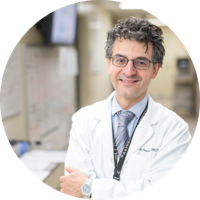
Reed A. Omary, MS
Professor of Radiology
Vanderbilt University
© 2026 Medality. All Rights Reserved.
