Matching Into Radiology Residency, TheRadRoom (3-23-23)
HIDEInteractive Transcript
0:01
Hello and welcome to New conference hosted by
0:04
MRI online.
0:06
Noon conference connects the global Radiology community Through
0:09
free live educational webinars that are
0:12
accessible for all and as an opportunity to learn alongside
0:15
top Radiologists from around the world.
0:18
We encourage you to ask questions and share ideas to help
0:21
the community learning grow.
0:23
You can access the recording of today's conference and previous new conferences
0:26
by creating a free MRI online accounts. You
0:29
can also sign up for a free trial of our premium membership
0:32
to get access to hundreds of case space micro learning
0:35
courses around all key Radiology subspecialties. Today.
0:38
We are honored to welcome the rad
0:41
room back to the new conference stage. The rad room
0:44
is Ashley Lau a room where rugason and salio Patel
0:47
and they're here to lead a panel discussion about matching into Radiology
0:50
residency. Also a big congratulations to
0:53
them for matching in this year's match.
0:55
They are joined by Dr. Aaron Cook from Vanderbilt University
0:58
Medical Center Dr. Naveed faraji from Case
1:01
Western Reserve University University Hospitals and Dr.
1:04
Emma Ferguson from University of Texas Health Science Center
1:07
at Houston.
1:09
Please remember to use the Q&A feature to submit any
1:12
questions you have so we can get to as many before time is
1:15
up with that. We're ready to begin. Today's panel Ashley
1:18
Sawhill and Arun. Please take it from here.
1:21
All right. So thank you again. Everyone online for letting us
1:24
attend this new conference and give a presentation on matching into
1:27
Radiology. I always really exciting last week
1:30
to see you know, all the hard work for so many students across the
1:33
country who successfully matched and we're really excited
1:36
to have discussion today to reflect on what really
1:39
what we thought program directors valued
1:42
from the application cycle any advice that they have for future applicants
1:45
and we're excited to host this
1:48
today. So our Jennifer today, we're going to start with
1:51
a brief presentation just outlining the current application landscape
1:54
and then we'll transition to our main event, which they're Q&A
1:57
panel session and we'll end with a few closing thoughts.
2:01
So when we look at the current application landscape and Radiology,
2:04
it's really important to notice the trends that
2:07
I've been going on the last few years. So when we look back at
2:10
the nrmp data from 2020 for people who listed
2:13
Diagnostic Radiology as their preferred specially
2:16
so that means we've stratified out any dual appliers who
2:19
may have been preparing to imagine to a surgical substantially
2:22
and then applying Dr. As a backup. We
2:25
saw that there are about 1,017 applicants who
2:28
fell into this category and for the most part if you
2:31
look at the last column students who wanted to do Diagnostic
2:34
Radiology, we're successfully matching. We said that
2:37
USMD and do students. We're in the 90s for match rate and
2:40
International Medical graduates who are in the mid
2:43
to high 60s, but then fast forward to last year's match
2:46
cycle, which is the 2022 data as we're so
2:49
waiting for the 23 dad to be released by The nrmp. We
2:52
saw a drastic change as far as the competitiveness of
2:55
Diagnostic Radiology and last year's match.
2:58
There is a 15% increase in total applicants who
3:01
I had to do Diagnostic Radiology as their preferred
3:04
specially and we look across the different application pools
3:07
first, whether you look at MD versus
3:10
do students International graduates, we saw there was
3:13
a drastic decrease in the actual match rates. And
3:16
each of these different groups. Just going to show the competitive nature
3:19
of radiology and this past match
3:22
like was truly no different.
3:25
So here's an interesting graphic that was created by Dr. Francis dang
3:28
from Hopkins. And essentially he
3:31
wanted to stratify the trends that we've seen the last seven to
3:34
eight years. And when you look at the First Column look
3:37
at the 2015 data, he primarily looked at MD seniors
3:40
as they were the largest population of students that are participating
3:43
in the match for Diagnostic Radiology and he's not
3:46
for the most part these students were successfully matching. You can
3:49
see that there was a 95% match rate in that group.
3:52
But even if you looked at the entire group of
3:55
students whether they were dos or International graduates, the match
3:58
was so pretty high around 88% then if
4:02
you fast forward to this most recent data 2023, and
4:05
this is the preliminary data that was taking from the nrmp.
4:08
We see that the match rates are actually pretty low
4:11
as far as what it was in 2015 and
4:14
that MD seniors were matching it roughly an
4:17
81% rate and for the total population of
4:20
students who are participating in the match, you're looking around the high
4:23
60s. And so this is really
4:25
interesting to know especially for anyone on the call who might be
4:28
a mentor for medical students interested in Radiology particularly
4:31
because the times have changed as far
4:34
as Radiology applications go and I think it's important for advisors and
4:37
mentors to know what exactly they're
4:40
mentees are going into as far as the application landscape and
4:43
Advising their mentees based on this data.
4:47
So here's some recent nrmp data
4:50
from the 2022 match cycle as far students who've
4:53
successfully matched into radiology. And so we
4:56
all made the step one score mainly because in these future Cycles
4:59
majority of applicants will actually have a pass/fail rather
5:02
than an actual concrete three digit score, but I
5:05
think it's important to note that we see it. Basically across the board that
5:08
step two is a pretty competitive
5:11
marker for students who successfully matched in that
5:14
us students were around the 250 or higher range
5:17
International graduates were also competitive in the 240s, but
5:20
I think what's really important to note here is the research
5:23
experience and the abstract publication sections. So
5:26
in a few recent matches, we
5:29
saw that in wasn't necessarily mandatory for
5:32
you to have research experiences abstract Publications within Radiology,
5:35
but look at the most recent 2022 match
5:38
we see that these were actually important factors and
5:41
that a majority of the applicants who did successfully match had
5:44
decent contributions in these areas.
5:47
For non-us International Medical graduates. You
5:50
see that those who successfully match had about 17 combined abstracts
5:53
and Publications showing that showing commitment
5:57
in the field of radiology whether that be through research or other
6:00
means it looks like it's going to be a very important role as being a
6:03
competitive applicant.
6:06
So when we look at that, what are other factors that programs are
6:09
going to start looking forward to really be able to disseminate the
6:12
highest quality applicants and such a
6:15
competitive pool and that's where when you that's really when you want to
6:18
start looking at things like Radiology involvement in extracurriculars other
6:21
that be involvement through your Radiology interest
6:24
group or other organizations or societies Regional
6:27
symposiums things of that nature and
6:30
also community service is something that we've seen a lot of medical students
6:33
be a part of whether that be reaching out
6:36
to local high schools or college campuses to give a lecture
6:39
talk on what exactly is the field of medicine
6:42
like particularly in Radiology what really is
6:45
the role of a radiologist and probably the
6:48
biggest category that we've seen increasing the last few years as leadership
6:51
within Radiology from the medical student standpoint.
6:54
So different organizations such as the American College
6:57
of radiology the radiological Society in
7:00
North America our our organization the rad
7:03
room have different opportunities for medical students to
7:06
have
7:06
Leadership opportunities and with such competitive
7:09
landscape, I think being able to show that you're participating from
7:12
a national standpoint. And these organizations is
7:15
something that could be very valuable not only for your own
7:18
skills as a leader but also for networking and really getting to
7:21
know people within the specialty. So I think those are some factors that
7:24
you should definitely be aware of and take the most of if you
7:27
have that opportunity.
7:29
So now I want to fast forward to the most recent
7:32
errors application. So the 2023 cycle
7:35
we saw the Advent of something called the supplemental application that
7:38
introduced things such as program signals Geographic
7:41
preferences meaningful experiences. And in
7:44
the 2024 cycle rather than having an entirely new
7:47
supplemental application. They're actually embedding all
7:50
that content into the main errors application. The notable
7:53
changes that are coming is playing a cap
7:56
at the total number of experiences that you can list at 10,
7:59
but more importantly one thing that both programs
8:02
and applicants wide was the opportunity to highlight the
8:05
most meaningful ones after listening so many
8:08
experiences. What do you want programs really know about you as far
8:11
as the key takeaways about who you are and your application and
8:14
that's where being able to Signal essentially
8:17
your three most meaningful experiences will come into play. I think
8:20
the most important changes that a lot of applicants
8:23
really want to know about our signals and how fast
8:26
step one is going to be utilized by programs.
8:30
And at our last webinar last week with Dr. Lulu Zhang
8:33
from the University of Cincinnati. She mentioned that
8:36
in the upcoming cycle, they're actually expanding the total numbers
8:39
signals and having different tiers. I believe it's
8:42
a gold tier and maybe a silver tier and so it's gonna
8:45
be interesting to know how program directors and mentors would
8:48
think about strategizing how you use signals and really
8:51
trying to maximize your total output on comparing those
8:54
signals into actual interview invitations. And ultimately
8:57
how will a past few step one impact upcoming
9:00
cycle.
9:03
Now with that I like to transition to our Q&A panel. So
9:06
like we mentioned earlier we were so excited to be
9:09
joined by Dr. Cook from Vanderbilt Dr. Faraji from
9:12
University Hospitals Case Western and Dr. Ferguson from
9:15
UT Houston. So thank you so much for participating
9:18
today and for giving your time to all these applicants with
9:21
that. I like to hand things over to arunan Ashley
9:24
who will be moderating the session.
9:26
Great. Thank you Sahel. And thanks for that wonderful presentation, excellent
9:29
information and data you shared
9:32
so we're gonna get this the Q&A start off
9:35
first with Dr. Ferguson the first questions for you and the doctor
9:38
Cook Dr. Faraji. Feel free to chime in after Dr. Ferguson
9:41
has gone. Um, but the first question is is that
9:44
Med students tend to focus on data points,
9:47
obviously as we just highlighted here, do you believe that extracurriculars
9:50
are as important for students to consider? I know
9:53
there's certain extracurricular activities that you value more when
9:56
you're evaluating Radiology applicants, Dr. Ferguson.
10:02
Hi.
10:05
Everyone pleasure. I really appreciate the invitation.
10:07
So yes, obviously grades and
10:10
scores are important, you know, as is reflected in the data that
10:13
you just showed. So that's very important. However, that's
10:16
not the only thing that we look
10:19
at. I know what UT Houston we do a holistic review
10:22
of applicants. And so
10:25
yes extracurriculars are important and
10:28
there are things I mean, we certainly look at the whole applicant. So
10:32
if you know if an applicant may be has more
10:35
or less kind of
10:37
Add more average types of grades or scores again.
10:40
We're looking at the whole applicant. So there are other extracurriculars
10:43
that are very meaningful and very important like you
10:46
had mentioned earlier more and more students are doing community outreach
10:49
projects. We've seen a lot of applications from
10:52
students who are into you know,
10:55
pipeline programs. They've created their own pipeline programs. We've
10:58
seen some amazing applications this
11:01
past year of community service, for example,
11:04
how if a student does a
11:07
lot of mentoring or tutoring or spends a lot of time with community
11:10
outreach projects. It's very
11:13
very meaningful in doing Innovative creative
11:16
different things
11:19
that people do like what you're doing with the rad room all of
11:22
that would for us way very heavily
11:25
into our decision so grades and
11:28
scores are good. We want to make sure that students are able to you know
11:31
to to do Radiology to pass their
11:34
core exam to take standardized test.
11:37
But for us that's not everything and we really love to have
11:40
students from all backgrounds areas of expertise
11:43
and training and experiences because
11:46
it really enriches our program. So we like to
11:49
see a lot of that. So we do certainly look at extracurriculars that
11:52
is important for us.
11:58
I completely agree at Vanderbilt.
12:01
Also, we have a large focus on diversity of
12:04
experience and diversity of backgrounds and a lot
12:08
of our our residents come
12:11
in and have had some type of life experience that is
12:14
quite meaningful. Whether it's in education or even on
12:17
the business side. Some of them have an MBA. So if
12:20
you have other skills like that that is something that we look upon
12:23
very favorably so yeah having the
12:26
education background very important, but beyond that
12:29
there are many other things that can really
12:32
spur us to take a second look and there's that
12:35
kind of things that you really want to highlight in your application.
12:39
Yeah, I Echo everything that doctors cook
12:42
in Ferguson mentioned. The only
12:45
other thing I would add is just sometimes a unique.
12:48
Extracurricular activity can make an applicant memorable
12:51
for me. For example, I have
12:54
a fondness for Ultimate Frisbee and there's not many
12:57
of us who at least willingly advertise that on application.
13:00
So that's something that you know, I think
13:03
just a unique aspect of
13:06
yourself be don't be afraid to kind of convey that
13:09
or display that in your application just to make you know,
13:12
make you stand out from the crowd. So in
13:15
addition to everything they said I just would encourage
13:18
everybody to you not be afraid to
13:21
convey something that's personally interesting
13:24
and important to you.
13:28
Great. Thank you for those really thoughtful answers
13:31
and I'm on a similar vein. This next question is direct
13:34
for you, Dr. Cook aside from board scores and research.
13:37
What do you think makes a strong Diagnostic Radiology
13:40
applicant?
13:42
Excellent question. So we also
13:45
take a holistic approach and certainly there
13:48
are the Baseline factors, but there's also that
13:51
X Factor. So what is it that people are bringing into
13:54
the program that they're going to be contributing to
13:57
the department that's going to be something special. So those are
14:00
the types of features we're looking for so the experience but
14:03
then also in combination with things that
14:06
documents why the person is
14:09
attracted to Radiology what type
14:12
of commitment they have to the field that's
14:15
something that is really important to
14:18
assess because sometimes we have people applying who
14:21
are maybe Stellar academically have
14:25
a really high level
14:28
research, but it's not clear of their true interest in radiology
14:31
and we have questions about that. So to really
14:34
be an excellent applicant and we want the well-rounded application
14:37
as far as a solid background academically something
14:40
about you that makes
14:42
Stand out from your experiences and also that dedication to
14:45
the field.
14:48
And I would also say I completely agree with all of that.
14:51
Those are those are items that we look for as well
14:54
for us. Also everybody who gets
14:57
an interview at our program. They're pretty much on
15:00
equal footing. So at that point, we're really just
15:03
looking for applicants who you know,
15:06
like you said, it's that X Factor who fit in well that their team
15:09
players their professional you enjoy talking
15:12
to them. They would be easy to get along with they would you
15:15
know work well with others and one of
15:18
the things that's very important for us that we look at is on
15:21
the the mspe all the comments that
15:24
are written about the applicant, you know, if we
15:27
see that somebody consistently receives good
15:30
comments on every rotation, you know
15:33
showed up on time took great care of
15:36
patients was a team player, you know with the extra
15:39
mile. We have a lot of good evidence then that that's going to
15:42
be a really solid applicant to
15:45
join our program. So comments like that are very
15:48
Very important and again kind of going a little bit back to the to the
15:51
prior question. I would much rather see consistently
15:54
good comments about an application
15:57
over a long, you know enduring period
16:00
of time rather than just one really outstanding for
16:03
you know, step score. So we really
16:06
do look at everything and I I like to see
16:09
that somebody is just consistently performing. Well then we
16:12
know that okay. They're they're good the comments about them are good.
16:15
That's what we're looking for. And then you meet them and they have good communication
16:18
skills. They're able to talk to have a good discussion
16:21
with you and that kind of sort of seals the deal for
16:24
us.
16:26
Yeah, I would just emphasize the importance
16:29
of longitudinal if
16:32
both evaluations from like, you
16:35
know, a teamwork standpoint, but longitudinal studying
16:38
as far as those successful, I've found
16:41
the best Radiology residents that I have encountered are ones
16:44
who do not wait for an examination to come
16:47
up in order to prompt them to study in our studying on
16:50
a daily basis and a longitudinal fashion.
16:53
You can really tell when you're giving conference or when you're
16:56
you know Staffing out with someone types of questions that they're asking you can
16:59
give you information about how much they're reading
17:02
or how much they're not reading. And so if you can convey on
17:05
your application or in your personal statement or in
17:08
your interview in some way that you know, you've kind of you've got
17:11
a lot of discipline and you you are able
17:15
to study, you know on a day to day basis, you know, I'm a
17:18
reasonable human being I've got a family and stuff at home
17:21
trying to go home and watch Netflix sometimes too. But if
17:24
you can, you know read for 45
17:26
today or an hour a day just about the cases that you've
17:29
encountered that day and conveyed to your interviewer that
17:32
you know, you've got this system figured out. I think at
17:35
least for our program. That's something that we're definitely looking
17:38
for someone who's kind of figured out how they learn best and how
17:41
they study and our intent on doing
17:44
that and reproducible reliable way.
17:48
Awesome, great the great points. I think what
17:51
I get out of that's just consistency longitudinally for studying and
17:54
character and I think that those are all excellent points
17:57
Beyond just a singular board score great
18:00
point. So that's awesome. Our fun.
18:03
Our next question is for you Dr. Faraji. So do you
18:06
have any general advice for personal statements and should
18:09
applicants address perceived red flags in their personal
18:12
statements in your opinion?
18:14
Yeah, great question.
18:17
So yeah personal statements.
18:20
I would say.
18:23
You know depending on as far as the red
18:26
flags are concerned. I do think it's appropriate to to
18:29
kind of address any bread Flags
18:32
because they're gonna come up on your application in one
18:35
way or another and this is your chance to kind of
18:38
convey why that should not be as much of an
18:41
issue as it may demonstrate on other parts of your application. So
18:44
I think it is appropriate to do that. But I
18:47
would not waste a lot of time or
18:50
space on your personal statement kind of perseverating over
18:53
that because really we want to know why we should
18:56
interview you and not why we should overlook a
18:59
small here, you know red flag on your application. So would say
19:02
yes address it but I wouldn't you know spend too
19:05
much of your your valuable precious space
19:08
addressing that and if anybody disagrees, please
19:11
feel free and then as far as
19:14
personal statements, I know you as far
19:17
as you know with signaling and everything obviously Geographic
19:20
preferences is all very important.
19:23
And when you're getting 1200 or so applications and
19:26
you can only interview a hundred or so people, you know,
19:29
and it's so easy for everyone to to
19:32
apply at several places. I guess nowadays not
19:35
having to travel there for interviews and stuff like that. So
19:38
if you can convey there's a lot of work to change
19:41
your personal statement for each institution or from
19:44
for irdr for Dr. But if you can somehow convey
19:47
why a particular institution or maybe
19:50
pick your you know top 10 or something why you're so
19:53
interested in that program. It does go. I think a
19:56
long way to kind of make the program feel special
19:59
and know that your interest
20:02
is genuine rather than just, you know, a check
20:05
mark on the nrmp application, I guess
20:08
so that's what I would say about that.
20:14
And I agree with that as well.
20:16
We because you're absolutely right
20:19
before signaling. I used to you know,
20:22
try to scour every single personal statement to
20:25
figure out who was really interested in coming to Houston because typically
20:28
Texans kind of stay in
20:31
Texas and you know, we get applicants from the surrounding area.
20:34
So I may not focus on applicants from
20:37
I don't know North Dakota. So I would, you know, try to
20:40
look at personal statements and if they mentioned in there, you know, hey, I live
20:43
in North Dakota but my significant other is in Houston my family
20:46
grow, you know, I grew up in Houston. I'm like, oh, okay. So signaling
20:49
has made that a lot easier and that being said though,
20:52
even when we do see that still even this past year with with
20:55
applicants who signaling us, they would still put you know,
20:58
some of their personal statements would be
21:01
specialized for our program as to why they specifically are interested
21:04
in Houston or being in this area. So it does it for
21:07
me. I agree with you it is it's a special touch and
21:10
and I definitely definitely notice that it's something else.
21:13
And also for personal statements, we really like
21:16
to to just know who you are, you know, tell us
21:19
some interesting facts about you. What brought you to Radiology, who
21:22
are you? You know, it gives us a good sense of who you are. So we
21:25
find those to be very interesting to read. I love reading personal
21:28
statements, especially when they're personal and I
21:31
agree with Dr. Faraji and so far as the you know,
21:34
if there's some sort of red flag what I tend
21:37
to look for with those is that those red
21:40
flags are going to come up and when we look
21:43
at an application, we're going to see them and you will be asked about
21:46
them. So I think it is important to address it. I don't
21:49
think you need to you know Focus heavily on it, but for
21:52
us what we look for is, you know, okay. This happened this
21:55
occurred. How did you grow from it? What did you
21:58
learn from it if you describe something like that. Well, maybe you
22:01
know, maybe somebody got a mist of me or there was an active
22:04
unprofessionalism or whatever it is. And if
22:07
we see that the applicant, you know puts in their application and
22:10
their personal statement that you know
22:13
this
22:13
And but this is you know, this is what I did to overcome it.
22:16
This is what I learned from it. This is how I Grew From
22:19
it how I matured from it and they just take ownership and talk
22:22
about how they grew and matured from it. I like to see that
22:25
a lot more than occasionally. We'll have
22:28
an applicant who might you know try to kind of blame everybody
22:31
else for something that happened and no I
22:34
was on a horrible team and this Resident was bad and that you know, it's any even
22:37
though that could be the absolute truth. I would just you
22:40
know, be responsible say how you learn from
22:43
it and how you grew from it if we see that we like
22:46
to see that that shows, you know maturity and that
22:49
you're taking responsibility and that that is
22:52
something that you have actually grown from
22:56
I completely agree. I was exactly what I was thinking too
22:59
in the question was asked and it
23:02
shows a lot of character to be
23:05
able to address these types of challenging situations directly.
23:08
It's definitely something that anyone
23:11
who's screening the applications is going to
23:14
catch and gonna wonder and if you don't address that
23:17
there's certainly a chance that your application be put aside because of that degree
23:20
of uncertainty. So it is in your
23:23
interest to address in a professional way explain what
23:27
you learned from it what you do differently and move
23:30
on and
23:34
As far as what you else you might want to put in that
23:37
personal statement anything that really
23:40
identifies what motivates you what
23:43
really drives you if
23:46
we can sense that type of passion. That's something that
23:49
is I think really important to identify it
23:52
residency is long. We need people who have the
23:55
energy and commitment to continue so describing
23:58
some type of experience like that that
24:01
really is longitudinal at least for my
24:04
perspective is helpful rather than say one single incident unless
24:07
it was something that was truly life-changing but
24:10
really kind of explaining what it is that keeps you
24:13
going is something that I look for and definitely
24:16
if you are able to explain
24:19
why you're applying to this particular program
24:22
or what you're interested in this particular
24:25
area is helpful, especially given
24:28
how competitive Radiology is these days. It's definitely extra effort if
24:31
you're going to do that though.
24:34
Say make sure that you're actually tailoring it because sometimes we
24:37
see this maybe like at one of
24:40
the last paragraphs and the personal statement and it just looks that somebody like
24:43
somebody's cut and pasted something very generic. They're rather
24:46
than actually something thoughtful about
24:49
our department or our city.
24:52
So if you're gonna tailor it do make
24:55
the effort to actually tailor it with a true reason of why
24:58
you're attracted to that program.
25:01
Awesome, great perspective from all our panelists here.
25:04
Our next question is kind of on the same personal statement
25:07
Vans for your doctor Ferguson and opened everyone for people
25:10
who are interested in Interventional Radiology, but
25:13
are applying both irdr and Dr. Do you
25:16
recommend these individuals have two separate personal statements and
25:19
our IR applicants view differently by Diagnostic
25:22
Radiology PD's
25:27
You know.
25:28
Not not necessarily. They
25:31
don't I don't think applicants necessarily have to
25:34
have two different personal statements. I
25:37
think it's important to be honest
25:40
in your personal statement as to what your goals
25:43
are. So for example with us. We
25:46
have a Dr. Obviously Dr. And an
25:49
IR program and then we also offered the esir pathway
25:52
for the Dr. Applicants. So if an
25:55
applicant is truly interested in Interventional Radiology and
25:58
they're applying to both I think it's important to say that and to
26:01
say that you know, I'm very interested in Interventional Radiology
26:04
and I would be interested in either the the
26:07
Dr. Pathway pursuing esir versus the
26:10
integrated IR Pathways. So I don't think you
26:13
necessarily have to have two separate applications. I
26:16
think that as long as you're just being straightforward
26:19
about what your true goals are that is
26:22
okay, and I don't
26:25
necessarily I don't necessarily
26:28
View IR applicants
26:31
differently from Dr. Applicants except that I
26:34
am aware that they're probably really more focusing
26:37
on and targeting the the IR program
26:40
whether than the Dr program, but we still
26:43
you know, we interview both so that is
26:46
certainly you know, something that we're aware of
26:49
is a Dr. Program director. I'm certainly aware
26:52
of somebody is more or less targeting IR, but we still
26:55
support that because you know, we are aware that not everybody is going to
26:58
match into ir and they will end up in Dr. They
27:01
can do the the ESR our pathway with us.
27:04
So we yeah, so
27:07
I again I think it's it's okay just to
27:10
really really Express. What what your
27:13
true desire is. The other thing is that even
27:16
if you did do two separate
27:19
personal statements, most of
27:22
the time the program is going to figure out
27:25
what you're really interested by reviewing your
27:28
whole.
27:28
Patients. So if you've done a ton of research and
27:31
Interventional Radiology and a ton of electives and Interventional Radiology
27:34
and that, you know, you don't talk about that in your
27:37
personal statement because you're you have a separate, you know personal statement
27:40
for Diagnostic Radiology. We're going to see through that
27:43
so I think it's important just to really State what you're watching
27:46
what your true intentions are.
27:49
Yeah, I would agree with that and I would
27:52
just ensure that you know, the
27:55
applicant conveys and understanding that, you
27:58
know, the basis of Interventional Radiology is
28:01
is Diagnostic Radiology. So
28:04
I would be hesitant to submit a personal statement. That
28:07
is so heavily interventionally, you
28:10
know inclined I guess and
28:13
without any thing in there about understanding
28:16
that in order to be a good Interventional radiologist one
28:19
has to know, you know Diagnostic Imaging and be
28:22
able to understand what's appropriate what interventions
28:25
are appropriate what aren't appropriate and what's the
28:28
differential all those things are very very important. And the last thing that diagnostic
28:31
program wants to do is is match
28:34
an applicant who's just you
28:37
know, basically glazing through their Dr. Rotations and
28:40
waiting to stick people with needles. And so
28:43
I guess I guess I would say you don't
28:46
need to do too personal statements, but try to conve
28:49
And understanding and appreciation of Diagnostic Radiology as
28:52
well as Interventional Radiology and we are looking for
28:55
you know, ESI IR folks too because
28:58
you know more and more with this kind of separation of
29:01
diagnostic Interventional Radiology, you know while it
29:04
is important for Diagnostic residents to
29:08
be able to do needlework and yes, a lot of Radiologists are
29:11
doing basic procedures or more complex
29:14
procedures, you know, they don't they like
29:17
to have IR inclined
29:20
colleagues to kind of help staff some
29:23
of these more Interventional Christian rotations and
29:26
stuff like that. So I guess moral of
29:30
the story synopsis is you don't need to but make sure
29:33
you appreciate and understand Dr. And
29:36
are able to convey that.
29:40
Yes, I would also add and because this is
29:43
kind of an overlapping issue too when you're talking to your letter writers. Also
29:46
just be very honest and open with them as well.
29:49
Because once in a while they get surprised where
29:52
they thought you wanted to do Dr. And you actually want to do IR
29:55
or maybe esir and so on just let
29:58
them know exactly what it is that you want so that they can tailor their
30:01
letter appropriately.
30:11
Well, that's so great. So we're gonna move on to things that about the last
30:14
cycle as we've mentioned many times. It was such
30:17
a a huge change in Radiology, especially it's kind
30:20
of like gradually growing to this point, but there's a
30:23
lot of changes last year and then you know upcoming changes, but we'll
30:26
discuss the ones from last year first. So on our event
30:29
last week Dr. Zane from you Cincinnati mentioned that the
30:32
AP dir data show that signals were very important for
30:35
IR this cycle. Do you
30:38
agree and how important we're signals at your institution? So
30:41
we'll start with you Dr. Cook.
30:43
Absolutely. Thanks Ashley. So that
30:46
was quite a change as far
30:49
as applications. Nationally. It
30:52
has gotten so competitive and Radiology
30:55
that I would say
30:58
just from those folks that I've talked to that. It was something that
31:01
was certainly very much appreciated from
31:04
the program side because it is become so
31:07
hard to know who's truly interested in that has really
31:10
been a important way even
31:13
early on for us to have a better idea because
31:16
we're all interested and attracting residents who
31:19
really want to be at our programs and really want
31:22
to live where we're at and get the best fit. So
31:25
this I think was viewed
31:28
as a very positive change. I would say just qualitatively
31:31
I'm talking to PD's and I
31:34
hope is also something
31:37
that the applicants have felt like allows them
31:40
to really personalize what they're presenting to.
31:43
Programs as well rather than it just being kind of random, you
31:46
know applied as many places as possible sort of
31:49
experience.
31:51
For for our program. Yes. It
31:54
was very competitive Year many many applications. And
31:57
so that was not the only component
32:00
or like the most important thing but it was certainly something that
32:03
we took into consideration and it helped us
32:06
identify those applicants who maybe we
32:09
would have assumed you know for Geographic reasons
32:12
or other reasons would not be so interested in our program. So
32:15
really allowed those people to tell us that they
32:18
were truly interested and helped us to take a
32:21
second look and you know, give them as much consideration as
32:24
possible. So I think it's something that's really in their
32:27
favor because it's
32:30
in this
32:33
kind of very large number of
32:36
applications. It really is and yet another way to stand out and
32:39
help you so I think mutually beneficial the
32:42
bottom line.
32:46
Yeah, I would agree with with that
32:49
especially in Cleveland. It is not generally
32:52
viewed by Outsiders as
32:55
a attractive sexy place
32:58
to live but I you know, if you come by I would I
33:01
would I would do I would show you otherwise but
33:04
so we really look at signals, you know,
33:07
Geographic preferences a little bit kind of confusing right
33:10
because we're in the same Geographic preference as
33:13
Chicago for example, so it doesn't really give me that much
33:16
information. But yeah, I
33:19
would say that the signaling is super important. I think seven out of
33:22
the nine folks we matched in Dr. This year would signaled
33:25
us. That's just how it turned out. But so depending
33:28
on the program that you're applying
33:31
I would say that it's gonna vary and it's important,
33:34
you know, so if it's probably similarly important to Hopkins
33:37
or wherever but it's a
33:40
I would say it's emphasized that programs where you
33:43
know geographically
33:46
Perhaps aren't the most enticing.
33:52
I agree. I I love signaling it helps so
33:55
much.
33:56
Because it really does allow us, you know, instead of
33:59
trying to go through.
34:01
Every hundreds and hundreds of applications to figure out you
34:04
know who to invite because obviously we have a limited number of
34:07
interview slots. We can't invite everybody. So we really want to
34:10
invite applicants who really want to be at the program. So this
34:13
helped so much to know the applicants
34:16
who really are interested to be you know for us to
34:19
be in Houston. I liked it a lot it made everything a lot
34:22
easier. We also you know, like like
34:25
everyone else is saying we really want applicants who
34:28
want to be at our program. The last thing
34:31
I want is an applicant from you know, Vermont
34:34
and their family is in Vermont everybody. They
34:37
love is in Vermont that they match in Houston. They're sad,
34:40
it's just gonna affect every day of their life. It's gonna
34:43
affect their studying it's gonna affect their motivation Etc.
34:46
So we really want applicants who want to be
34:49
or it creates a much more stable residency and you
34:52
know helps it I think it
34:55
makes everything a lot more stable for the resident
34:58
and makes the resident more, you know, psycholog
35:01
We happy with the result as well. So it
35:04
I agree mutually beneficial for both the program and
35:07
for the resident.
35:09
I absolutely agree from like the applicant site too. I really felt like
35:12
it was it's such a useful way and a tool in a
35:15
sense that I could use to show my my early interest
35:18
too. So it's like these are programs that you know that you have
35:21
an interest and I really think it's a beneficial thing and it'll be
35:24
interesting to see how this year with the expanded signals. I think I read
35:27
it six gold and six silver tier,
35:30
so I'll be interesting to see how that changes and evolves
35:33
over time Dr. Broad. You
35:36
kind of already answered this but how important were Geographic preferences for
35:39
your program as a whole. Yeah. I
35:42
mean it helps a little
35:45
bit but it's complicated just because of other places
35:48
that are similar in the same
35:51
Geographic preference. So yeah, I
35:54
would say that signaling was much much stronger indicator
35:57
and anything else on the application that
36:00
suggests Cleveland or any, you
36:03
know, any attachment to this area.
36:08
You know, it's if someone has a geographic preference, but
36:11
it seems like all their schooling was outside
36:14
of Northeast, Ohio and like Chicago and there's really nothing. I
36:17
can glean from their application that would suggest that they were
36:20
genuinely interested in our program. Then I would
36:23
say even if they're Geographic preference was the same
36:26
as ours just giving the the competing
36:29
areas and programs within
36:32
it's just still a very competitive geographic area.
36:35
So it's a little bit less insightful at
36:38
least for our specific geographic area.
36:41
that makes
36:46
sense, it's it was the geographic signaling was
36:49
slightly helpful, but
36:52
it's more generic and you can
36:55
kind of read between the lines and some
36:58
of the applications that you know, if hey, if
37:01
you know, our ours would include Texas and Louisiana
37:04
and I think
37:06
Oklahoma, I can't remember but you know
37:09
if somebody, you know was born and raised in Louisiana,
37:12
they've lived there their whole life Etc
37:15
and they give us a geographic preference, you
37:18
know, you kind of know that they're probably
37:21
targeting Louisiana and you know, we're you
37:24
know, they just want to see you know, if they can also interview and
37:27
Texas as well. So I agree it's a
37:30
little more generic and not quite as helpful for me
37:33
either.
37:35
And Dr. Hook any other way?
37:37
Oh, yeah. No, I completely agree. I think it depends on a little
37:40
bit on the area and which other programs how many other
37:43
programs are included in that area that sort of thing. But yeah
37:46
that was much lower down on things
37:49
that were helpful much more helpful is the signals and also what
37:52
people were saying in the personal statements.
37:54
Makes sense. Yeah, something that came up a lot this year
37:57
and questions. I've already received a lot from the people that
38:00
would be applying. This cycle is since Radiology
38:03
is growing in our competitive. Is
38:06
this do you recommend that applicants dual apply? Like
38:09
what will you recommend to the people you're advising? Because
38:12
I know that you know, there's some there's some stigma like with program directors
38:15
specifically, but for people at your and a
38:18
mentor for would you recommend that they do apply or who do
38:21
you recommend to apply or considers to applying so
38:24
we'll start with you Dr. Ferguson?
38:26
yes in general I
38:29
would I mean we meet with all of our students and
38:32
we definitely give them.
38:35
Individual advice in general we really want
38:38
to know that somebody is going into Radiology because
38:41
that's really what they want to go into and not just
38:44
kind of like hey, you know, I'll take whatever we really
38:47
want to see that they're interested in radiology. And that's
38:50
really what they're passion is and that's what's going to make them happy. But we
38:53
also have to look at their their data,
38:56
you know, what are their grades in
38:59
their scores? What is their experience are they competitive for
39:02
radiology and if they're not competitive
39:05
for radiology, we try you know,
39:08
we are very honest with them about that. There are some applicants
39:11
who I think again. This
39:14
is very applicant dependent if it's if the applicant is
39:17
very strong competitive and they want to do Radiology. I
39:20
don't see any reason to do all of my
39:23
obviously so it's really going to hinge on you know, the type
39:26
of applicant that it is if it's an applicant who I
39:29
really don't think can match into Radiology. I
39:32
would just my advice would be not to do that.
39:35
A focus on something else fine what they're passion is but if
39:38
it is an applicant that maybe it's borderline and maybe
39:41
in a typical year three four five years
39:44
ago. They would have matched and you're kind of now a
39:47
little bit unsure about it and there's something and they
39:50
really like Radiology but there is something else that they really would
39:53
consider doing then I would much rather
39:56
see them, you know match into something that they like that
39:59
being said if there's an applicant who is you know,
40:02
borderline competitive you think they
40:05
possibly could match and there's just nothing else they
40:08
can imagine themselves doing then, you know, okay go for
40:11
it. Try it, you know maybe and if they
40:14
don't match maybe spend a year doing something else get there get their
40:17
application improved but in general I think that's gonna be
40:20
very applicant dependent and I would really only say again
40:23
I wouldn't want somebody to go in something that they didn't like, but I
40:26
would want to really try to tell somebody if
40:29
they're not competitive to look at
40:32
something else and certainly do will apply.
40:35
There's a chance to get into Radiology.
40:38
That makes sense Dr. Cook. The only thing that
40:41
I I completely agree. The basic premise
40:44
here is a really depends on your personal situation. It
40:47
has to be tailored. And and if
40:50
you're considering doing this do seek opinions from multiple
40:53
mentors as far as the best way
40:56
to go about this and how competitive to help you could determine how
40:59
competitive you would be for radiology as well because that
41:02
can be sometimes hard to self-assess.
41:05
And Dr. Farage any additional thoughts.
41:08
No, just agree with my colleagues
41:11
here.
41:13
I think it's such a complicated topic and I do think that the main
41:16
thing here is to find a mentor or somebody to be honest, whether that's
41:19
from your school or from your institution or somebody's recently matched or
41:22
a program directly know at a different institution. Any
41:25
of these things would be helpful. So mentors mean the world have many
41:29
on this call. But um, yeah mentors cannot be
41:32
underestimated. So now we're going to talk about 2024 and some
41:35
new changes. I'll pass it over to a room.
41:38
Yeah. Great. Thank you Ashley. I think we really looked back
41:41
answers from general questions. And now we're gonna be looking
41:44
ahead to this upcoming application cycle, which
41:47
I judging by the Q&A box. We have a lot of future future radar
41:50
as applicants down here and let's try
41:53
to answer some questions that we know are out
41:56
there. So the first question is so what's
41:59
been put out there is that Eris is changing the 10 maximum
42:02
experiences, which will include work volunteering
42:05
leadership and research on how do
42:08
you think applicants should best use this
42:11
section and would you recommend
42:13
Applicants to group similar experiences IE volunteering
42:16
experiences and Dr. Cook you win this
42:19
question for so go ahead.
42:22
excellent
42:25
I shouldn't personally so for me, it actually does help if things
42:28
are grouped or put in some type of fashion where
42:31
it forms more of a narrative rather than I did
42:34
these all these really cool things, but they're all just
42:37
kind of disparate and seem a little bit unrelated. So anything that can really
42:40
kind of for me lump it together. It does make it
42:43
easier.
42:44
To help me envision your history
42:47
what you're about that sort
42:50
of thing. So yes organization grouping lumping
42:53
whatever works to like tie things
42:56
together to create the narrative is very helpful. And I
43:00
would focus again my
43:03
perspective on those experiences that also were
43:06
longitudinal enough that they really show a
43:09
commitment to something whatever it is, you're passionate about as opposed
43:12
to like a single day thing in general.
43:18
Yeah.
43:19
I'm completely agree. I don't really have anything else to add. I like that
43:22
the organization having everything grouped together talking about
43:25
experiences that are really impacted you that are really meaningful true
43:28
experiences. Exactly. Not just not
43:31
just something that happened one day but something that really really made
43:34
an impact on your life and it was truly meaningful to to
43:37
who you are and who you become and how you got into Radiology.
43:44
I agree great. All right, so grouping
43:47
organization sounds like that is definitely highly
43:50
recommended and with that limit I think
43:53
applicants are going to be forced to so hopefully it'll make
43:56
your jobs easier and also the applicants jobs easier a little bit with
43:59
less ability to just put a lot of things in there. So our
44:03
next question is for you Dr. Faraji, the class of 2024 is
44:06
gonna be the first class where the majority of applicants do
44:09
not have a step one score. How will your
44:12
program handle this and do you encourage applicants taking
44:15
step two before the Eris deadline?
44:18
Great question. So I don't want
44:21
to speak on behalf of our program director, but my general
44:24
thought process on not having
44:28
the step one score. I mean step two will
44:31
be a data point that will probably have a
44:34
greater emphasis than it has historically so I
44:37
will throw that out there and again just echoing that
44:40
it is a holistic review, you know process. So I
44:43
want to still make sure that you know Radiology is a
44:46
very unique specialty and something on the application should
44:49
convey to me that you the person has vetted,
44:52
you know, the the fields sufficiently to know that that
44:55
they could see themselves doing this for the rest of their lives. So and
44:58
you know research extra curriculars all that is
45:01
important, but I'm hypothesizing that
45:04
the step one last of
45:07
a score and step one will probably
45:10
in some ways just kind of displace that emphasis on step
45:13
two and I think some other people have been asking
45:16
the box. So what do you recommend taking?
45:18
You before the application just
45:21
since it seems like a similar topic. I'll touch on it
45:24
my personal recommendation. Is that if
45:28
One of someone is historically generally a good test taker
45:31
a confident and you know comfortable knowing that
45:34
they can go into you have dedicated study time. And you feel
45:37
like it's a good opportunity for you to show what
45:40
you know, I would generally recommend taking it and hopefully
45:43
doing well on it and I think that's a just
45:46
strengthens your application. But if
45:49
you have any hesitation and other ways then
45:52
maybe it's safe or not to take it but in general I would
45:55
say, you know, I would recommend that folks take
45:58
their step too before the application open in
46:01
order to be able to convey, you know that they
46:04
are academically very strong and would
46:07
exceed Excel and Radiology.
46:13
I agree. I think I think across the board. There's
46:16
just going to be a general feeling again not
46:19
to speak for every program but I think in general
46:22
this sense is going to be that.
46:25
Programs will most likely want to see a step
46:28
to to see that a student can take
46:31
a standardized test and I
46:34
think that a lot of I think that would be important to try
46:37
to go ahead and get it before you get your
46:40
step to and before you apply as well.
46:45
Yeah, absolutely. And yeah, there
46:49
is that individual component where that there are certainly are. Some
46:52
folks out there who Excel and very meaningful
46:55
ways and are just
46:58
not good standardized test takers and for those particular
47:01
individuals, it may be other benefit to to differ
47:04
on that. But yeah for
47:07
the majority of applicants just because it's going to be one of
47:10
these ways that you can showcase that you have the ability and
47:13
skill set and knowledge. They'll probably want to take it.
47:19
Great. Thanks for your guys perspectives on that. I think um,
47:22
that's a real pressing issue. It's a very different given all the data
47:25
that's out there and you know how students look at the information by step one
47:28
scores by programs on it's gonna be a really
47:31
interesting year ahead. I'm sure for everyone involved in
47:34
the process. So we're gonna ask one last
47:37
question regarding signals here and you win
47:40
this question Dr. Ferguson. So, you know,
47:43
Sal and Ashley have already touched down the fact there's gonna use tiered signals
47:46
six Silver Six gold, you know, what would
47:49
be your advice to mentees managing the signals this
47:52
year. And would you advise them to focus on target programs or
47:55
is there another strategy you would recommend?
47:59
yes, I think you know it's
48:03
Signal the programs that you really are interested in
48:06
attending because it is going to come to that program's attention.
48:09
That's something I think that you've seen from today that
48:12
all the programs are actually looking at whose signaled us. So that
48:15
really does come to our attention. That being
48:18
said I would also make sure I
48:21
look at the applicant individually and when I would be advising a
48:24
medical student, I you know, if a medical student is
48:27
a less competitive medical student. Obviously, I
48:30
would tell them don't signal the most competitive programs out
48:34
there signal programs within your reach. So I
48:37
do think that's also another component of it that we want to take into
48:40
account obviously signal programs that you're interested in that you
48:43
want to come to their attention that you're interested in it, but
48:46
also program sort of within your wheelhouse within
48:49
your within your reach what would be you know,
48:52
based on the type of applicant you
48:55
are and the type of programs that you should or should not be singly but
48:58
I think it's important to Signal really good programs you're interested in because
49:01
it does come to our attention.
49:06
Absolutely. Yeah. Oh, thanks.
49:09
So yeah, it's something that does
49:12
take a certain amount of self knowledge and then consultation
49:15
with your mentors because you will want to figure out
49:18
which programs that you want to really Target
49:21
are those reach programs for you. Are
49:24
they something where you be a slam dunk, or would you be
49:27
kind of more middle of the road because that
49:30
will help you decide how many
49:33
of those particular types that you're going to
49:36
be putting in, you know, you might have a couple of the your dream
49:40
your reach programs in there that you definitely want
49:43
to let them know that you're interested because these things do
49:46
work out so that that's important but you don't
49:49
want to have all of them in that category because
49:52
they're just with the way things are so competitive that might
49:55
put you at some degree of risk.
49:59
Great. Thanks for your perspectives on signals. And actually we're gonna
50:02
try to get one more questioning because it's been asked by a lot of people in
50:05
the Q&A and in comments and this is open to
50:08
everyone how important is research in the
50:11
application review process. I know particularly some
50:14
students thinking of doing if they were unmatched that you're doing a research
50:17
here just your general thoughts on research for radiology in the
50:20
application review process would be really insightful from
50:23
all of you guys.
50:25
I would say that it is
50:28
important and the degree of importance will
50:31
vary from institution to institution. So if
50:34
a place that you're applying to is relatively, you know
50:38
research and climbed then it would be important for their
50:41
ideal applicant probably has a good amount
50:44
of research. The other thing is research experience can account
50:47
for deficiencies on
50:50
your application and other areas. So maybe your scores are
50:53
kind of borderline. But if you're you've shown a
50:56
dedicated career and Radiology research, then
50:59
I think that can help supplement your application
51:02
and and that way so I would
51:05
say very instrumental institution get a
51:08
good idea get a good understanding of where you want to go and maybe look
51:11
at their websites and the residents that they have and
51:14
see how much research experience, you know, they have
51:17
before going there and then in addition
51:20
it's definitely important for
51:25
You can I guess you can cover up areas of
51:28
deficiency by by a strong
51:31
research background or dedication to having
51:34
done a lot of research at in addition to
51:37
other factors.
51:41
So I completely agree with that. I think it's going to vary based
51:44
on the institution. I think you know
51:47
for us we do like to see some research because it
51:50
shows that there is a, you know an enduring interest
51:53
in Radiology that you really are willing
51:56
to, you know, spend your time, you know
51:59
doing research and some component of radiology and
52:02
that you're really, you know serious about it.
52:05
But you know, we it also, you
52:08
know could give some candidates maybe an edge
52:11
a leg up but in general for our
52:14
institution, it is important. We like to
52:17
see some research, but I'm sure there are
52:20
other
52:21
Residencies out there that would require more than we require. So
52:24
I think it's it's very institution dependent.
52:29
It definitely is I would also note that when people
52:32
say research sometimes they mean different things. There's of course
52:35
basic science research. There's clinical research all which
52:38
is great. Sometimes people do research and other fields
52:41
surgical Fields medicine and you
52:44
know, maybe they're interest change over time and that's
52:47
still and this
52:50
is probably program dependent but that's still in our eyes counted as something that
52:54
you did that was meaningful. So we don't just automatically
52:57
discount research that was not done in Radiology because
53:00
we do know that there's a certain period of time or until sort
53:03
of change during medical school. But also we look
53:06
favorable fee upon other things like educational exhibits
53:10
or posters or if you're giving presentations
53:13
that are significant things that
53:16
maybe aren't deemed as
53:19
like true research but still
53:22
really contribute to the body of Academia.
53:31
Well, I think that's most of our question. There are
53:34
a large number of questions that we answered and also
53:37
were unanswered. I wanted to let everybody that's
53:40
on the call know that we will be holding more webinars throughout
53:44
before application season that will address a
53:47
lot of these more specific scenarios such as
53:50
International Medical graduates and deal applicants
53:53
or coming from a small school. So look out
53:56
for that on the rad room Twitter will also
53:59
be sending that out. So just know that that is coming.
54:02
I wanted to say a huge. Thank you to Dr. Cook
54:05
Dr. Ferguson Dr. Garaji for not only joining
54:08
us today about being such such strong supporters of
54:11
us and providing so much guidance for all students
54:14
or radiology and radiology and we
54:17
know that you're taking time out of your personal day and we appreciate that so
54:20
much. We also wanted to give a huge. Thank you to MRI online.
54:23
We're hosting us again allowing us to share this valuable
54:26
information and insight with students across the
54:29
country. I just wanted to remark my last
54:31
Thing today is I know that this is a really tough thing.
54:34
I know that radiology is becoming more competitive, but you
54:37
know, if this is something that you're drawn to if you feel like you're calling
54:40
is a radiology reach out and find mentors reach
54:43
out and find people responsors and just get more
54:46
involved. There's so many ways to get involved. If you want to reach out to us either on
54:49
Twitter or the Radiology room at gmail.com.
54:52
We're happy to connect you with people that can
54:55
help you at least discuss your goals, and we
54:58
have a ton of advice on our website. So thank you for everybody for
55:01
attending. Thank you, especially to our panelists and MRI online and
55:04
we hope that everybody has a great day.
55:07
Thank you so much. I appreciate it. Of course.
55:10
Take care.
55:11
All right. Thanks everyone and thanks everyone for participating
55:14
in this new conference and all the questions and for
55:17
panelists amazing job. Thank
55:20
you so much for being here. You can access the
55:23
recording of today's new conference by creating a free MRI
55:26
online account.
55:28
And be sure to join us next Thursday, March 30th at
55:31
12 pm Eastern. We are having Dr. David
55:34
youson on for a spine Imaging Board review. You can
55:37
register for that one at MRI online.com.
55:40
Follow us on social media for updates on future new conferences. Thanks
55:43
everyone and have a great day.
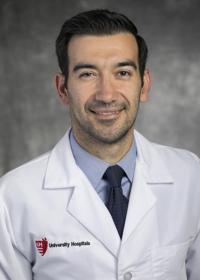
Navid Faraji, MD
Assistant Professor, Musculoskeletal Imaging and Anatomy
University Hospitals of Cleveland
© 2026 Medality. All Rights Reserved.
