7 Habits of Highly Effective Radiologists, Dr. David Yousem (12-21-23)
HIDEInteractive Transcript
0:02
Hello and welcome to Noon Conference, hosted
0:04
by MRI Online Noon Conference connects the global radiology
0:08
community through free live educational webinars
0:11
that are accessible for all
0:12
and is an opportunity
0:13
to learn alongside top radiologists from around the world.
0:16
We encourage you to ask questions
0:18
and share ideas to help the community learn and grow.
0:21
You can access the recording of today's conference
0:23
and previous noon conferences
0:25
by creating a free MRI online account.
0:28
Today we are honored to welcome Dr. David SSO
0:31
for a lecture entitled Seven Habits
0:33
of Highly Effective People.
0:35
Dr. SSO is a neuroradiologist
0:37
and professor of radiology at the Johns Hopkins
0:40
University School of Medicine.
0:42
Dr. Usam is the author
0:43
of approximately 350 scientific papers
0:46
and several popular books in radiology,
0:49
including Neuroradiology, the Requisites,
0:52
and is the series editor of the Case Review series Elsevier.
0:55
He has served as the president of the A SNR
0:58
and was awarded the Outstanding Educator Award
1:01
from the RSNA.
1:02
We are grateful to Dr.
1:04
SSOs, support of MRI online
1:05
and for serving as our neuroimaging subspecialty advisor.
1:09
At the end of the lecture, please join Dr.
1:11
Ssim in a q and a session
1:12
where he will address questions you may
1:14
have on today's topic.
1:16
Please remember to use the q
1:17
and a feature to submit your questions so we can get to
1:20
as many as we can before our time is up.
1:22
With that, we are ready to begin today's lecture. Dr.
1:25
Usam, please take it from here.
1:28
So actually this will not be a talk about the seven Habits
1:33
of Highly Effective People.
1:35
It will be a takeoff of that
1:38
and title, the Seven Habits
1:39
of Highly Effective Radiologists.
1:41
I was a little worried about copyright infringement
1:44
with the work of Stephen Covey, who did the Seven Habits
1:47
of Highly Effective People.
1:48
So I will reference that in just a moment.
1:51
Uh, I do want to list my disclosures
1:54
and, uh, recognize my work with Modality, MRI online
1:58
as a consultant as well.
2:01
So the work on the Seven Habits of Highly Effective People
2:06
is through Stephen Covey and is currently copyrighted
2:09
and owned by the Franklin Covey Group,
2:11
which is a really nice group, uh,
2:13
that works on individual development.
2:17
These are the seven habits
2:20
that Stephen Cubby wrote in his book that was published,
2:23
I believe, in the 1970s.
2:25
And, um, they are very important habits that
2:30
I subscribe to, and I consider myself a little bit
2:33
of a covey head, I guess you'd say.
2:36
And these habits are be proactive.
2:39
Begin with the end in mind. Put first things first.
2:42
Think, win-win. Seek first to understand, then
2:45
to be understood, synergize and sharpen the salt.
2:48
And I'll just make a few comments about these
2:51
before we move on to effective radiologists.
2:55
The first three habits are sort of how you interact
2:57
with yourself and or your, uh, spirituality.
3:02
Being proactive means being assertive
3:04
and not playing the role of a victim in your life,
3:08
but being the hero and taking control of your life.
3:12
Begin with the end in mind talks about
3:15
how you should have a mission for your life
3:19
that should span the the domains of
3:22
what Covey says are live, love, learn,
3:24
and le leave a legacy, which is live the physical world,
3:27
love your spiritual emotional world, uh,
3:30
learn your intellectual word and world
3:32
and leave a legacy what you do in society.
3:35
So have a mission statement.
3:37
Uh, put first things first is how you run your life,
3:40
and that is to prioritize those things
3:42
that are most important, that are most mission-centric.
3:45
The next three habits that he described, think win-win,
3:49
seek first to understand, then to be understood,
3:51
and synergize are how you interact with other people.
3:55
So always having a win-win philosophy rather than a
3:59
competitive philosophy of win-lose, uh, seek.
4:03
First to understand, then to be understood is, you know,
4:05
really search out the other person's point of view
4:09
and perspective before giving your own perspective.
4:14
So be inquisitive about people
4:16
and to people, uh, respect them.
4:19
And then synergize is the concept of having
4:22
two people come up with ideas
4:24
that are better than the additive effect
4:26
of their individual, uh, contribution.
4:29
So this, this is like collaboration where you work together
4:32
and come up with an even better idea than the
4:35
sum of the two parts.
4:36
And the final habit
4:38
that Covey described was sharpen the saw,
4:41
which is self-improvement.
4:43
Continually work on yourself to try
4:45
to make yourself a better person and improve your skillset.
4:49
Great material, I highly recommend it.
4:52
That's not what we're going to be talking about today.
4:55
Today we're gonna be talking about the seven habits
4:59
of highly effective radiologists.
5:02
What are the habits that I think you should have
5:05
that will lead you
5:06
to being a more effective radiologists in your
5:11
accuracy, your communication, your efficacy,
5:14
your value in the medical chain, if you will.
5:19
And those are investigate, innovate, concentrate,
5:25
perseverate, communicate, inculcate, and separate.
5:30
So let's look at these seven habits
5:33
that I'm recommending for you.
5:35
So the first, uh, one is to investigate.
5:38
And at this, uh, point, I'd like to poll the audience.
5:42
And that is, how often do you modify the clinical
5:45
history on your report?
5:47
If you're in the ed, it says trauma,
5:49
or if you're reading body radio, radiology cases,
5:52
it says abdominal pain.
5:53
Or if you're in breast imaging, it says breast lump
5:56
or knee pain.
5:57
For an MSK radiologist
5:59
or for peds missing milestone, how often do you change
6:03
that history that is given as a one word
6:06
or two word history from the clinical team.
6:09
So your options are over 95% of the time, 75 to 95%
6:14
of the time, 50 to 74% of the time, 25 to 49
6:18
or less than 25%.
6:19
I just leave it as it is for what I was, uh, provided.
6:23
So let's poll the audience
6:25
and see what you believe as far as
6:29
how often you change the clinical history.
6:31
If it's given as these greater than 95%, 75 to nine 50
6:35
to 74, 25 to 49,
6:37
or greater than 25%, your answers are 1, 2, 3, 4, or five.
6:43
So we're going to poll and then look at the results
6:50
and here we go.
6:55
Alright. All right. So, um,
6:58
the numbers are pretty evenly split, split between 75
7:01
to 95%, 50 to 74%,
7:04
and 25 to 49%, all of which received about 20%.
7:08
Uh, but the most common was less than 25%.
7:11
I don't go into the, uh, clinical history more than that.
7:15
So my advice to you is to investigate.
7:21
So the history
7:25
on the trauma case might be the patient was assaulted
7:29
with a bottle and has multiple lacerations exposed calvarium
7:33
in the right frontal region
7:35
and slurred speech unrelated to the past history of
7:39
alcohol substance abuse.
7:41
Now, why is this clinical history important?
7:44
Well, I'm a neuroradiologist who does a lot of ed reading.
7:47
Well, I wanna look for foreign bodies.
7:49
If he's been assaulted with a bottle, I might not be as
7:54
as careful about the scalp if,
7:56
unless I am looking
7:57
for potential leaded glass, multiple lacerations.
8:01
Again, normally I'm looking at the brain,
8:03
the ventricles, et cetera.
8:05
But with the lacerations,
8:06
I'll pay a little bit more attention to
8:07
where those are going, especially if there's
8:09
exposed calvarium.
8:11
There may be an incomplete fracture
8:13
or a defect in that calvarium that I want to pay attention
8:16
to, that if it was just trauma, I could easily walk by.
8:20
I don't believe in reading cases blinded
8:23
in the clinical setting.
8:25
The patient has slurred speech.
8:26
Well, I'm gonna be much more, uh, cognizant
8:29
of what's going on in the left frontal particular region
8:32
because that's Broca's area and he's got slurred speech.
8:36
And if I'm seeing volume loss, well,
8:39
it's more explainable if I know
8:41
that the patient has longstanding alcohol abuse.
8:44
So I am one of these people that,
8:46
although I do a lot of ED reading, I never accept trauma
8:51
as a history, I will always go into the electronic medical
8:53
record and find out exactly what's going on,
8:56
because sometimes it's, it's very fascinating to,
8:58
to read the histories about, you know, what's happening
9:01
with the police or, you know, what went on.
9:04
I think that because the electronic medical record is
9:07
available to us, it, it's, I believe it's, it's getting
9:11
to be that the standard of care is
9:13
that you should be looking into the electronic medical
9:16
record to look for history for something like a farm body
9:21
or to compare studies.
9:22
Unfortunately, now we're developing into a
9:25
national network for Hopkins.
9:26
It's a regional network in the Del Marva area
9:29
where other hospitals are accessible even though they're not
9:33
Hopkins hospitals.
9:35
And I have to look in what's called crisp, the, the, uh,
9:38
network to compare studies from University of Virginia
9:43
with my Hopkins, uh, cases.
9:45
Um, similarly, I think it's important to check labs.
9:48
If I see an, a curious appearance
9:50
to the NPLS on a cervical spine study for, um, trauma.
9:56
Uh, and I look at the labs
9:58
and I see that the SED rates weigh high
10:01
and the c-reactive proteins high
10:02
and the white blood counts elevated.
10:04
That nplate degenerative disease
10:06
that I might dismiss previously
10:09
now could potentially represent discitis osteomyelitis.
10:12
And that's why the patient has neck pain.
10:15
And certainly with regard to examining the patients,
10:18
if you're on an interventional service, that's, um, classic,
10:22
I mean, it's required.
10:24
So there is an expression that we use, which is an ounce
10:29
of prevention is worth a pound of cure.
10:32
But I often say to my fellows, an ounce
10:35
of history is worth a pound of text in your report.
10:39
You know, you can be blabbing, blabbing, blabbing on,
10:41
but if you look at the history
10:42
and find out that the patient has, you know, fever,
10:45
white blood count and neck pain, you know,
10:48
all the talk about modic changes about degenerative disease
10:51
become moot because that little bit
10:54
of history is worth a lot more than your text report
10:57
that doesn't address the clinical question.
11:01
So the other thing about investigation is I always have this
11:04
list of what I call the follow-up conference cases,
11:08
interesting cases that I've run into contemporaneously
11:11
that I put aside to look at a month
11:14
or two later in the follow-up conference to see
11:17
what was the final diagnosis,
11:19
what was it disguise osteomyelitis
11:20
or was it just modic changes?
11:22
Was that tumor a lymphoma or a glioblastoma?
11:26
Similarly, you know,
11:28
put those same cases into teaching
11:30
conference so that we all learn from them.
11:31
And if you have morbidity
11:32
and mortality conference, again, investigate what happened
11:36
during that procedure
11:37
to understand what went on with the patient.
11:39
So learn from it.
11:40
Be, be a curious George, so to speak by investigating.
11:45
The second habit, I would say is innovation
11:48
and, and innovating.
11:49
By that I mean to modulate the, the protocol
11:54
based on what the clinicians are asking you
11:58
as a radiologist.
12:00
So how often do you adjust your protocol
12:04
to the clinical question asked,
12:06
or based on, if you look at the preliminary view of it,
12:09
and you go in, you look at the images,
12:11
and then you say, all right, to the techs, uh,
12:14
why don't you do a reverse oblique uh, positioning of this,
12:18
uh, plain film, for example,
12:20
how often do you adjust your protocol?
12:22
Is it greater than 95% of the time, 75 to 95, 50 to 74, 25
12:27
to 49 or less than?
12:28
So we're gonna pull the audience
12:29
and say, when you're looking at a case,
12:32
or when you're prep protocoling a case,
12:36
how often do you change it from your standard protocol
12:39
to specifically address the clinical question of, you know,
12:43
right forth nerve palsy, for example.
12:46
So let's, um, we're gonna pull the audience.
12:48
How often do you adjust your protocols
12:51
based on the clinical history that's provided?
12:56
Number one is greater than 95%, two is 75 to 9 5, 3 50
13:00
to 74%, 25 to 49%, or less than 25%.
13:03
I rare rarely will do that, versus I very often do that.
13:08
So let's see what the audience has said on this question.
13:13
So we have the, uh, most common is 25
13:16
to 49%, which is very good.
13:17
So about one fourth to one half the time you're adjusting
13:21
your protocol based on what the clinical history requires.
13:25
Um, about 20% say less than 25% of the time.
13:31
So that's innovation. It's sort of like changing on the fly.
13:34
So I have to admit
13:36
that I was a little bit resistant to this concept.
13:39
I was of the opinion that you stick with your protocol, you
13:43
that will cover 95% of the patients.
13:46
And for those 5% of patients that have something that needs,
13:50
you know, additional imaging, you bring the patient back.
13:53
Well, patients don't like that.
13:55
And my colleague Ari Blitzer, uh, who was at Hopkins
13:58
for a good 15 years was a big advocate
14:02
of personalized imaging.
14:04
He was the creator
14:05
of our skull base imaging protocol at Hopkins
14:10
that was particularly interested in cranial nerve pathology
14:13
or skull base masses, et cetera,
14:15
where we adjusted the protocol based on
14:18
what the specific question the clinicians were asking.
14:21
And Ari became incredibly popular
14:24
with these skull base neurosurgeons, frankly,
14:26
with all the neurosurgeons and the neurologist,
14:28
because he went after that seventh cranial nerve
14:31
and followed it all the way from the, you know,
14:33
the brainstem to the CP angle, the IAC
14:36
and to the parotid gland.
14:38
He followed it outside the parotid gland to the muscles, uh,
14:41
a brilliant individual and,
14:43
and sorry to lose him to, uh, to Cleveland.
14:45
But, um, it's a sort of a concept of personalized medicine.
14:50
So innovating your protocols, modulating them based on the
14:55
specific clinical question, I think is a habit
14:58
of highly effective radiologists.
15:00
If you're just doing the routine protocol for everyone,
15:02
you're like me, you get a lot done,
15:05
but it's not as effective
15:07
and valuable to the clinical service.
15:11
But innovation concur can occur in other realms.
15:14
So, uh, I'm mostly thinking about the private practice world
15:17
right now and, and academia,
15:19
but other innovations are the research that we do more
15:23
so in the academic environment and the creations.
15:26
Uh, you know, Marty Popper a brilliant individual who, uh,
15:30
patented the PMSA agent that is, you know, revolutionizing
15:35
prostate imaging these days.
15:36
Similarly with artificial intelligence,
15:39
that is really an innovation that is gonna change our field,
15:42
is changing our field and will change our field forever.
15:45
So, uh, really important.
15:47
Uh, when the first jackhammer was invented,
15:50
it was a groundbreaking innovation.
15:54
I'll pause for a laughter, groundbreaking.
15:58
Okay, the third habit of highly effective people is,
16:02
and radiologists in particular, is their ability
16:05
to concentrate.
16:07
Um, and that is to maintain focus.
16:11
So let's ask the question,
16:15
do you still read cases when you know you are
16:18
not at your best?
16:20
Always, often, sometimes, rarely, or never?
16:24
Are you still reading the cases even when you know
16:28
you are not at your best?
16:30
Always, often, sometimes,
16:34
rarely, or never?
16:40
So this is, this is, uh, the question of concentration.
16:42
Are you able, you know, are you fully aware
16:46
and concentrating on your cases?
16:48
Let's see what the audience said as far as having
16:50
to read cases even when you're not necessarily at your best.
16:54
So, um, the answer over 50% are saying often
17:00
or always, that's a little scary
17:03
because you really want to be at your
17:07
best when you're taking care of patients.
17:10
And when you're not at your best, the likelihood
17:13
that you could potentially have an error is,
17:16
um, much higher.
17:18
So, um, let's think about that,
17:21
about the ability to concentrate.
17:24
Well, let me ask this question.
17:27
How often are you doing it mainly to gain rvu?
17:31
So are you still reading cases
17:33
when you know you're not at your best to gain RVU
17:37
for financial benefit?
17:38
So let's ask the, what we're gonna poll the same question,
17:41
whether the motivation here is about
17:45
RVU procurement, potentially
17:49
because you're bonused based on rvu
17:51
or you're trying to, uh, be the most productive member
17:55
of your, uh, group.
17:57
So are you still reading cases when you know you're not at
17:59
your best to gain RVU for that purpose, uh,
18:03
for your personal benefit, always, number one, two,
18:06
often three, sometimes four, rarely, or five never.
18:11
So let's see whether there's any changes in the,
18:16
okay, so about one third
18:18
of people are doing are reading cases,
18:20
even though they're not, you know, perfect in their
18:24
concentration, um, to gain RVs.
18:28
Um, we have about over 50% that say
18:31
that that's rarely or never.
18:33
So I, and I hope some of these people are trainees.
18:37
Okay, so let's talk about concentration.
18:40
So, you know, highly effective people are able
18:44
to concentrate and really focus on their work.
18:47
So recognize when you are not at your optimum
18:51
and take a break.
18:53
Okay? So walk away, caffeinate.
18:57
The truth is that caffeine does help our performance.
19:01
That's true. Whether it's a physical performance, uh,
19:05
activity, exercise, for example, as well as your performance
19:10
in concentrating at work when intellectual stuff.
19:12
Um, I am a firm believer of taking naps almost every
19:17
day when I am on my evening shift.
19:19
And I, and I work the evening shifts.
19:21
Um, I take a nap, uh, before I start work,
19:25
and that really helps me to be focused
19:28
and be able to concentrate.
19:30
Sometimes you gotta call
19:31
and reinforcement when it's just that crazy day
19:34
that there's a hurricane
19:35
or there's whatever reason there's a gun battle
19:38
among the drug, uh, drug teams in,
19:43
in East Baltimore at, at Hopkins.
19:46
Um, you need help. And that may be, you know,
19:49
calling on in additional, uh, faculty, you know,
19:52
colleagues, et cetera.
19:54
Um, recognize that the end of the shift is
19:57
where most errors occur, and
19:59
therefore, you, that's when you have to focus.
20:02
I, I, myself, towards the end of the shift, I'm sort
20:04
of like, oh yeah, whatever the resident said, I'm gonna sign
20:06
that, you know, but I, I resist that and I smack myself.
20:11
It's say, whatcha saying, uh, you can't trust the resident.
20:15
So I, you know, I try to do much better actually at the end
20:19
of the shift about concentrating re-looking at the scans,
20:24
recognize that when you're reading high volume,
20:26
you're at increased risk, not just
20:27
because of the volume of cases, but also
20:30
because of the strain it puts on your eyes.
20:32
And you, you know, people talk about doing eye exercises
20:35
and looking away from the screen.
20:38
And I think that this is gonna be one of the big helps
20:41
of artificial intelligence.
20:43
I would love for every one of my cases to be reviewed,
20:47
reviewed by AI programs, particularly towards the end
20:50
of the shift, or if it's a really busy shift to find some
20:53
of those things that potentially I, uh, may have missed.
20:58
You also wanna reduce distractions.
21:01
So I, I use the term, you know, with the fellows
21:03
and residents, put your phasers on stun that
21:06
that's about your cell phone, you know, put it to silence
21:11
and put it away
21:13
because it's one of the biggest distractions.
21:16
There was a, a, an article, uh, this morning on CNN,
21:21
um, in which there was a description about how
21:26
students in elementary, middle,
21:28
and high school have been doing worse.
21:31
And they think that part of it is
21:32
because of the big distraction
21:34
of having cell phones available in the classroom.
21:37
And there was a group of advocates saying that we should,
21:41
um, check our cell phones as you enter the school,
21:46
because kids are getting too much distraction
21:48
and not learning as much.
21:49
And that's why they think they're,
21:51
they're doing worse on their, um, on their scores.
21:55
So, um, sometimes background noise is a good thing.
21:58
Um, I am a person who has to read by myself in a closed area
22:03
because people talking in the background, um,
22:06
really distracts me from concentrating.
22:08
If you're that person, then you've gotta find a way
22:11
of either with earplugs
22:13
or separate rooms, doors, noise cancellation,
22:18
eliminating the background noise.
22:19
Some people like having white noise in the background.
22:22
Some people like having music.
22:23
You know, you have to know yourself, no interruptions,
22:26
you know, while you're reading cases.
22:27
If, if, if the phone is ringing, I wait until
22:30
after that case to pick it up.
22:33
You know, you get the, a caller ID on everything.
22:36
Now I call 'em back.
22:38
Um, some people think aromatherapy is a, is a effective way
22:41
of maintaining concentration.
22:44
And as I said, taking a break, just walking away,
22:46
having coffee, going to the water cooler, talking
22:49
to my krt about, you know, whose birthday it is
22:52
that day, whatever it might be.
22:57
Okay. The fourth habit of highly effective radiologists,
23:01
if you ask me, is their ability to perseverate.
23:05
So perseverate means like, to continually think about it
23:08
and keep going back to, to persevere, you know, to, to,
23:14
to have continuous effort on a case, not
23:18
to rush things, if you will.
23:20
I guess that's a little bit in like concentrate.
23:23
So what percentage of your errors are
23:27
detection errors as opposed to interpretation errors?
23:31
By detection errors, we mean that you missed something,
23:34
it was a blind spot, or you didn't see the abnormality
23:36
or report on the abnormality.
23:38
Whereas an interpretation error is one in which you saw the
23:42
abnormality, but you ascribed it
23:44
to a granuloma when it ended up being an early carcinomas.
23:48
That's an in, I saw it, but I interpreted it incorrectly.
23:51
So what percentage of your errors are detection errors
23:55
greater than 95%?
23:56
Number 1, 2 75 to 95%. Number three 50 to 74%.
24:01
Number 4, 25 to 49%,
24:03
or less than 25%
24:05
of your errors are missing something on the film
24:08
detection errors.
24:09
And this is to be distinguished from
24:11
an interpretation error.
24:12
Those are the two classic large
24:14
errors that radiologists have.
24:16
What percentage are detection errors greater than 95%,
24:19
but 1 2 75 to three 50 to 74, 4 25
24:23
to 49, or five?
24:25
Less than 25%.
24:26
If, if you're a non-practicing radiologist,
24:29
you could put less than 25%.
24:31
Okay, let's see what the audience says here.
24:37
Okay, so people are saying that, um,
24:42
less than 25% of my errors are detection errors.
24:45
So the 39% of people said it, that's strikingly opposite
24:50
of what most polls say, um, looks like that's
24:56
what most people are saying, that they don't miss something,
24:59
that they're more likely to misinterpret something.
25:03
Hmm, very interesting.
25:06
Well, I think I can talk a little bit about what
25:08
that means about the audience
25:10
because, um, for myself,
25:15
the vast majority of the errors
25:18
that I make are missing something.
25:20
Uh, I think that with experience
25:23
and with years of service, you're better at identifying
25:27
what that abnormality is
25:29
and interpreting it, whereas we tend to rush
25:33
or have blind spots.
25:34
The, the people who, who are more senior
25:36
and miss things, people who are earlier in their career
25:42
and or trainees are more likely
25:46
to have interpretation errors where they look at something
25:49
and think it's abnormal when it's really just the normal
25:51
variant that the attending will say to them,
25:53
no, no, no, that's that.
25:54
We see this all the time.
25:56
So it could be that the reason why the results were skewed,
26:00
the way they are in this survey of the people is
26:03
that you're earlier in your,
26:04
in your career or your trainees.
26:07
So for me, 95, 75 to 95% are interpretation
26:11
or detection errors.
26:13
And we actually, when we do peer review,
26:16
we classify the errors in detection versus interpretation.
26:20
I can tell you over the course of the 20 years far
26:23
and away I missed something.
26:27
This is from the literature.
26:28
This is a 2019 article from the American Journal
26:32
of Neuroradiology for looking at neuro radiologists.
26:36
And again, interpretation errors, perception errors,
26:39
which are detection errors were 75%.
26:42
Interpretation errors were 25%.
26:45
So these are people who are trained as neuroradiologist.
26:48
Again, missing the abnormality.
26:51
Logistic regression analysis showed that the odds
26:53
of an interpretation error were two times greater
26:56
for neuroradiology attending physicians with less than
26:59
or equal to five years of experience.
27:01
So interpretation la less experience,
27:06
they don't recognize that this is a meningioma as a,
27:09
as opposed to a schwannoma
27:11
or a hemangioma of the liver as opposed
27:13
to focal nodular hyperplasia.
27:17
Um, infectious inflammatory autoimmune diseases were more
27:21
frequently associated with interpretation errors.
27:23
These are unusual things in neuroradiology
27:26
perception errors were associated with faster reading rates.
27:30
So this is my problem is that I read very quickly, I'm able
27:35
to get through a lot of cases,
27:37
but I may have higher detection errors than the person
27:41
who is spending a lot more time looking at the images per
27:46
unit time or per case, um,
27:49
and occurred later during the shift.
27:51
So again, as you get more
27:53
and more exhausted, so I have to slow down at the end
27:56
of the shift rather than speeding to the end,
27:59
oh, I'm almost done.
28:00
So, uh, you know, you wanna slow down
28:03
actually at the end of your shift.
28:06
So one of the values of templated reports is
28:11
that it does require you to look at the images for
28:16
potential blind spots that are triggered by your
28:19
templates prompts.
28:22
I don't do template reports, maybe I should
28:24
because I have detection errors,
28:26
but that is one of the values, particularly for trainees
28:28
of why we put up those templates with structured reports.
28:32
So that way you will look at the orbits
28:35
and the upper cervical spine on a head CT scan.
28:40
My issue really is in, is satisfaction of search.
28:43
I will find an abnormality and focus on it and interpret it
28:46
and spend a lot of time on it,
28:48
but then I will miss that incidental finding.
28:50
So that's what we call satisfaction of search.
28:52
You think that you're done, but there are additional
28:55
abnormalities where you think that you're done
28:57
that it's normal, but there is something there
28:59
that is abnormal that you missed.
29:01
So, uh, what I tell my trainees is go,
29:04
you know, recognize normality.
29:06
I mean, a normal study is pretty clear.
29:08
You're not gonna blow it
29:10
because there's this big honking tumor
29:12
on the MRI scan when if you see it
29:15
and it looks normal to you, move to the next case
29:18
where you can spend the time perseverating
29:20
because it's an unusual abnormality that you may not,
29:24
uh, recognize.
29:26
That's for interpretation errors.
29:28
And also spend that extra time on
29:30
that skull base imaging case of cranial nerve pathology
29:33
that has the re blitz protocol where you're looking
29:36
for subtle abnormalities.
29:39
The other thing that, uh,
29:41
is different in the setting in which you're in academia is
29:45
that you have Occam's razor fallacy.
29:49
And that is that the simplest explanation is the best.
29:52
So let me talk about Occam's razor since some people
29:55
may not be familiar with it.
29:57
Occam's razor is refers to
30:01
a principle stated by William of aka.
30:04
It's actually spelled differently here that pl
30:14
plurality should not be positive without necessity.
30:17
In other words, that you shouldn't think
30:19
of multiple explanations for something, you should think
30:23
of the simplest explanation for something
30:26
that it might be true overall.
30:30
But when you're at Hopkins, when you're at MGH,
30:32
when you're in academia, you know,
30:35
the patient has both a leuko encephalopathy as well
30:38
as a stroke, as well as an infection at the same time.
30:42
So that can get you into some problems,
30:46
and that's why it's important to perseverate
30:47
to spend the time thinking about the case.
30:50
Um, here's, AKA chooses a razor.
30:52
It's too complicated, you know,
30:54
quadruple brain and titanium.
30:56
Just gimme the simple B
30:58
or Schick, uh, single blade, um, disposable razor.
31:04
Okay, so we've gotten through the, um, first four
31:08
of the habits of highly effective people in the
31:12
terms of radiologists.
31:13
Um, the fifth habit is to communicate.
31:16
So let's, uh, poll the audience about communication.
31:21
How often is your impression that you put on the report
31:27
a restatement of the findings in the report?
31:30
So greater than 95% of the time, 75
31:34
to 95% of the time, 50 to 74% of the time, 25
31:38
to 49% of the time, or less than 25% of the time.
31:42
So how often is your impression?
31:44
Basically a restatement of the finding.
31:46
So you'll be looking at the case
31:49
and you'll say that there is a low density area
31:53
in the spleen, in the spleen that is in the, uh,
31:58
you know, lateral aspect measuring 3.5 centimeters.
32:02
And for your impression,
32:04
the impression is 3.5 centimeter area
32:06
of low low attenuation within the lateral
32:08
aspect of the spleen.
32:12
How often is your impression or restatement of the findings?
32:16
Let's see what the audience will say on this.
32:23
So what we have is, um,
32:26
less than 25% is the most common at 40%.
32:28
Uh, 26% is, um, more than half the time,
32:33
and then less than half, uh, combined is over 61%.
32:39
So this is, again, an important point
32:43
that I try to make with my trainees.
32:45
The impression is, what is the cause of the findings?
32:50
Explain the findings, give it your best shot.
32:54
Now we give a differential diagnosis,
32:57
but for the example I gave you might say, um,
33:03
probable splenic infarct, uh,
33:07
lateral aspect of the spleen
33:09
or 3.5 centimeter splenic infarct.
33:11
Differential diagnosis includes, you know, area of,
33:18
of, you know, inflammatory change or, uh, prior trauma.
33:23
Um, but the value added
33:27
is not in the making of the de de defining.
33:31
There, there is value to making the finding, of course,
33:35
you know, you want to, that's the detection aspect of it,
33:39
but for the impression, it's the interpretation
33:42
of those findings.
33:44
And I would say
33:46
that you would be a more highly effective member
33:49
of the medical team if you gave it your best shot as far as
33:53
what is causing that abnormality.
33:55
Is it a lymphoma or a glioblastoma?
33:58
And give a differential diagnosis.
34:00
Don't just say five centimeter mass in the right side
34:03
of the cerebellum with mass effect on the fourth ventricle.
34:07
That's not very helpful as far as providing
34:11
that intellectual content that you have
34:16
in seeing the case and interpreting what it is.
34:20
It's not gonna be an infection,
34:21
it's not gonna be an aneurysm.
34:23
It's not going to be, you know, a congenital cyst.
34:26
This is a glioblastoma.
34:33
Uh, next, uh, polling question.
34:35
How often do you communicate critical findings
34:39
and document receipt of them?
34:41
So both that you do, both,
34:43
you communicate the critical findings
34:44
and you document the receipt
34:46
of those critical findings greater than 95% of the time, 75
34:50
to 95%, 50 to 74%, 25 to 49%,
34:54
or less than 25%.
34:56
So let's pull the audience.
34:57
How often do you communicate it
35:00
and document receipt of those messages
35:06
received by the clinical team?
35:07
Is it greater than 95%, 75 to 95%, 50 to 74%, 25
35:12
to 49%, or less than 25%?
35:14
So this, again, is the communicate habit
35:19
of highly effective radiologists.
35:21
Let's see what the audience says here. Good.
35:26
So, uh, looks like
35:27
we have about 65% are saying 75% or more.
35:33
And that's good.
35:34
There are some that are much less than that.
35:39
Well, as you may be aware, there are practice parameters
35:44
that the American College of Radiology, our, our main
35:48
clinical practice society, has listed for
35:53
communicating with critical findings.
35:55
And if you really deem it as a critical finding,
36:00
then you are obligated to 100% of the time communicate
36:03
that critical finding to the rep representative,
36:08
the clinical associate, uh, that's, uh, associated with
36:11
that patient, and also documenting
36:15
that they have received it.
36:18
Now, there's all kinds of electronic means for doing
36:20
that nowadays with receipt of emails, receipt
36:24
of text, et cetera.
36:26
Um, we are doing it in Epic with secure chat.
36:31
So the funny thing about the American College of Radiology,
36:33
initially they had a standard that
36:39
they wrote with regard to when you have to immediately
36:44
communicate about imaging findings.
36:47
Unfortunately, that term standard was then used
36:51
by plaintiff malpractice lawyers by saying that
36:55
you did not meet the standard of care as defined
37:00
by the American College of Radiology
37:03
when you failed to report this breast lump, this mass
37:08
that you've seen on the mammogram
37:09
to the referring physician.
37:12
And they used the,
37:13
or the actual term of standard for standard of care.
37:16
And that deviation of the standard of care is one
37:19
of the components of a re requirements
37:21
of a medical malpractice case, recognizing
37:25
that they were being blasted by the, their constituency
37:29
for putting them in on the spot.
37:30
They changed that term to guideline,
37:34
uh, for the next decade.
37:36
And however, the lawyers
37:39
who read the A CR guidelines continue
37:44
to harp on this and say, you failed to meet the guideline as
37:48
provided by your main, one of your main societies
37:52
for communication for, you know, uh, effective, um,
37:57
screening for allergic reactions
38:01
or for administering prophylactic drugs
38:04
for a anaphylactic reaction.
38:07
So they would go into the a CR site
38:09
and look at these guidelines,
38:10
and again, use them in medical-legal practice to suit people
38:15
when they fail to meet the guideline.
38:18
So the a CR once again tried to water it down,
38:22
and now the terms are no longer a CR standards.
38:25
They are no longer a CR guidelines.
38:28
Their a CR practice parameters, which, you know,
38:32
is really pretty nebulous what that means.
38:35
It's just a parameter.
38:36
It's not like something that you're required to do anymore.
38:39
But they didn't really change the wording
38:42
of the communication standard.
38:44
So I'm gonna show you, uh,
38:46
let me go back, I think got a joke there.
38:49
And that is why we lift on three,
38:52
communication everyone together.
38:57
So, uh, for example,
38:58
the A CR says on the impression this is in the a CR
39:02
practice parameters,
39:03
unless the report is brief,
39:05
e each report should contain an impression.
39:07
And this is a should statement, which means you know
39:10
that you're kind of required, right?
39:12
A specific diagnosis should be given when possible.
39:15
A differential diagnosis should be rendered when appropriate
39:19
follow up or additional diagnostic studies to clarify
39:21
or confirm the impression should be
39:24
suggested when appropriate.
39:25
And if you have a adverse reaction,
39:27
it should be listed in the impression.
39:28
So, specific diagnosis, this is not
39:32
a specific diagnosis, is not a three centimeter area
39:35
of low density in the spleen.
39:37
That's not a specific diagnosis.
39:39
This is what the a CR says with regard to, uh, urgent
39:43
and critical findings.
39:44
It says, in emergent
39:46
or other non-routine clinical situations,
39:48
the interpreting physician should expedite the delivery
39:51
of a diagnostic imaging report in a manner
39:53
that reasonably ensures timely receipt of the findings.
39:57
The communication will usually be
39:59
to the referring physician.
40:01
And, um, if the referring physician is not available,
40:04
then you have to communicate directly with the patient.
40:07
And I do that maybe twice a year where I'm unable
40:11
to get in touch with the referring physician.
40:13
And I just called the patient
40:15
and explained to them what the finding was
40:17
and advised them to go to the emergency room.
40:19
'cause it was a critical finding, uh, of an outpatient
40:23
findings that suggest a need for immediate
40:25
or urgent intervention.
40:26
These are emergency
40:27
and surgical intervention such as pneumothorax,
40:30
pneumoperitoneum, et cetera.
40:33
Um, that's how you define them.
40:35
And or those that are discrepant
40:37
with their preceding reports.
40:39
And again, should be, uh, you know,
40:42
expedited delivery.
40:47
The A CR recognizes that communications are dynamic
40:50
and varied, and this is why, you know, texting,
40:54
secure chats, co chorus, um,
40:59
communication, phone communication, ai, robotic
41:05
communication, as long as you are documenting receipt
41:08
of it in particular, that's a value.
41:10
And so this is a moving target that the a CR recognize.
41:15
You have to show that the, it's sufficient, that the,
41:18
that the communication has been delivered
41:21
and acknowledged receipt.
41:25
Okay, so that's communicate.
41:26
The next habit that I wanna talk about is inculcate.
41:29
And by inculcate I'm talking about being a full member
41:33
of the medical team.
41:35
So how often do you attend multidisciplinary conferences?
41:39
Would you say number one, multiple times a week, two weekly,
41:42
three monthly, four less than monthly, or five?
41:46
Never. How often do you attend
41:48
multidisciplinary conferences?
41:50
Multiple times a week, weekly, monthly,
41:53
less than monthly, or never?
41:55
This is outrageous. The government is
41:56
listening to our conversations.
41:59
You know, this is everyone in the community communicating.
42:04
So how often do you attend them?
42:05
Let's see what the, um, audience says here.
42:11
Uh, looks like, uh, over half are doing it week
42:16
more than monthly, uh,
42:18
few less than monthly, and some never.
42:21
So, I, I have to tell you that in my career, the thing
42:24
that had the most impact on my career was going
42:28
to multidisciplinary conferences
42:30
and actually going to multidisciplinary clinic.
42:33
When I was, uh, predominantly a head
42:35
and neck radiologist, I would go to the Tumor Clinic
42:39
where we actually interviewed the patients did Office, NPL,
42:43
nasopharyngeal, laryngoscopy.
42:44
They used to let me put the tube down, the patient's node,
42:47
the scope to identify the laryngeal cancers and the, and,
42:51
and the pharyngeal cancers.
42:53
We would all got very good at it across the radiation
42:56
oncologist and the radiologists.
42:58
And the clinicians obviously were very good at it,
43:00
but seeing the tumor, talking it over with the,
43:03
with the patient, with the clinicians, with the therapists,
43:07
really powerful.
43:08
And it made me really understand head
43:10
and neck cancer so much better.
43:12
So I highly recommend
43:13
that you attend multidisciplinary conferences
43:15
to see what they're talking about.
43:18
So integrating with the clinical service is the most
43:20
rewarding experience.
43:22
Lori Levner was my partner in this,
43:24
and the two of us would love to go
43:26
to the Tumor Board in the tumor clinics.
43:29
And, you know, practice medicine
43:31
with patients, very important.
43:34
Um, if you're integrated in that group,
43:39
you will have the experience of someone saying, I want Dr.
43:41
youSo, I want Dr. Luner to take a look at that case.
43:45
That feels so great that they recognize your expertise
43:48
and recognize the value of you in the
43:53
chain, the of, of patient care at the tumor board,
43:57
when they ask, you know, Hey,
43:59
NAFI, what do you think about this?
44:01
That really feels special.
44:04
And it will take you to great places
44:06
with your role in the clinician in your job.
44:09
You want to be a go-to person.
44:11
You want to be that person that some of the clinicians,
44:14
whenever they wanted to know, you know,
44:16
look over the case about a cranial nerve pathology.
44:18
They asked for Ari to read the case or to look it over
44:21
after they've used them and read the case quickly.
44:25
So be that. Go-to person.
44:27
Try to be an expert in something in your practice,
44:31
whether it's in academia or private practice,
44:33
or government practice or teleradiology.
44:37
You know, nighthawk be indispensable
44:40
and also be likable in the team.
44:44
The final habit of highly effective people is
44:46
that they are able to separate
44:49
work from non-work time.
44:52
So let's see how well you guys are at do this.
44:55
Can you shut it off when you go home from work
44:59
and just be for your family,
45:02
for your television set, for your, your gaming,
45:06
for you shut it off When you go home from work, uh, always,
45:09
frequently, sometimes, rarely, or never.
45:12
How often are you able to separate work
45:16
and your effectiveness there
45:19
with your effectiveness in family, in community,
45:22
in social situations, et cetera,
45:24
and not continue to have the work dominate your life?
45:29
Is that always? Can you shut it off frequently,
45:32
sometimes, rarely, or never?
45:34
Let's see how we're doing with our
45:35
work-life balance question.
45:39
And the answer is, well, 45% are saying frequently
45:44
or always, I congratulate you all.
45:47
I have for certainly have a hard time with it.
45:49
Then we have our 12%, never
45:51
or rarely total of 26%.
45:54
You gotta be able to do this, right?
45:58
In the last 24 hours of awake time,
46:00
how often were you greater than 10 feet
46:03
from your mobile phone?
46:04
So in the last 24 hours of awake time,
46:09
so not while you're sleeping,
46:10
how often were you greater than
46:13
10 feet from your mobile phone?
46:15
Seventy five, one hundred fifty to 75% of the time, 25
46:19
to 49%, 10 to 25%, one to 10% or less than 1%.
46:23
I that my phone was within 10 feet of me the entire time
46:28
versus I put it away, you know, one fourth to one.
46:33
Half the time, half of the time, it was not right on me.
46:39
So let's, let's see. This, this is another question, right?
46:42
I am your phone. I am your master. Hey, get back here.
46:46
He's walking away from the phone.
46:48
So one to 10%, 43% of the people.
46:53
So again, I think we have to do better about separating.
46:56
Um, people who know my personal habits know
47:01
that if I go out on a social event, like to the restaurant
47:05
with my wife or out with friends
47:07
and everything, I often leave my phone behind.
47:11
I'm not that important that, that someone has
47:13
to get in touch with me all that time.
47:14
And there was a time when I didn't have a cell phone, right?
47:17
So putting it away
47:18
and separating, I think, uh, is important
47:20
for your lifestyle.
47:22
So I recommend that you take your vacations from your phone
47:27
and not always be on.
47:30
Um, yeah,
47:37
okay, separate.
47:38
This is not Ted Lasso.
47:39
We're not in Ted Lasso where soccer is life.
47:42
Your work is part of your life. It is not your life.
47:46
You know, be able
47:47
to separate your work from the time you're spending
47:49
with your significant others and or children and
47:54
or family of, of variety grow outside of work.
47:58
And this is partly, you know, Stephen Covey's, um,
48:01
sharpen the Saw or Kaizen, which is continue to be,
48:06
work on yourself in other realms
48:08
besides your radiology life.
48:11
Get outdoors, very important.
48:13
You know, I'm in Colorado, not in Baltimore.
48:16
I read Hopkins cases from Colorado, evergreen, Colorado,
48:20
and I, you know, my best part
48:22
of my day is when I take a walk with the dogs or go hiking,
48:25
or yesterday I went skiing
48:27
before I, I was supposed to start my shift.
48:30
Um, being able to, uh, be in nature, I think really helps
48:35
with your ability to separate from work
48:37
and to have a fulfilled life, have positive relationships.
48:43
So this is me, you know, my, my full life.
48:45
When, when I think about separating from work, what do I do?
48:50
What, where, how do I spend my time?
48:52
Well, I am now a grandfather
48:54
and I have two grandchildren, ZJ and Josh here.
48:57
This is me yesterday, um, going to Breckenridge skiing,
49:02
uh, for a couple hours before my shift was due to start,
49:05
since I am in the evening shift.
49:07
I'm a big, uh, fan of astronomy and,
49:10
and the James Webb Telescope.
49:12
Um, some of the other things that we do in, in Colorado
49:15
with, uh, is, is, uh, taking breaks.
49:18
Um, I do many different types of wordle, ural
49:22
and portal, um, each day.
49:25
And, and I enjoy that.
49:26
Um, right now we're in the holiday season,
49:29
so this is our Hanukkah bush,
49:31
but we also have five Christmas trees,
49:35
um, puzzling.
49:37
It's a nice way to take a break from work.
49:39
And, uh, it's still observation and hand-eye coordination
49:44
and those skills that we use in radiology, um,
49:48
working on puzzles, and then obviously taking breaks.
49:50
This is me in Cancun, Mexico, uh, two weeks ago.
49:55
So have a full life, you know, separate from
49:58
that work aspect.
50:01
So with that, uh, we're ending the year not on a, uh,
50:06
you know, intellectual talk about
50:09
masses in the posterior foso.
50:11
We're ending the year sort of on a life lesson about how
50:15
to be a more effective radiologist, how
50:17
to be a more effective person in your life,
50:20
and some tips for maybe making a few changes in
50:25
how you practice radiology that may
50:30
lead you to be, be being more valuable.
50:32
As I said in the medical patient care chain, we all want
50:36
to be indispensable in that
50:40
as a consultant, for example.
50:42
In the meantime, I'd like to wish you all
50:45
joyous holiday season.
50:47
Happy New Year 2024,
50:49
and for those of you who are celebrating the shortest night
50:53
of the year, YDA Mubarak.
50:55
And with that, I will, um, switch out of,
50:59
uh, stop sharing there.
51:02
And I have some chat here.
51:05
Let me see what the, okay, so the chats are mostly about,
51:09
uh, so David Kushner says,
51:12
I have never been a coffee drinker.
51:13
So how do we improve our concentration?
51:17
For some people, as I said, it may just be taking a walk
51:21
or doing a little meditation break
51:23
or a little bit of exercise
51:25
or, uh, interacting with other people.
51:29
Um, the, the, i I mentioned coffee, you may, you may be tea.
51:33
Um, I'm not a, not a big fan of recommending Adderall
51:36
to people, but, uh, whatever works
51:40
to improve your concentration.
51:42
Um, it may be just chewing gum, I'm not sure.
51:47
So, uh, different things there.
51:50
Okay, so let's go to the q and a
51:55
and depends how busy I am.
51:57
I want to change everyone, but often I'm getting killed.
52:00
So yeah, with regard to changing the clinical histories.
52:05
So, you know, uh,
52:08
I'm often on a very busy shift,
52:10
and it is true that when you get behind,
52:12
you're a little less likely to delve into the EMR.
52:16
Nonetheless, to me, that that's kind of what makes
52:20
my day more interesting.
52:22
Uh, if, if, if I was just doing trauma or rule out stroke
52:26
or, you know, rule out subdural as the histories, first off,
52:30
there's a, like, there's a possibility I wouldn't get
52:32
reimbursed with those histories.
52:33
But I love looking in on the, on the clinical history
52:36
and seeing that, you know, patient found down
52:40
and, you know, has vertigo.
52:42
Well, I'm, I'm more likely
52:43
to look at the posterior FoST a little bit more carefully
52:46
and perseverate on the posterior FoST given
52:49
the vertigo history, as opposed to one
52:51
where the patient has, you know, left sensory motor deficit
52:55
and is weak where you may be looking at
52:58
the motor strip, right?
52:59
So I do think a directed look at a study is better than a
53:04
blinded look, and we try to encourage our clinicians
53:08
to put better histories.
53:10
Um, great habits. Thank you for your insight.
53:12
How do you find time to do the things
53:13
that you mentioned in addition to all that you do?
53:17
I agree, they're critical, but they take more time.
53:20
So Justin, there,
53:26
I think everyone has a, um,
53:31
a certain clocking speed, if you will, just as computers,
53:35
you know, have different processing times.
53:40
I think people have different processing times.
53:42
There are members of my faculty in neuroradiology at,
53:45
at Hopkins that just take a lot longer to come
53:49
to the conclusion or come to the findings.
53:52
They may be more accurate than me.
53:54
They may not be, but that they're just,
53:57
they work a little at a slower pace than I do.
54:00
So I, by virtue
54:04
of reading neuroradiology cases for 35 years,
54:08
I'm naturally pretty fast at it.
54:10
I, I, I, you know, I've got the experience.
54:13
You may not have that kind of speed when you start out,
54:16
but over the course of time, you probably will.
54:19
And if you put a little effort towards it, you will find
54:22
that you can increase your, your speed.
54:25
The other thing is that, um, as the, as
54:30
with the second habit of Stephen Covey,
54:32
I put first things first.
54:34
I prioritize the things that are most important to me.
54:37
I don't do a lot of things.
54:41
I do few things, but I do them very well.
54:45
For example, when I, when I meet my high school friends
54:48
for Boys weekend, they will talk about sports
54:53
and soccer and football,
54:55
and they know the results of every single team,
54:58
and they're talking about this person
54:59
on that team and everything.
55:01
I know one team, the Baltimore Ravens, I concentrate on them
55:06
and I know them very well, but I don't know Seattle Seahawks
55:09
or the Dallas Cowboys people, et cetera.
55:12
So I'm focused on the things that are very important to me.
55:15
They include exercise every day, hour of exercise.
55:19
I pretty much every day, uh, family, you know, issues.
55:24
So put first things first.
55:25
Prioritize the things that are the most important to you,
55:29
and you'll be very good and very,
55:31
and you will have the time to do those important things.
55:35
I don't watch TV heartily at all.
55:39
I'm not a person who wastes time.
55:41
So I don't know whether that helps you Justin,
55:43
but, uh, that's my perspective on things.
55:46
Uh, Merry Christmas.
55:47
Do we need to worry about AI taking our jobs in the future?
55:53
I wish I could pronounce your name, not Chita, not to get a,
55:57
I am really bullish about artificial intelligence.
56:01
You know, we keep having to read more and more
56:04
and more cases each year.
56:06
The, the expansion of CT C-T-A-M-R-I-M-R-A, et cetera,
56:11
it's hard to read all those cases.
56:13
I am really hopeful that AI will allow us
56:17
to be more efficient and more accurate.
56:20
At the same time, I'm not worried about
56:22
reading the cases independently.
56:25
I think that's way far in the future, if ever,
56:27
because, you know, it's like Ari Blitz will tell you,
56:30
you know, this, this AI program doesn't know
56:33
to look specifically at the left cranial third nerve palsy
56:37
because the patient has a Horner syndrome.
56:39
So I don't believe that AI is going to take our job.
56:42
It's going to help us read more, read more accurately,
56:47
and I embrace it fully.
56:50
So if you're thinking about a career in radiology,
56:52
if you're not already in radiology, uh,
56:55
I think AI is gonna be a real boon for us
56:57
and make us better members of the team.
57:01
Thank you for an inspiring time. Thank, thank you.
57:02
In your personal experience, do more smart devices help
57:08
with concentration versus less or no Apple watches pages?
57:12
Oh my God. So, um, I've been offered
57:17
Apple watches for gifts, uh, for the holidays, et cetera.
57:20
And I always say, I don't want more exposure
57:24
to these devices.
57:26
I actually want le I wanna take a break from it.
57:29
You know, I am for better or for worse.
57:32
I'm a fast person and I answer things very quickly,
57:35
emails, texts, et cetera.
57:37
And that has led to an expectation that Dave Usam is going
57:40
to answer within minutes of my text or, or email.
57:45
And that's a big burden.
57:47
And I don't, I, I really wanna diminish the burden.
57:49
The last thing I want is to have the Apple Watch constantly
57:51
buzzing me, uh, when I'm out doing something else.
57:56
So, um, the answer is I think
57:59
that having more devices leads to more distractions.
58:03
And I think it's very important that we,
58:06
when we're looking at cases, we wanna be totally focused.
58:10
And, and in fact, my, one of my arguments about
58:14
structured reports is
58:15
that you're taking your eyes off the images
58:18
to look at your structured templated report to see
58:21
what the next prompt is.
58:22
Oh, orbits, I have to look at the orbits.
58:24
And your eyes are going back
58:25
and forth from the imaging screen to the
58:28
template screen back and forth.
58:31
I only read with free text
58:32
and I don't even look at the, um, the text screen.
58:37
I'm constantly looking at those images right ahead of,
58:40
in front of me and dictating.
58:42
And I never leave my eyes don't leave the screen
58:45
of trying to find the findings.
58:47
I think having all these distractions,
58:49
including the templates
58:51
and including your cell phone, oh,
58:52
I'm gonna look at the text here in the middle of looking at
58:56
the case bad, be focused, be concentrated,
59:00
perseverate concentrated, et cetera.
59:03
Okay. Um, I believe
59:07
that those are no, do I, wait a minute,
59:09
I'd have to scroll down here.
59:11
Um, how do you increase your report reading speed?
59:14
So, anonymous attendee, uh, frankly at some point
59:19
I say, you know what, it's not that critical for me
59:23
to report on the lens implants of these ED cases
59:28
that the patient is coming in
59:29
after a motor vehicle collision.
59:31
So you make some decisions about
59:33
what is important in the report
59:35
and what is not important in report.
59:36
And you don't spend a lot of time on useless things, uh,
59:42
that are not of great value to the clinical service.
59:46
So eliminate extraneous stuff. Um, so that's number one.
59:51
Number two is I told you, um, I believe
59:53
that you should be looking at the images,
59:55
not looking at the template.
59:56
And when you're going back and forth, back
59:58
and forth, it ends up taking you longer
60:00
to read a case than not to read a case.
60:02
However, you have to have good search pattern
60:05
of the entire image.
60:06
Uh, the next thing I I would say is that, um,
60:11
you have to recognize normal cases, get past
60:14
that normal case and get onto the next case.
60:17
Don't spend a lot of time looking for something
60:20
that's simply not there, uh, with, with regard to that.
60:24
And, um, so those are some tips I do give a whole talk on
60:28
how to read faster, uh,
60:29
which may be MRI online will have me do one, one time.
60:33
Um, how should we become faster in comparing
60:35
findings with prior images?
60:36
Exactly. So, um, you know, you do wanna consult
60:41
with the previous, um, reports to help you along with that.
60:44
So I think that that's helpful.
60:46
But again, I think this is where AI is going to come in.
60:48
They have AI programs that can compare
60:51
sagittal flare images on multiple sclerosis
60:54
and identify the new MS plaques.
60:56
Same thing is gonna be true
60:57
with new lymph nodes in the neck.
61:00
AI is gonna help us be faster and more efficient.
61:03
Um, thank you very.
61:05
How many hours do you spend sleeping by night
61:07
and do you read books outside of radiology?
61:09
Well, I'm, and I, you,
61:10
you caught me in one of my worst things.
61:12
Unfortunately I am an insomniac,
61:15
so I get a lot done in my life
61:17
'cause I only get somewhere between four
61:20
and five hours of sleep a night.
61:22
However, as you've heard, pretty much 90%
61:26
of the time I take a nap in the middle of the day
61:29
to refresh myself.
61:31
So I'll probably get an hour nap.
61:33
So with the four or five, I get probably five
61:35
and a half hours total during the day.
61:38
And do I read books outside of radiology?
61:40
Um, I'm gonna focus on the term read
61:43
and tell you that I'm an audible person, so I'd listen
61:45
to books outside of radiology.
61:47
My favorite author is Malcolm Gladwell. Love him.
61:50
Please give electro and CS
61:51
vasculitis and dementia related talk.
61:53
Okay. There is a great dementia related, uh, dementia talk
61:56
by Susie Bash that she did for MRI online for modality.
62:01
Look it up. She is excellent and,
62:04
and the things she said are spot on.
62:07
She has a lot more experience even than I
62:09
do at, in, at Hopkins.
62:11
Um, by virtue of the RadNet, uh, group that she works
62:14
for long-term Sick Leave Summer, eh, thank you.
62:17
You were awesome. I think I got through 'em all.
62:19
Any more QQ and a? I think you got 'em all. Dr. Sso.
62:23
Alright.
62:25
Thank you for sharing your lecture with us today, Dr. Sso.
62:28
And thanks to everyone
62:30
for participating in our noon conference.
62:32
You can access the recording of today's conference
62:35
and all our previous noon conferences
62:36
by creating a free MRI online account.
62:40
Be sure to join us in the new year on Thursday,
62:42
January 4th at 12:00 PM Eastern
62:45
for a noon conference replay from Dr. Scott
62:47
Schiffman entitled Ms.
62:49
K Case Review. You can register
62:51
for this free lecture@mrionline.com
62:54
and follow us on social media
62:56
for updates on future noon conferences.
62:58
Thanks again and have a great day.
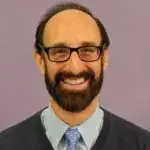
David M Yousem, MD, MBA
Professor of Radiology, Vice Chairman and Associate Dean
Johns Hopkins University
© 2026 Medality. All Rights Reserved.
