Getting Started in Leadership - How to Lead When You Aren’t in Charge, Dr. Frank J. Lexa (9-11-25)
HIDEInteractive Transcript
0:02
Hello and welcome to Noon Conference Co-hosted by Modality
0:05
and the a CR Radiology Leadership Institute
0:08
Noon Conference connects the global radiology community
0:11
through free live educational webinars that are accessible
0:14
for all and is an opportunity
0:16
to learn alongside top radiologists from around the world.
0:19
Today we are honored to welcome Dr. Frank Lexa
0:22
for a lecture entitled, getting Started In Leadership, how
0:25
to Lead When You Aren't In Charge.
0:27
Dr. Lexa is an academic neuroradiologist
0:30
and healthcare leader with a distinguished career in
0:32
medicine, business and international education.
0:35
He's held senior faculty
0:36
and leadership positions at multiple academic institutions
0:39
and has lectured globally on
0:41
healthcare strategy and leadership.
0:43
Dr. Lexa has authored over 175 peer-reviewed papers,
0:47
delivered more than 2000 lectures
0:49
and written the book Leadership Lessons
0:50
for Success in Healthcare.
0:52
He served on several key national committees
0:54
and task forces for major organizations in the
0:57
United States Radiology.
0:59
He currently serves as Chief Medical Officer
1:01
of the A CR Radiology Leadership Institute,
1:04
lectures in several top programs
1:06
and continues to advise healthcare ventures worldwide.
1:09
At the end of the lecture, please join him in a q
1:11
and a session where he will address questions
1:13
you may have on today's topic.
1:15
Please remember to use that q
1:16
and a feature to submit your questions so we can get to
1:18
as many as we can before our time is up.
1:21
With that, we're ready to begin today's lecture. Dr.
1:24
Lexa, please take it from here.
1:26
Thank you again, Ashley, for that very kind introduction,
1:29
and I want to thank modality for working
1:31
with us at the ROI on this project,
1:34
and a special thank you to my colleague, ERY Pasco, who, uh,
1:39
is an a CR staff leader in the Radiology
1:42
Leadership Institute.
1:43
So, as you just heard, we're gonna, uh, talk today about how
1:46
to get started in leadership,
1:48
and particularly the conundrum that many of us face in
1:52
our careers, particularly at the beginning
1:54
and in the middle of how to lead when you're not in charge.
1:58
I know that that sounds like it's almost like a,
2:01
a zen statement
2:02
because you, you really have to at times take the initiative
2:06
and start leading before you have a title,
2:09
and that's gonna be the theme of, uh, for today.
2:12
Um, and I'll just start with some advice from Hollywood,
2:16
and I won't ask for anybody in the, uh, chat to put,
2:19
put in the answer, but, um, this is from a Hollywood movie
2:23
and, um, this is real Power can't
2:25
be given, it must be taken.
2:26
Now, I'm not here to start a revolution,
2:28
and I'm not telling you to take over leadership positions
2:32
and kind of, you know, ERP them,
2:35
but it does reflect the notion that, you know,
2:38
leadership leaders need to start by trying to lead.
2:42
And in that sense, that's
2:43
what we're gonna be talking about today.
2:45
For those of you who didn't get the reference,
2:46
it's from Godfather Part three.
2:49
It's not the Best of The Godfather movies,
2:51
but it, the first two were, you know, iconic, um, you know,
2:55
pieces of American film.
2:57
So it's hard to compete with that, but it is a good tagline
3:00
and it does bear on, you know, observations that, you know,
3:04
I think we all make about good leaders
3:07
and how good leaders become better leaders.
3:10
And it's also a reference to this, that you shouldn't wait
3:13
until you really need to lead
3:16
before you start trying to lead
3:18
and learning about leadership.
3:20
So I'm a pilot and I'm one of the people who,
3:24
if they ever called, you know,
3:26
like they do in some Hollywood movies, is there anybody here
3:29
who knows how to fly an airplane?
3:30
I would actually be thrilled.
3:32
Now, this picture's obviously from a simulator,
3:34
because normally you wouldn't have a jet airliner at, uh,
3:37
two or 3000 feet here
3:39
with nobody sitting in either the pilot
3:41
or the co-pilot seat.
3:43
But you can imagine also how frightening that would be,
3:45
and that's how many people do feel when they get tapped on
3:48
the shoulder and are asked to take over a role,
3:50
whether it's joining the board of their private practice,
3:53
or it's becoming a medical leader in a hospital,
3:57
or becoming a division chief in your academic department.
4:00
And you shouldn't feel like, I have no idea
4:02
what all these controls are.
4:04
You should, you know, be able to step in
4:06
and kind of like getting tapped
4:07
by your coach to go into a game.
4:09
You should, you know, at least be ready.
4:11
You shouldn't wait until that happens.
4:14
And in my consulting practice
4:16
and I, I do, you know, do work with people who are leaders
4:19
who are struggling with issues
4:21
and groups that are struggling with issues,
4:23
and this should be a lifetime process.
4:25
But I've now helped a couple people who, you know,
4:28
found out, um, in one case with about three hours notice
4:32
that they were the new head of a practice
4:34
because something awful had happened
4:35
with their, uh, prior leader.
4:37
And, you know, that's not something you wanna have happen,
4:41
and it's really, you know, it's just, you know, trying to go
4:44
through the finances and the managerial issues, it's hard.
4:47
So this should be something that you start at the beginning.
4:51
And in smart companies
4:53
and in some other organizations, including the military,
4:56
people are always scouting to try to figure out
4:59
who are the young people who are promising,
5:01
who might be able to go into leadership
5:03
and then starting leadership,
5:05
then not starting it when they get, uh,
5:08
after a certain number of years in life
5:10
or years in your career, um, years in your department.
5:13
It should start at the beginning.
5:15
The quote at the bottom is one that's been attributed to me.
5:18
I don't remember saying it, but I am owning it now
5:21
because I think it is a important point
5:24
that in knowledge organizations,
5:26
and we'll come back to this in a moment
5:28
with some comments from a very famous knowledge leader,
5:31
that leadership is too important to be left just
5:34
to the people who have the leadership roles.
5:36
And that's true in most knowledge organizations.
5:39
In another career, I did a fair amount
5:41
of work in Silicon Valley,
5:43
and if you look at organizations that are in it
5:46
and other, um, you know, really cutting edge types
5:49
of organizations, people are making leadership decisions at
5:54
multiple levels in the organization
5:55
because they're moving fast,
5:57
they're moving into unknown areas,
5:59
and the person at the top can't be
6:00
the person who does it all.
6:02
So I hope that you'll understand
6:04
that this is an important thing that you should be doing.
6:07
Um, you saw a couple slides during the rollers
6:10
before I came on about the ROI,
6:12
and certainly one of the ways that I would encourage you
6:15
to look into getting leadership training, um, is
6:19
to take a look at our, our program portfolio.
6:21
Emory and her team have put together a fantastic, uh, set
6:24
of programs, everything from in-person to fully online
6:27
and fully asynchronous with focus, you know,
6:32
on different levels of your career,
6:34
different times in your career.
6:36
And I encourage you to take a look at this
6:40
and understand that one of the reasons why we need leaders
6:43
and why we need strong leaders to understand radiology is
6:46
that we are constantly being challenged.
6:48
And during the 10 years that I've had the, you know,
6:51
privilege of being the chief medical officer for the ROI,
6:56
um, the number of challenges has increased
6:59
and the intensity of some
7:00
of the challenges has have increased.
7:02
So this is a great time for you to become a leader,
7:05
and we need you to be a leader.
7:07
We're gonna come back to that too.
7:10
My goals, I've got a lot of goals for the next 40 minutes,
7:12
but I certainly wanna get rid
7:14
of some fallacies about leadership.
7:16
Um, there are a lot of misconceptions.
7:18
Many people who are in STEM disciplines
7:21
and related disciplines like medicine think
7:24
that they aren't gonna be good leaders.
7:26
And in fact, one of the things
7:27
that sometimes makes a great leader,
7:30
it is somebody who's an introvert.
7:32
Somebody who thinks, well, I can't be a leader.
7:34
I I wasn't a leader in high school.
7:36
I didn't, you know, do this
7:37
or didn't do that, which is all nonsense.
7:40
Um, introverts make better leaders than extroverts.
7:42
And that's been looked at, uh, by, you know, several,
7:45
you know, well-written academic papers, understand
7:48
how good leadership is the secret to the challenges
7:51
and crises that we face in 2025 and beyond.
7:54
We are gonna need good leaders
7:56
to bring us through these times.
7:59
I'm gonna review some common psychosocial hindrances
8:02
for why some people don't go into leadership who should,
8:05
and also why they sometimes drop out of leadership
8:08
because it is different than doing scientific research,
8:12
you know, working in the reading room.
8:14
And it's important that you get past those obstacles.
8:18
We'll talk about why good leadership skills
8:20
and team management are really gonna be essential
8:23
ingredients for your success going forward,
8:25
and also the success of the house of radiology as well.
8:29
So you're gonna help yourselves, but also help your brother
8:31
and sister radiologists.
8:33
We're gonna talk about a paradigm.
8:35
You know, sometimes I get asked, well,
8:36
how do I really get started, Frank?
8:38
How, how can I do my first project?
8:40
And I will give you, um, an example, um, of how you can do
8:43
that and how you can build a good team to do it.
8:46
And this is just from a book that had some, uh, you know,
8:49
you know, structured approach
8:51
to doing leadership, some additional goals.
8:54
Um, I'm gonna talk about who should lead radiologists by.
8:56
Now, you've probably figured out
8:57
that I think it should be you, it should be people
9:00
who understand medicine, people who've dedicated their lives
9:03
to doing, uh, medical imaging.
9:05
I would rather be led by you than led by somebody else.
9:09
And your choice, there's no middle choice.
9:12
You're either gonna be led or you're gonna lead.
9:14
And I would rather see you leading again than somebody
9:18
who doesn't understand what we do.
9:21
Um, again, we're gonna get rid of some common myths like
9:23
that somehow me, you know, leadership is in your genes.
9:26
It's not, there's a lot of terrible literature
9:28
that's outdated that talks about stuff like that.
9:32
But basically, leadership is something that you can do.
9:36
Um, when the answer for this, it's like,
9:38
when should you have planted a tree a while ago?
9:40
When should you have started getting in shape a while ago?
9:44
When should you have learned about the cranial nerves
9:45
before you sit down with me to read a case?
9:48
The point is, start yesterday.
9:50
If you can't do that, start today. Um, don't put this off.
9:55
Um, you'll have a happier,
9:56
more successful career the earlier you get started on this.
10:00
And again, it's a secret to the challenges we face.
10:02
And then we're gonna talk about the
10:04
how, how can you do this?
10:05
How can you get started? Now, I've already, you know,
10:10
put, you know, brought this question out,
10:12
but, you know, I have listened
10:14
to people not just in the United States,
10:16
but in several other countries as well, make statements
10:19
that radiologists should just stick to their,
10:22
and leave the business and leadership work to others.
10:24
And somebody came up to me one of the first times I, I spoke
10:27
outside the United States on this topic.
10:29
So thankfully this quote is from another country
10:31
because I think it's an embarrassing one.
10:34
But, you know, I sort of look at it
10:36
and I've named it, um, according to this industry.
10:39
Um, if you're a local boar
10:41
and you like to eat locally, one
10:43
of the things you can do in Southeast Pennsylvania
10:44
where I live most of my, um, most of the year, um,
10:50
this is, uh, one of our top agricultural products,
10:53
and it's one of the, um, top places in the US
10:56
for this agricultural pro product.
10:58
And for those of you who don't know what that is,
11:00
that's a place where you make mushrooms
11:01
and everybody knows that the way you make,
11:03
you keep them in the dark
11:05
and you put, well just be polite here,
11:07
but you put fertilizer on top of them.
11:09
And that's what I think that school is.
11:12
And I don't think that's the way we should be treated.
11:15
And I really think
11:16
that radiologists are more analogous to these kinds of people.
11:19
And if you've ever had the honor of meeting one
11:21
of these brave people, like the gentleman on the left who's
11:24
gone up into outer space,
11:25
or if you know anybody who flies airplanes like this,
11:28
you probably know that these people want to be led
11:31
by people like themselves in the US Astronaut Corps.
11:36
Whenever people are up there doing dangerous stuff,
11:38
there's one of them on the ground who access the
11:41
intermediary between the NASA administration
11:44
and the astronauts who are up there at the tip.
11:47
And same thing with fighter pilots.
11:50
If you ever have the pleasure of meeting the women
11:52
and men who do this, and I'm related to one person,
11:54
and I've had a bunch of them as Wharton students,
11:58
they're remarkable men and women,
12:00
and they're not gonna be led by somebody
12:01
who doesn't know what they do.
12:03
And I think it's critical that we should be led
12:06
by people who've, you know, been in the same place
12:08
as we've been at three o'clock in the morning, having
12:10
to make very difficult decisions.
12:14
And we also need you to be a leader
12:17
because radiology is being challenged.
12:20
And many of our crises are based on the fact
12:22
that many people in the government,
12:24
many people in the corporations
12:26
and administrations that we work
12:27
with don't really understand us
12:30
and aren't particularly sympathetic to, uh, where we are now
12:34
and probably aren't gonna be the best people
12:35
to take us into our future.
12:37
This list changes, at least in rank order every year.
12:40
Right now we have a, a rather significant labor crisis
12:43
where we have many jobs where are being unfilled,
12:48
and we only make a little over a thousand US radiologists a
12:52
year, and we can't meet the labor demand.
12:55
So we have a labor crisis.
12:56
All of you know about corporatization
12:58
and consolidation, um, ongoing processes
13:00
where intermediaries start to own us and run us.
13:04
Reimbursement continues to decline.
13:06
We sometimes have generational issues.
13:09
Um, AI is an interesting topic,
13:11
but it's often listed as a threat.
13:14
Burnout, one of the areas where I do a lot
13:16
of research is clearly a problem,
13:18
and it's related to many of these other issues,
13:20
and then issues of the changing demographics
13:22
of the United States and issues of equity
13:24
and justice for all of us.
13:26
So, you know, these are just some of the things that again,
13:30
we are being challenged with.
13:31
And many of these will only be solved, at least solved well,
13:34
um, if we have radiologists involved in the leadership.
13:38
Now, many times people just assume that somebody's a leader
13:41
because of, again, how they were born or their genes
13:44
or those sorts of things.
13:46
Um, but you know, when you really break it down,
13:49
it's really about what people do.
13:51
And being a leader isn't a role so much
13:54
as it is a collection of tasks.
13:56
And one of the things that we did early on in the ROI,
14:00
and I did this with Emory Pasco is, you know,
14:03
we really started to look at kinda like, what do we need
14:05
to teach people and how do we break this down into
14:08
manageable chunks?
14:09
And these are some of the things that we expect our leaders
14:11
to do and effectively do in a radiology department
14:15
or in a radiology practice.
14:16
And these are, you know, whether you like it
14:18
or not, they're all there and you have to do them all.
14:21
Um, one of the things that inter interestingly, some
14:23
of the people I've worked with are most resistant
14:25
to is the notion that they're a role model.
14:28
But in fact, if you want to lead radiologists,
14:30
they're always watching what you're doing,
14:32
and you have to walk the walk if you're gonna, you know,
14:35
tell people what to do.
14:36
So you have to be a role model as well,
14:38
but you break it down into the tasks that people have.
14:43
Now, other people have said this as well,
14:46
and I'm, I'm approaching this again from a medical
14:48
and from a radiology point of view,
14:51
but this is from a fairly famous, um, us, uh, writer
14:55
and, uh, philosopher educator.
14:58
Um, and, you know, I'll just, you know, quickly,
15:01
I'm not gonna read the whole thing, but just, you know,
15:03
again, this notion that leaders are born, not made,
15:05
it's just not the case and it's nonsense.
15:10
And you know, what they do is learned. It's not mysterious.
15:14
It's possible to describe the tasks,
15:16
and he's, he's saying it, you just break down the tasks.
15:19
And you know what, it, this is not something
15:22
that's one in 1% of the population.
15:25
Now, there's may be 1% of the population
15:27
that can compete in some events in the Olympics,
15:30
but these are widely distributed.
15:32
And so I think he's saying it very well.
15:33
And I would just say that even if you don't think you can be
15:36
a leader, if you are willing to try, you will probably be,
15:40
have the ability to become a good leader if you want to.
15:44
And if you ever have the privilege of talking
15:46
to somebody like this, um, they will, you know, tell you
15:50
that regardless of how much value they think
15:53
or other people think they bring to the organization,
15:56
they know that in a knowledge organization, like, you know,
16:00
for those of you who dunno who this is, this is Bill Gates.
16:02
And you know, as he built Microsoft, you know,
16:05
he will tell you that he had to find really smart people to
16:10
take care of all the tasks
16:12
and to really, you know, bring the organization forward.
16:15
You can't possibly do this in a directed fashion from above.
16:19
And I think sometimes people think that, you know,
16:22
in the organization where they are,
16:23
that it's like the military
16:25
and the general just gives orders and then things get done.
16:27
Even in the military, at least effective militaries,
16:30
you have to have distributed leadership
16:32
to make it effective.
16:34
And I've talked to many people in technology sector
16:38
and the biomedical sector,
16:40
and they'll be the first to tell you
16:42
that they have leadership at many levels
16:44
in their organizations.
16:46
And so the alpha leader isn't the only leader.
16:48
So even if you expect that your chair
16:51
or your practice leader is the person in charge, he
16:55
or she really needs your help,
16:56
and I'm sure would be willing to help
16:58
with delegating tasks to you.
17:01
Um, and again, in successful organizations,
17:04
you have distributed leadership.
17:05
It means you have more creativity,
17:07
you can move faster than if you're relying on one person
17:11
or a small group of people to make the critical decisions.
17:14
In some sense, in most organizations, most of the employees,
17:19
uh, are, you know, knowledge workers
17:21
and have something that's a, a leadership role.
17:24
Now, why do people not go into leadership?
17:28
Or why do people look at leadership and then turn away?
17:33
Well, one is this notion that's, you know,
17:35
something we see a lot in STEM professionals,
17:37
and I first heard this from some engineers in Philadelphia
17:40
and a special program that we had at Wharton, four people
17:44
who were in, you know, engineering.
17:45
And in, um, it is this notion, well,
17:50
I'm really good at what I do.
17:51
I'm really good at coding, I'm really good at chemistry
17:54
and radiology.
17:55
I may be great grades,
17:56
and we're really good at taking standardized tests.
17:59
I've done great research. I've got the most publications
18:01
and the most grants of anybody my age.
18:03
So I need to be the chairman because I'm qualified.
18:06
Well, these are all good things
18:08
and they're all important things,
18:09
but it's not the same as saying that you're the right person
18:12
to lead other people and do the tasks
18:15
that we just looked at.
18:17
And, but there is this notion like,
18:19
why do I have to climb another mountain?
18:21
And I, I took my boards, I passed my boards,
18:23
I did all my call, I did this, and I did that.
18:25
But it's really about doing something a bit different.
18:28
So some of the answers to this are,
18:31
and leadership is different.
18:33
And in fact, traditionally in US medicine,
18:37
we weren't really doing a very good job,
18:39
at least in my generation
18:40
of teaching people leadership early on
18:43
and getting people involved in leadership roles.
18:46
It's sort of just stick to your, stick to your work,
18:48
get your work done, and, you know,
18:52
leadership is different
18:54
and you do need to study it, practice it,
18:57
and like riding a motorcycle and not just talk about it
19:00
and read about it, but actually start doing it.
19:03
And it, it's kind of silly.
19:05
But just because again, because you are very smart
19:08
and you did well on one thing, doesn't mean that you're,
19:10
you know, just gonna naturally be able to do something else.
19:13
You have to study it and master it the same way
19:15
you did the first task.
19:17
These, it's the wrong question, it's the wrong answer.
19:21
And part of the solution here is to understand
19:23
that it takes time and it takes effort.
19:26
You can't wing it.
19:27
And if you try to wing leadership, you'll probably fail.
19:31
Um, you'll certainly stumble a lot until you figure it out
19:33
and get it right and you'll get frustrated and angry.
19:36
I've seen people fail at this,
19:38
and sometimes I share with them something
19:39
that a Navy seal shared with me, which is this notion that,
19:43
you know, you start slow and the slow smooth
19:46
and then eventually smooth becomes fast.
19:49
And that in this case, you want to try to do that
19:52
and take your time and actually study this
19:56
and, you know, get it right.
19:58
I've seen many chairs fail
20:00
because they're very comfortable writing grants,
20:02
but they just don't have the background, they don't have
20:06
the interest, and they certainly don't have the training
20:09
to do the leadership that, uh, you know,
20:11
complex department requires.
20:13
Another one is, you know,
20:15
how do I balance my success in the group success?
20:18
Many times in my generation, people were promoted
20:20
because they were very good at writing papers
20:22
and very good at getting grants.
20:24
It was about them, and it was very hard,
20:28
and in some cases impossible for them to sort of stop,
20:31
take a deep breath and say,
20:33
now my successes should depend on
20:36
how the group is succeeding,
20:39
and I'm gonna be measured by the section department
20:41
or group that you're leading.
20:44
And yet, if you look at how we continue to promote people,
20:49
it becomes a balancing act and it can be very hard.
20:52
And in the end, to be a good leader, you have
20:56
to put the group ahead
20:58
and, uh, particularly if you're gonna lead in the kind
21:01
of challenging situations that we're in.
21:04
And this transition is hard, psychologically challenging.
21:08
Um, many people are just too narcissistic
21:12
or too self-absorbed to be able to pull this off.
21:16
And we saw one, one place where they went
21:19
through several chairs and they kept hiring the same kind
21:22
of person over and over again who wasn't, you know,
21:26
a good fit for a leadership role,
21:28
but they were very good at killing rats and doing research.
21:31
And, you know, it was just sort of like some
21:33
of your friends, when you get to be my age, you see friends
21:36
who keep marrying the wrong person
21:37
and they keep marrying the wrong man or woman.
21:40
And there's remarkable similarity between the three
21:43
or so who didn't work out.
21:44
Same thing can happen here,
21:46
and it's important that you understand
21:48
that great leaders should be judged
21:50
by the performance of their teams.
21:52
It's gonna take time away from stuff
21:53
that's about personal promotion.
21:56
You have to have some selflessness,
21:58
and it won't happen if you're a narcissist.
22:00
You have to delegate, you have
22:01
to let other people take the credit.
22:03
And if it's all about you, then, you know, being the leader
22:06
of an organization of 50, a hundred
22:08
or several hundred people probably isn't a good fit for you.
22:11
Another one that we all have,
22:13
and this can happen whether you're a leader or not,
22:15
but it's something that drives people out of leadership, is
22:19
that, you know, first of all, you get, get rid
22:22
of the illusion that even when you're a big leader,
22:24
you still answer to somebody.
22:26
And maybe Vladimir Putin doesn't answer to anyone,
22:29
but the rest of us are always in
22:31
kind of a sandwich or a vice.
22:32
No matter how much leadership, you know, you get
22:36
and you have, um, whatever number of people you have
22:40
underneath you, there's always somebody
22:41
above you that you're answering to.
22:44
And if you have a difficult boss,
22:46
somebody who's impossible makes your life miserable.
22:49
Um, first step in handling the situation is to make sure
22:53
that you're not the cause.
22:55
And if you're not the cause then understand
22:57
that it's their craziness.
22:59
But these are hard situations,
23:02
and if it helps you, there are people
23:04
who have written a lot about toxic bosses
23:07
and toxic situations, it's helpful to know
23:10
that you're not the only person.
23:11
There's even a taxonomy of this where you can look up
23:14
and, you know, there are, you know, five, 10
23:16
or more categories of kinds of people who are, you know,
23:20
not doing a good job as leaders,
23:22
but sometimes you have people
23:23
who are disorganized and decisive.
23:25
They waste people's time, they can't make a decision.
23:28
They undermine, they take credit for other people's work.
23:32
And at some point you have to figure out
23:35
and at least have sort of a, you know, moment of reflection
23:40
and understand that you at times can't solve these
23:43
situations by working harder.
23:46
Um, if you're not the problem, then you can't, you know,
23:51
and you, you the other part person has to be fixed, not you.
23:54
So working harder, working longer,
23:57
changing yourself isn't the answer.
23:59
You try to help them try to set limits.
24:02
But you know, I have at times advised people that it's time,
24:07
you know, you may need to move to a better situation.
24:10
One of the best books on strategy that I've ever read,
24:12
I think it's one of the best books on strategy ever written,
24:15
is by Sun Sue in the Art of War.
24:17
And he has a class of situations he calls deadly Ground,
24:20
and that's where the only solution is to withdraw.
24:24
Sometimes you cannot win,
24:27
and the best thing you can do is to move on
24:31
and move to a place where you can win.
24:34
And, you know, if you go to, to business school
24:37
and using different words,
24:38
they will describe exactly the situation.
24:41
And smart people, you know, don't stay at a place
24:44
and bang their head against the wall.
24:45
It's a form of insanity, and you just have to move on
24:49
and move to a different place.
24:51
Another thing that we run into a lot is this
24:53
culture of perfection.
24:55
And these are, you know, three fairly obvious, um, you know,
25:00
neuro radiologic exams.
25:02
Um, when I started in neuroradiology, we didn't do
25:06
what we do now, which is we welcome everybody into the
25:08
fellowship, tell 'em how smart they are
25:10
and how they're way smarter than we were when we, you know,
25:14
got, got neuro fellowships
25:17
and you know, throw a party for them and all that.
25:20
Um, I basically started,
25:22
and, you know, on the first day, um, one
25:25
of the attendings came over
25:27
and said, you know, if any of you miss any
25:29
of these three things, and these are actually the three
25:31
things that they mentioned and not the same pictures,
25:34
but you know, if you miss one of these,
25:37
then your continuance in the neuroradiology fellowship will
25:41
be in question kind of a, a little speech.
25:44
And so everybody knows this is blood in the head,
25:46
a c-spine fracture
25:48
and, uh, pretty nasty form of herpes encephalitis,
25:51
but missing things is, you know, a big deal.
25:55
We don't want to be missing things,
25:57
but it also means that it can paralyze leaders.
26:00
Leaders are never perfect
26:01
and honest leaders will tell you
26:03
that they never get it completely right.
26:06
If you meet a leader who says they're always getting it
26:08
right, they're probably not trying to do very much.
26:11
Um, and they're probably not the kind of people
26:14
who can lead you through a difficult time,
26:16
because when things are changing, you have to take risks
26:19
and make difficult decisions.
26:21
But we feel like we need to be, if you feel that you need
26:24
to be perfect, and you know,
26:26
we certainly never wanna miss any of these things.
26:28
Um, we want to read perfectly,
26:31
but you cannot lead perfectly.
26:34
And we are are in a culture of perfection,
26:36
radiologists even more so
26:37
because there's always a permanent record of anything we do.
26:41
So it makes it a, a, you know, stressful, challenging job.
26:46
And it even is this kind of a strange thing.
26:49
And, you know, you can sort
26:50
of be like an air traffic controller
26:52
or some other, other people who are in this category of
26:55
that we're invisible until we have make a mistake, is what
26:58
that acronym's play more polite way of saying that acronym.
27:02
And because of that, it's stressful
27:05
and people are afraid to make mistakes,
27:08
but leaders will make mistakes.
27:11
And it, you know, we're, you know, we're don't want
27:15
to do anything wrong.
27:16
We don't want to be responsible for a mistake.
27:18
You know, our mistakes are serious.
27:22
We're always striving for perfection.
27:24
And they're like some of the engineers who I've worked with
27:26
where they'll say close enough isn't good enough,
27:29
and if they make mistakes, bridges fall down, cars crash,
27:32
airplanes come out of the sky,
27:34
and that bad things happen With leadership, it's even worse
27:38
because it's also not that easy to measure.
27:42
And whenever somebody tells me about, well,
27:45
what do you think about the leadership of so-and-so
27:47
and him or her?
27:49
Um, it's usually somebody in academics.
27:51
And I usually tell people I haven't walked in their shoes.
27:53
I don't know all the details
27:54
of why they made the decisions they made.
27:57
And I think you have to cut them some slack.
27:59
You also have to allow sort of a tincture of time, um,
28:03
because sometimes leaders have to make decisions
28:05
that in the short run are very difficult and hard,
28:08
but might have good long-term outcomes.
28:10
So be careful. Um, people tend to be very judgy.
28:14
And no matter what you do as a leader,
28:17
somebody's gonna criticize you.
28:19
And if you make the people above you happy,
28:21
you may be making decisions that hurt your radiologist.
28:24
So you're also, again, kind of, again, in that sandwich
28:27
where you have people above and below you.
28:31
And certainly the ways that I tell people
28:33
to push back on this is that, you know, understand
28:37
that you're gonna be judged
28:39
and you're gonna be judged harshly.
28:41
I've, you know, had people get mad at me about
28:43
decisions I've had to make.
28:45
Um, but part of the answer is, is to get good training so
28:48
that you know more about good leadership so
28:50
that you can justify your leadership.
28:52
You also need to get good mentors
28:54
and build a peer network so that you can rely on each other.
28:57
And perhaps in a future lecture we can talk about it.
29:00
I like Lincoln's quote, which is, you know,
29:02
focus on the outcomes rather than the decisions.
29:05
You know, and success forgive many mistakes.
29:07
And so if you succeed, um, you know,
29:11
people will let the small things go that, you know,
29:14
they thought were bad, things that you had done,
29:16
bad decisions you had made.
29:18
You're also, again, serving multiple masters.
29:20
And again, for many of us, the ability to just focus on
29:25
the cases in front of you is much, much simpler role
29:28
during the course of a day.
29:31
And I had the privilege of serving with, uh,
29:33
someone who's one of, I think one
29:35
of the best leaders in US radiology that worked.
29:38
And it was funny how sometimes he would say, um, Frank,
29:42
some days I'd rather not be a leader.
29:44
I'd rather just read the cases.
29:46
So when you're out out there,
29:48
you're serving multiple masters,
29:49
you gotta balance the needs of a lot of people.
29:52
And sometimes they're competing people in groups.
29:54
So you can't make everybody happy. But how do you do it?
29:57
Maintain your focus. That's one
29:58
of the key things in leadership.
30:00
First things first, and try to keep the long-term success
30:05
of the people you lead in mind.
30:06
Try to take the best care of your radiologists that you can
30:10
also take time to listen carefully.
30:11
Because sometimes if you listen to these other parties, many
30:14
of them are talking about short-sighted, um,
30:17
rather parochial ideas.
30:19
And maybe you can come up with ways to help all of 'em
30:22
and come up with more creative decisions.
30:25
And, you know, be clear
30:27
and transparent with your colleagues when you have
30:29
to make the hard decisions.
30:30
If you can tell people you're, we're gonna have
30:32
to work harder, we're gonna have to wait another year
30:33
before we get our new equipment.
30:35
Just be clear and transparent.
30:38
Um, also, you have to be able to manage up.
30:41
It's not enough to manage the people underneath you
30:44
or manage the people who are your peers.
30:46
You also, again, part of the answer
30:48
to a toxic boss sometimes, or somebody who's not so toxic,
30:51
but just somebody who can needs help is manage up
30:55
and you negotiate.
30:57
Try to understand the position that your leader's in be,
31:01
you know, share your challenges.
31:02
Um, here is why we need this. Here is why I need this.
31:07
Um, there's a colleague at Wharton
31:10
who wrote a whole book about saying no.
31:12
And sometimes, you know, you have to say no,
31:15
or sometimes you have to say, I would love to do
31:18
that project, but I have to wait
31:20
until I get these other three projects done
31:22
before I can do that.
31:23
Like, write that paper, do that research.
31:26
And you know, one of the things we do in the RI is we teach
31:28
people how to write a business case so that, again,
31:30
you can justify things
31:32
and things like, you know, how do we get people
31:35
to do their nonclinical tasks
31:36
and how do we, um, treat them fairly with time
31:40
and money when they're doing things that are just
31:41
as important than RVs,
31:43
but we're dealing with an administrator
31:45
who may only understand RVU and not the rest of what we do.
31:48
Now I'm gonna close by talking about how we do this.
31:52
Now, this is a great title for a book.
31:54
Unfortunately it was a terrible book, terrible idea.
31:58
It was basically a blueprint for the Soviet Union, one
32:00
of the worst ideas that humans have had in
32:03
the last couple hundred years.
32:04
But, um, it's a great title. So I'm gonna borrow it.
32:08
And if you ask me, well Frank, how do I do my first project?
32:13
Um, you know, we have a project here
32:15
where we're gonna change how we, you know,
32:18
are running our schedule, gonna change
32:21
how we manage our radiologists and that kind of thing.
32:25
I usually tell people first, build a good team.
32:28
Leadership by definition means you're leading other people.
32:32
And to really make significant good changes in an
32:35
organization, you usually need a team.
32:38
And if I'm sure
32:40
that everybody who's on this call could sit down in,
32:44
in 10 minutes, fill a couple pages with things
32:46
that could be better in your institution, if you can't do
32:50
that, then send me an email.
32:52
'cause I would love to come and work in your place if it
32:53
really doesn't have any issues.
32:55
'cause all of us, I think, see things that could be better,
32:59
but you're gonna need help.
33:01
And I like to have, you know, a elite team, kind
33:05
of like a mission impossible team where people have,
33:07
you know, lots of skills and can be helpful.
33:10
You want it to be a high functioning team
33:13
and you know, you certainly don't want a team
33:15
that's dysfunctional.
33:17
And also make sure that you work on important projects.
33:21
You know, life is short, so you should try
33:23
to do important significant things when
33:26
you're doing project work.
33:27
Project work is going to eat up some time.
33:29
So again, focus on things that are really important.
33:32
When you lead a group, you want to get the right people.
33:35
Every business book starts with
33:37
that in the first chapter is get the right people.
33:39
Pretty obvious. Um, one
33:42
of the books talked about getting the right people on the
33:44
bus, getting the wrong people off the bus.
33:46
Um, if you don't have choices, if you're sort
33:49
of having an assigned group of people to work with
33:51
and you're not getting to pick them, then certainly try
33:55
to fix and optimize the people you have and be a role model.
34:01
And that's part of what you do as a leader.
34:03
And whether it's safety, quality, operational excellence,
34:06
just be the leader.
34:08
Second, again, evaluate these projects for value.
34:13
And particularly when you have something
34:14
that's particularly challenging.
34:15
And right now we have a labor crisis.
34:18
Um, just focus on what's urgent and important.
34:21
You know, you know, limit, you know, you have limited time
34:24
and resources, so you may want to shelf some other things so
34:28
that you can figure out how you can recruit and retain.
34:32
Um, if you're going having the pleasure
34:34
of switching over a PAC system
34:36
or an EMR system, make sure that you have plenty of assets.
34:41
And, and don't underestimate how hard that can be.
34:45
I've lived through a couple of those and there are no fun.
34:47
So just make sure
34:48
that you're focusing on the things that matter most.
34:51
And then you have the, you know, resources that you need.
34:54
Um, and if you're gonna do a paradigm for this,
34:58
this is a little book.
34:59
It's not my book, but it's a very good book.
35:02
It's short, it's to the point.
35:04
Roger Fisher, they're, they're both great authors
35:06
and they're both very, very smart people.
35:09
But you know, here's a good way to sort
35:11
of do project leadership.
35:12
Now they, they put it in terms of sometimes of crisis,
35:15
and they have some examples from some crises.
35:17
Roger was a very famous negotiator, negotiated some
35:20
of the nuclear arms limitation talks
35:22
between the US and the Soviet Union.
35:24
But, um, you can do this with anything,
35:27
and it's starting with purpose
35:28
and then working through thinking, learning,
35:30
engagement and feedback.
35:32
Very simple, but very powerful.
35:33
If you follow the paradigm
35:35
and with purpose, it's really having a clear aim
35:38
that's specific and quantifiable.
35:40
One of the things from the business literature is,
35:42
is this acronyms, you know, specific, measurable,
35:45
attainable, realistic, and timely.
35:47
If you can make even most of these, let alone all of 'em,
35:51
then you've got a good project.
35:53
Some examples, you know, be a good radiology department.
35:57
It's actually a bad purpose
35:59
because what do you mean by good?
36:01
And how are you gonna measure good?
36:03
What are you gonna do to be good?
36:05
It's, it's not formed
36:07
and you really need to go back
36:08
to the whiteboard and work on that one.
36:10
Improve our IT systems still not great.
36:12
Um, at least you're focused a little bit more,
36:15
but you really need measurable, you know, elements.
36:18
Get the stroke alert readings in line
36:20
with national time standards, that's a lot better.
36:23
And improve the retention of radiologists. That's good.
36:26
That's also critical.
36:28
So, but you wanna make sure that you meet as many
36:30
of these attributes as you can then think,
36:35
and that is not a misprint up there.
36:37
The first couple times I had this slide up,
36:39
people kept wanting to correct it.
36:41
Um, but that's from, uh, an attending,
36:43
a nephrology attending I had when I was working in the ICU
36:46
as an intern in the Brigham.
36:49
And he just said, don't just do something stand there
36:52
because we get into these algorithmic responses,
36:54
these reflexes,
36:56
and it's what, uh,
36:58
Nobel laureate called the fast thinking form of
37:01
how we use our brains.
37:03
And sometimes you need to use the slow pathway
37:06
and really rethink this.
37:07
Uh, do we really understand what's going on here?
37:10
And think carefully.
37:11
Don't just come up with easy solutions,
37:14
but think hard about better solutions.
37:15
Things. Who, who's gonna help you think
37:18
how you're gonna do the measurable part of the work,
37:21
how you're gonna implement it
37:23
and think if you have the right expertise,
37:25
do you have the right people understand operations
37:28
and it to really do what you need to do?
37:32
Um, any project you do in leadership should
37:35
have a learning component.
37:36
And by this I mean that you pay attention
37:38
as you implement the changes in the project
37:41
and look really carefully.
37:43
One of the things that happened with an early project
37:44
that I did in Philadelphia where we were trying
37:47
to get our stroke, um, turnaround time under control,
37:51
is we did a great job of streamlining
37:54
and transport and communication.
37:57
Um, what we didn't expect was
37:59
that once we were really doing strokes very quickly, um,
38:03
the incidence of stroke in Philadelphia skyrocketed
38:06
because people in the ED said, well,
38:08
we'll just make everything a stroke,
38:09
or at least we'll make a lot more things strokes.
38:11
So you wanna watch out for that, watch out for expected,
38:14
unexpected results
38:16
and make sure that you're not, you know,
38:18
having any unexpected, um, types of outcomes
38:22
where the re we're tying up resources.
38:24
So now we're slowing down things elsewhere.
38:27
And many times the answers to these projects aren't
38:30
so much in the radiologists.
38:31
You know, telling the radiologists just to read faster,
38:34
giving them rewards for read faster, reading faster.
38:37
Many times it's about communication, it's about transport,
38:41
it's about, uh, technologists, um, being in a, you know,
38:45
aligning with what we're trying to do.
38:47
So just think widely.
38:48
Don't just, you know, come up with a simplistic solution
38:51
that only addresses a tiny part of the matrix.
38:55
Uh, with regard to engagement, you really want
38:57
to get your team engaged.
38:59
If you need help from good people,
39:00
you need to get them excited.
39:02
Try to get the right people again, try to get them motivated
39:07
and assign roles and tasks to them.
39:10
Finally, in every one of these projects,
39:12
if you're gonna be a leader, um, your leadership job,
39:16
your leadership role will be to do more things.
39:20
You're not just gonna do one project and then call it quits.
39:23
So always do something afterwards to analyze what you did
39:27
and figure out what worked and what didn't.
39:30
And the military, they call this an after action analysis.
39:33
Um, did you have the right people?
39:36
Um, and if you did, then make sure you try to keep them
39:40
and get them involved in the next project.
39:43
Figure out what you did well and figure out what went wrong.
39:48
Um, if you're honest, you know, projects, sometimes you kind
39:51
of bump along and you figure it out.
39:55
And don't be afraid to use 360 degree feedback,
39:57
because many times, again,
40:00
it's not just the radiologists who are gonna be involved.
40:02
And in the very first leadership project that I did
40:05
as a young faculty person, um, the,
40:10
the team was actually very diverse.
40:12
And some of the best stuff
40:13
that we got came from the ICU nurses
40:15
for a project we were doing on, uh,
40:17
carotid Endarterectomies of Penn.
40:20
So just, you know, make sure
40:22
that you're looking at everybody and listening to everybody
40:24
and looking widely now how to succeed as a leader.
40:28
And I'm gonna, you know, close things up
40:30
so we can turn it over to you
40:31
for questions in a couple minutes.
40:33
But always, you know, be willing to start leading
40:36
before you have to, and to really start with leadership
40:40
and start thinking like a leader and acting like a leader.
40:43
Even if you're not not really interested in ever having like
40:48
an alpha role, like being the the chair,
40:50
um, you'll be happier.
40:52
You'll get your department to work better.
40:54
Um, make sure you manage yourself first
40:56
in challenging situations.
40:58
Um, if you're being told you have to produce more RVs
41:02
and you, you know, you're upset, um, figure it out
41:07
before you talk to your team about it.
41:08
Uh, 'cause you have to manage yourself and stay focused.
41:12
Build a great team. Um, when you have a plan, use it,
41:16
but also improve it.
41:17
Um, most people will tell you people
41:19
who do high level planning that plans are a starting point,
41:23
but they're not an end point.
41:25
And having, you know, having a plan isn't as important
41:29
as doing the planning.
41:30
And I think it was Eisenhower who said that,
41:33
and I am obviously a great planner, one
41:35
of the great strategists in US history.
41:38
Um, but he said that the plan itself wasn't what was useful.
41:42
What was useful was the planning
41:44
and the process so that when things go wrong,
41:46
you've thought about it.
41:48
And yeah, the plan has to be changed,
41:50
but you change it quickly and you move forward quickly.
41:54
Uh, don't be afraid to lose a small fight again.
41:57
Like Lincoln's quote, what matters is succeeding.
42:00
Another quote from US history from a different US president
42:04
is, it's a, you know, good bar bet.
42:07
Um, George Washington lost more
42:12
battles than he won.
42:14
So, you know, if you look at him like a sports figure,
42:18
he was actually a loser.
42:19
But what mattered is that he won the war.
42:22
And, uh, that's what you remember,
42:24
but you don't remember that he lost a lot
42:26
of battles along the way.
42:29
And as a leader, this will be,
42:34
you know, again, not something
42:36
that works in a culture of perfection.
42:38
If you are afraid to lose, you're not gonna win.
42:41
And you have to be willing to take risks in order to win.
42:45
And you should plan to lead and you should learn to lead.
42:49
And and my conclusions, uh, here, understand
42:53
that you can and should be a leader.
42:55
And I really hope that most of you, all of you decide
42:59
that you know, you'll get interested in doing leadership.
43:02
We need you, um, us radiology needs you.
43:05
Um, it is not something that you were born
43:08
with that is an illusion.
43:09
Now, some people are born wanting
43:11
to be leaders without getting into the details,
43:14
you can already imagine what I'm about to say.
43:16
And sometimes the people who want
43:18
to be leaders aren't the people we want as leaders.
43:20
And that many people around the world
43:22
who are currently leaders are terrible leaders
43:25
in some cases, awful.
43:27
And that, you know, this is something that you can do
43:30
and you can be a good leader
43:31
with the right training and experiences.
43:34
And if people want to be leaders, the ROI can help you.
43:38
Um, projects are opportunities
43:41
and these are ways to get involved in leadership,
43:44
make things better, and develop leadership skills.
43:47
So that's why I included that as a paradigm
43:50
for what to do next.
43:51
It's not just to read a book,
43:53
it's to go out and do something.
43:55
And with all of this, and I I say this to my residents
43:58
and fellows regularly.
44:00
I occasionally use this in my RLI talks.
44:02
Just remember the oath you took
44:05
and I, I said the Geneva, uh,
44:07
declaration when I graduated from medical school,
44:10
Hippocratic Oath, whatever you said, make sure
44:13
that your plans for leading are true to that
44:17
and you take good care of your patients, take care
44:20
of yourself and your team.
44:22
And with that, I'm out of time
44:24
and uh, that's me at Wharton with the person
44:27
who invented my computer.
44:28
That's Steve Wozniak. That's my personal email.
44:32
And again, thank you for your attention.
44:33
Thank you to modality
44:34
and thank you to the ROI for putting this together.
44:37
So thank you. And I'm gonna stop the screen
44:39
sharing at this point.
44:42
Excellent. Thank you so much Dr. Alexa for that lecture.
44:44
We will now open up the floor for some questions.
44:48
As a reminder, you can submit your questions through that q
44:51
and a feature so that we can get through as many as we can
44:55
before we need to close.
44:58
Dr. Alexa, can you see the q and a box
45:00
or would you like me to read them
45:02
to You got a couple in there already.
45:04
Um, I would ask you to, um, read them to me
45:08
because I just see the, um, materials
45:11
that were in there before we started.
45:13
I'm not seeing what's coming up that's new, so, gotcha.
45:16
Yeah, please go ahead and start. Yeah,
45:17
No problem. Okay.
45:18
Um, how do you deal with a younger immature supervisor
45:23
who is impolite disrespectful towards you?
45:29
Well, I guess it first depends on whether
45:31
or not they're a radiologist or not,
45:34
but certainly understand that,
45:37
you know, whatever age you are.
45:39
And, and in my position, I'm older than most of the people
45:42
who I interact with and work with.
45:44
'cause I think I'm officially the oldest person in the group
45:48
that where I'm working is you.
45:51
I guess you have to be patient.
45:53
Um, if they're being difficult with you, I would,
45:58
you know, be slow to anger with that.
46:00
If they're being difficult with other people, then I might
46:06
talk to them about it and or escalate it.
46:09
If I had to, as an example, we had somebody
46:13
who was immature who was not a radiologist.
46:16
And this is what I'm visualizing here, who told
46:19
my chief resident that she thought that
46:25
the residency program at the place
46:27
where I was at the time was kind of a, a waste of time
46:30
and money and we should get rid of it.
46:33
Um, I did not hold back
46:36
and I took that person aside
46:38
and explained how important it was that we have a residency
46:41
and that you shouldn't say things like that to,
46:44
you know, our residents.
46:47
And you know, if you, if you don't, you know,
46:51
become more mature
46:53
and you don't learn how to be professional,
46:55
I think is the term that I used.
46:57
Um, you know, I'll, you know, you know, discuss this
47:00
with people who you work for.
47:02
And that helped 'cause I, I think nobody had stood up to her
47:06
and she was kind of bullying other people,
47:08
including our chief resident.
47:10
But I think with many of these people,
47:11
it's a matter of education.
47:13
You have to understand that some people in hospital
47:15
administration really care about medicine
47:17
and care about the health and the patients
47:21
and some people don't.
47:23
And if you're stuck with one of those people,
47:25
I would say try to bring them up to speed, try to be patient
47:30
and you might talk to your supervisor
47:33
and have that person talk to that other person's supervisor
47:38
in the sort of diadic relationship
47:39
that we have in hospitals.
47:41
You can do that, but I would certainly make people aware
47:44
that this is going on.
47:45
I talk to maybe the person who supervises you.
47:50
Excellent. Um, this might be a steamy question.
47:53
As a leader, how do you suggest dealing with
47:57
romantic relationships in the department
47:59
or conflicts of interest
48:01
or any of those other sticky situations?
48:03
Oh gosh.
48:05
Well first I guess you have to ask like
48:08
what are your local HR rules?
48:10
Um, and as a leader you have to follow the rules
48:15
and guidelines of your institution.
48:17
If you disagree with them,
48:18
then you need to get them changed.
48:20
So part of it is, you know, I don't agree
48:23
with every law in the United States, but I follow 'em
48:26
and then I try to vote for people who will change 'em.
48:29
Um, in this case, romantic relationships in some places have
48:33
to be openly declared in some places.
48:36
Some of them are illegal
48:37
or at least you will get into trouble if you get involved
48:40
with people who are in different parts of the organization.
48:44
And some of the places where I've worked, if you are a paid,
48:48
um, healthcare provider, you're not allowed
48:52
to have a romantic relationship with somebody
48:54
who is paying tuition to the institution.
48:58
So I would, you know, check that.
49:00
Um, I would also look at what policies are in place
49:04
and then ask yourself if you agree with 'em, if you disagree
49:09
with 'em, whether it's romance
49:11
or other sticky things, um, then I would suggest
49:15
that you work to get them changed.
49:18
Because to be honest,
49:19
in many places people don't know these things.
49:22
And in one place we had to tell somebody, you know, the fact
49:25
that you two are dating, you have to go and tell hr.
49:30
Um, it's not me telling you to do it.
49:32
It's that that's just the rules here.
49:34
Those are the rules here. Um,
49:36
and it certainly does make things sticky
49:38
because if you're in a position to grade someone,
49:41
if you're in a position to promote someone
49:45
in your institution, there are all kinds of, you know,
49:49
there's all kinds of scrutiny that you have to abide by.
49:52
But, you know, perhaps if there's another example
49:54
of a different situation, I can expand on that.
49:59
Excellent. Okay.
50:03
How would you approach leadership teaching
50:05
and personal career development as a junior radiologist
50:08
and a busy practice in the public sector?
50:13
Okay. Um, well it sounds like you're, you're very busy.
50:18
So I would say that I would look for ways to
50:24
lead at work so that it's part of your job description
50:27
because it sounds like you don't have a lot of free time
50:30
and you're pretty busy and you're junior.
50:33
Um, if you're asking about education, I would certainly
50:37
shamelessly promote the RLI here
50:39
because one of our missions is to try to make this as easy
50:44
for time starved individuals like you as we can,
50:47
and also make it as inexpensive as we can.
50:50
'cause we know that you're probably juggling a lot of things
50:52
and working hard and you might have even have some
50:55
educational debt that you're still dealing with.
50:58
Um, but I would try to actually start leading at work
51:01
and try to take on roles.
51:03
One of the things I didn't mention in the talk,
51:05
but I'll mention it here, is that for many radiologists
51:09
being told to be on a committee is about as much fun
51:12
as finding out you need root canal.
51:14
They don't want to serve on committees, they want
51:16
to be on the hospital committee that does this
51:18
or that, uh, don't want to be part
51:20
of an institutional wide promotion committee
51:22
or that kind of thing in an academic center.
51:25
But if you talk to my Wharton students
51:27
and I, I taught there for 17 years, the one
51:30
of the first things they do when they arrive
51:33
in a new job is they find out when the meetings are
51:37
and they make sure they get invited to the meetings
51:39
and they make sure that they're seen in the meetings
51:42
and they make sure sometimes to a fault
51:44
that they say something in the meeting so
51:46
that they will be remembered
51:48
because they understand that meetings are how humans
51:51
do leadership work and strategy and things like that.
51:54
So I would encourage you to get involved with committees,
51:58
get involved in projects, um,
52:03
get more visibility so
52:05
that your leadership starts where you are.
52:09
So it's not, you go off for two years to a, a,
52:11
a fly in MBA program, but you start learning where you are.
52:15
And again, some of the resources that the RLI have are about
52:19
as easy as it can be to at least get your toe in the,
52:22
in the pool and get started.
52:28
Thank you. Okay.
52:33
Alright. This is a good one.
52:36
How do you lead and build yourself
52:37
to become someone people can look up to without
52:41
being portrayed or feeling arrogant by the team?
52:47
Well, I guess it depends a bit on you and on the team,
52:50
but I think that there's several things you can do
52:55
to quietly build confidence, you
53:00
know, from other people.
53:03
So part of it is leading by example, as I mentioned earlier.
53:07
So if you want to be trusted with, let's say,
53:10
doing a project that involves quality and safety.
53:13
So these are important projects, they're sensitive projects
53:17
and they're projects with trade-offs.
53:20
Um, first of all, I, I think you should be a good listener.
53:25
Listen to the people who you want to respect you.
53:30
Um, be a good listener, talk to them, understand
53:36
what their issues are.
53:38
Um, I think one of the worst things you can do,
53:40
and it's kind of one, one of the advantages
53:42
of being an introvert is that introverts tend
53:45
to be better at listening.
53:47
Um, even though e and extroverts can be very good at
53:50
pretending to listen to you, they're often the people
53:52
who are just sort of waiting until you stop talking.
53:57
And then they want to tell you,
53:58
well, lemme tell you about me.
54:00
And I think that if you want to build, you know,
54:02
build yourself up without looking arrogant versus you don't
54:06
need to be arrogant and arrogance is, is off-putting,
54:09
particularly to radiologists and other STEM people.
54:13
It's one of the things that turns us off to leaders,
54:15
but listening is important.
54:17
I think, you know, strong coherence, you know, if
54:22
if everybody's gonna have to work harder, then
54:25
you should be one of those people.
54:26
If we're all gonna have to pitch in more,
54:28
then you should be pitching in, um, leading by example.
54:33
In one military situation, I don't know,
54:37
I don't wanna mention which one it is,
54:38
but one of the mottos of that military is
54:42
that leaders say, follow me.
54:44
You know, they go first
54:47
and you know, you follow them, they lead by example.
54:51
So I think that's part of it.
54:52
I think it's also showing an interest in the project,
54:56
showing an interest in the people who are on the team.
55:00
I think that's how you can be a leader
55:01
without being arrogant.
55:02
And I don't think that arrogance really has much of a role.
55:06
Um, it, it's very off-putting.
55:08
And I think that if you, you know, follow these other ideas,
55:12
these other things I just suggested.
55:15
That's a way where people will just sort of,
55:17
you'll become the person they gravitate to,
55:20
that you'll be the person they confide in,
55:22
you'll be the person they can trust to be a leader.
55:26
And one of the issues that many
55:27
of us have in the hospital situations we're in
55:30
is lack of trust.
55:31
So I would start with some of those things.
55:34
So I hope that answers your question.
55:36
That's a great answer. Alright, let me do one more here.
55:43
Um, oh, this is a good one.
55:46
If you work remotely as a tele radiologist
55:49
and wanna gain leadership skills, what are the ways
55:51
to build more confidence for leadership, you know,
55:53
when you're just by yourself at home?
55:57
Oh, that's a, that's a great one
55:59
because in the midst of COVID,
56:01
I started doing more work from home
56:03
and I found it very hard to be disconnected.
56:06
Um, but, you know, you can do many
56:10
of the things we just said remotely
56:12
and during COVID we had to learn how to do that a bit.
56:16
Um, I would certainly encourage you as a tele radiologist
56:22
to, and, and we had a tele radiologist
56:24
who won our teaching award at Pitt.
56:27
Um, even though she was, most
56:29
of the time she was in Seattle.
56:31
So, but she's a great teacher
56:33
and she really learned how, you know,
56:35
and really made an effort to do great teaching remotely.
56:39
Same thing. Um, if meetings are still being held remotely in
56:43
your hospital or they're mixed, they're hybrid.
56:45
So some people are in a room, other people are remote.
56:48
Just make sure you're on those meetings,
56:50
make sure you're contributing, make sure you make an effort
56:53
to get to know the people.
56:55
And these are all challenging. I, I find it very hard
56:58
to be remote and do the Neurotrauma conference
57:01
because I'd much rather be in the room hanging out
57:04
with the people who are there and having coffee with them.
57:07
But at least make telework as much as you can
57:11
if it's possible in your job situation,
57:14
if you can even be a little bit hybrid instead
57:17
of fully remote.
57:19
But just occasionally, occasionally be there in person, um,
57:24
that will, you know, help you tremendously.
57:26
But if you are fully remote, I would just, again,
57:30
do the 110%, try to be at more conferences, try
57:34
to really work the system so
57:36
that it works well in conferences
57:38
and teaching and that kind of stuff.
57:41
And there's no reason why you can't be on a board
57:44
or be on a committee and be remote as long
57:47
as you're not the only one who's remote.
57:49
And in these days, even the people
57:51
who are three miles away from the hospital may be
57:53
doing it on Zoom or teams.
57:57
Well, thank you Dr. Alexa.
57:58
I think we'll wrap, wrap up with that one.
58:00
Thank you so much for your lecture
58:01
and for answering all those questions.
58:04
Well, thanks to everyone who is on. Thanks for learning.
58:07
Yeah. Appreciate it.
58:08
Yes, and thanks for everyone for asking such
58:10
great questions and participating.
58:12
Be sure to join us next week on September 18th at 12:00 PM
58:15
Eastern, where Dr.
58:17
Jonathan Alis will deliver a lecture entitled Mastering
58:19
HRCT, the Radiologist Pivotal role in Fibrosing
58:23
ILD Management.
58:24
You can register for that@modality.com
58:26
and follow us on social media
58:27
for updates on future NOOM conferences.
58:30
Thanks again and have a great day.
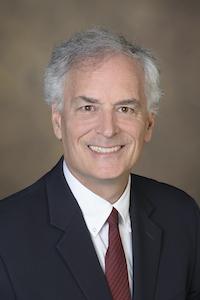
Frank J Lexa, MD, FACR, MBA
Chief Medical Officer
Radiology Leadership Institute
© 2026 Medality. All Rights Reserved.
