Training Collections
Library Memberships
On-demand course library with video lectures, expert case reviews, and more
Fellowship Certificate™ Programs
Practice-focused training programs designed to help you gain experience in a specific subspecialty area.
Ultimate Learning Pass
Unlock access to our full Course Library and all self-paced Fellowships.
Continuing Medical Education (State CME)
Complete all of your state CME requirements in one convenient place.
Noon Conference (Free)
Get access to free live lectures, every week, from top radiologists.
Case of the Week (Free)
Get a free weekly case delivered right to your inbox.
Case Crunch: Rapid Case Review (Free)
Register for free live board reviews.
Dr. Resnick's MSK Conference
Learn directly from the MSK Master himself.
Lower Extremities MRI Conference
Musculoskeletal Imaging
Emergency Imaging
Emergency GI & Abdominal Radiology FellowshipNEW!
PET Imaging
Pediatric Imaging
For Training Programs
Supplement your training program with case-based learning for residents, registrars, fellows, and more.
For Private Practices
Upskill in high growth, advanced imaging areas.
Compliance
NewTrack, fulfill, and report on all your radiologists' credentialing and licensing requirements.
Emergency Call Prep
Prepare trainees to be on call for the emergency department with this specialized training series.
Training Collections
Library Memberships
On-demand course library with video lectures, expert case reviews, and more
Fellowship Certificate™ Programs
Practice-focused training programs designed to help you gain experience in a specific subspecialty area.
Ultimate Learning Pass
Unlock access to our full Course Library and all self-paced Fellowships.
Continuing Medical Education (State CME)
Complete all of your state CME requirements in one convenient place.
Noon Conference (Free)
Get access to free live lectures, every week, from top radiologists.
Case of the Week (Free)
Get a free weekly case delivered right to your inbox.
Case Crunch: Rapid Case Review (Free)
Register for free live board reviews.
Dr. Resnick's MSK Conference
Learn directly from the MSK Master himself.
Lower Extremities MRI Conference
Musculoskeletal Imaging
Emergency Imaging
Emergency GI & Abdominal Radiology FellowshipNEW!
PET Imaging
Pediatric Imaging
For Training Programs
Supplement your training program with case-based learning for residents, registrars, fellows, and more.
For Private Practices
Upskill in high growth, advanced imaging areas.
Compliance
NewTrack, fulfill, and report on all your radiologists' credentialing and licensing requirements.
Emergency Call Prep
Prepare trainees to be on call for the emergency department with this specialized training series.
Lesson
Introduction and Differential Diagnosis
3 topics, 5 min. of video
Lesson
Work Up & Diagnosis
2 topics, 4 min. of video
Lesson
Anatomy
4 topics, 8 min. of video
Lesson
Procedure
5 topics, 22 min. of video
Lesson
Case Review
7 topics, 33 min. of video
0:00
So by now we would have covered.
0:03
All of the pre procedural Perry could
0:06
procedural and post-procedural considerations as it
0:09
relates to targeting biopsies within
0:12
the interabdominal spaces.
0:15
So what would we would have gathered today? We were together.
0:18
It's important to understand what the differential diagnosis is,
0:21
whether we're dealing with Foci or
0:24
lesions in the retro-paraginal compartments or within
0:27
the intrapersonal compartments. It's important
0:30
to know common pathologies as
0:33
well as uncommon pathologies. We talked
0:36
about necrotizing granulomas in parasitic
0:39
Lima yomas, which are on the order of the uncommon
0:42
pathologies that you may encounter. It's also
0:45
important to know that when targeting these biopsies we
0:48
need to have in mind a safety
0:51
profile for the procedure and that safety
0:54
profile is augmented and optimized through
0:57
identifying safe trajectory. That
1:00
is
1:02
Really Guided by the modality that
1:05
we choose we discussed the advantages and the
1:08
disadvantages of using CT versus ultrasound guidance
1:11
for both.
1:13
Biopsies of the Retro peritoneum as well
1:16
as biopsies within the intraperitoneum.
1:19
We also discuss potential complications the use
1:22
of oral contrast as a guiding tool
1:25
in order to ensure that we visualize bowel
1:28
when there are lesions and masses
1:31
adjacent about
1:34
The most important note for today perhaps if I
1:37
had to choose was that complications do happen.
1:41
And one of the things that we can do in order
1:44
to support our patients and advancing Safe Care
1:47
is to know what can go wrong.
1:50
And when it goes wrong how to manage it that's important
1:53
to share with our patients doing informed consent and
1:56
most importantly for us to keep in mind when we
1:59
perform procedures so that if something untoward happens, we
2:02
know how to manage it whether it happens immediately in
2:05
the period procedural period or perhaps days later
2:08
at the end of the day, hopefully what we've
2:11
shared for you with you today. We'll be
2:14
helpful as you advance your safe practice in the care
2:17
of your patience. Good day. Good night. Thank you.
Intra-Abdominal Site Biopsy Summary
HIDEInteractive Transcript
0:00
So by now we would have covered.
0:03
All of the pre procedural Perry could
0:06
procedural and post-procedural considerations as it
0:09
relates to targeting biopsies within
0:12
the interabdominal spaces.
0:15
So what would we would have gathered today? We were together.
0:18
It's important to understand what the differential diagnosis is,
0:21
whether we're dealing with Foci or
0:24
lesions in the retro-paraginal compartments or within
0:27
the intrapersonal compartments. It's important
0:30
to know common pathologies as
0:33
well as uncommon pathologies. We talked
0:36
about necrotizing granulomas in parasitic
0:39
Lima yomas, which are on the order of the uncommon
0:42
pathologies that you may encounter. It's also
0:45
important to know that when targeting these biopsies we
0:48
need to have in mind a safety
0:51
profile for the procedure and that safety
0:54
profile is augmented and optimized through
0:57
identifying safe trajectory. That
1:00
is
1:02
Really Guided by the modality that
1:05
we choose we discussed the advantages and the
1:08
disadvantages of using CT versus ultrasound guidance
1:11
for both.
1:13
Biopsies of the Retro peritoneum as well
1:16
as biopsies within the intraperitoneum.
1:19
We also discuss potential complications the use
1:22
of oral contrast as a guiding tool
1:25
in order to ensure that we visualize bowel
1:28
when there are lesions and masses
1:31
adjacent about
1:34
The most important note for today perhaps if I
1:37
had to choose was that complications do happen.
1:41
And one of the things that we can do in order
1:44
to support our patients and advancing Safe Care
1:47
is to know what can go wrong.
1:50
And when it goes wrong how to manage it that's important
1:53
to share with our patients doing informed consent and
1:56
most importantly for us to keep in mind when we
1:59
perform procedures so that if something untoward happens, we
2:02
know how to manage it whether it happens immediately in
2:05
the period procedural period or perhaps days later
2:08
at the end of the day, hopefully what we've
2:11
shared for you with you today. We'll be
2:14
helpful as you advance your safe practice in the care
2:17
of your patience. Good day. Good night. Thank you.
Report
Faculty
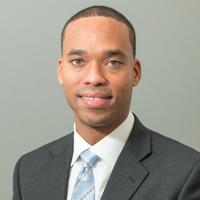
Mikhail CSS Higgins, MD, MPH
Director, Radiology Medical Student Clerkships; Director, ESIR
Boston University Medical Center
Tags
Ultrasound
Oncologic Imaging
MRI
Interventional
Genitourinary (GU)
Gastrointestinal (GI)
CT
Body
© 2026 Medality. All Rights Reserved.
