Case Review Live - Digital Breast Tomosynthesis and Tomosynthesis Guided Biopsy, Dr. Emily B. Ambinder (7-13-23)
HIDEInteractive Transcript
0:02
Hello and welcome to Noon Conference,
0:03
hosted by M R I Online Noon Conference connects the global radiology community
0:08
through free live educational webinars that are accessible for all and is an
0:13
opportunity to learn alongside top radiologists from around the world.
0:16
We encourage you to ask questions and share ideas to help the community learn
0:20
and grow.
0:22
You can access the recording of today's conference and previous noon conferences
0:25
by creating a free m r I online account.
0:28
You can also sign up for a free trial of our premium membership to get access to
0:32
hundreds of case-based microlearning courses across all key radiology
0:36
subspecialties. Today we are honored to welcome Dr.
0:40
Emily Ambinder for an interactive live case review,
0:43
digital breast tomosynthesis and tomosynthesis guided biopsy. Dr.
0:48
Ambinder completed her radiology residency and breast imaging fellowship at
0:52
Johns Hopkins Hospital. She specializes in all aspects of breast imaging,
0:57
including screening, diagnostics and procedures, utilizing mammography,
1:01
ultrasound and m r i.
1:03
Her research interests include improving access to breast imaging and new
1:07
technologies for early detection of breast cancer.
1:10
We're thrilled she's here today to share her ex expertise in this subject.
1:14
At the end of the lecture, please join Dr.
1:16
Ambinder in a q and a session where she will address questions you may have on
1:20
today's topic.
1:21
Please remember to use the q and a feature to submit your questions so we can
1:25
get to as many as we can before our time is up. With that,
1:28
we are ready to begin today's lecture. Dr. Ambinder, please take it from here.
1:33
Hi everybody. Thank you so much for that intro, intro, uh, introduction.
1:37
I'm Emily Ambinder. I'm a breast radiologist at Johns Hopkins.
1:40
I'm really honored to have been invited to be here today.
1:43
I wanna thank Modality and M r I online for, um,
1:47
allowing me to give this lecture and for helping me put the, um,
1:49
presentation together. I have, um,
1:54
I have no disclosures. Um, this is just a, an outline for the talk. I know it's,
1:58
it's a case-based lecture, but I am gonna start with, um,
2:00
a little bit of a didactic section on tosis.
2:04
Then we'll move to some screening and diagnostic cases. Um,
2:08
I'll briefly talk about utilization of tomosynthesis and then move towards, uh,
2:13
tomosynthesis guided biopsy and tomosynthesis guided biopsy cases.
2:19
So digital breast tomosynthesis, or D B T was, um,
2:23
approved by the F D A in 2011. So with D B T,
2:27
we acquire multiple images of the breast,
2:29
which are then reconstructed into thin image slices that can be viewed
2:33
individually. The resulting image is quasi 3d.
2:37
It allows us to see a lot more detail than our traditional 3D mammograms. And,
2:41
um, I wanna point out that this is quasi 3d and often will,
2:44
will interchange the term 3D mammogram with D B T,
2:47
but it's not a true 3D mammogram.
2:49
We're not taking perpendicular slices of the breast like you would have in a CT
2:53
scan. We're taking angled images across the breast, and this is a, um,
2:59
an image kind of that, that's demonstrating that.
3:01
So this is from the Hologic website, but the blue circle represents the breast.
3:05
And you can see in a mammogram that that is compressed between the detector
3:10
and the compression board, which are in green.
3:13
The x-ray tube at the top and red will rotate around the
3:17
patient and take these angled images, and the images are then reconstructed.
3:23
Um, so you can scroll through the individual slices.
3:28
Um, so what are the benefits of tomosynthesis? So it's really a win-win.
3:31
So when we are doing screening mammography with digital breast tomosynthesis,
3:35
we find that we have a lower recall rate by having fewer false positives.
3:40
We have a higher cancer detection rate by finding more true positive.
3:43
So it's higher sensitivity and higher specificity. There's,
3:46
there's not that many, um, technologies that will improve both of these,
3:51
uh, metrics. Um, I can't help myself, but I just show the,
3:54
the calculations for sensitivity and specificity.
3:57
It's just something really important to, um, understand when talking about, um,
4:01
especially screening exams. So sensitivity, uh,
4:04
in order to improve that would be by making sure that we're really finding all
4:08
of the true positives and minimizing our false negatives. Um,
4:11
so that's gonna be an improved cancer detection rate with specificity.
4:15
We really, um, want to limit our false positives.
4:18
So that's what we're doing by decreasing our, our recall rate.
4:24
Um, so how does the recall rate get, uh, decreased using tomos?
4:28
And this is will as I'll,
4:29
I'll show in several cases we're really able to mitigate our uncertainties due
4:32
to overlapping breast tissue when we're using tomosynthesis.
4:37
Um, there are, you know, lots of different numbers kind of thrown up.
4:39
I think generally we accept that the screening recall rate is decreased by about
4:42
15% when we're using, uh, D B T for screening mammography.
4:47
So what about increased cancer detection? Well, with, with D B T,
4:49
we're also able to see more detail in the breast,
4:52
and studies have shown that we have, um,
4:54
an improved cancer detection of invasive cancer,
4:57
specifically by up to 40% when we're doing screening mammography using
5:01
tomosynthesis. Um, it is actually been shown to be,
5:04
be beneficial in all breast tissue density categories,
5:07
but it's particularly helpful in dense breast tissue. Um,
5:12
so now I'll start with some cases. So here's our, our first case.
5:14
This is a patient who had a, her screening mammogram with, um,
5:18
just field digital mammogram. So she did not have tomosynthesis,
5:21
and I'm gonna just leave this for a second.
5:22
I want just have you take a look at it and see if you see any findings that
5:26
might be, um, worth recalling.
5:32
So this patient, um,
5:34
was noted to have two asymmetries on her right MLO view.
5:39
I just have a zoomed in view. This is still that 2D mammogram,
5:42
the full field digital mammogram without tomosynthesis. And, um,
5:46
they, these two different findings were identified. Uh,
5:50
so the patient was recalled for a, a, a callback mammogram. At our institution,
5:55
we always do callback mammograms with tomosynthesis.
5:57
So I have here the screening mammogram on the left showing those two
6:02
asymmetries. And then we have the, um, tomosynthesis mammogram on the right.
6:07
And I'm just gonna scroll through it. And I think, um, do you, to start,
6:10
just kinda keep your eyes on the lower part of the breast where we saw that,
6:13
that lower asymmetry. And when I'm scrolling through,
6:18
I see overlapping fibro ular tissue.
6:21
I see these lines that are crossing in that area of the breast,
6:25
but I'm not seeing any discrete mass. I don't see any distortion. Uh, um,
6:30
and,
6:31
and so that finding that we saw on the 2D mammogram just represents overlapping
6:35
fibro tissue. Similarly, when,
6:38
if you kind of look and now focus more on that retro alar part of the breast
6:42
where we saw that, that asymmetry right behind the nipple,
6:46
now that I'm scrolling through using the tomos and thisis slices, that is, um,
6:51
appears more continuous with the rest of her dense breast tissue.
6:54
There is no discrete mass, there's no distortion, and that finding, again,
6:58
also represents her normal fibro glandular tissue.
7:01
So this is a patient who was recalled from screening mammogram for um,
7:04
asymmetries, but if she had had her screening mammogram with tomosynthesis,
7:08
she likely would not have, uh, needed to be recalled.
7:19
So this is another, um, screening mammogram.
7:24
And again, I'm gonna leave this up for a minute, see if you can see any, um,
7:27
abnormalities on here.
7:35
So I'm just opening up the,
7:37
just showing the m l O and CC views of the left breast now.
7:41
And I'm gonna circle the findings. So this is the finding.
7:44
I do think you can see it on her. These are the reconstructed, um, uh,
7:48
synthesized mammogram images. So this is a 2D picture,
7:50
but it's reconstructed from our tomosynthesis slices. And we see this,
7:56
um,
7:57
focal as symmetry or a small speculated mass in the upper central breast
8:03
so that we can see it on the 2D images.
8:05
I wanna now show it on the 3D images and just show how much more, um,
8:09
clear it is that there is a speculated mass with some associated distortion.
8:14
So just pause it here. So I'm gonna circle it,
8:18
it's right here. And then on the MLO view, similarly,
8:23
as I scroll through, I'm gonna pause right here.
8:29
And you can see this, um, this speculated mass in the, while it's,
8:34
it is visible on the 2d, it becomes much more obvious on the tomos.
8:38
And this is images when you're scrolling through it that this does not represent
8:41
overlapping fibro angular tissue like in the first case,
8:45
but instead represents a true finding.
8:50
So we, um, we do spot compression views. These are, these are, um,
8:54
the 2D Spock compression views. And again,
8:57
I do think you can see the finding here,
8:59
but it becomes much more obvious and much more easy and much easier
9:04
to really, um,
9:06
see the morphology of it when we're scrolling through on the 3D slices. So
9:11
again, there's the, on the 2d and here, I think on the cc it's most, uh,
9:16
it's easiest to see.
9:17
So we see the small speculated mass in the upper central breast.
9:21
So when we see a small a finding like this on a, on a mammogram,
9:26
we wanna see if we can find it on ultrasound because ultrasound is really the
9:29
preferred way to do biopsies if we're able to see the finding on ultrasound.
9:32
So I always think, I always look at the finding and try to localize it using,
9:37
um, the mammogram. So I know where on the ultrasound to look.
9:40
So this is in the upper, in the upper outer left breast. So we go to ultrasound,
9:45
we're gonna look in the kinda upper, upper central, upper outer breast.
9:48
And we saw this small mass at that location.
9:52
It's at the 12 o'clock position, three centimeters from the nipple.
9:57
And there is a, a,
9:58
a small irregular hypoechoic mass with angular margins. Um,
10:03
this looks kind of a similar shape, uh, as that uh,
10:07
mass that we saw in mammogram seems to be in the right right position.
10:11
So what we would choose now to do the biopsy using ultrasound.
10:14
So here's images from our ultrasound guided biopsy of that mass. Um,
10:19
so our first image, we see just the,
10:21
our biopsy needle lining up before the mass in our second image.
10:24
We've now fired. It's gone through the mass. So we usually take several samples.
10:28
I'm just showing images of one of them. And we place a biopsy clip.
10:32
And it's really important for these types of cases to place a biopsy clip
10:35
because we wanna make sure that this finding on her ultrasound is truly a match
10:40
for that mammographic finding.
10:42
So here is our post clip mammogram showing that,
10:47
uh, biopsy clip, um, in the,
10:52
in the upper central left breast. And I'm just gonna pull up, um,
10:56
her initial screening mammogram so that we can just look at the positioning and
11:00
we do see, so first I have the CC views and I see that biopsy clip here,
11:06
and that's right in the,
11:07
the the same spot where we saw that initial mass on her mammogram. Similar.
11:11
Similarly, I have the showing the mass on the lateral view, and again,
11:14
it's in the same spot as our initial finding on her mammogram.
11:17
So I feel confident that that ultrasound finding is truly a correlate for the
11:21
mammographic finding. I know my clip is well positioned. Um,
11:25
this did turn out to be an invasive mammary carcinoma with ductal and lobular
11:30
features. Um, it measured six millimeters in the,
11:34
in the material center pathology.
11:41
Here's our next case. So here's a screening mammogram.
11:52
I'm, I'm just showing the side that had the finding.
11:58
So this patient was recalled from screening mammogram for a focal asymmetry in
12:02
the inner central posterior right breast. So these are the,
12:07
the reconstructed CVU images.
12:09
And I'm gonna now scroll through the tomos and thisis slices.
12:15
And I think this is a tough finding. You know,
12:17
I do see that there is an asymmetry there, but I do, I do think that I,
12:21
I see interspersed fat within it that makes me think that it could just be her
12:25
normal fibro glandular tissue here on the, the lateral view.
12:29
The same thing when I'm scrolling through it,
12:31
that finding blends in with the tissue where I, I think it's,
12:36
it might just be her normal tissue, but she, she was recalled,
12:38
so we did additional spot compression views.
12:40
And the spot compression views with tomosynthesis are really helpful to show
12:43
that that just represents normal overlapping breast tissue. So here's, um,
12:47
the 2D spot compression views and here's our 3D images. And, um,
12:52
as I scroll through, I,
12:55
all I can see is her normal overlapping fibro glandular tissue.
12:58
When I follow the individual lines,
13:01
they are around fat lobules representing the fibro glandular tissue,
13:05
but I don't see a discrete mass or any area of architectural distortion.
13:09
So this was a, any symmetry that was recalled in with,
13:12
they're an additional Spock impression images,
13:15
we are able to confirm that this did not represent a true pathology.
13:33
So this is a, another screening mammogram, an asymptomatic patient,
13:39
and I think this is a really tough case to see on, um, a 2D mammogram.
13:44
I think it's, you know, on our, our high quality, um, image,
13:49
uh, screens that we use in breast imaging,
13:51
I think it is possible to see it on a, on your, on the 2D mammogram,
13:54
but it probably on the laptop that you're looking at,
13:56
it's gonna be very subtle here. I'm gonna zoom in on the,
14:00
on the side so you can at least see the side.
14:02
I'm gonna leave it for a second and see if any,
14:05
anybody is able to identify an abnormality here.
14:16
So this is a, a,
14:17
a subtle architectural distortion in the upper slightly inner right
14:21
breast.
14:25
So while I think very subtle on the 2D image,
14:30
I'm now gonna show it on this, on the 3D image,
14:32
and I think it's much less subtle here. So let me
14:37
pause so I can circle it. So here's the distortion.
14:43
It's very hard to see on her on the 2D image,
14:46
but the 3D really allows us to scroll through
14:51
and see that that's tr that's a true distortion in her breast that needs to be
14:55
further evaluated.
15:00
This is, um, I think this finding is easier to see on her, um,
15:04
CC view than the MLO view,
15:11
but I'm just gonna help, um, show you where to look with your eyes.
15:15
So if you keep your eyes here,
15:16
I'm gonna kind of scroll back and forth through there.
15:25
And I think you can appreciate how the breast tissue is distorted in that upper
15:29
part of the breast. So this patient was,
15:34
this was a screening mammogram. This patient was recalled.
15:38
We did spot compression views.
15:43
Here is our SP compression, um, CC view.
15:49
And again, I, I do think that that finding is, it's possible to see it on the,
15:53
the reconstructed 2D view, but it becomes much more, um,
15:58
obvious on the 3D view, um, when we're scrolling through tomosynthesis.
16:02
So let me again pause here.
16:03
So the finding is is right here and the slightly inner breast
16:20
and the slightly inner breast. So here's that finding right here.
16:24
Similarly in the MLO view, I think it's,
16:26
it's very difficult to see it on the reconstructed 2D view. Um,
16:31
but on the, um,
16:34
tomosynthesis places and we're able to scroll through the finding,
16:36
I'm just gonna draw your attention right here to keep your eyes here as I'm
16:40
scrolling through,
16:44
we can appreciate that the breast is distorted there.
16:48
So this is in the upper slightly inner right breast.
16:52
We're gonna do a targeted ultrasound to try to find a correlate.
16:57
So here's our ultrasound. This is at the right breast one o'clock position.
17:01
So that's in the upper inner quadrant,
17:02
which is what we would expect to ha where we'd expect to see that finding.
17:05
And we see this, um,
17:07
hypo coic mass with some speculated margins. Um,
17:11
our last image here shows, um,
17:14
internal vascularity kinda at the margins of this mass. Um,
17:17
so because we were able to see an ultrasound correlate,
17:20
we did an ultrasound guided biopsy. Um, but very importantly, uh,
17:23
we wanted to make sure we placed a biopsy clip because again,
17:25
we wanna make sure that that that ultrasound finding is truly a correlate for
17:30
the mammographic art architectural distortion.
17:33
So here's our biopsy clip again in that upper inner right breast. Um,
17:38
I'm just gonna show the CC view cause I think that's where we can see the
17:41
finding easiest. So here's our biopsy clip,
17:44
and that was where the distortion was on our initial screening mammogram.
17:47
And so we, that clip was well-positioned,
17:50
it was po well-positioned in the MLO view also.
17:52
And so we feel confident that the sonographic finding is truly a correlate for
17:57
the mammographic finding. Um,
18:00
the pathology for this was an invasive ductal carcinoma,
18:03
histologic grade two of three with associated D C I S,
18:11
another screening mammogram.
18:15
This was a case that was, uh,
18:18
recalled for a possible arch architectural distortion in the right breast.
18:22
So sometimes we'll we'll see on a, a full view,
18:26
an area that we question whether it's real, it's truly distorted or not.
18:29
We wanna have them come back to take a closer look. So this was, um,
18:33
identified by the radiologist reading the screening mammogram.
18:39
I'm gonna show now the 2D images. I'm gonna scroll through and see if we can
18:45
appreciate any distortion. I'm gonna circle,
18:48
this is where the finding was on her, on the 2D image,
18:53
but when I'm scrolling through now on the 3D imaging
18:58
and I'm following individual lines, I can scroll in and out of that area.
19:01
And there's not any single slice that I can pause on where I see a true
19:06
architectural distortion. So I think what, you know,
19:10
what we saw on that initial 2D mammogram was, uh,
19:14
just the summation of normal overlapping tissue.
19:17
We did a Spock impression view also.
19:19
And similarly we see normal overlapping fibro glandular tissue.
19:23
There's no area that I can pause on that where I see a true architectural
19:27
distortion. So this is another example of, of how, um,
19:33
of how, uh, there are some, there are many findings that with,
19:37
with a tomosynthesis we can, uh,
19:40
clarify as being normal tissue and not pathology without requiring a biopsy.
19:47
We did an ultrasound at this area. Um, we showed normal,
19:50
normal breast tissue and the patient was, um, returned to screening. Um,
20:02
this is a, the, the next case, I just have a CC view. I have the, um,
20:07
reconstructed 2D mammogram on the left and then, uh,
20:10
the tomosynthesis image on the, the right. And I think this is just a good,
20:14
a good example showing this patient has this a very dense breast tissue,
20:17
particularly in the kinda central two outer breast. Um,
20:21
but it's hard to see if there's anything in there. I mean,
20:23
I think you can sort of make out that there might be an edge like where my mouse
20:26
is here, but it's very hard to,
20:28
to make out because the death breast tissue is so dense here.
20:32
But let me show you, when I scroll through on her 3D mammogram,
20:37
it becomes much more clear that there is a mass in the retro aerial or breast,
20:43
um, and potentially even multiple MA and in a even multiple masses.
20:47
So I can see this edge here representing one mass.
20:50
There's another one slightly more outer in the breast.
20:55
Um, you know, when you look, go back and look at that 2D mammogram,
20:57
I think I can see where those masses are,
21:00
but they're very hidden by the dense breast tissue around it.
21:03
And the 3D mammogram,
21:05
the tomos and the cyst places really allow us to scroll through and,
21:09
and tell for sure that there are some findings in this breast that need to be
21:12
further evaluated. Um, so this patient was, um,
21:16
had an ultrasound done and, and luckily that these represented simple cysts,
21:20
she had several, um,
21:21
simple cysts in that outer retro alar and part of the breast,
21:25
which correlated with the mammographic masses.
21:34
So just shifting gears briefly. So I'm def I'm, um,
21:37
I have a interest in access to breast imaging and,
21:42
um, you know, part of that is the util utilization of breast imaging.
21:45
So our group did a,
21:46
a study recently looking at the utilization of tomosynthesis,
21:51
um, at our own institution. So we started, uh,
21:54
doing breast tomosynthesis in 2013. And we,
21:59
um, we found that although insurance, most insurances do cover it,
22:03
not all of them do. And we saw that there were, we,
22:06
we were hypothesizing that there were disparities in who was actually having
22:09
their screening mammograms performed with tomosynthesis.
22:12
And this is what we found in that study. So when starting in April, 2013,
22:16
when we first started doing screening mammograms with 2013,
22:21
with that tomosynthesis, we saw a pretty dramatic increase in utilizations from,
22:26
um, 19% in the first year up to about 90%, um, currently.
22:31
But at all the time periods, we saw differences based on, uh,
22:34
patient's race with a, a disparity between, um, white patients having, uh,
22:38
being more likely to have their, um,
22:40
screening mammogram performed with tomosynthesis compared to black and Asian
22:44
patients. So, and this just highlights that there is, uh,
22:47
definitely work to be done to make sure that this modality is available for all
22:51
patients.
22:57
I'm going to, um, move towards, uh,
23:00
tobo and the CIS guided biopsy now for the second part of the lecture.
23:09
Um, so before we can talk about tomos, and this is guided a biopsy, we need to,
23:13
uh, make sure everyone's on the same page with stereotactic biopsy.
23:16
So historically, uh,
23:17
mammographic findings that did not have a sonographic correlate have always been
23:20
biopsied with stereotactic guidance. Um,
23:24
so with stereotactic biopsies, we take a paired image.
23:27
These are two images that are taken out of, um,
23:30
plus and minus 15 degrees from the the scout image.
23:34
And that that's used to determine the position of the finding, um,
23:37
specifically the depth of the finding.
23:42
But now we've been doing all of these mammograms with, with, um, tomosynthesis,
23:48
and there are many findings that are only seen or best seen with
23:52
tomosynthesis. And so what do we do about those? So before we had, um,
23:57
the ability to do tomosynthesis guided biopsies, that was a,
24:00
it was really a problem, try to figure out what we should do.
24:02
So these patients were either, um,
24:06
recommended to have go straight to surgery and we would use, um,
24:09
tomosynthesis to localize the finding. Um,
24:11
and then they would do a surgical excision. Um, or we'd also, uh,
24:15
sometimes we would evaluate these findings further with M R I, um,
24:19
but if the M R I is negative, you're still left with this, um,
24:21
this finding that hasn't been, um, that has not been fully resolved.
24:26
So luckily, tomos and this got added biopsy was, um,
24:31
was started to be used. And this allows us to biopsy findings that are either,
24:35
uh, best seen or only seen on tomos. And this is imaging. Uh,
24:40
so our group started, started doing this and we had a lot of success with it.
24:43
There were some early studies that with high technical success,
24:46
they showed shorter procedure times. Um,
24:49
but after we had done this for some time,
24:51
we thought there was still limited data in the literature and it was reasonable
24:54
for us to, uh, look at our own experience to try to help, um,
24:58
to help show whether this has been a successful, successful or not. So, uh,
25:03
most of the cases of tomosynthesis guided biopsy were for architectural
25:06
distortions. So that was the first project that we did. We, um,
25:10
looked at all of our cases of architectural distortions that did not have a
25:13
sonographic correlate and we're biopsied with tomosynthesis guidance.
25:18
Um, this was, uh, published in a j r a few years ago. Uh,
25:22
the study included 151 unique architectural distortions
25:27
without a sonographic correlate. We found that, um,
25:31
19% of that cases were malignant, 32% were high risk,
25:35
and 49% were benign. Uh,
25:38
most of these malignant lesions were invasive carcinomas, and interestingly,
25:42
most of the invasive carcinomas were lobular, which is, um, overall less,
25:47
much less common than, um, ductal, which is the,
25:49
the most common type of invasive breast cancer. The high risk lesions, uh,
25:53
most often represented radial scars or complex rosing lesions.
25:58
And I think this just emphasizes that we really wanna make sure that these
26:02
distortions, even if they don't have a sonographic correlate,
26:04
are bios seed since 19% of them represented malignancies and another 32%
26:09
represented high high risk lesions. Um,
26:14
we did a follow up, very similar study looking at developing asymmetries.
26:17
These are not distortions, but, um, our are still suspicious findings. Um,
26:21
again, that did not have sonographic correlates. Um, this was, um,
26:25
published a couple of years ago in radiology,
26:28
and we included 85 developing asymmetries, did not have a sonographic correlate,
26:32
and we found a very similar, um,
26:36
malignancy rate of 20%.
26:38
And almost all of those malignancies were invasive carcinoma. So again,
26:41
this highlights the importance of biopsying these findings, which are,
26:45
are suspicious on mammography even if they don't have a sonographic correlate.
26:54
So now moving into our biopsy cases, um,
26:59
I'm showing here a, a prior mammogram and a new mammogram.
27:04
I'm just gonna leave this up for a few seconds so that you can take a look and
27:08
see if you can identify the abnormality.
27:19
I'm now showing just the, the MLO views, the, um, current and the prior,
27:26
and we see new, uh, density in the upper, uh,
27:30
left breast. And this is just the 2D view.
27:33
I'm gonna show the 3D views where we can do a better job of,
27:35
of evaluating whether it's it's distorted or, or not. But here's the CC view,
27:40
and I think that the two ccs next to each other can, uh,
27:44
really help to show this. Um, developing finding.
27:54
I'm now showing the tomos and the SI slices.
27:56
So here's the CC view when we see this developing asymmetry with artificial
28:00
distortion in that posterior breast.
28:13
Similarly on the MLO view in the upper part of the breast,
28:18
we see this developing asymmetry with associated distortion.
28:29
So the here is the finding on the MLO view,
28:31
and then here is the finding on the CC view.
28:36
So just like for those cases that I showed earlier,
28:38
this patient had a full workout. So we did Spock impression views,
28:41
here's the CC and MLO Spock impression views. Um, I think that,
28:46
I think you can see that there is a, an asymmetry, a focal asymmetry on the, um,
28:51
these reconstructed C view images. But on the tomosynthesis images,
28:56
I think we can really appreciate that there is an architectural distortion, um,
29:00
that's associated. So here,
29:03
I'm just gonna circle it with my mouse here so you can see where I'm looking and
29:07
I'm gonna scroll back through that finding. And
29:21
then similarly on the m l o view,
29:31
we can appreciate that there's a distortion in that upper part of the breast.
29:37
So like the cases I showed earlier, this, um,
29:39
we would recommend doing an a targeted ultrasound.
29:41
So we did the ultrasound and just showed normal breast issue. We didn't,
29:45
could not find a a, a mass that correlated with that finding,
29:48
but this was a suspicious finding. Um, we wanted to make sure we biopsied it.
29:52
So we recommended doing a, um, tomosynthesis guided biopsy.
29:56
So here are our images from the tomosynthesis guided biopsy. So,
30:01
um, this is a CC from above biopsy because the,
30:05
the finding was in the upper part of the breast, but more centrally on the cc.
30:08
So we generally choose the direction that's going to make the needle have to go
30:12
the shortest distance within the breast. Um,
30:15
the first picture here is our scout view. So on the scout view,
30:20
I'm gonna scroll through the finding and find on which slice I can best,
30:25
um, see the distortion. When I've, um,
30:30
identified the finding on the tomosynthesis slices,
30:32
I'm gonna click on it and our software will then give us coordinates.
30:36
So the X and the Y are gonna be based on where on the image I'm clicking.
30:40
Our Z axis is going to be calculated by which slice I'm clicking on.
30:48
This is, um,
30:49
different from the stereotactic cases where we take angled images and then, um,
30:53
the computer software will use geometry to determine how, what,
30:57
what the Z axis is or how far in we have to put the needle by using those angled
31:02
images and where the finding is on those angled images.
31:07
Our middle image here is our pre-fire image.
31:10
So I always take a pre-fire image and we wanna show that that needle is lined up
31:13
just, um, at the, the lesion. I think that this is, um,
31:17
a very hard thing to show on a PowerPoint slide,
31:22
but I see the finding here and I see my needle approaching the finding.
31:25
This is in the pre-fire position. Um, the finding,
31:31
um, is often obscured on a post-fire image, so I don't always take one.
31:35
So I don't have a post-fire image here, I just have the pre-fire image.
31:44
Um, we always wanna put a biopsy clip in. So similar, similar to the, uh,
31:49
ultrasound biopsies. That clip is really helpful to make sure that the, the, um,
31:53
the area that we, um, saw on the flow's full views, uh,
31:58
is the area that was biopsied. Um,
32:00
it's also helpful for localization when the patient goes to,
32:03
if the patient needs to go to surgery. Um, even if the,
32:06
the biopsy ends up being benign,
32:08
it's helpful to know where it was that we took those biopsy samples.
32:10
So we don't in the future, um, feel the need to biopsy it again.
32:14
So we put the clip in. We usually do a, a 3D post clip mammogram. I see here.
32:19
There's a top hat clip right at the right, um,
32:22
at the area of artificial distortion. After I place the clip,
32:26
I usually pull my needle back a little bit to make sure that there's separation,
32:29
so I can really see the biopsy clip separate from my biopsy needle.
32:33
So I can see that here.
32:44
So here is our, um, post clip, uh, mammogram.
32:49
So when I see that that biopsy clip is right in that area of developing
32:54
asymmetry with distortion in that upper inner, uh,
32:57
left breast right in the spot that I expect it to be. So I,
33:00
I feel confident that I biopsy that's the correct finding, um,
33:04
and that my pathology is gonna, is going to represent what, um,
33:08
the pathology is at that site.
33:10
So this case was an invasive lobular carcinoma grade two, um,
33:14
measuring 1.1 centimeters in the material. So this is a good example.
33:17
Like I had said in our, in our paper where we, uh, looked at all of our, our,
33:22
uh, architectural distortions, we found most of the,
33:24
the cancers were invasive carcinomas and more than half were invasive lobular.
33:28
So this is an example of an invasive lobular, um,
33:31
that presented as a distortion without a sonographic correlate.
33:39
Um, here's, uh, the next case. This is a, this a tricky case. This was a, um,
33:43
showing the left, this is actually an X CCL L view, so an exaggerated CCC view.
33:47
So you can see the outer breast well and, um, an MLO view.
33:52
Um, so this patient has lots of, of surgical eclipse from a prior lumpectomy,
33:57
but she was noted to have a new, um,
34:00
a new focal asymetry at the lumpectomy site,
34:03
and I think it's better seen on our spot views.
34:06
So I'm just gonna go to the spot views here,
34:08
but you can see there's a small mass or focal asymetry here in the upper,
34:13
upper outer left breast. Very posterior depth. Um,
34:17
this is new compared to prior exams.
34:18
The patient had had this lumpectomy many years ago. Uh,
34:23
and so it was considered suspicious. It's a ti uh, very, very small finding.
34:26
But regardless, we still recommended doing an ultrasound. Oh,
34:29
lemme just go ahead and show the, our tomosynthesis slices here.
34:34
So here is on the, on that X C C L view,
34:38
you can see this very small
34:43
mass.
34:47
And here's our MLO view,
34:59
and we can see that mass on the MLO view also. And again,
35:04
this was new compared to her prior exam, so it was considered suspicious.
35:11
We did an ultrasound. Um,
35:12
and this one we do not able to find a sonographic correlate for that finding.
35:18
So a new, a new finding at a lumpectomy site, um, it's considered suspicious.
35:22
We wanna make sure we biopsy.
35:23
And so this is another great example of where we can use, um,
35:27
tomosynthesis guided biopsy. So here is our, um,
35:30
our scout image of our tomosynthesis guided biopsy. And this was challenging,
35:34
it was very posterior in the breast. Um,
35:39
and it took a while, you know, to get, to find the area. But, um,
35:45
we, um, we found this asymmetry here. Um,
35:50
and so this was what targeted for biopsy. So we did the biopsy and like I have,
35:53
um, repeatedly said, we placed a clip to, uh, to,
35:58
uh, mark where it was that we took the biopsy from.
36:00
So we did that post clip mammogram, and we saw the biopsy clip.
36:05
But as we looked at the, the case after doing it,
36:07
we saw that she still had that small mass in the upper outer,
36:11
outer breast, further posterior from where we had biopsied. So we,
36:16
we spoke with the patient and she actually was willing to just have another
36:19
biopsy done that day. So she came back to the, um, biopsy table.
36:23
We did another scout image here.
36:28
And here's my, here's the biopsy clip from the first biopsy.
36:32
And at the very, very back of the screen,
36:36
we saw this other mass here.
36:42
So it was, it was, it was close, but if you remember from our first biopsy,
36:44
this was at the very back of our, of our biopsy window.
36:47
It's a small window that we're able to look at, um, where we had biopsied.
36:52
Uh, so with this, this other area was not in our initial biopsy window.
36:57
We then biopsied the second area. Um,
37:00
on that same day we put another biopsy clip in,
37:03
and that was in the correct area on her post clip mammogram.
37:07
We got our pathology back a few days later.
37:09
That first biopsy site was benign breast issue with associated rare
37:14
microcalcifications. That second spot when we had her come back and, uh,
37:18
biopsy the initially, uh,
37:21
describe suspicious finding represented in invasive ductal carcinoma,
37:25
moderately differentiated with mu mucinous features measuring five millimeters
37:29
and the results of associated microcalcifications. Um, so I think, um,
37:33
this just a great example of why we wanna make sure we're,
37:35
we're looking at that post clip mammogram image and, um, making sure that the,
37:40
the finding, um, whichever modality it's being biopsied with, uh,
37:44
really is, uh, matches up with our initial mammographic finding.
37:55
What about tomosynthesis guided biopsy of calcifications? So, um, you know,
37:59
I've,
38:00
we talked about stereotactic guidance before using that plus and minus 15 degree
38:03
images to localize the, the finding. And, um, although, you know,
38:08
I've only talked about biopsying like distortions and asymmetries, um,
38:11
really that was primarily, that's been primarily used to biopsy calcifications.
38:15
Uh, but in our,
38:17
once we started doing using 3D biopsy for these other findings,
38:21
we also started using it for back calcifications. And anecdotally, we,
38:25
I think people in our group really enjoyed using it. They felt like it was,
38:27
it was quicker. We took fewer images. There had been, um,
38:31
some studies on the use of it, but there hadn't been very many.
38:34
So we decided to, to look at our own experience with, um, tomos,
38:38
and this is guided biopsy of calcification. So this was a, a paper published,
38:42
um, pretty recently this past year, um,
38:45
in a j r where we looked, we compared our, um,
38:49
diagnostic mammography guided biopsy or,
38:51
or the traditional stereotactic biopsy with tomosynthesis guided biopsy for
38:55
suspicious breast calcifications. Uh, we included, uh,
39:00
over 1300 biopsies in their research study.
39:04
And we found that we,
39:06
we performed almost three quarters of our biopsies using tomosynthesis guidance
39:11
and only about a quarter with stereotactic only guidance.
39:14
And I think that really speaks to just the, our radiologists were getting,
39:17
were very comfortable using TOMOS and Thisis guidance and,
39:20
and felt like it was working well for them. When we compared these two groups,
39:24
the tomos and Thisis guidance group with the stereotactic guidance group,
39:27
we found that the procedure time and the number of exposures was significantly
39:32
lower when we used homos and the CIS guidance compared to the stereotactic
39:36
guidance. And it was statistically significant.
39:39
We did not show any difference between biopsy outcomes or high-risk leg lesion
39:43
upgrade rate. You know,
39:44
we wanna make sure that we're still diagnosing as many similar numbers of
39:47
cancer. Similar, we're not under, um,
39:51
under diagnosing cancers or finding, um,
39:54
that more of our high risk lesions are being upgraded,
39:56
but we didn't find any differences in those outcome metrics.
40:01
Um, so with that in mind, I wanna, um, next show a case of,
40:07
um, suspicious calcification.
40:08
So here are magnification views of grouped course heterogeneous
40:13
calcifications in the upper outer left breast.
40:20
So unlike all of the other cases I've shown, calcific uh,
40:23
calcifications are best visualized on ma um, on magnification views.
40:26
The tomosynthesis is not typically helpful in evaluating them,
40:33
but, um, we did do the bi this biopsy using tomosynthesis guidance.
40:37
So similar to the other cases,
40:39
we have our initial scout image where we take a tomosynthesis, um,
40:45
a set of tomosynthesis images through the area. Um, here are our calcifications.
40:51
Uh, it's important to,
40:53
to scroll above and below the area that you're intending to biopsy to make sure
40:57
there's not a vessel in the way. And that's, um,
40:59
something that's very helpful with tomosynthesis that you're able to do that to
41:03
see for sure that whether or not there are biopsies above and below the finding
41:09
here is our pre-fire image.
41:14
And I see my biopsy device lined up just in front of those calcifications.
41:17
I'm making sure that they didn't move when I did my, um,
41:20
numbing medicine and placed my biopsy device in
41:32
after I took the samples. We place a biopsy clip.
41:37
Here's the biopsy clip. We see again, it's right,
41:39
it's lined up exactly where those calcifications had been.
41:42
I pulled back my needle a little bit to make sure to see separation between the
41:45
biopsy clip and the biopsy needle.
41:51
We biopsy see calcifications while we're still in the room with the patient.
41:54
We take a stereo, a, a, uh,
41:56
specimen radiograph to confirm that the m f calcifications have been removed in
42:01
order to come up with a a definite answer.
42:03
So here's our specimen radiograph showing, uh,
42:05
representative calcifications in the specimen. And,
42:10
um, this,
42:11
this did represent ductal carcinoma in situ grade two to three out of three.
42:25
Um, so in in summary, uh,
42:28
digital breast tomosynthesis has really changed breast imaging in the past, uh,
42:32
decade or a little bit more than a decade now. Um,
42:34
we see improved recall rate and improved cancer detection rate,
42:38
and we're also at able to buy findings using tomosynthesis guidance,
42:42
which is very exciting. And this is, um, more of an evolving area.
42:46
Um, I wanna thank you so much for your attention. Um,
42:51
if anybody has any questions, we have a few minutes remaining where I will, um,
42:55
answer questions. I see there's a couple already. Um, so I'll go ahead and, um,
43:00
and start going through those, but feel free to keep,
43:02
keep adding them if you have any other ones. So, um, our first question is,
43:06
are you using vacuum assisted biopsy device and what is the, the gauge?
43:10
So for our, um, at our institution, for our ultrasound guided biopsies,
43:15
we do not use vacuum assisted biopsy device for our, um,
43:19
stereotactic or tomosynthesis guided biopsies,
43:22
we do use a vacuum assisted biopsy device. Um,
43:25
and it's a a a nine gauge needle for our ultrasound guided biopsies.
43:29
We typically use a 14, sometimes an 18 gauge biopsy device.
43:36
Um, the next question is, um,
43:38
did you try hydro mark clip after stereo biopsy and did you notice migration?
43:44
Um, so that's a, a great question.
43:46
So we use hydro mark clips for our ultrasound guided biopsies. Um,
43:50
we really like it, especially for, um,
43:51
cases that we need to localize in the future.
43:54
So the hydro mark clips are really well seen on ultrasound. Um,
43:59
we do not use them right now for steri tactic biopsy or for M R I guided biopsy.
44:04
Um, there is was concern about migration. I know I think our,
44:07
our rep has said that the, the newer ones have have less migration,
44:10
but I will say right now we are not using those, we're using other,
44:13
other types of clips. Um, although our,
44:15
I think that there is benefits to those Highmark clips to allow that because it
44:19
would allow us to be able to do localizations, um,
44:24
uh, using ultrasound potentially, especially for really deep findings.
44:32
Um, our next question,
44:38
Let me see.
44:42
So one of the questions here is,
44:43
is it fair to say that most beneficial of D B T is architectural distortion?
44:48
Um, I would say that the, the benefits of of D B T are really twofold to,
44:53
one is identifying more cancers and those are often architectural distortions,
44:57
but they may be developing asymmetries, um, as well,
45:03
even masses that are, uh,
45:06
obscured by the surrounding breast tissue can be better seen with tomosynthesis.
45:10
Um, and, but I,
45:12
I think that that category of improved cancer detection is definitely a benefit
45:17
of D B T and part of that is arter health distortion,
45:19
but I don't think all of it. I think another benefit of D B T,
45:22
however is the decreased recall rate. And I showed a few, I showed a few cases,
45:27
um, where, um, we could see that the, that, um,
45:30
by using tomosynthesis we were able to clarify that a finding that looked
45:35
possibly suspicious on a 2D mammogram really just represented normal overlapping
45:39
breast tissue.
45:46
Lemme see.
45:48
So there's a question about, um,
45:49
tomosynthesis and elastography and I will say I don't really know the answer to
45:53
that. I have not done any work with elastography and we don't routinely do
45:57
elastography on our, um, in breast imaging at our institution.
46:05
The next question is, I have struggled to stereo a deep calcification in the,
46:09
um, lower inner quadrant. Any tips? So deep, um, findings are,
46:14
are challenging sometimes with, um, stereotactic biopsies.
46:17
There's definitely a lot of positioning, um, tips. Uh,
46:22
I think it's, it's, you know, sometimes you can try to have the,
46:25
the patient put their arm through the table if you're in a prone um, position,
46:30
um, sometimes it'll allow to get further back. I would, um,
46:34
try both the CC and lateral view sometimes to try to get further back. Um,
46:39
if we are very lucky that we have, uh,
46:41
multiple sites and some of our sites have a prone table and some have an upright
46:44
table, and I find that,
46:46
that there are some cases where one or the other can help me get further back in
46:50
a, to get a, a lesion. Um,
46:53
but it is a challenge sometimes to get those really posterior,
46:56
posterior calcifications. Um, sometimes it's just not possible.
47:00
And we've definitely had cases where we are unable to do a biopsy and we will
47:04
instead localize it and the patient will go straight to surgery,
47:06
but we really try to try to minimize that.
47:12
Um, the next question is, um,
47:14
what do you specifically write in the tomo report?
47:17
Is it different from the mammogram report? Um, we have a, a,
47:22
a line that we include in our mammogram report stating that tomo and thisis was
47:26
used as part of the exam. It's just a one line that's added to the,
47:29
the mammogram, um, report.
47:34
The next question is,
47:37
do you have the facility to place a tomo guided clip without doing a biopsy?
47:44
Um, so I guess the question is we have the facility, I mean,
47:46
technically we would be able to do that. We have, um,
47:49
I think done that on very rare occasions. Um,
47:53
but that is done very infrequently.
47:54
Our surgeons have a strong preference to have the pathology before taking the
47:58
patient to surgery. Um, so we haven't found a need to, to place, um,
48:02
clips without doing a biopsy on, on very many occasions. We would, um,
48:07
usually do the biopsy and then place a clip there so that we would have an
48:10
answer and, um, and know what the pathology was before,
48:15
um, before a patient goes to surgery.
48:23
Um, then the next question is, um,
48:25
is there a scenario where stereo tactic biopsy is superior tooma and the IS
48:30
guide guided biopsy? I currently only do 3D biopsy,
48:33
but was wondering which scenario to consider 2D biopsy? So I,
48:38
I, you know, I showed,
48:39
I think that I've been really switching to doing more and, uh,
48:42
like to doing just about all of my calcification biopsies even with, um,
48:45
tomosynthesis because I feel like it's, I can do the biopsy quicker, um,
48:49
and I'm taking fewer images. But I will say that there are,
48:52
there are some calcifications that are kind of subtle,
48:55
like some of those more amorphous calcifications where I feel like the 2D images
49:00
help me see the finding better. And in those cases, I,
49:04
I might do 2D biopsy. Um,
49:08
I think it's also helpful to have both possibilities. So it's, it's, um,
49:12
you know,
49:13
sometimes I'll go back and forth where maybe I'll do my scout image with 3d,
49:16
but then my pre-image I'll wanna do as a stereotactic pair in order to better
49:21
see the calcifications if I feel like they're somewhat obscured after giving
49:24
the, the numbing medicine. Um,
49:28
I haven't done a full case using just stereotactic in a, in a while,
49:32
but I will say I will definitely take stereotactic images to help me sometimes
49:36
for, um, especially for subtle calcifications.
49:44
Um,
49:44
the next question is use TOMA and the CI regularly for every case or in a few
49:48
selected. So, um, we use, um,
49:52
so for screening exams we would like to use it for all patients,
49:55
but unfortunately there are a few insurance companies still in, um,
49:59
the state of Maryland that don't cover tomosynthesis.
50:02
So we do about 90% of our screening mammograms with tomosynthesis. Um,
50:06
but that has increased, um, over the past decade, um, dramatically.
50:10
But we're kind of right around ni we've been 90% now for the last few years
50:15
helper. When we call patients back, we do, we, um,
50:18
do tomosynthesis for all of those recalled mammograms unless they're for
50:21
calcifications when, when it's not necessary. But, um, we, uh,
50:26
do all of the callback mammograms with tomosynthesis because we find it to be
50:29
very helpful in order to, to limit our,
50:32
our need for biopsies for findings that we could clearly see are,
50:35
are just overlapping tissue with the tomosynthesis.
50:43
Um, our next case, our next question is,
50:47
um, how many cases in your,
50:50
in your study had a normal study on tomo biopsy?
50:55
Um, so I think you're referring to the,
50:58
the architectural distortion paper and the developing asymmetry paper. So, um,
51:03
so all of those patients had an ultrasound exam that was negative. Um,
51:08
all of them had a, a finding on their,
51:11
on their 3D mammogram that was considered suspicious and, and had a biopsy done.
51:15
And, and both of those studies,
51:17
20% of them turned out to be about 20% turned out to be cancer. So the 80,
51:22
the other pa the other cases were not, were not cancers. Um,
51:27
so still the majority of those cases did not turn out to be cancers,
51:30
but 20% is a,
51:31
is a high enough number to definitely justify doing a biopsy for them. You know,
51:35
we usually buy RADS four is anything over a 2% risk of breast cancer.
51:39
So when we're talking about, um, a pre, uh,
51:42
a predictive value of 20%, then that, um,
51:46
easily justifies biopsying those findings.
51:53
Um, the next question is, any tips for biopsy in a small breast? And yeah,
51:56
this can be, can be challenging. You know, we have the petite needle,
51:58
which usually you can, um, it will allow you to do a biopsy up to, I think it's,
52:02
um, 2.3 centimeters of thickness. But there are definitely patients who have,
52:07
um, even smaller breasts and there are some things that, um, you can do to,
52:10
to help you. So, um, you can,
52:15
uh,
52:16
give lots of numbing medicine to kind of create a little bit more breast tissue,
52:20
um, to use. There is, um, when,
52:24
when doing the, when you're localizing,
52:26
you can remember that you're gonna be taking, um, you're not,
52:31
you don't have to exactly click on the finding when you're doing the biopsy.
52:34
You can click in front of it or behind it in order to allow your whole, um,
52:39
the, the biopsy needle to be buried and have,
52:42
instead of the finding being exactly in the middle of your,
52:45
of your target could be towards the beginning or the end.
52:47
And that can be helpful to help to get the needle totally buried, um,
52:51
on top of there being, you know, our normal needle.
52:53
And then there's a petite needle.
52:54
There's also a blunt tip needle that can be used for very small, small breasts.
52:58
So you have to, obviously you have to get order that and have it separately,
53:01
but that's another option to be used for small breasts.
53:06
Um, I think also another,
53:08
another thing that I found helpful is being able to go back and forth between
53:11
the, the cc and the lateral view.
53:12
Sometimes when a patient will compress differently in one view versus the other,
53:16
and it might be a little bit thicker in one view to help you do the biopsy.
53:24
Um, um, the next question is,
53:26
which do you suggest tomosynthesis or contrast enhanced mammography? And I'm,
53:30
I'm very biased because we do not do contrast enhanced mammography at, uh,
53:34
my institution. So I would definitely pick tomosynthesis.
53:36
I also don't think it's one or the other. Um, I think they have both, you know,
53:41
I think pieces that that use contrast enhanced mammography are also doing
53:44
tomosynthesis. Um,
53:46
I think that tomosynthesis has a lot more data behind it, um,
53:50
and is a more universal modality than contrast enhanced mammography if you're
53:55
only gonna have one or the other. Um, but there's a lot of exciting, uh,
53:59
research coming out on contrast mammography,
54:00
so I'm excited to kind of see where that,
54:02
where that goes and where that's gonna fit into our, uh, our cancer workup.
54:11
The next question is whether we have increased detection of microcalcifications.
54:14
I assume that is referring to with tomosynthesis and, and I don't think so.
54:17
I don't know that calcifications, uh, necessarily have improved detection. Uh,
54:21
I think that the benefits of tomosynthesis are more specific for invasive micro,
54:26
uh, invasive carcinomas, which are, are usually not just calcifications. Um,
54:30
but I think that the, there have been studies that have sh shown both, um,
54:34
both for that, so I don't, I don't know all of the data off the top of my head,
54:37
but I would say the benefit of tomos is not necessarily for increased detection
54:41
of microcalcifications, but more for, um,
54:44
like masses and distortions and asymmetries like I talked about before.
54:52
So there another question about contra mammography and I'm gonna, um,
54:55
I think I'm not gonna answer that one now. That's not,
54:57
so we don't do contra mammography. I think there is, um,
54:59
the kind of developing where that's going, where that should be,
55:02
where that should be used, but I don't think I have the,
55:04
probably the most up-to-date answer on that right now. Um, you know,
55:09
the next question is whether there's an absolute indication for tomosynthesis
55:12
and, and no, I don't think the answer right, you know,
55:14
currently standard of care is,
55:16
is either to the standard full field digital mammogram or tomosynthesis.
55:21
So, um, we do think that there is,
55:23
there is sufficient studies to say that tomosynthesis is, um,
55:27
has improved recall rate and cancer detection. Um,
55:30
but the standard of care is really for either modality and it's much more
55:33
important for a patient to get a mammogram with either one than to not get one,
55:38
um, to, than to not get one or to choose one or the other.
55:42
So I would definitely encourage patients to get a screening mammogram. Um,
55:46
and if they, they can get it with tomosynthesis, I would always pick that,
55:49
but I would not say that there is an absolute indication for that.
55:55
Um, see, I think we still have a little bit more time, um,
55:59
a lot of great questions here. The next one is,
56:02
how do you encounter complications bleeding during or after the biopsy?
56:06
How do you handle it? So, you know, whenever we're doing a biopsy,
56:09
there is definitely a risk for, um, for bleeding. Um,
56:13
that's probably the most common complication that we,
56:15
that is the most common complication we see. And you know, I,
56:18
I find that holding pressure is, is almost always is gonna,
56:23
is gonna be successful. Sometimes it's a lot of pressure and for a long time.
56:27
Um, and if that is the radiologist or maybe there's a tech or tech aid at the
56:31
institution that can help. Um,
56:33
but really holding firm continuous pressure until the bleeding stops. You know,
56:37
there are rare complications, pseudo aneurysms that can occur.
56:40
I think that's really one-offs,
56:42
but most of the time the bleeding really just requires, um, pressure,
56:47
continuous pressure, um, until it stops bleeding.
56:54
The next question is,
56:55
how much local anesthetic do you give and how often does the target move? Um, I,
57:00
I do think this is sort of individual. Uh, you know, I think even when I did my,
57:03
my fellowship, which is only a few years ago, different,
57:06
the different attendings that I worked with would be definitely inconsistent
57:09
with how much an anesthetic each person used.
57:11
But I found that the most important thing is,
57:14
is making sure that the skin is really well numbed. So, um,
57:19
I wanna give enough, uh,
57:22
lidocaine in the skin to make sure I see a really a,
57:25
a skin wheel that's very clear. So it's usually about, um,
57:30
one to two ccs. You know, sometimes if, um, if I end up, if I,
57:34
my initial injection is a little bit deep, I'm not seeing a good wheel,
57:37
I'll put a little bit more in. Um, and then I give deeper numbing medicine,
57:41
lidocaine mixed with epinephrine. Um, I usually draw up about eight ccs and,
57:46
uh, depending on how, um,
57:49
how dense the breast tissue is and how deep the finding is,
57:51
I'll just slowly inject it in and out and usually give about five or six ccs.
57:55
But it is, it is very variable. Um, I,
58:00
I find that with that,
58:01
patients do not have symptoms typically during the biopsy, but I do tell them,
58:05
if you're feeling anything, let me know. We can always give you more wem.
58:08
Our biopsy machine will automatically give additional lidocaine as we're taking
58:12
the biopsy samples. Um, so I usually will warn the patient,
58:15
they might feel like a,
58:17
a few seconds of that singing sensation when we're taking the biopsies.
58:20
And that's probably the numbing medicine that's, um, that's going to be,
58:24
that's at an area that wasn't totally numb. Um,
58:27
not the biopsy needle like causing, causing pain. And I think that, um,
58:30
is very helpful for the patients to know. Um,
58:36
the next question is,
58:37
do you have any data of D B T guided biopsy with implants versus stereo?
58:42
I don't have any data. I think it would be interesting to see, um, you know,
58:47
I think with both,
58:47
you wanna make sure that that implant is really pushed back as much as possible
58:51
and is not in the, the images. Um, I think, um,
58:55
I I just kinda anecdotally I,
58:58
I like using tomosynthesis because I think I can really scroll through the
59:02
slices and see for sure that I'm not going to hit the BM anywhere near the,
59:06
the implant, which is with the, with the, um, angled images.
59:09
It sometimes it can be a little bit confusing if,
59:11
if exactly the direction that your needle's going,
59:13
whereas with the tomosynthesis, you know,
59:14
you're just going straight down through the breast tissue. Um,
59:18
but I don't have any, any specific data on that.
59:20
I think it would be an interesting, interesting thing to look at.
59:28
Um, the next question is,
59:31
does needle localization ever helpful in lesions with suspicious
59:37
calcifications? I'm not sure I completely understand that question,
59:42
but we do need localizations for suspicious calcifications. Um,
59:47
I don't, we don't typically use, um, tomosynthesis for our localizations.
59:52
We usually do them with a alphanumeric grid. Um, but I think,
59:55
I know there's other institutions that are using tomosynthesis more for
59:58
localizations. That's not something that I'm, I'm actually that familiar with.
60:03
And the next question is, in our unit,
60:06
the clip placement has to be through the biopsy needle.
60:08
So on the rare occasion when we need to place a tomo guided clip without a
60:12
biopsy, we do not have the equipment to support this.
60:14
Which equipment do you use to facilitate tomo guided clip placement?
60:17
So I think this is probably maybe a follow up to the question before asking if
60:20
we have replaced biopsies with the biopsy clips without doing the biopsy.
60:23
I also am not sure that we have a separate equipment.
60:26
I'm not sure there may be things that you can order.
60:29
I think the very few times that we've done this before,
60:32
we probably had to just open up the biopsy, the whole biopsy kit, but I'm,
60:36
I'm not actually a hundred percent sure. Um,
60:38
I think it's something that you could ask your,
60:39
your rep about if they would be able to separate and just get the, um,
60:45
the biopsy, uh, like the introducer piece. Um,
60:51
but you would need to have a needle in it to get to the site. So I,
60:53
I'm not sure, um, what you would need to do,
60:55
but I think it's something probably to talk more with your rep about.
60:57
I don't think that we have anything specific that we have different,
61:00
I think we've just opened up the biopsy kit.
61:07
Um, I think we're a little bit after one. I'll just do one more,
61:10
one more question. Um, but I really appreciate all of the questions.
61:13
Really great, great discussion here. The,
61:16
the last question is how do you biopsy lesions close to the skin?
61:22
Um, it's, you know,
61:22
I sort of a similar answer I think to like how to biopsy in small breasts and
61:26
it, and I would say it can be really challenge, it can be really challenging.
61:30
Um, could be helpful to use the petite device. Um,
61:35
but if there's a lot of tissue behind, you might not need the,
61:37
the petite device.
61:38
I think a few things that you can do are to make a really big skin wheel that
61:41
can add some additional depth, um,
61:44
for you to have to get the needle totally buried.
61:47
You can also target slightly past where the lesion is on your
61:52
stereotactic images, knowing that your,
61:55
where your targeting is going to be the middle of your biopsy device and you
61:59
don't necessarily need the lesion to be right in the middle.
62:01
So k if it's closer to the proximal part of the needle.
62:05
So if you target slightly past it, you can still, um,
62:08
often biopsy the lesion closer to the skin. Um,
62:13
so those are some tricks that I've done to try to get these very superficial
62:16
biopsies. Um, but I do, I, I know they can be definitely be challenging.
62:22
Um, well thank you so much for the, for the discussion.
62:25
Dr. Ambinder,
62:26
thank you so much for your lecture today and the case review and for everybody
62:29
else for participating in this new conference. It was wonderful.
62:33
You can access the recording of today's conference and all our previous new
62:36
conferences by creating a free m i online account.
62:39
Be sure to join us next week on Thursday, July 20th at 12:00 PM Eastern,
62:44
featuring Dr.
62:44
Steven Rowe for a lecture on PSMA PET Interpretation and applications.
62:49
You can register for this free lecture@mrionline.com and follow us on social
62:53
media for updates on future NOOM conferences. Thanks again and have a great day.
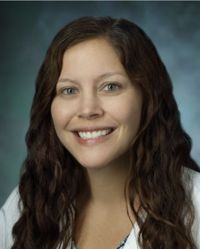
Emily B. Ambinder, MD
Assistant Professor - Breast Imaging Division
The Russell H. Morgan Department of Radiology and Radiological Science, Johns Hopkins Medicine
© 2026 Medality. All Rights Reserved.
