BI-RADS v2025 Update, Dr. Emily Ambinder (2-11-26)
HIDEInteractive Transcript
0:02
Hello and welcome to Noon Conference, hosted by Modality
0:05
Noon Conference connects the global radiology community
0:08
through free live educational webinars that are accessible
0:11
for all and is an opportunity
0:12
to learn alongside top radiologists from around the world.
0:16
Today we are honored to welcome Dr.
0:17
Emily Ann Binder for a lecture on the BIRADS 2025 update.
0:23
Dr. Ann Binder completed radiology residency
0:25
and her breast imaging fellowship at Johns Hopkins Hospital.
0:29
She specializes in all aspects of breast imaging,
0:31
including screening, diagnostics
0:33
and procedures, utilizing mam mammography,
0:36
ultrasound, and MRI.
0:38
Her research interests include improving access
0:40
to breast imaging and new technologies
0:43
for early detection of breast cancer.
0:45
At the end of her lecture, please join her in a q
0:47
and a session where she will answer questions you may
0:50
have on today's topic.
0:52
Please remember to use that q
0:53
and a feature to submit your questions so we can get to
0:55
as many as we can before our time is up.
0:57
With that, we are ready to begin today's lecture. Dr.
1:00
Ann Binder, please take it from here.
1:03
Thank you so much, Ashley, for that introduction.
1:05
I'm so happy to be here
1:06
and really so honored to have been asked to give this talk.
1:09
Um, in all honesty, this was a great chance for me
1:11
to make sure that I went through the new by Rads Atlas that,
1:14
um, I have a good understanding it for my own practice.
1:17
Um, so let's go ahead and get started.
1:21
So I have no disclosures to share.
1:22
So this is the, uh, the, the cover of the new birads Atlas
1:26
that we're very excited about.
1:27
Um, so the, uh, BIRADS stands
1:29
for the Breast Imaging Reporting and Data System.
1:32
I just wanna start off with some, um, history about birads
1:36
before we get into the changes in this new, uh, version,
1:40
just to understand like, what, what is virus?
1:42
Why do we use it? So these are,
1:43
this is really the purpose of VIR rads.
1:46
Um, so first, I think that probably the most important
1:49
and what we're gonna really focus, focus on today is
1:52
that it provides, is standardized breast imaging
1:54
terminology, and also, um, allows for clear
1:59
communication of results using assessment categories.
2:02
Um, it requires specific management
2:04
recommendations for every study.
2:07
And because of the way that, uh, the RES is set up
2:09
and the way that we're required to put in all of our report,
2:12
it really supports education
2:13
and research in breast imaging,
2:15
which has been really helpful for the field to progress.
2:21
Um, I, I think it's important just to understand the history
2:24
of RADS before we get into the changes, just to see like
2:26
where we're, where we're coming from.
2:27
So what RADS was first published in 1993,
2:31
and this was published in response to the, uh,
2:34
mammography Quality State Standards Act,
2:36
or MQSA, um, by having a standardized lexicon,
2:41
which was what was, uh, really included in
2:42
that first edition just from mammography, it made it easier
2:45
for, uh, sites all across the country to, uh, adhere
2:50
to the MQSA rules.
2:53
These, uh, were updated every couple of years over,
2:56
uh, the time since then.
2:57
You can see second edition was published just a few years
2:59
later, a third edition in 1998.
3:02
The fourth edition in 2003 was the first time that, um,
3:05
ultrasound and MRI were included in the Atlas.
3:08
Um, it was then another 10 years
3:10
before the fifth edition was published in 2013,
3:13
and that's the edition that we've been using
3:15
for, for quite a while.
3:16
It's been 12 years. Um, this is the longest
3:19
that we've gone without an update to IRAs, which made this,
3:22
um, current version really highly anticipated.
3:25
There's been a lot that has happened in breast
3:27
imaging since 2013.
3:29
Um, and we're all really excited
3:30
to have this, this new atlas.
3:32
Um, instead of calling this the sixth edition,
3:34
they are now calling it version 2025.
3:37
So that is a change. Um,
3:39
and it's going to be more of a living document
3:41
where it won't be of these huge updates to changes in, uh,
3:44
new additions in the future, but they'll be changing it over
3:47
time as more of a living document.
3:49
So we won't get, we won't have another 12 years
3:51
before we get another update.
3:55
Um, I wanted to, um, first actually just think I know this,
3:58
this was a lot of work by a lot of people to, to, um,
4:01
put together this version 2025.
4:03
I was not at all involved in working on it.
4:05
Um, and I know it was a lot to go through.
4:08
I know there's a lot of research in breast imaging,
4:10
and they wanted to make sure that they were, um, taking in,
4:13
uh, everything that was being done.
4:14
So definitely wanted to thank everyone
4:16
that worked on this, this update.
4:18
Um, I also wanted to say that the point of this,
4:21
this talk is really to go over the changes to the lexicon.
4:24
That's what I'm gonna focus on. So the goal is not to,
4:26
to really, um, teach breast imaging.
4:29
I'm gonna show some samples, some examples, um,
4:32
but I'm not gonna show examples of every single, um,
4:35
finding, uh, because we just don't quite have time for that.
4:37
I'm gonna go through all three modalities.
4:39
I'm gonna go through mammography, ultrasound,
4:41
and MRI, um, with the main changes that, uh,
4:44
the main updates that were included in this,
4:46
uh, version 2025.
4:50
So one, one thing, uh, that is, uh,
4:53
modality neutral is that the, this new birads
4:58
has a emphasis on,
4:59
on including structured clinical indications
5:02
for every single study.
5:04
And this is really pretty, uh, should be pretty easy for us
5:07
to implement because it is just three choices.
5:09
Every breast imaging study, a mammogram, an ultrasound,
5:12
or an MRI, we should start off with a major indication.
5:17
The three choices are asymptomatic screening,
5:20
diagnostic workup, and diagnostic current breast cancer.
5:25
So any patient that comes in at the beginning of our study,
5:27
we should lump it into one of these three categories.
5:32
There are then options to include subcategories, um,
5:37
which I think is probably most important
5:39
for the diagnostic workup.
5:40
But these are some of the examples that, uh, that are
5:42
provided for what these subcategories might be.
5:44
So for a patient coming in for asymptomatic screening,
5:47
it may be important
5:49
to include in the indication if they have an elevated risk
5:51
for breast cancer, they have done breast tissue,
5:54
or if they have a history of breast cancer, these are sort
5:56
of pertinent additional information.
5:58
Um, they're still an asymptomatic screening patient,
6:01
but it might be important to know that information in order
6:03
to interpret the study for the diagnostic workup.
6:07
I, I think that these subcategories,
6:08
although they're called optional,
6:09
I think are probably more important
6:11
because if someone's coming in for a diagnostic workup,
6:13
we really wanna know what they're,
6:15
what they're presenting for.
6:16
So, um, somebody has coming in for a palpable lump,
6:19
that would be a clinical finding.
6:21
It may be, um, they were called back from a screening
6:24
mammogram or a focal asymmetry.
6:26
That would be an imaging finding.
6:28
It could be a bi rad three follow up or a biopsy follow up.
6:31
So I think if, um, I think in that this diagnostic
6:34
of it really, this optional subcategory is probably very
6:36
helpful to, um, to include when, uh,
6:40
when writing the indication for the study.
6:44
Uh, then they have, um,
6:45
an optional additional relevant history.
6:48
Um, so some examples that they give that might, this might,
6:50
um, entail would be the specific gene mutation,
6:54
the specific imaging finding, and the location
6:56
and the size of the cancer in
6:58
a patient with a known breast cancer.
7:00
Um, so this should be,
7:01
every breast imaging study should have, um, kind
7:05
of followed this light up when we're writing the indication.
7:08
Um, so I'm gonna get into our three, um,
7:13
main, uh, modalities in, in, um, breast imaging.
7:16
And the first one is, is mammography.
7:18
This is our main modality in breast imaging.
7:21
Um, so first is that they have a whole section
7:23
for digital breast tomosynthesis.
7:24
So the fifth edition was published in 2013, right
7:27
around the time that tomosynthesis is being FDA approved.
7:30
It did not have tomosynthesis included.
7:33
Um, so it also includes what the benefits
7:36
of digital breast tomosynthesis have been.
7:39
So really, um, we know from many studies
7:42
that tomosynthesis increases cancer detection rate
7:45
and lowers recall rate.
7:47
And I just have just a, a quick example.
7:48
This isn't a, a nice case with a, this, um, distortion
7:52
that is circled, that's in the central part of the CCC view
7:56
On the 2D view, this sort
7:57
of just looks like the normal tissue,
7:58
but when you scroll through,
7:59
and this is a single slice of the tomo, so this is a,
8:02
it really, um, you can see that those margins
8:04
and that that distortion really jumps out, um,
8:06
and becomes very, uh, much more obvious.
8:09
Uh, and SOIs is really a win-win
8:11
with both finding more cancers
8:13
and allowing us to, uh, um,
8:17
have a lower recall rate.
8:21
Um, so breast sensation was not changed in the fifth, uh,
8:24
in this, uh, version 2025.
8:26
I just wanted to point out that in the the fifth edition,
8:28
there was a pretty major change.
8:30
I know that has, that was, you know, over 10 years ago.
8:32
But just wanted to remind people that the,
8:34
the breast density is really classified on
8:36
how likely the tissue is.
8:38
The tissue that's there will obscure a cancer.
8:41
Um, in previous versions, it was just what the percentage
8:44
of dense tissue was.
8:47
Um, but,
8:49
but they, uh, uh, what they have changed is
8:52
that if there's one area that's very dense, that's really
8:54
what we should, we should be basing the breast density on,
8:56
not looking at the whole breast.
8:57
Overall. Um, why is breast density important?
9:02
Well, really there's two reasons.
9:03
So, one is that we know that it affects mammo, uh,
9:06
mammographic accuracy.
9:08
So higher breast tissue density, uh,
9:11
decreases the sensitivity of mammography.
9:12
It's just harder to see cancers when you have a
9:14
lot of dense breast tissue.
9:16
Um, and many studies have shown
9:17
how the sensitivity really goes down with increased,
9:20
um, breast density.
9:22
And second, we also know that increased breast density is,
9:26
uh, is a, um, is an independent
9:27
risk factor for breast cancer.
9:29
So it's really a, it's really, um, both sides
9:31
that make it important.
9:33
Um, and because of this, we are required
9:35
to document the breast density
9:36
for every mammogram that we read.
9:37
And I just have examples of the four categories.
9:40
This wording is, is very imp is very specific.
9:43
The FDA requires this specific wording.
9:46
A small change in the new birads is that they do allow, um,
9:51
changing when it's a unilateral study
9:53
to have a unilateral wording.
9:55
This is a kinda an issue with the, the prior FDA wording
9:59
or the, the requirements was, um, was plural.
10:02
And so if it was a unilateral study,
10:03
that was always a little bit awkward.
10:04
So that was a small change.
10:06
But this, this wording is, um, is standard.
10:13
I'm getting into, um, specific findings.
10:16
So I always, when I was teaching these, uh, um, the lexicon,
10:21
I used to always have to kind of re rethink this.
10:23
I would always say for shape, you can remember ROI like a,
10:27
an a VI region of interest.
10:28
That's how I would always remember it.
10:29
But now it's, um, we have added a fourth shape.
10:33
So we have oval, round, irregular,
10:36
and a new shape, um, is lobulated.
10:38
And, uh, you'll see this very similar slide when I go
10:41
to ultrasound and MRI,
10:43
because this lobulated shape option was added
10:46
for all three of the modalities.
10:48
So they describe a lobbyist sheep is, that is a mass
10:52
that has one or more indentations resulting in
10:55
an undulating contour.
10:57
This is usually benign,
10:58
but slightly more suspicious than oval sheep.
11:01
Um, kind of on the, on the flip side,
11:06
they got rid of one of the margin terms.
11:08
So another thing I'm gonna have to rethink of my,
11:11
um, you know, how I'm teaching this.
11:12
So they used to always say, okay, the margin, you remember s
11:15
but now we lost that m.
11:17
So for the mammographic mass, the choices
11:19
for margin are circumscribed, obscured,
11:22
indistinct, or speculated.
11:25
So for that, what we used to call micro lobulated,
11:27
they suggested that is usually be reclassified
11:30
as indistinct, um, with the new, um, the new birads atlas.
11:38
Um, and then another, uh, I think a very important change is
11:43
that a mammographic mass is, um, now only needs
11:46
to be seen on one view if it has the
11:48
characteristic features of a mass.
11:49
And I just copied this as the specific wording, um, for
11:53
that, uh, on this section from the, uh, virus version 2025.
11:58
Um, in the past, uh, one view finding was always had
12:01
to be considered an asymmetry, even if it,
12:03
if it really looked like a mass.
12:05
Um, but we, we know we, it's possible that the,
12:08
the finding may not be included on the image on the second
12:11
view, potentially for a bar posterior finding,
12:14
or might be obscured by, um, fiber glandular tissue.
12:18
Uh, and I think tomosynthesis can help show
12:21
that a finding really truly is a mass, like really has the,
12:25
um, has this, the sheep in the, the other requirements
12:29
of a mass, even if it's only seen on one view.
12:33
Uh, so this is definitely, this is a another change
12:36
that I'll have to get, get used to, uh, being allowed to do.
12:39
And I just have an example here.
12:41
This is a small mass that we see on a, this is a spot
12:44
CC view, and this is a single tomosynthesis slice.
12:47
When I scrolled through this on the tomosynthesis, it,
12:51
I could clearly see that it represented a mass,
12:53
it had a definite 3D shape, um,
12:56
but I was not, did not have a correlate on the other view.
12:59
We went to ultrasound. This did, um, uh, have a correlate
13:02
of an irregular math on ultrasound.
13:04
This is also, um, in example
13:07
that in the past I may have used micro lobulated
13:09
to describe this margin.
13:11
Um, I think it has like little bumps on the edge of it.
13:14
So in this new, uh, version of birads,
13:16
I would use the margin as indistinct instead.
13:20
Um, the overall shape, I think in the o birads,
13:23
I would've called this oval,
13:24
but it does have some gentle undulations in this.
13:27
And so this may be a, a good example
13:29
of also a lobulated key.
13:30
So this is a kind of, kind of, that is one that we may,
13:33
I would, um, opt to use a lot
13:35
of the new language in Rads calling this a lobulated mass
13:38
with indistinct margins,
13:40
even though it's only seen on one view.
13:46
Um, so there are a few changes
13:48
to the mammographic calcifications.
13:51
Um, I think a lot, I think fewer than the
13:53
changes to the mass section.
13:54
So just go over them.
13:56
Um, so I just crossed off the wording that was removed,
14:00
and then I have the purple, the, the findings that were the,
14:03
that were added, um, so many other the same.
14:06
So we still have skin vascular, coarse,
14:08
round rim and suture.
14:10
Those were all in the fifth edition
14:12
and are, again, in version 2025,
14:16
the term popcorn like was removed.
14:19
So what we used to call popcorn like
14:20
that would just now fall under the course category.
14:22
Those remove the term dystrophic,
14:24
that should also now be categorized as coarse.
14:28
And then the term milk of calcium was removed
14:32
and, um, instead just, um, changed to layering.
14:35
And that's because milk of calcium is really what's causing
14:38
the calcifications where rather than the,
14:41
um, the appearance of it.
14:43
So we're changing it to describe the appearance
14:45
of it rather than what is causing it.
14:48
Um, which it seems very reasonable, reasonable to me.
14:51
I think we'll also, maybe I'll have
14:52
fewer questions from patients.
14:54
I think that milk calcium, I think did, uh,
14:56
I know in my anecdotal experience sometimes would lead
14:59
to questions from patients, and
15:00
that term was a little bit confusing.
15:02
Um, so layering calcifications is what we would use
15:04
to de try to deter to, um, describe those now.
15:07
So I just have one example
15:09
of calcifications I may have called popcorn calcific.
15:11
Oh, there's one other change actually I forgot to, uh,
15:13
to go over here is that the term punctate was removed, um,
15:18
in version, uh, five round
15:20
or punctate were grouped together.
15:22
But, um, we were supposed to use the distinction
15:24
of whether the individual calcifications were less than
15:27
or equal to 0.5 millimeters.
15:30
So around calcification was larger
15:33
and a punty calcification was smaller than 0.5 millimeters.
15:36
And I know in one of the, the lectures that I went
15:38
to about the new birads, I remember clearly the,
15:40
the person giving the talk, um,
15:42
explaining why the changes made.
15:44
They said, no one's pulling out a ruler
15:46
and measuring calcifications and it,
15:47
and it doesn't matter round
15:49
or puncti, they were treated the same.
15:51
Um, uh, you know, grouped round
15:53
or puncti calcifications on a baseline.
15:55
That is something that can be a birads three that has not
15:58
changed, but it doesn't matter if it's under
16:01
or over 0.5 millimeters.
16:02
If that distinction made a difference in outcomes,
16:04
then we would have kept it.
16:06
But because it doesn't make a difference
16:07
that term punk date has been removed.
16:09
So what we used
16:10
to call punk date should just now all be
16:12
called round calcifications.
16:16
This is just an example of calcifications
16:18
that may have been, um, called course, uh, called, um,
16:20
popcorn calcifications in the past.
16:22
And now we would call course calcifications.
16:27
There are no changes to the suspicious falsifications.
16:29
I just have the four categories listed here.
16:32
Amorphous course, heterogeneous fine amorphic
16:35
and fine linear or fine linear branching.
16:37
And like I said before, I don't,
16:38
I'm not gonna show examples.
16:39
This is not a, a talk to teach you what these all look like.
16:42
But, um, just to go over the lexicon, so these are have,
16:44
are, are unchanged in the, um, version 2025
16:50
compared to the fifth edition.
16:54
Um, so I think, uh, uh, uh, sort of another, uh,
16:58
big change is that within the asymmetry category
17:02
by rads version 2025 has removed the term
17:04
developing asymmetry.
17:05
And that's because the temporal change is for sure important
17:09
and it should be described,
17:10
but there's not, not other findings in our lexicon
17:12
that have a temporal component.
17:14
So this was removed to be consistent.
17:16
Um, and I think that makes a lot of sense.
17:18
So developing asymmetry is a new
17:20
or increasing focal asymmetry.
17:22
So this is just an example.
17:25
Um, this, this patient has a,
17:28
a focal asymmetry in the, uh, upper outer, uh,
17:32
breast can see had circled in the red that was, uh, new
17:36
or at least is increasing compared to the prior.
17:38
So, and I used, I would've in the past called this a
17:40
developing asymmetry.
17:43
Um, but now we call this a focal asymmetry,
17:45
but it's a suspicious focal asymmetry
17:47
because it's new or increasing.
17:52
Um, so just to point out that, so a focal asymmetry,
17:55
the birads is really dependent on, on looking at, uh,
18:00
the study in the context of, of
18:03
what was, what happened before.
18:05
So on a baseline mammogram, a focal asymmetry is appropriate
18:09
to be a birads three in recommending a six month follow up,
18:13
a new or increasing focal asymmetry.
18:15
What we used to call a developing asymmetry
18:17
would be a Birads four.
18:19
So this would still be called a vocal asymmetry, but
18:21
because we have priors and it's new
18:23
or increasing, we're gonna, um, give it a rads four.
18:26
I mean, this patient should have an ultrasound
18:27
to see if there's a correlate,
18:29
but we know that developing asymmetries,
18:31
even without an ultrasound correlate have a high
18:35
positive predictive value for cancer.
18:36
So these should be biopsied.
18:38
A stable focal asymmetry typically over two years
18:41
would be a birad strain.
18:47
Um, solitary dialect.
18:49
The duct in the prior edition were described as suspicious
18:53
and biopsy was recommended.
18:54
And this was really based on like a single small study.
18:58
Um, there has been a lot more studies on this topic since
19:01
the prior, uh, version of birads.
19:04
And it's, uh, realized
19:05
that these solitary dilate ducts are usually benign.
19:08
So unless the patient is symptomatic
19:10
or there are other associated with suspicious findings such
19:14
as microcalcifications, a mass
19:16
or architectural distortion, they can be called benign.
19:23
Um, in the past, the lymph nodes were not its own section.
19:25
So now lymph nodes for, um, all
19:27
of the modalities have their own section
19:29
and it's, it's just organized as normal
19:32
or, uh, whether it's an inter mammary lymph node
19:34
or an axillary lymph node
19:36
and whether it's normal or abnormal.
19:40
Um, and they also provide the management guidelines.
19:43
So these are to check for symmetry
19:45
to review the medical red record for a potential reason
19:48
to have enlarged lymph nodes.
19:49
And if you have unexplained, uh, adenopathy, then we would,
19:53
um, call that patient back and do an ultrasound.
19:55
Um, ultrasound is really the best modality to, um,
19:58
evaluate the lymph nodes.
20:04
Um, this new rads goes into detail, um,
20:07
differentiating a primary finding, a secondary finding
20:10
and associated features.
20:13
Um, so the primary finding is gonna be the abnormality
20:15
that drives the birads in management.
20:20
This is, um, distinct from a secondary finding.
20:23
So these are additional imaging findings
20:25
that are associated with the primary finding.
20:27
So some examples, and these are, um,
20:29
probably the most common examples would be if you have a
20:31
mass that is the, really the main suspicious finding,
20:33
but if there's calcifications associated with it, um,
20:38
on the flip side, you may have calcifications
20:40
that are the primary finding that are driving this,
20:42
the level of suspicion, but there's an associated fo
20:44
asymetry, so that would be a secondary finding.
20:47
So these are imaging findings associated
20:49
with the primary finding, these,
20:52
this distinct from associated features.
20:54
Now associated features are changes to the breast
20:57
that happen due to the primary and secondary findings.
21:00
And the, the main examples that they include are skin
21:02
retraction or skin thickening, um, that we see in response
21:06
to, uh, findings in the breast.
21:10
And, um, these are very clearly laid out in the new by rad.
21:12
These, uh, the difference between primary, secondary
21:15
and associated features.
21:20
Um, another, this is sort of a, um,
21:22
I think a difficult topic or unresected high risk lesions.
21:26
So this has been an area that has, um,
21:29
been evolving over the past several years.
21:32
And there is a recognition in the new Bio-Rad Atlas
21:35
that different institutions have different protocols
21:38
and they are very clear
21:39
that the institutional protocols should be followed.
21:42
Um, so it's, uh, finding that in the past were
21:47
documented as being high risk, have sort of shifted
21:50
and are not always excised.
21:51
And this would might include something like a papilloma, um,
21:54
which may be just even called benign by some surgery groups,
21:58
um, or a LH.
22:00
Uh, so based on the institutional protocol, it is okay
22:06
to, um, fall to follow these findings
22:10
and change the virus to
22:11
after a period of time that's decided on by
22:14
between like the radiologist and the surgeon.
22:15
So typically two years.
22:17
So we do this in our group when we have one of these,
22:19
um, high risk lesions.
22:21
And I know this, even this term lesion has been sort
22:24
of changed and we try not to actually use
22:25
that term anymore in our institution.
22:28
Um, we have those patients see a breast surgeon.
22:31
If they see a breast surgeon and it's decided not to do
22:34
a surgical excision, then, um, we will, uh,
22:39
do inter um, imaging follow up for two years.
22:42
And after two years, we will give the patient a ires two.
22:50
Um, so that's the end of the, um, uh, mammography section.
22:53
I'm gonna move on to the ultrasound section now.
22:59
Um, so the first thing they talk about in the ultrasound
23:01
section is test tissue composition.
23:02
So the tissue pattern is unchanged from the fifth edition.
23:05
There are three options, a homogeneous background,
23:08
EQU architecture, fat homogeneous background,
23:09
echo architecture, fibro, glandular,
23:11
and a heterogeneous background architecture.
23:13
And this is primarily for ultrasound screening exams,
23:16
but they also add a new, um, tissue composition category,
23:21
and that is a glandular tissue component.
23:23
And this is the qualitative assessment of how much
23:26
of the tissue is five angular tissue versus fat.
23:29
So this is, um, similar to the breast density.
23:33
Um, and similar to the breast density,
23:35
we have four categories, minimal, mild, moderate,
23:38
and march with, um, percentages of how much
23:40
of the breast tissue is that angular tissue.
23:44
It's very similar to the
23:46
how the breast density was categorized
23:48
before this, the fifth edition came out,
23:50
which was the percentage of dense versus non-ED tissue.
23:54
Um, so it'd be interesting if this ends of getting changed
23:56
to more, to more similarly, um, follow
23:59
how we're now now using density.
24:00
But for now it's based on the percentage of, of each, um,
24:05
so less than 25% would be minimal
24:07
and then marked would be greater than
24:08
or equal to 75% of the fibro glandular tissue compared
24:11
to the fat fatty tissue.
24:13
So this is just, um, um, a single example.
24:16
This patient has a cyst in her breast,
24:17
but what we see is that most of the, the,
24:19
the tissue on the ultrasound is fatty and that,
24:22
but I do see this band of dense tissue
24:24
and say she has, um, uh, 20 0 20,
24:28
over 25% of this, um,
24:31
fiber glandular tissue compared to the fatty tissue.
24:33
So we put her in the mild category
24:36
and we look at her mammogram and it's sort of similar,
24:37
I would put her into a scattered fibro glandular
24:40
densities category on her mammogram.
24:42
So those two things usually go together.
24:47
So this is, again, similar.
24:49
I like, uh, like I mentioned when I talked about this, on,
24:51
on mammogram, we're gonna see this, this slide three times.
24:54
So ultrasound mass, this, the, um,
24:57
shape ovulated has been added.
25:00
Same description, um, here as for, um, as I'm mammogram,
25:04
again, usually benign
25:05
but slightly more suspicious than oval sheep.
25:09
Um, they also just very slightly change the wording
25:13
for para parallel.
25:15
It's now parallel versus non parallel.
25:18
In the prior version, it was not parallel.
25:19
I mean, these are small changes,
25:20
but just, um, you know, to be aware that this is
25:23
how it is now worded in the new manual.
25:27
Um, for echo pattern, um, the term complex cystic
25:31
and solid has been changed to mixed solid and cystic.
25:35
And the reason for this is that it's the solid component of
25:39
of the, these mixed masses that really drives the birad.
25:43
So wanna have that be the first at the beginning
25:45
of the wording rather than at the end.
25:48
So this is gonna take me a little bit of getting used to.
25:50
I'm so used to saying complex cystic and solid mass,
25:53
but now we'll be changing that
25:55
to calling these findings mixed solid and cystic masses.
26:02
Uh, the posterior features,
26:03
the term combined pattern was removed.
26:06
So now the three choices are no posterior features
26:10
enhancement or shadowing.
26:13
So I just have a couple of examples.
26:16
This is a little, uh, mass
26:17
and, um, in the prior version of virus,
26:19
I may have used the term micro lobulated to describe this,
26:23
um, margin, but now we would use the word, um,
26:26
indistinct to describe it.
26:31
This is a, um, a math that previously would've described
26:35
as a complex cystic and solid mass.
26:37
I see an area that's, um, anti coic with, uh, fluid.
26:41
And then there's a solid component that I'm showing,
26:43
showing in the right image has blood flow within it.
26:47
Um, and so this would now be called a mixed solid
26:51
and cystic mass rather than a complex cystic and solid mass.
26:58
Um, now a non mass, non mass lesion is a whole new, um,
27:03
category that was a now included on ultrasound.
27:06
Um, I think this is very helpful to include, uh,
27:10
'cause I have seen this before.
27:11
So this, the definition that's given in
27:13
by RADS is a sonographic finding
27:15
that is identified in at least two imaging planes,
27:18
but lacks the 3D dimensionality
27:20
or conspicuity of a mass, such
27:22
as characterizable margin or shape.
27:25
So it may be primarily visualized in only one plane.
27:28
It's often subtle, the size may be difficult to determine.
27:32
And segmental distribution is predictive of malignancy.
27:37
I'm gonna go through the these, um, these are the,
27:40
the biris terminologies that are, um,
27:44
that we should be using when we're describing them.
27:46
And it, the, the, the distribution, it, it's very similar
27:49
to non mass enhancement on MRI.
27:52
So can we describe this regional focal linear
27:54
or segmental with segmental really having the highest
27:58
positive predictive value for malignancy.
28:00
We describe the echo pattern of he hyper coic,
28:04
hypo coic or heterogeneous.
28:06
And then the posterior features, they're the same
28:07
as the mass findings,
28:09
no posterior features enhancement or shadowing.
28:12
So these different categories are similar to other, um,
28:15
other finding that it's kind
28:17
of copied over from either the ultrasound mass
28:19
or the MRI non mass enhancement finding.
28:24
Um, they've added calcifications
28:28
for under on ultrasound in the new version of birads.
28:32
Um, so these are, they used to just have, um,
28:35
the only way they health patients were only included if they
28:38
were associated with a mass, either in a mass
28:40
or outside of a mass.
28:41
But now they're also, um, included on their own.
28:44
And then they've also added, they could also be associated
28:46
with a non mass lesion.
28:52
They have added a few associated features.
28:55
So these are some of the new, or at least
28:57
or changed, um, associated features
29:00
that are included in this new birad.
29:01
So an echogenic, pseudo-real and echogenic rind.
29:06
And they've also changed some
29:07
of the wording for vascularity.
29:08
So the three choices for vascularity are avascular,
29:11
internal vascularity and peripheral vascularity.
29:17
These are the unchanged associated factors, features
29:20
that have been present on the live,
29:21
the prior aversion architectural distortion, duct changes,
29:25
skin changes, edema,
29:26
and an elasticity assessment
29:28
if that's something that you were doing.
29:33
Um, so lymph nodes, uh, it really in all three modalities,
29:36
the lymph node section was really expanded.
29:38
Um, so on ultrasound they've had had differentiated
29:42
intra memory, axillary
29:44
and, uh, to differentiate what level it is, level one, two,
29:47
or three and supraclavicular.
29:49
And, um, the morphology, this is unchanged,
29:51
the cortical thickness of three
29:53
millimeters, which are cutoff for normal.
30:00
I am now gonna move on to the, um, the MRI section.
30:03
I know we have a couple of questions.
30:04
I will, um, come back to them at the end,
30:06
but if anybody else has questions, feel free
30:08
to put them in the, in the chat
30:09
and I'll do my best to answer them at the end.
30:14
Um, so m MRI several changes to the MRI section.
30:17
So I think this is probably a, a big one for me.
30:19
I think I've, I use this term focus pretty regularly,
30:22
and this term focus, um,
30:24
has been removed from the by rises atlas.
30:26
So focus was previously described
30:28
as a small dot of enhancement.
30:30
Um, but the by rise version 2025 suggests
30:34
that these should not be described as either a small mass
30:36
or a small focal non-math enhancement,
30:38
or they shouldn't be described at all
30:39
because they're just part
30:41
of the background parenchymal enhancement.
30:46
Um, again, for, uh, the, um, uh, I'm sorry, this is the,
30:50
this is the shape, the shape brown og,
30:52
irregular lobulated has been added just like the other
30:55
modalities for margins.
30:58
There's also a change.
30:59
Um, so they have circumscribed and then non circumscribed.
31:04
The two choices used to be speculated and irregular.
31:07
Um, I always thought it was a little bit awkward
31:09
that you could have an irregular shape
31:10
and an irregular margin.
31:12
When I was describing a mass on MRI,
31:15
now you can no longer do that because the eye
31:17
is now indistinct.
31:18
So, um, that word irregular for margin has been removed.
31:22
Um, so you can have an irregular shape
31:26
with an indistinct margin,
31:27
but you can't have an irregular shape
31:28
with an irregular margin anymore.
31:33
And there was a new descriptor added
31:35
for masses, and that's T two hypertensive.
31:36
I'm gonna show an example of that with the reference being,
31:39
um, lymph node bright
31:41
for what's considered T two right on MRI.
31:47
Um, and they also added, um, another, another feature,
31:51
peritumoral edema.
31:52
This is T two hyper signal
31:54
and the tissue surrounding a known cancer
31:56
or suspicious finding.
31:57
This is typically considered suspicious,
32:00
although it can also be related to post biopsy ft change, if
32:02
that binding was recently biopsied.
32:06
There were no changes to the, um,
32:08
terminology from, um, the fifth edition.
32:10
In terms of non for non mass enhancements,
32:12
really the changes were, um, that we've talked about
32:15
so far were related to the removal of focus
32:17
and then, um, some changes to the lexicon for masses.
32:19
So, um, again, lymph nodes,
32:23
some changes for lymph nodes.
32:25
Now it has its own section. We're gonna be clear about
32:28
what the location, is it intra memory,
32:29
axillary or internal memory.
32:32
And, um, describe the that lymph nodes
32:35
as either normal or abnormal.
32:37
On MRI. This is a subjective assessment.
32:39
We're looking for asymmetric asymmetry compared
32:42
to other lymph nodes, um,
32:45
and subjective cortical thickening.
32:46
So that three millimeter cutoff
32:48
that we use on ultrasound is really not, uh,
32:50
doesn't work on MRI.
32:52
Um, a lot of little lymph nodes will, um, seem
32:56
to have over a three millimeter cutoff just
32:58
because of the way that the imaging is done.
33:01
Um, asymmetric rounding
33:02
or absence of hila also, our, um,
33:04
shouldn't be the sole criteria,
33:05
especially the absence of hila.
33:07
Some, um, small lymph nodes will look like they don't have a
33:10
hilum on MRI that can be normal for them.
33:13
So this should be, um, in, in combination
33:16
with other findings on the lymph nodes.
33:21
How do we, um, report the lymph nodes?
33:23
So it really depends on the clinical scenario.
33:25
Is it, has it already been biopsied?
33:27
Does the patient have a known cancer?
33:30
Um, so if, if somebody has lymph node that's already biased,
33:34
we know that it's cancer, that's gonna be a birad six.
33:36
That's should be easy. If the patient has a known cancer,
33:40
then could, um, give the lymph nodes a birads four
33:43
and recommend a, a biopsy or could.
33:45
Um, uh, and if the patient does not have a, a known, uh,
33:50
and you could also say whether it would,
33:52
if it would affect clinical management
33:54
and the, the patient does not have a known cancer
33:56
with unilateral adenopathy without a known reason,
33:59
he would give this a virus four
34:01
and recommend ultrasound with intent to biopsy.
34:05
So just gonna have a couple of examples here.
34:08
Um, this is a T one, uh, subtraction image.
34:11
The first subtraction, the first, um,
34:13
post contrast subtraction.
34:16
Um, I have the yellow arrows are pointing to two small, uh,
34:19
m findings in the right breast.
34:22
I would have described these as small, uh,
34:24
of enhancing foci.
34:26
So now, and then with that, the removal of the term focus,
34:29
I would describe these as small masses
34:30
and give them the measurement for them.
34:35
This is a, uh, a finding that in a prior version,
34:38
I would've called this an irregular shaped mass within an,
34:43
uh, with an irregular margin, with a new version of birads.
34:48
I, um, would think that the shape, I think would
34:52
could call it irregular.
34:53
I think it also could potentially fit into the category of,
34:56
um, lobulated and the, the margin.
34:58
And I would not call, I would call indistinct in, um,
35:01
using the new mar, using the new Birads lexicon.
35:08
Um, so now, uh, T two hyperintensity, this is something
35:10
that we've been describing, um, uh,
35:15
on our MRIs, you know,
35:19
but it just, it just wasn't something
35:20
that was included in the by rad atlas as an,
35:22
as a as a category.
35:24
Uh, so this is really not something
35:25
that's probably gonna change our practice,
35:27
but just to, uh, it's this new in, in the RADS atlas.
35:29
So I'm showing here a T two weight image on the left,
35:33
A T one subtraction image on the right there is an enhancing
35:37
mass in the inner left breast,
35:38
which the arrow is pointing to.
35:40
And on the T two, this is T two bright,
35:42
what we're comparing it to is a, a lymph node.
35:44
I don't have a lymph node on this image,
35:45
but this is really light bulb, right?
35:46
It's very bright. So this would be a T
35:48
two hyper enhance math.
35:51
Um, and this is a, we're, I'm gonna talk about this Mina,
35:55
but this is actually the only finding a a, um, an oval math
36:00
that's ttu, right, that has shown to have a, um, appropriate
36:05
for a BI-RADS three assessment.
36:06
I'm gonna get actually into that in just a minute.
36:09
The, the birads, um,
36:10
new birads goes into more detail about the BIRADS category.
36:14
So I'm gonna talk a little bit about, about this here.
36:18
Um, so they,
36:19
they have a whole section on bio RADS three on MRI.
36:22
And I think this, this first line
36:24
that I keep had here was, was surprising to me.
36:26
And I think this is very aspirational in my
36:29
own practice and in my groups practice.
36:30
So it's, they say that should be used in less than, uh,
36:34
or equal to 5% of examination.
36:36
So this should really be used rarely.
36:39
Um, it should rarely be used in non baseline exams.
36:43
It should never be used in current cancer patients.
36:46
And there's only one specific imaging finding
36:49
that has been shown to have the appropriate criteria
36:52
for a S3, and that's a mass that is oval circumscribed
36:56
with homogeneous internal enhancement
36:57
or dark internal citations.
36:59
It's T two hyper enhance that's not new or increasing.
37:01
So that, that example that I just gave
37:03
of a T two hyper enhance
37:04
mass really meets all this criteria.
37:05
That's a great, that would be a great example on a,
37:08
if you saw that on a baseline study,
37:09
that would be a birads three.
37:12
Um, but they really discouraged the use of IRADs three
37:14
for other findings
37:16
or for, um, for cases that are not baseline,
37:20
we should be making assessments as the finding stable
37:23
and then that would be negative.
37:24
Or is the finding new or increasing and
37:25
therefore suspicious and should be biopsied?
37:28
Um, I think this is very challenging, challenging to do,
37:30
and I think something that we're all working on trying
37:32
to, to hone this skill.
37:36
Um, BIO RADS four, um, in the prior version,
37:40
the subgroupings of four A, B,
37:42
and C were only, um, previously listed
37:45
for mammography and ultrasound.
37:46
They have been now added for MRI, um, seem, uh,
37:51
PPVs as what we had in, um, on the other modalities with
37:56
a positive predictive value of two to 10% falling into
37:59
that four a category, 10 to 50%, four B,
38:02
and over 50% in the four C category.
38:05
And I really find this the most helpful in
38:07
talking with patients.
38:09
Um, I think kind of having these subgroups you can say,
38:13
you know, we're being, if you're, it's a four a maybe
38:15
that we're being very cautious
38:16
and recommending if you're in a four C category, might want
38:19
to do a little bit more time counseling the patient
38:22
about the concern that this, um, has a good chance
38:25
of being a breast cancer.
38:27
Um, so I think it's, it it makes sense to have this as, um,
38:30
consistent across all of the modalities.
38:32
Uh, um, there is some, uh,
38:37
also wording, I think this is kind of helpful guidance
38:41
for those patients that come in for an MRI
38:43
for extensive disease.
38:45
Uh, when do we use a birads six
38:48
and when do we use a birads four or five?
38:50
Um, and these are the guidelines that are given in the, um,
38:54
in the 20, uh, 25 IRADs atlas.
38:57
So when you have a, a vi, when you have, um,
39:00
additional findings that are contiguous
39:02
with the known cancer, um, when it is less than
39:06
or equal to two centimeters from when there's additional
39:08
finding that's less than or equal
39:09
to two centimeters from the known cancer,
39:11
or they increases the total extent of the finding
39:15
by less than two centimeters
39:17
and would not change clinical management
39:19
by getting additional tissue,
39:20
then those additional findings should all be described
39:24
as part of the known cancer
39:25
and that patient should be given a BIRAD six.
39:29
This, uh, should be separate from, um, cases
39:33
where the additional findings are over two centimeters from
39:36
the cancer or when those additional findings would increase
39:38
the extent of disease by greater than two centimeters,
39:41
which is a cutoff
39:42
that we use that'll likely impact clinical management.
39:45
They also, um, suggest avoiding the term satellite
39:48
because that term doesn't have a specific meaning
39:51
and maybe different things to different people.
39:53
So instead just to describe the finding in the relationship,
39:56
um, to the known cancer
39:59
and have those guide what the, the BioRad
40:01
and the management recommendation would be.
40:05
I just have an example here.
40:06
This is a patient, um, that was present me
40:08
for extensive disease on the, the image on the left.
40:12
I'm showing the biopsy proof and malignancy.
40:13
This is a large irregular mass with speculated margins.
40:17
The image on the right, the patient had, um, this large area
40:20
of non mass enhancement in a segmental distribution
40:23
extending between the known cancer and the nipple.
40:26
It was, um, about five centimeters in, uh, in a span.
40:32
So this really, uh, would, would change the,
40:34
the patient's surgical, uh, planning.
40:37
It increases the span by well over two centimeters.
40:40
So this patient was given, uh, a bio RADS five
40:43
with a recommendation to do additional tissue sampling.
40:46
So we biopsy the anterior margin of
40:48
that non mass enhancement.
40:50
It was DCIS, we had a clip there.
40:52
We're able to include that whole span in the patient's,
40:55
in the patient's, um, surgical planning.
41:00
Um, the last, um, thing I wanted to talk about is that the
41:05
buyers does, um, also, uh, just point out that the
41:11
BYS assessment, this is a modality neutral,
41:13
should always match the imaging findings.
41:15
And this is actually similar to the prior additions.
41:17
Nothing new. I think it's just something to, to remind,
41:20
um, everyone about.
41:22
So the BYS assessment should match the imaging findings,
41:24
but the recommendation should match the patient, which means
41:28
that there can be a mismatch in your birads
41:30
and your recommendation.
41:32
Um, so these are just some, I think some
41:33
of the common examples that we'll see here, which is like a,
41:37
a simple cyst that's painful.
41:38
We know that's not a cancer, that is a BYRES two finding,
41:41
but the recommendation is to do an aspiration.
41:45
Um, we sometimes will have a patient
41:46
with a known breast cancer who has, um, an ultrasound study
41:51
schedule from the of the axilla.
41:53
And if the lymph nodes are normal, since the imaging on
41:56
that patient today is the axilla
41:58
and we're imaging normal, um, lymph nodes, we're gonna give
42:01
that study a IRADs two.
42:03
But the recommendation is not annual screening mammogram.
42:05
The recommendation is to be continue
42:07
their surgical consultation.
42:10
Um, so that is the, the last line of my talk.
42:13
Uh, I wanted to thank everyone for their attention.
42:14
I have a couple of questions. If anybody else has questions,
42:16
feel free to type them in.
42:18
I will, um, do my best to reply, respond to the questions
42:22
that are in here.
42:23
So the first one was to repeat the primary
42:25
and secondary finding so I can go back to that section.
42:29
This was under mammography.
42:33
Um, so just to repeat, so the, these are, they have kind
42:36
of three different lumping of, of, of, uh,
42:39
what you're describing as a, either a primary finding,
42:42
a secondary finding, or an associated feature.
42:44
So the primary finding is gonna be your abnormality
42:47
that drives the birads in management.
42:48
So this is the main finding that you're describing.
42:51
A secondary finding are gonna be other imaging findings
42:54
that are associated with a primary finding.
42:56
And I think sometimes it can be difficult.
42:57
Maybe you have a mass with associ,
42:59
like very suspicious calcifications
43:00
and you know, maybe it's hard
43:02
to decide which one is the primary,
43:03
which one's the secondary.
43:05
But I would step back and think what is really the finding
43:07
that's driving my, my level of suspicion?
43:09
And that's gonna be your primary finding.
43:11
And then you're still gonna describe the other findings,
43:14
but those would be secondary findings.
43:16
Now this, these two primary
43:19
and secondary findings, these are like calcifications,
43:22
asymmetries masses.
43:23
These are, um, these like discrete mammography, um,
43:27
categories, which is distinct from the associated features.
43:30
And these are changes to the breath that happen due
43:33
to primary and secondary findings.
43:36
So that answers that question.
43:38
The second question is, how are we calculating percentage
43:42
of tissue component on ultrasound?
43:44
So I think this is, um, a little bit tough for me to answer.
43:47
This is, this is new in by, this is not something
43:50
that we have been doing in our group,
43:52
but this is partic it should be used, um,
43:54
in my understanding from reading in the, the
43:56
by atlas should be done on screening ultrasounds where,
43:59
where, um, scanning the entire breast
44:02
and then you're making a subjective, um, estimate of
44:06
how much of the ti tissue is fibro glandular, which is going
44:10
to be that more whitish, um,
44:12
the lighter colored gray versus, um, the fat,
44:15
which is gonna be the darker colored gray.
44:17
So it's, you're gonna, when you're doing
44:18
that screening ultrasound, you look, you make a decision of
44:21
how much, um, falls into each of those categories.
44:24
And I, I do show this example,
44:25
I mean it's just a single slice, so it's not a great,
44:28
I can't, you know, show you a full screening ultrasound.
44:30
But when we, if we scroll through the whole breast
44:32
for this patient, we see that, um, there is about a quarter
44:35
of the tissue is that more white fibro glandular tissue.
44:40
And about three quarters is more of this darker gray color,
44:42
which is the fatty tissue.
44:44
And therefore we put her into that mild category.
44:47
A couple of questions about lymph nodes,
44:54
um, which I think is, I think they kind of popped up
44:57
during the MRI slide on lymph nodes.
45:00
So lemme go back to that.
45:03
So every, so, uh, one is, the first question was about
45:07
what assessment should we be giving lymph nodes in general?
45:12
Um, and it is, we still would give
45:18
a, a RADS four when it's a suspicious lymph node.
45:21
Um, we don't wanna give an A zero, a rad zero on an MRI.
45:26
Uh, if we wanna give, what, what I always try to think
45:30
and what I was, was taught, I think is still consistent
45:32
with the new rads is you wanna give the assessment, um,
45:36
based on like if, if you didn't really,
45:38
if you didn't see the finding on the next modality.
45:41
Um, so for, for a lymph node,
45:43
if you see a suspicious lymph node, it's appropriate
45:44
to give it as a RADS four with the recommendation
45:47
for ultrasound and attempt biopsy.
45:50
Um, we, uh, it's similar to the prior version.
45:55
Individual findings can have what can have,
45:58
you can give it a birads,
45:59
but the overall study will get a single birads.
46:02
So, um, I mean there's so many different, uh, situations.
46:06
It's like, you know, I can go through all of them,
46:08
but I think a common, um, situation
46:12
that comes up is a patient with a known cancer
46:14
and then on their MRI,
46:16
they have enlarged lymph nodes
46:17
unilateral to the, the cancer.
46:19
What RADS would you give it?
46:21
So that would be a BIRADS four
46:22
because they have, um, a suspicious finding
46:24
and that's really the most actionable is
46:25
to find out what's going on with the lymph nodes.
46:28
Um, and so that would trump the RAD six of the cancer
46:33
patients should get an ultrasound and, um,
46:35
and biopsy at the lymph node if
46:37
that would affect her, their treatment.
46:39
I'm just reading this question.
46:44
Yeah, I think one of this question is should we be assigning
46:47
RADS for each finding?
46:48
And my understanding is it, it's still okay to,
46:50
to give each finding its own rads,
46:52
but we, what's most important is
46:53
to give the study overall a rads, which is going
46:55
to be the most actionable, actionable, um, rads of any
47:00
of the findings that are described.
47:01
So if you have a known cancer, that's a six,
47:03
but there's another finding that's a RADS four
47:05
or five, the overall RADS category for the study is going
47:09
to be the four or five.
47:12
I think I have one more question that I will, uh, can try
47:16
to address, which is asking about a DC value
47:19
and ultra fast enhancement on MRI.
47:22
Um, that is a question. I actually am not sure the answer to
47:24
that we are not, um, doing this at my institution
47:28
and I, I don't recall whether this is included in the new
47:32
by outlet, so I don't, I don't know the answer to that.
47:34
Um, but I know that's,
47:36
that's something that we're currently doing.
47:38
So I am, I'm not sure, but it's a, it's a good question
47:41
and I, uh, will try to look up the answer for that.
47:44
Well, thank you so much for your attention.
47:46
Really happy, happy to be here.
47:49
Um, and, uh, everyone have a, have a nice day.
47:53
Thank you so much Dr. Bin for that review
47:55
and for answering all those questions.
47:57
I'm sure there will be tons more about this
47:59
as people dive into the full update.
48:01
So appreciate you being here and starting this conversation.
48:04
And thank you for everyone else
48:05
for participating in our noon conference
48:07
and asking such great questions.
48:09
You can access the recording of today's conference
48:11
and all our previous noon conferences
48:12
by creating a free account.
48:14
We'll also email out a link to the replay later today.
48:17
Be sure to join us next week, Thursday,
48:19
February 19th at 12:00 PM Eastern, where Dr.
48:22
Raja's Shabel will deliver a lecture entitled Ultrasound
48:25
Anatomy of Knee Joint With Common Pathologies.
48:28
You can register for that@modality.com.
48:30
Follow us on social media
48:31
for updates on future NOOM conferences.
48:34
Thanks again for learning with us and have a great day.
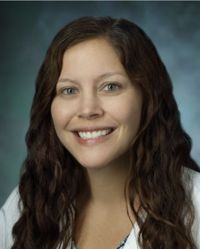
Emily B. Ambinder, MD
Assistant Professor - Breast Imaging Division
The Russell H. Morgan Department of Radiology and Radiological Science, Johns Hopkins Medicine
© 2026 Medality. All Rights Reserved.
