Breast Radiology Advocacy Updates, Dr. Amy K. Patel (1-26-22)
HIDEInteractive Transcript
0:01
Hello and welcome to today's new conference
0:04
co-sponsored by MRN line and aawr.
0:08
The aawr was founded in 1981 to
0:11
provide a form for issues unique to
0:14
women in Radiology radiation oncology and
0:17
related professions.
0:19
The association sponsors programs that promote opportunities
0:22
for women and facilitates networking among
0:25
members and other professionals as well
0:28
aawr strives to meet the first and
0:31
changing needs of its members through mentorship opportunities
0:34
for the next generation of women radiologist.
0:38
Aawr has membership opportunities for those
0:41
who have completed their training members and training and international
0:44
Radiologists. You can learn more
0:47
about their mission and membership at aawr.org.
0:51
MRI online is thrilled to partner with aawr on
0:54
these lectures and committed to advancing and supporting
0:57
women in Radiology as part of our mission to transform the
1:00
way wait Radiologists learn and Thrive you
1:03
can access the recording of today's conference and
1:06
previous new conferences by creating an MRI online account.
1:10
You can also sign up for a free trial of our premium membership
1:13
to get accessed hundreds of case-based microlearning
1:16
courses across all key Radiology subspecialties.
1:21
Today we are honored to welcome Dr. Amy Patel for a lecture
1:24
on breast Radiology. Advocacy updates.
1:27
Dr. Patel is a board certified certified radiologist
1:30
who specializes in breast Imaging.
1:33
She's a breast radiologist medical director of
1:36
the Breast Care Center at Liberty Hospital and assistant professor
1:39
of radiology at the University of Missouri, Kansas City
1:42
School of Medicine.
1:44
Dr. Patel is also the current president of aawr after
1:47
Dr. Patel goes through her
1:50
presentation. Please join her in Q&A and
1:53
you can put your questions in the Q&A box.
1:56
And please remember to submit those
1:59
as she talks.
2:02
And with that we are ready to begin today's lecture Dr. Patel.
2:05
Please take it from here.
2:07
Thank you very much. And thank you for sharing that information
2:10
on awr as well. I'm
2:13
very proud to be the president this year of awr in
2:16
my one-year term. And I
2:19
also wanted to mention for those who are joining internationally. We
2:22
now offer International membership. So
2:25
please you know, if you have any modicum of
2:28
Interest go online at www.awr.org check
2:33
that out we welcome all we have a robust
2:36
male membership to so you don't
2:39
have to just be a woman to join and it's free for trainees
2:42
if you're medical student or resin or fellow so really encourage
2:45
you to join and we're very grateful for our
2:48
partnership with MRI online. So so I'm
2:51
gonna just Dive Right into this talk today, so
2:55
Today, I'm going to give some breast Radiology. Advocacy updates.
2:58
Not just you know,
3:01
there has been some promotion about this lecture
3:04
and talking about particularly some the
3:07
final rule coming out from the FDA regarding
3:10
mqsa. We will cover that but we're going
3:13
to also cover some critical pieces of
3:16
legislation that affect breast Radiologists and other
3:19
things that you should be aware of in
3:22
regards to the field radiology and our legislative efforts and
3:25
ways in which you can get involved, so it will
3:28
be quite a comprehensive discussion today. And then of course at the
3:31
end of you have questions, please don't hesitate to ask me.
3:40
These are my disclosures and in
3:43
another disclosure, of course is I'm giving a lecture for
3:46
MRI online and I am involved with working with MRI
3:49
online on lecture content.
3:53
Okay. So today I have four questions for you.
3:57
Number one, what does advocacy mean for radiology and
4:00
our patients?
4:02
Number two, why is advocacy crucial for patient care
4:05
and access?
4:07
Number three, how can I get involved at the local state and
4:10
National level and finally why is
4:13
it important that the house of radiology work together when
4:16
it comes to breast Radiology advocacy efforts?
4:22
So first some key terms so the word
4:25
advocate comes from the Latin ad and velcare which
4:28
is to call and Advocate involves
4:31
efforts to affect some aspect
4:34
of society including individuals employers or
4:37
the government.
4:38
Now lobbying is advocacy that's focused
4:41
on specific legislative pieces with clear reporting requirements
4:44
and penalties for infractions from
4:47
the Federal Election Commission the FEC.
4:50
Now in the past, you know in the field of medicine lobbying, you
4:53
know might have suggested sort of a negative
4:56
connotation or people didn't want to use that word lobbying, but
4:59
we really in the house of medicine and especially in Radiology. We
5:02
need to embrace the word loving because the word because
5:05
lobbying is crucial for access to care
5:08
for our patients and it really needs to be a part of our
5:11
everyday vernacular as we fight for access to
5:14
care for our patients.
5:16
Now policy is a course or principal of action adopted or
5:19
proposed by a government party business or individual.
5:24
So why should you get involved in our advocacy efforts
5:27
because advocacy really represents our
5:30
commitment to the Future Radiology as the
5:33
old adage says if you aren't at the table you're on the
5:36
menu and that is certainly the case when
5:39
it comes to advocacy efforts.
5:41
It becomes a state of mind. Once you
5:44
start getting immersed in advocacy
5:47
Endeavors. I really inform here understanding of
5:50
Medical Practice throughout residency and Beyond. I I'll
5:53
also teach a class at the University of
5:56
Missouri, Kansas City school of medicine and today to
5:59
my medical students. We talked about advocacy and
6:02
I talk to them about getting involved even at the medical student level
6:05
the earlier the better.
6:07
And its habit forming and helps build momentum for
6:10
future involvement.
6:13
So this slide is so crucial. If you don't, you know,
6:16
if you zone out in this lecture today try not
6:19
to zone out on this slide if you can remember any luck as a
6:22
lecture slide, this is the slide I want you to remember.
6:25
94% of Congress has no Health Care
6:28
background. And this is I'm talking about the federal level
6:31
94% of Congress. No Health Care
6:34
background. That means only 6% do and all
6:37
of them are making decisions on behalf of
6:40
House of medicine are patients access to
6:43
care very reimbursement. So if we do not step up
6:46
and educate particularly this 94% of
6:49
Congress that has no healthcare background. No one
6:53
will and so it's really important that we are have these
6:56
close relationships with our federal elected officials as
6:59
we advocate for these pieces of
7:02
legislation that are so crucial for our patients. So like I
7:05
say said earlier getting involved early so imperative forming
7:08
these really staunt relationships. They really
7:11
rely on our expertise and we become the go-to
7:14
and as we'll talk about in some subsequent slides
7:17
Radiology has really positioned itself in such
7:20
a way that we are such a formidable source of
7:23
information and
7:25
Such a formidable go-to on Capitol Hill, which is
7:28
a testament to those Radiologists or committed to
7:31
radiology and are amazing staff our
7:34
government relations staff that works speciferously on
7:37
behalf of us when we cannot be physically there on Capitol
7:40
Hill.
7:42
So how can you get involved? There are
7:45
so many ways to get involved. It doesn't just have to be at
7:48
the federal level. It can be at the local level could
7:51
be at the state level and I'm going to share some examples.
7:55
So the local level a great way to
7:58
engage elected officials is a site
8:01
visit.
8:02
Have your state elected officials come over to where you
8:05
work and see who you are how you play a role? That's
8:08
so integral and patient care. So, you
8:11
know breast centers are a great Avenue to
8:14
do this. So when I came on as a medical
8:17
director of my breast center back in 2018, um,
8:20
I told my hospital staff
8:23
particularly our senior leadership that I wanted to
8:26
host a side visit. I wanted to invite our state elected officials
8:29
who represented us to see our Breast Center, you
8:32
know, what we do for patients the role we
8:35
play in cancer detection and Beyond
8:37
And so I invited these representatives and
8:40
then Senator Lauren Arthur who's in the right hand image to
8:43
come and just spend the day and it
8:46
can be an extremely effective Avenue to drive policy change
8:49
because from that encounter it
8:52
not only benefited me and our staff
8:55
and our Radiologists, but it benefited the hospital,
8:58
especially when it came time for covid and even
9:01
access to vaccines, and we we had these people
9:04
on speed dial and it was so so crucial so
9:07
building these connections is so so important. I can't
9:10
stress it enough and I'll give you an example of a relationship that
9:13
form from this site visit that ended up
9:16
with us passing some really critical breast Imaging legislation in
9:19
Missouri.
9:21
So at the state level you can join your state
9:24
radiological society and I'll talk about the Radiology.
9:27
Advocacy Network in subsequent slides. So
9:30
each state has their own
9:33
State radiological society that you can join that falls of
9:36
the under the umbrella of the American College of radiology
9:39
and most advocacy issues are State
9:42
specific. So getting involved at the state level is really
9:45
really important. There's a lot of State
9:48
specific issues going on right now around for
9:51
example scope of practice, which is a very
9:54
hot button issue right now in many
9:57
many states.
9:59
Um, also if you're trainee and you join your
10:02
state radiological Society efforts, there's usually funding
10:05
that's provided for trainees to attend the
10:08
American College of radiology meeting and even to
10:11
participate in the
10:14
Rutherford Levante government relations Fellowship that I'll talk
10:17
about in subsequent slide. So again for trainees getting
10:20
involved in these efforts whether you're medical student resident or fellow it's
10:23
free. So I got involved as a first
10:26
year resident and I never looked back. So I would really, you
10:29
know, those who are trainees on here listening today tuning
10:32
in. I would most certainly encourage you
10:35
to get involved now absolutely free and it
10:38
will become, you know, very habit forming and
10:41
will stay with you the rest of your life.
10:44
So at the state level also the Missouri
10:47
State Medical Association it for
10:50
example in our state is a great way to get involved. So
10:53
each state has its governing State Medical
10:56
Association and for where I practice
10:59
it's, Missouri.
11:00
And you know the house of radiology. It's so
11:03
important that we have close relationships with our
11:06
governing State Medical
11:09
bodies. And we have Radiologists in
11:12
the field that are doing some pretty incredible things at
11:15
the state level through their medical associations.
11:18
And so, you know, it's important
11:21
for us as Radiologists to have close relationships with
11:24
these governing bodies with their lobbyists because
11:27
whenever there's critical pieces of radiology legislation that
11:30
come to head in your state you want the
11:33
backing of this governing body. So for example, when we
11:36
pass breast Imaging legislation in Missouri in 2018 and
11:39
2020 having the support of msma was
11:42
so important when we testified in
11:45
Jefferson City, which is our state capital the msma
11:48
lobbyists were there to support us. They were there to submit
11:51
letters.
11:52
So important because that shows our state elected officials
11:55
that the whole house of medicine was behind us and
11:58
they're more likely to vote for your critical pieces of legislation. So I
12:01
would recommend, you know, if any of the Moda
12:04
committed of interest to get involved in your State Medical Association to
12:07
do so, I am involved in our State Medical Association,
12:10
too. It's so important for me to help bridge
12:13
that gap between the house of Medicine with the
12:16
house of radiology and it's just wonderful to
12:19
build these relationships and make sure that that we are all
12:22
on the same page fighting for Access for our
12:25
patients.
12:27
So I talked about a sar
12:30
as you know, these site visits that we host and from
12:33
a site visit. I met Senator Lauren Arthur that's
12:36
in this sort of purple jacket here.
12:38
And I met with her and then what had happened
12:41
was that if all if some of you recall in April
12:44
of 2018, there were recommendations
12:47
that came out from the American College of radiology and above
12:50
average risk women particularly when it came to
12:53
Imaging surveillance. So we started recommending
12:56
these we risk assess patients in our Breast Center.
12:59
We started recommending these recommendations, but
13:02
the problem was is that insurance providers were
13:05
not covering it. So we were getting all these phone calls and just
13:08
you know, my insurance provider doesn't cover
13:11
this. Like how can you recommend this and there's no coverage and
13:14
you know, there's a whole thing. So I met with Senator
13:17
Arthur for coffee one day and I said listen like this is what is
13:20
happening and I want to see if you would be willing to
13:23
Champion a bill in the Missouri legislature to
13:26
try to pass some sort of high risk or
13:29
above average risk breast Imaging legislation. So we got to
13:32
work she is a very she's a champion for Women's Health.
13:35
She was a new senator in,
13:38
Missouri.
13:38
She needed some sort of platform. So it was sort of
13:41
an opportune time for both of us in that regard and she
13:44
really championed this through and
13:47
In essentially this is an image of us on the left. We testified in
13:50
front of the the finance committee
13:53
on the Senate side in March of 2020 right
13:56
before the covid shutdown and somehow miraculously, we
14:00
got this bill passed the governor signed it into law in August
14:03
of 2020 and we never looked back. So, um,
14:06
just you know, these site business can just lead to just incredible
14:09
things that can affect so many patients which did
14:12
for our patients in Missouri. And then in 2018.
14:15
We were also prior to the high risk breast
14:18
Imaging legislation. We were able to secure digital breasts to
14:21
most synthesis coverage and I was honored to be involved in getting that
14:24
past as well and now
14:26
Working on in the state of Missouri passing a diagnostic
14:29
breast Imaging coverage without co-payer deductible
14:32
a much more lofty goal, but it's something
14:35
that will continue to fight for because that is
14:38
something that we know that patients need access to so again
14:41
relationships with your elected officials can help
14:44
tremendously getting your state rad Society on
14:47
board medical societies on board can be important for
14:50
this legislation. Msma was behind us the
14:53
pathologist. We're behind us. There are many Medical Specialties that spoke
14:56
up on behalf of our patients and it helped tremendously to
14:59
get these bills past the finish line.
15:04
So I'm going to switch gears now. So the American College of radiology of
15:07
kind of mentioned that now that is a great way for you to get
15:10
involved at the national level. It truly is our
15:13
governing body at the national level that
15:16
oversees the profession of radiology in
15:19
so many ways and one of the pillars that
15:22
the Acra or the ACR really focuses
15:25
on is advocacy. Advocacy government
15:28
relations. They are truly the go-to of
15:31
when it comes to that piece of
15:34
what we do is Radiologists.
15:37
So advocacy is one of the fundamental missions of the American College
15:40
of radiology.
15:42
Entails representing the interests of Radiologists and
15:45
their patients to Congress State legislatures and Regulatory Agencies
15:48
educating Radiologists and
15:51
Radiologists and training regarding legislative and
15:54
Regulatory developments and then supporting Grassroots participation
15:57
and advocacy via Capitol Hill days legislative
16:00
calls to action and the Radiology. Advocacy
16:03
Network.
16:06
So as I alluded to earlier you want to meet with elected
16:09
officials early. So an example
16:12
is the ACR has a Rutherford
16:15
Levante government relations Fellowship. This
16:18
is a one-week Fellowship in DC but expose residents
16:21
to all of gr's activities.
16:24
The acr's role in Federal and
16:27
State Legislative and Regulatory processes. It
16:30
is a one-week program and usually the
16:33
deadline for this is in June of each calendar year. So these
16:36
are some images of me.
16:38
With some federal elected officials at the time in Kansas
16:41
because I was a resident at University of Kansas in Wichita.
16:45
And I was a Rutherford fellow my senior year. So I started getting
16:48
involved in the ACR as first-year
16:51
resident and starting to immerse myself going to
16:54
Capitol Hill day, which I'll talk about in the next slide, but then
16:57
my senior year when I did the Rutherford, I got
17:00
to meet these elected officials spend time with them and
17:03
really understand how important this work is
17:06
when you're practicing radiologist the
17:09
clinical so important but this kind of work is equally
17:12
as important when it comes to access to care for our patients and
17:15
very reimbursement for the services that we provide now
17:18
this come this Fellowship is very competitive lots of
17:21
residence apply for it. So if you're a resident who applies and
17:24
doesn't get it don't despair because a lot of State radiological societies
17:27
will sponsor a resident and
17:30
send them so Missouri, you typically will send a
17:33
resident if they applied for the ACR Fellowship didn't
17:37
get it. Then we try to sponsor them through the state. So
17:40
there's always an opportunity to figure it out how to get to this
17:43
fellowship and do it.
17:45
And again, it's only one week but it's only in residency.
17:48
Once you're a fellow it's not available. Once you're
17:51
practiced it's not available. So if you're a resident you have
17:54
any modicum of interest in this try not to miss this incredible
17:57
opportunity, which will truly change
18:00
your life.
18:03
So on the national level as well, so
18:06
we talk about you know, we're talking about the ACR and
18:09
now you know when it comes to ACR meaning
18:12
the Wednesday of the ACR meeting you have
18:15
what's called Capital Hill day and Capitol Hill
18:18
days such a powerful day where all of these State rat
18:21
societies bring together. The residents their fellows
18:24
attending Radiologists and we storm Capital Hill and
18:27
we advocate for critical pieces of radiology legislation.
18:30
So some years we have advocated for
18:33
trying to prevent NIH funding
18:36
Cuts one year, we multiple years
18:39
we've advocated for access to mammography screening
18:42
CT colonography coverage to
18:45
name a few and it's just a really great day build a lot
18:48
of camaraderie amongst the profession of radiology. We're all on
18:51
the hill together. We get our elected officials involved this
18:54
image in the middle is a senator Rob Portman from
18:57
Ohio. He took a picture with some residents from Ohio. It's
19:00
a pretty cool day and it's just a way for
19:03
us.
19:03
To come together to show our federal elected officials that
19:06
we're all in for our patients.
19:09
You can also get involved at the national level by attending, you
19:12
know, the ACR annual meeting and of course Capitol Hill
19:15
day, but during the ACI no meeting we have
19:18
What's called the radpat gala and we'll talk about rad pack in some
19:21
subsequent slides as well. But does gal is a really great
19:24
way for us to show our support of our
19:27
advocacy efforts. And this is an image in the
19:30
lower left-hand corner of a bunch of residents who actually tend
19:33
to the gala we try to we try to send as many residences as
19:36
we can to this Gala as well try to bring them as
19:39
well and every year at the gallery, we recognize a champion.
19:42
Um, and you one year we recognize in
19:45
recent years. This is representative Debbie Wasserman Schultz,
19:48
and she is in a monography champion. So she
19:51
is a breast cancer survivor herself. She's very passionate.
19:54
She's played an instrumental role in access to
19:57
mammography coverage beginning at age 40 and
20:00
that year we recognized her and we gave her an award.
20:03
So, you know, we have a very close relationship with
20:06
her and we know she's a champion for mammography.
20:09
Screening and that relationship is purely due to
20:12
our incredible ACR government relations
20:15
staff who has just formed such a strong
20:18
relationship with her and through that so many of us Radiologists have
20:21
met her have formed stalwart relationships
20:24
with her and we know that we can go to her
20:27
for anything and that's what we really want in the professional Radiology Federal
20:30
elected officials that we can go to we can rely on
20:33
they can rely on us so that we can get critical pieces
20:36
of legislation past for patients.
20:40
So also the national level you can join the Radiology. Advocacy
20:43
Network and
20:45
this is an infrastructure of over 200 plus trainees and
20:48
Radiologists that represent their training program practice or
20:51
institution. Now, there are ran
20:54
leaders estate ran leader. Each state
20:57
has a ran leader and they sort of service the point
21:00
person. And then from there, we now are forming a
21:03
yps ran a young and early career professional Radiologists. Meaning
21:07
they are under the age of 40 or within the first
21:10
eight years of practice who would work with the ran leader.
21:13
And then each Residency program has a ran leader.
21:16
So the thought is that they all work together when it
21:19
comes to Grassroots advocacy or efforts getting the
21:22
word out on anything that we need Radiologists in
21:25
that state to know about and to act
21:28
So I'll talk a little bit about what ran 3.0 is
21:31
in a moment, but the rain is truly crucial for tackling federal
21:34
policy issues, but we can provide
21:37
support at the state level if need be in the
21:40
form of calls to action.
21:43
So ran 3.0. So I was really honored
21:46
to take over as chair of the Radiology. Advocacy
21:49
Network last spring and brand
21:52
1.0 was just the Rand that
21:55
started as a glorified sort of email chain by
21:58
Dr. Andrew Wu ran 2.0 was
22:01
essentially the next phase of
22:04
Rand that was chaired by Dr. David Yeomans where
22:07
we started to bring in digital media and social media and now
22:10
ran 3.0 is under the direction of me and
22:13
I'm going to kind of go into what that means for you and
22:16
the house of radiology.
22:18
So we've done a lot in very short period of
22:21
time we have now devised in inaugural Rand
22:24
board. So it's not just a chair and a vice chair when it
22:27
comes to the ran and our amazing executive director Melody
22:30
balusters. We have included we have expanded our
22:33
tent. So not only do we have these ran leaders in each
22:36
state, but now we have a governing board and this
22:39
board is comprised of incredible Radiologists of
22:42
different career levels and practice types A Very
22:45
diverse group that provides incredible input for
22:48
the direction of the Radiology. Advocacy Network and our
22:51
Grassroots advocacy efforts throughout the country. We are
22:54
in the process of completing the yps ran which
22:57
I talked about and we talked about
23:00
sort of how they work in concert with our main state
23:03
ran leaders and Residency program trainee ran
23:06
leaders.
23:07
We've also this year established a pre-radiology ran
23:11
which is comprised of medical students and those students who
23:14
are now interns who unfortunately did not match
23:17
into Radiology. We've had a lot of interns who
23:20
have reached out and now they have joined us and
23:23
they have joined medical students and that's been really amazing
23:26
because pipeline creation is crucial to the advocacy movement
23:29
as we say the sooner you
23:32
can sit on the radically Kool-Aid the better it will be for patients
23:35
in the future of radiology.
23:37
We have more frequent communication all year round.
23:40
We have a brand newsletter that goes out quarterly. We
23:43
have webinars that are quarterly we have tweet chats.
23:46
We have in-person meetings. We have a ran in-person meeting at
23:49
the ACR meeting every year. So we are really trying to
23:52
increase communication. So everybody in the house of radiology knows what's
23:55
going on. We also have undergone a tremendous
23:58
website refresh it took months and
24:01
we finally got it going and I couldn't be
24:04
more grateful to our government relations team. Particularly Melody
24:07
Bell stero's Haley Brown to mention a
24:10
few that worked really hard on this website
24:13
and it's designed to be as user friendly
24:16
as possible and act as a repository of all things
24:19
advocacy. So if you go to www.radiology advocacy.org,
24:22
you can see it there check
24:25
it out. Give us feedback. We're trying to make this as user
24:28
friendly and accessible to you as possible.
24:32
So this is sort of the interface of the website and you
24:35
can toggle back and forth between ran and rad pack, which
24:38
is really nice. So I would really welcome you
24:41
to go and check this out and see
24:44
everything that the website has to offer.
24:48
You can also look at there's a section ran leaders
24:51
by state where you can essentially toggle over
24:54
your state. You know, my State's Missouri.
24:57
So it's in red and when you toggle over it, it can show
25:00
you how many who you're in how many ran leaders
25:03
you have? How many if there's a recent call
25:06
to action how many calls to actions were sent out
25:09
from your state? So it's a really nice way to
25:12
see who are your main ran leaders in your state
25:15
and then what's the activity like in your state? You know
25:18
who's responding to the call to action who's engaged which
25:21
dates are engaged? It's a really nice map that
25:24
we have.
25:27
So ran leaders are asked to communicate information regarding legislative
25:30
calls to action. So like let's say
25:33
so so a lot of you know recently we sent out
25:36
multiple calls to action to prevent Medicare cuts. And
25:39
so our ran leaders try to send that
25:42
information to their you know,
25:45
practices institutions to encourage others
25:48
to respond to these calls to action. They also
25:51
share information regarding radical because
25:54
you Journal clubs and then rad pack events.
25:58
So if you want to become an advocate, if you go to the Radiology advocacy
26:01
website, you just go up to oh,
26:04
I'm so sorry. That kind of my mouse
26:07
is very touchy if you go up to.
26:11
Become an advocate. This will come up
26:14
and you can just type in your information and we
26:17
can offer you advocacy content.
26:20
We can get you involved in the fight. So it's a very
26:23
easy way for you to become an advocate and for us to
26:26
add you to the list.
26:29
So Switching gears a little bit. We're gonna
26:32
talk a little bit about Rat Pack. So what is rad pack
26:35
so rad pack is the non-partisan multi-candided political
26:39
action committee of the American College of Radiology Association. So
26:42
rad pack is Under the Umbrella of
26:45
ACR a not specifically ACR
26:48
and that is just purely for tax purposes. So if you see Acra,
26:51
you might be confused. It's just simply a
26:54
designation that's related to different tax filings
26:57
and red pack focuses on the political
27:00
influence of radiology in Washington DC. It
27:03
contributes to the campaigns of candidates based
27:06
on their ability to best represent the interests
27:09
of radiology and we have a really
27:12
good success rate. So those who we have supported in
27:15
their campaigns and who support the house of radiology
27:18
and our patients the success rate for those campaigns that
27:21
we've contributed continues to be over 90% So
27:24
we usually know which people are going
27:27
to
27:29
Do well and win and that means a win for our
27:32
patients.
27:34
So some people ask me know what you know,
27:37
where does the money go? What does it mean? And so I wanted
27:40
to go over very quickly, you know, what is hard money
27:43
versus soft money. So hard money
27:46
is a contribution that's hard money
27:49
contributions are made from an individual radiologist trainee
27:52
from a personal bank account in contributions
27:55
can be used to directly support proradiology
27:58
candidates. Okay, and again, if so,
28:01
it's coming from a personal bank account the contributions can
28:04
only be used to directly support Pro Radiology candidates.
28:07
And this is all under FPC regulations. Now soft
28:10
money contribution is made by a group practice from a
28:13
corporate account in contributions can be used to support
28:16
staff to travel on behalf of radpad such
28:19
as presenting at a grain rounds or attending the
28:22
Democratic or republican national conventions.
28:26
So these are the top packs in
28:29
2020 and 2021 and you
28:32
can see that rad pack. You know, we're at number four in 2021
28:35
a historically, you know, we have been you
28:38
know at one and two but we've sort
28:41
of lost our footing in the last few years. So really trying to
28:44
get back to where we were I am,
28:47
you know excited to say that the last couple years we're
28:50
starting to go up again, which is really great. It's showing
28:53
an interest again in the profession of our Radiology of
28:57
our patients. They're well over 40 specialty physician
29:00
packs in the country. So this is sort of where we fare.
29:03
It's still very good but we really want to try to get into
29:06
the one or two slots again, you know, the anesthesiologists are
29:09
totally rocking it right now, so that might be a tall
29:12
order but we could certainly most certainly beat the
29:15
dentist that I am certain. So, you know
29:18
for the second consecutive year we did see Rat Pack
29:21
did see an increase in both contribution dollars raise as
29:24
well as the number of contributors.
29:26
And we raised 30,000 more than in
29:29
2021 and we saw 215 more
29:32
contributors. So that was really great. We also
29:35
increased the number of fundraising events hosted and
29:38
in which Rat Pack participated.
29:41
And increased its total dollars and contributions made
29:44
to Federal campaigns to 974,381. So
29:48
we're definitely back, you know
29:51
on the upslope again, but it's going to take an
29:54
effort from all of us to really get to where we once were
29:57
but I'm you know, I'm cautiously optimistic we will get there. We
30:00
have so many Radiologists who are dedicated to our
30:03
profession.
30:05
So, what does this tell us?
30:07
Safe to say the rat packs visibility and impact on
30:10
Capital Hill really is and an all-time high and it's
30:13
critical that rat pack maintains its
30:16
status as Radiology continues to face many legislative challenges
30:19
ahead.
30:21
Including but not limited not limited to Ferry reimbursement
30:24
cancer screening coverage, you know, we're always
30:27
on a chopping block from mammography screening and
30:30
access when we talk about the pals act which I'll talk about in subsequent
30:33
slides scope of practice issues and
30:36
larger Medicare reform initiatives.
30:41
So as alluded to earlier, we have some events for rad
30:44
pack all year round to get people involved. We do
30:47
have the March chapter challenge. It's coming up
30:50
where the states compete against each other in a
30:53
March Madness style bracket. And what's up
30:56
for grabs or bragging rights raffle tickets and the winning States
30:59
given $500 to send it to trainees
31:02
to the annual ACR meeting. So the March chapter
31:05
challenge is going to be underway soon. So look out for
31:08
more information on that.
31:12
So recent topics in breast Radiology
31:15
advocacy, so, you know, why do I talk about Acra and
31:18
ACR and why do I talk about rad pack and rant
31:21
they have played in integral role to
31:24
advocating and helping us Radiologists
31:27
when it comes to breast cancer
31:30
screening and particularly the
31:33
pals act the protecting access to
31:36
life-saving screenings act. We have to
31:39
give credit to this body who has worked so hard
31:42
on behalf of us when we can't be in DC to ensure
31:45
that our patients have access to breast screening coverage
31:48
additionally some recent
31:51
topics that also affect the world of breast Radiology
31:54
our CMS Cuts. We know that we unfortunately
31:57
have seen two rounds
32:00
of seeing some of Medicare cuts to achieve
32:03
budget neutrality for evaluation and
32:06
management coding Physicians who typically aren't
32:09
us and we were on the chopping block
32:12
again.
32:12
Have a 4% cut. We regained about
32:15
2.5% of that this year, but we lost 1.5% So
32:18
we are pleading with our federal elected
32:21
officials that they achieve some sort of,
32:24
you know, reform for Medicare.
32:27
We cannot continue to have cuts that are
32:30
affecting patient care and access affecting our elderly. If
32:33
it's it's you know, something that we are
32:36
going to continue to fight for and this affects everyone of
32:39
us in the house of radiology doesn't matter. If you're in private practice,
32:42
if you're an academics, it doesn't matter if you're a pediatric
32:45
radiologist or breast radiologist, it affects all of us
32:48
and we all need to get involved and be educated on the
32:51
subject and help in any way we can
32:54
I'm also going to talk a little bit about the National Breast density
32:57
notification rule some information
33:00
on that but really the
33:03
two things that you know, the acri Acra has
33:06
worked so hard on is the pals act
33:09
and particularly are Medicare cuts.
33:12
So the protecting access to life-saving screenings
33:15
act this involves annual mammography
33:18
coverage beginning at age 40 and essentially
33:21
this legislation is
33:24
a moratorium on the USPS TF
33:27
recommendations that recommend any of mammography
33:30
screening every other year beginning at 50
33:33
this essentially shuts that down and although
33:36
you know, the pals act has
33:39
been introduced by champions in our field. I
33:42
mentioned wasterman Schultz. We've had incredible
33:45
others Fred representative Fred Upton
33:48
on the Senate side Dianne Feinstein. We've had
33:51
Senator Blackburn just some really great champions
33:54
for us. We did get a moratorium
33:57
again on the uspsd of Rex extended
34:00
to 2028 now, but it was through Appropriations
34:03
bills a part of the larger package. So we are,
34:06
you know still being able
34:09
to sort of stipend.
34:12
Sort of stymie the uspsdf Rex. But
34:15
again, this is only through 2028. This is going to come up again. We
34:18
all need to be able to fight this to
34:21
ensure that women have access beginning at age
34:24
40 firm mammography. Now also this
34:27
moratorium includes clarification that
34:30
service women should benefit from the same screening
34:33
mammography protections beginning at age 40.
34:36
So that's really really wonderful that we can you
34:39
know, in terms of Equitable care for all
34:42
patients and especially our service women who have given such a
34:45
sacrifice and then clarifying language that
34:48
specifies all modalities is
34:51
intended to include digital breast to most synthesis and
34:54
and the clarifying language is really so that
34:57
we can ensure that everyone is covering digital breasts
35:00
to most synthesis as we know that certain states
35:03
are still having this issue where their insurance
35:06
isn't covering a digital breast synthesis for
35:09
screening.
35:12
So some people know about these the
35:15
National Breast density notification rule. So
35:18
this has been something that came
35:21
out, you know, as far as back as 2019 and at
35:24
the FDA was going to issue a
35:27
final Rule and in covid happened and everything
35:30
got pushed behind. So in a recent
35:33
letter to representative Rosa de lauro the FDA
35:36
noted that the final rule on amendments to
35:39
the mammography quality standards act will be
35:42
issued. They said late 22 early 23, we never
35:45
heard back and late 22, so it's likely to be early
35:48
23 about this.
35:51
And this will include a national reporting standard for
35:54
breast and sea notification. Now, there's been
35:57
talk of there might be language of
36:00
we will be required to include patient-oriented
36:03
summaries of high or
36:06
low density breasts or language
36:09
about the significance of breast density or an
36:12
include one of the four breast density categories.
36:15
Now some of this stuff we already a lot of us
36:18
is breast images include, you know, a lot of us in the country already include the
36:21
one of four breasts and sea categories 38
36:24
states of us have breast and see
36:27
notification laws. So we're required to include that language
36:30
in the report Missouri's one of them it passed in 2015.
36:33
So we have to have a little disclaimer about
36:36
dense breasts and what that means in our reports too,
36:39
but this is sort of what has been said that will
36:42
be included in it, but it's still unclear. So
36:45
I want to make it clear that the final language of what we
36:48
are going to have to include for a national reporting.
36:51
Standard it remains to be seen so we have an
36:54
idea, but we don't know for sure and we need to wait until the
36:57
FDA tells us what needs to be included.
37:01
So also you might
37:04
have seen in the media particularly as of
37:07
recently the find it early Act.
37:10
So the find it early Act was introduced by
37:13
representative delauro and representative Fitzpatrick. So
37:16
it's a bipartisan legislative effort in
37:19
December of 2022. Now this
37:22
bill would provide coverage with no cost sharing
37:25
for additional screening and diagnostic breast
37:28
Imaging exams for the detection of breast cancer, either
37:31
2D or 3D mammography breast ultrasound
37:34
breast MRI or any other
37:37
technology as determined in accordance
37:40
with specified Criterion guidelines with no
37:43
limitations on the frequency for in certain
37:46
individuals assess to be at increased risk
37:49
for breast cancer. So increased risk whether it be
37:52
the recommendations from the ACR or the
37:55
nccn.
37:56
Or if they are do have to
37:59
express now the proposed coverage requirements
38:02
would apply to private insurance Medicare Medicare
38:05
Advantage Medicaid Tricare the
38:08
VA now since this was introduced in
38:11
December of 22, it will need to be reintroduced in
38:14
the current Congress. This is also the
38:17
the bill that if you all may
38:20
recall that Katie Couric worked on with these
38:23
two Representatives after she
38:26
you know revealed her breast cancer diagnosis and treatment
38:29
now as you can imagine as I describe this
38:32
bill, it's pretty expensive. So it you
38:35
know, if this is reintroduced into the current
38:38
Congress, then it would be subject to a
38:41
multi-committee jurisdiction. It will have to be you know,
38:44
raised With the Energy and
38:47
Commerce Committee ways in means they
38:50
have jurisdiction over Health Care armed services
38:53
Veterans Affairs. So it's it's definitely a
38:56
order but it has been introduced in
38:59
December and will need to be reintroduced in the current Congress.
39:04
So Switching gears a little bit another way to
39:07
get involved with our breast Radiology advocacy efforts
39:10
and advocacy efforts in general is social media. We have
39:13
a very robust Radiology twitterverse. These
39:16
are some of the hashtags we use these are
39:19
some of the Twitter handles that you can tag, and you
39:22
can follow acran rad pack RFS. Yps.
39:25
And we use social media
39:28
as a means to in a positive way
39:31
thank our elected officials for
39:34
championing our advocacy efforts, especially when
39:37
it comes to breast cancer screening and access that you
39:40
know, if you're going to be involved in social media
39:43
efforts for breast Radiology political. Advocacy, you
39:46
want to try to keep it as positive as you can.
39:49
And elected officials, sometimes they
39:52
like to get involved in our advocacy effort. So this is
39:55
an image of Senator Cory Booker in 2017. We
39:58
went to Capitol Hill to Advocate to prevent NIH
40:01
funding cuts at year and he was for it
40:04
as well and he said hey, can I shoot a video? So he should
40:07
have he shot a video here with two New Jersey Radiologists and
40:10
within a day he had over 15,000 views.
40:14
So it's just a really great way to you know, Advocate together
40:17
for important causes and just
40:20
show from a you know, a digital
40:23
landscape that we are working with our elected officials
40:26
on behalf of our patients for access.
40:30
I often for all of my legislative efforts.
40:33
I share on social media kind of what I'm
40:36
up to and in a lot of it is because if
40:39
there are others who need to seek guidance from
40:42
me in regards to these topics or others who have
40:45
the knowledge on it. I can steer them in the right direction and also
40:48
to thank those who have been such champions
40:51
for us. This was a one of my tweets, you know,
40:54
say expressing my gratitude to
40:57
representative delara. She's just been really really amazing and
41:00
as one of our Champions as
41:03
well. So social media again can be just
41:06
a really great way to amplify our price Radiology advocacy
41:09
efforts.
41:11
And Facebook is still relevant to so specifically
41:14
when we were advocating for
41:17
high risk breast Imaging legislation in the state of Missouri. I know
41:20
that women who are getting a mammogram,
41:23
you know, they tend to be in that sort of, you know late 30s
41:26
40s 70 plus sort of
41:29
age range and there, you know.
41:31
Given that social media is the oldest platform. A lot
41:34
of these women are on social media particularly Facebook. And
41:37
so we started sharing our efforts of
41:40
what we were doing to Rally support for
41:43
this legislation. You can see the engagement from
41:46
these two posts one by me one for us from
41:49
Senator Arthur and from here. We had so many women reach out
41:52
saying, how could we help can we submit a letter we had like 40
41:55
letters submitted 40 or 45 litters that
41:58
we had submitted when you know,
42:01
the the legislature was going to
42:04
decide on this bill and it was just so hard to deny that
42:07
there were so many women reaching out saying I'm high risk.
42:10
I mean, you know, I would benefit from this coverage or my,
42:13
you know, loved one died and she would have benefited from this
42:16
coverage and it was very very powerful. So social media can truly
42:19
make a difference when you're advocating for critical pieces of
42:22
radiology legislation.
42:25
So other ways to get involved and stay informed we have
42:29
an amazing Radric podcast. It has really great content
42:32
keeps you in the know for all advocacy Endeavors
42:35
including breast Radiology. Advocacy Endeavors from
42:38
experts. We have the advocacy and
42:41
action E news that you may be getting if you're an ACR
42:44
member you should be getting it in your email every Saturday morning for
42:47
the most part which is content crafted by
42:50
our expert government relations staff and then
42:53
radvik you see Journal clubs. We have those periodically as
42:56
well as virtual webinars, which
42:59
we try to do quarterly now,
43:03
And this is if you go to the rad vacancy
43:06
website Radiology. Advocacy website, there
43:09
is a section of the podcast and you
43:12
can have you can see all the episodes there. You can
43:15
listen to the podcast on Apple or Spotify.
43:19
So in conclusion, advocacy represents our
43:22
commitment to the future of our profession, which you control as
43:25
doctors seek, Silva says who's the former
43:28
chair of the commission for economics and
43:31
ACR now, he's very high up in
43:34
the AMA representing Us in his amazing. He often
43:37
says make advocacy automatic and if
43:40
you can make it automatic, it really will
43:43
stay with you for the rest of your life and really better
43:46
not only you as a radiologist but your patience
43:49
and access to care and an increasingly competitive Health
43:52
Care environment. It's really gonna be up to this generation
43:55
to blaze the radicancy trail. There's a
43:58
diverse opportunities to get involved the local
44:01
state and National level as I have shared with you today. We
44:04
truly need radicates of all types to ensure the
44:07
future success of medicine and that our patients have
44:10
continued access to life-saving breast examinations. And
44:13
finally, we really need to work together in the
44:16
house of radiology because we really, you know,
44:19
Only competing interests. We don't want to dilute our efforts. We want
44:22
to make sure we're all working together all Radiology governing
44:25
bodies, whether it's you know, Society breast
44:28
Imaging American college Radiology. We need to be working
44:31
together and ensure our profession is cohesive and an
44:34
effective force in the house of medicine because in
44:37
the end, all we care about is ensuring that
44:40
our patients have access to care that they deserve and the only
44:43
way we're going to get this legislation pass is by being on
44:46
the same page and working together.
44:48
So special things to Ted Burns Melody Ballesteros
44:51
and Gloria romanelli. They are
44:54
just amazing of resources and support for me.
44:57
So I just wanted to give them a shout out.
45:00
And if you have any questions, here's my Twitter handle. You can also contact
45:03
me at Patel AK at umkc.edu.
45:08
And finally many of you know, I have been
45:11
honored to be named the 2022 can't see
45:14
Chiefs fan of the Year competing for NFL fan of the Year through February
45:17
8th if you feel so inclined to vote for me, here's a
45:20
QR code. I'm the first physician chosen. My platform has
45:23
been breast cancer awareness and early detection. And
45:26
so I'd really really appreciate your vote. I
45:29
want to win this for the house of medicine definitely to House
45:32
of radiology, and of course Chiefs Kingdom. So with
45:35
that I thank you so much and I'm happy to answer any
45:38
and all questions.
45:42
You have any questions go ahead and put those in the Q&A feature
45:45
the bottom of the screen.
45:47
We'll pause to see if we can get any questions
45:50
in.
45:53
Dr. Patel, that was a great presentation. Thank you so much for sharing all of
45:56
that and Illuminating how much work has
45:59
been done and how far we still have to go. It's it's really
46:02
nice.
46:04
Of course.
46:08
right
46:10
Thank you blew him away, Dr. Patel. No questions. And
46:13
if you need to reach out to retail
46:16
she provided her contact information, if you think of a question after we
46:19
do see well there's questions about yes.
46:23
There's a couple in chat Doctor Patel. Is there
46:26
any movement on breast density legislation uniform text written
46:29
for patients?
46:32
So we are waiting from the FDA of
46:35
what they're going to require. We don't know at
46:38
this time. You know, like I said in that pre one of
46:41
the slides that there's some talk of what will be required. We're
46:44
hopeful that they'll provide some sort
46:47
of uniform language but it truly remains to be seen so
46:50
we don't want to be speculative or presumptive but
46:53
we're really just waiting for what the FDA says
46:56
on this. We just don't have any updated information,
46:59
you know, I checked in with Gloria this morning and there's
47:02
just nothing there yet to to guide us one way
47:05
or another but I will say this that if
47:08
the FDA does come out with your requirements, but
47:11
they don't provide a template language. I
47:14
would say that, you know reaching out
47:17
to other states that have passed breast dense
47:20
tea legislation and seeing kind
47:23
of what their language is or what they put together can be
47:26
really helpful. So like for Missouri, like I said, we pass legislation
47:29
in 2015, so, you know, please
47:32
Reach out to me. I can share what template language
47:35
we have. But I'm hope you know we're hoping that the
47:38
FDA will give us more Direction on it. We're just waiting to see what they
47:41
provide.
47:44
Right another question in
47:47
here. Oh my goodness. Oh
47:52
Can you throw some light on how to participate in Ran 3.0?
47:57
Yes, so if you want to get involved in the ran, what you
48:00
can do is you can email me or you can email Melody
48:03
Ballesteros and Ballesteros at
48:06
ACR dot acra.org.
48:09
I'm sorry acr.org and Bella
48:12
steroes at acr.org and we can get
48:15
you plugged in whether it's plugging you in at
48:18
the state level whether it's you know, if you have interest in
48:21
serving on the board in the future, we can certainly get you involved.
48:24
There's a lot of opportunities.
48:27
Awesome. Do you have any advice on changing
48:30
policies at one's Hospital level?
48:33
Yeah, so, um, you know.
48:36
So every institutions different and you know,
48:39
I used to practice at a lot much larger
48:42
institution. I used to work at Beth Israel Deaconess in
48:45
Boston. Now, I work at it more community-based hospital.
48:48
So, you know a lot easier to
48:51
pass policy and things and you know
48:54
at the bi but you know, I would say
48:57
that if you are at an institution that
49:00
has you know, some larger institutions have
49:03
their own lobbyists. I would
49:06
talk to that lobbyist about you know, who are the go-to's for
49:09
that person at that institution to enact
49:12
certain policy and they
49:15
can give you a lot of they can shed a lot of light or
49:18
even meeting with their chief medical officer can be
49:21
a really great way to sit down regardless of
49:24
how large your institution is. The CMO
49:27
can be a huge wealth of information and
49:30
support and guidance of how to direct
49:33
you because every hospital system.
49:36
Different with their policies and procedures like for
49:39
example just for you know, although
49:42
a little bit more vanilla, but for a
49:45
social media like it Beth Israel, they have a social
49:48
media committee that governs the whole system and
49:51
I was the physician liaison that represented the system.
49:54
Whereas now where and we
49:57
all made decisions together. Whereas now where I
50:00
am at my hospital in Kansas City metro and Liberty Hospital,
50:03
we don't have a committee like that. We have a PR marketing
50:06
team and we needed to put together a policy for
50:09
social media. And so they just turned to me and said can you
50:12
help us and it was something as simple as that so every system
50:15
is so different with policy changes, but you
50:18
know, if you're institution has a lobbyist reach out
50:21
to them. Otherwise going to the chief medical officer can
50:24
be really really helpful. If you don't get anywhere, you're
50:27
CMO even meeting with the CEO, I
50:30
would recommend I know going to the top can be
50:33
daunting but it can make a world of difference.
50:36
To help guide you in the correct direction.
50:40
Awesome. Yeah. Thank you so much for answering All Those Questions Dr.
50:43
Patel, and thank you so much for your lecture today and thank
50:46
you for participating in the audience.
50:49
Special thanks to our co-sponsor aawr you'll
50:52
be able to access the recording of today's
50:55
conference and all of our noon conferences by creating
50:58
a free MRI online account.
51:01
Be sure to join us next Thursday, February 2nd at
51:04
12 pm for a lecture by Dr. Alka
51:07
singhol on ectopic pregnancy challenges in
51:10
ultrasound diagnosis. You can register for
51:13
those lectures at Mr. Online.com. Follow us
51:16
on social media for future updates on new conferences.
51:19
Thanks and have a great day.
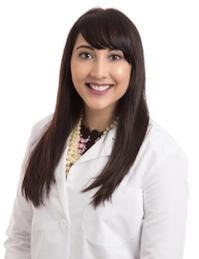
Amy K Patel, MD
Breast Radiologist, Medical Director
Liberty Hospital & University of Missouri-Kansas City School of Medicine
© 2026 Medality. All Rights Reserved.
