Training Collections
Library Memberships
On-demand course library with video lectures, expert case reviews, and more
Fellowship Certificate™ Programs
Practice-focused training programs designed to help you gain experience in a specific subspecialty area.
Ultimate Learning Pass
Unlock access to our full Course Library and all self-paced Fellowships.
Continuing Medical Education (State CME)
Complete all of your state CME requirements in one convenient place.
Noon Conference (Free)
Get access to free live lectures, every week, from top radiologists.
Case of the Week (Free)
Get a free weekly case delivered right to your inbox.
Case Crunch: Rapid Case Review (Free)
Register for free live board reviews.
Dr. Resnick's MSK Conference
Learn directly from the MSK Master himself.
Lower Extremities MRI Conference
Musculoskeletal Imaging
For Training Programs
Supplement your training program with case-based learning for residents, registrars, fellows, and more.
For Private Practices
Upskill in high growth, advanced imaging areas.
Compliance
NewTrack, fulfill, and report on all your radiologists' credentialing and licensing requirements.
Emergency Call Prep
Prepare trainees to be on call for the emergency department with this specialized training series.
Training Collections
Library Memberships
On-demand course library with video lectures, expert case reviews, and more
Fellowship Certificate™ Programs
Practice-focused training programs designed to help you gain experience in a specific subspecialty area.
Ultimate Learning Pass
Unlock access to our full Course Library and all self-paced Fellowships.
Continuing Medical Education (State CME)
Complete all of your state CME requirements in one convenient place.
Noon Conference (Free)
Get access to free live lectures, every week, from top radiologists.
Case of the Week (Free)
Get a free weekly case delivered right to your inbox.
Case Crunch: Rapid Case Review (Free)
Register for free live board reviews.
Dr. Resnick's MSK Conference
Learn directly from the MSK Master himself.
Lower Extremities MRI Conference
Musculoskeletal Imaging
For Training Programs
Supplement your training program with case-based learning for residents, registrars, fellows, and more.
For Private Practices
Upskill in high growth, advanced imaging areas.
Compliance
NewTrack, fulfill, and report on all your radiologists' credentialing and licensing requirements.
Emergency Call Prep
Prepare trainees to be on call for the emergency department with this specialized training series.
Lesson
Synovial Joints Welcome and Faculty Introduction
1 topic, 2 min. of video
Lesson
Tumors and Tumor-Like Disorders Part 1
7 topics, 36 min. of video
Lesson
Case Review with Dr. Donald Resnick and Dr. Marcelo de Abreu Part 1
4 topics, 13 min. of video
Lesson
Tumors and Tumor-Like Disorders Part 2
13 topics, 37 min. of video
Intracapsular Chondroma
4 m.Synovial Chondrosarcoma
3 m.Synovial Hemangioma
6 m.Amyloidosis
6 m.Xanthomatosis
2 m.Plexiform Neurofibromatosis and Metastasis
1 m.Bone Tumors: Intra & Trans-Articular Extension
7 m.Intracapsular Lesions
3 m.Epiphyseal Lesions
2 m.Trevor's Disease
2 m.Melorheostosis
3 m.Osteopoikilosis
1 m.Bizzarre Parosteal Osteochondromatous Proliferation
2 m.Lesson
Case Review with Dr. Donald Resnick and Dr. Marcelo de Abreu Part 2
4 topics, 9 min. of video
0:01
<v ->And the next case here is, let's take a look.
0:07
It's also a classic case.
0:08
It's a 35 year old female.
0:12
And what we can see is also epiphyseal,
0:17
and metaphyseal bone lesion
0:23
with margin that is well defined.
0:31
We have some cortico thinning here, and erosion,
0:39
a little bit of edema outside the lesion
0:42
that we also can see with T1.
0:46
We don't have any sclerotic border,
0:50
that's characteristic of this non-aggressive
0:55
Giant Cell Tumor.
0:57
So, I showed two types of Giant Cell Tumor.
1:01
This one is non-aggressive,
1:04
and the one at the radius is aggressive.
1:06
And you know what?
1:07
The prognosis of both aggressive and non-aggressive,
1:11
they don't change a lot.
1:14
Doesn't matter actually for the prognosis,
1:18
if the the type of the lesion.
1:21
So, here we can see that the.
1:25
And even if they are benign,
1:28
they can do a metastasis to the lung,
1:31
and nobody knows why,
1:33
the radio tumor, the tumor of the radius,
1:36
the Giant Cell Tumor is typically
1:39
can metastasize to the lung, even with his benign pattern.
1:49
So, this is the classic type, Donald.
1:52
<v ->Yeah, this is interesting to me,
1:54
just to point out something about distribution.
1:58
You know, we always talk about Giant Cell Tumors
2:01
as being epiphyseal lesions,
2:03
and we think of them as extending down
2:06
to the subchondral bone.
2:08
But as you know, there are reports of Giant Cell Tumors
2:12
in the immature skeleton, where they are metaphyseal,
2:16
and they then as the physis closes,
2:19
they extend into the epiphysis,
2:21
and eventually reach the subchondral bone.
2:24
So, it'd be interesting to know perhaps
2:27
what this might have looked like when the physis was open.
2:31
Was this in the metaphysis?
2:33
And is it subsequently grown down into the epiphysis
2:37
with closure of the growth plate?
2:39
Very nice case.
Giant Cell Tumor (Knee) on MRI
HIDEInteractive Transcript
0:01
<v ->And the next case here is, let's take a look.
0:07
It's also a classic case.
0:08
It's a 35 year old female.
0:12
And what we can see is also epiphyseal,
0:17
and metaphyseal bone lesion
0:23
with margin that is well defined.
0:31
We have some cortico thinning here, and erosion,
0:39
a little bit of edema outside the lesion
0:42
that we also can see with T1.
0:46
We don't have any sclerotic border,
0:50
that's characteristic of this non-aggressive
0:55
Giant Cell Tumor.
0:57
So, I showed two types of Giant Cell Tumor.
1:01
This one is non-aggressive,
1:04
and the one at the radius is aggressive.
1:06
And you know what?
1:07
The prognosis of both aggressive and non-aggressive,
1:11
they don't change a lot.
1:14
Doesn't matter actually for the prognosis,
1:18
if the the type of the lesion.
1:21
So, here we can see that the.
1:25
And even if they are benign,
1:28
they can do a metastasis to the lung,
1:31
and nobody knows why,
1:33
the radio tumor, the tumor of the radius,
1:36
the Giant Cell Tumor is typically
1:39
can metastasize to the lung, even with his benign pattern.
1:49
So, this is the classic type, Donald.
1:52
<v ->Yeah, this is interesting to me,
1:54
just to point out something about distribution.
1:58
You know, we always talk about Giant Cell Tumors
2:01
as being epiphyseal lesions,
2:03
and we think of them as extending down
2:06
to the subchondral bone.
2:08
But as you know, there are reports of Giant Cell Tumors
2:12
in the immature skeleton, where they are metaphyseal,
2:16
and they then as the physis closes,
2:19
they extend into the epiphysis,
2:21
and eventually reach the subchondral bone.
2:24
So, it'd be interesting to know perhaps
2:27
what this might have looked like when the physis was open.
2:31
Was this in the metaphysis?
2:33
And is it subsequently grown down into the epiphysis
2:37
with closure of the growth plate?
2:39
Very nice case.
Report
Faculty
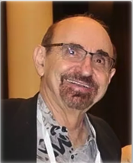
Donald Resnick, MD
Professor Emeritus, Department of Radiology
University of California, San Diego
Tags
Musculoskeletal (MSK)
MSK
MRI
Knee
© 2026 Medality. All Rights Reserved.
