Breast Density - Insights and Cases from Past, Present, and Future, Dr. Amy K. Patel (10-17-24)
HIDEInteractive Transcript
0:02
Hello, and welcome to today's Noon Conference co-presented
0:05
by Modality and A A WR.
0:08
The A A WR was founded in 1981 to provide a forum
0:11
for issues unique to women in radiology, radio,
0:15
radiation oncology, and related professions.
0:18
The association sponsors programs that promote opportunities
0:21
for women and facilitates networking among members
0:24
and other professionals.
0:26
A A WR has membership opportunities for those
0:29
who have completed their training.
0:30
Members in training
0:32
and international radiologists learn more about their
0:35
mission and membership@a.org.
0:38
We're thrilled to partner with A A WR on these lectures
0:42
as part of our shared commitment to advancing
0:44
and supporting women in radiology
0:46
and transforming the way radiologists learn and thrive.
0:49
Today, we are honored to welcome Dr. Amy K. Patel
0:53
for a lecture entitled Breast Density Insights
0:56
and Cases from Past, present, and Future.
1:00
Dr. Patel is a board certified breast radiologist medical
1:03
director of the Breast Care Center at Liberty Hospital
1:06
and Associate professor of Radiology at the University
1:10
of Missouri, Kansas City School of Medicine.
1:13
She's immediate past present president of A A WR
1:17
and is actively engaged in numerous societies, publications,
1:20
and speaking engagements.
1:22
Dr. Patel is passionate about women's health advocating
1:25
for equitable breast care,
1:26
and expanding access to care for all patients.
1:29
And we're so glad she's here today to share her expertise.
1:32
At the end of the lecture, please join Dr. Patel in a q
1:35
and a session where she will address questions you may
1:38
have on today's topic.
1:39
Please remember to use the q
1:41
and a feature to submit your questions so we can get to
1:43
as many as we can before our time is up.
1:45
With that, we are ready to begin today's lecture.
1:48
Dr. Patel, please take it from here. Thank
1:51
You very much for having me today.
1:53
I really appreciate it.
1:55
Um, I'm going to go ahead and turn off my video to
1:58
and share my screen as I have a lot of content
2:01
and there's a lot to get through.
2:02
And then at the end, we'll leave some time for a q and a.
2:05
If you have any questions, I'll turn my video back on.
2:08
So today I'm going to talk about a really hot topic, uh,
2:12
particularly in the field of breast imaging, uh, not just,
2:15
you know, in the United States due
2:16
to some recent developments with the FDA
2:20
and Mammography Quality Standards Act,
2:22
but really all over the world.
2:23
So we're going to talk about breast density today,
2:26
and we'll talk a little bit about, you know, how did we get
2:29
to this point with breast density, where we're going,
2:31
where we are now.
2:33
Uh, and again, if you have questions at the end, happy
2:35
to try to answer them to the best of my ability.
2:39
These are my disclosures.
2:42
So today we'll talk, analyze the origins
2:45
of the Mammography Quality Standards Act,
2:46
including its current state.
2:48
We will evaluate the future
2:50
of MQSA regulations when it comes
2:53
to breast density reporting.
2:54
We'll develop a comprehensive understanding about breast
2:57
density, including supplemental screening modalities
3:00
and guidance on communication with patients
3:02
and referring providers.
3:04
Analyze potential implications about breast density
3:07
legislation and federal regulations
3:09
that may have on patients
3:11
and practices, uh, including insurance coverage,
3:14
possible disparities as well,
3:16
and discuss some maybe educational opportunities
3:19
that we could all impart regarding breast density.
3:22
So what is breast density?
3:24
So breast density refers to the attenuation
3:26
of the X-ray beam in concert to the degree
3:29
of breast fibro glandular tissue.
3:32
So we know that there are four categories, uh,
3:35
of breast density that we report,
3:37
and I will go over those in just a moment.
3:40
And basically when we make that determination,
3:43
it's categorized on the basis of the densest area of tissue,
3:46
which could obscure a lesion.
3:48
Now, there are those in the field
3:50
that are subjectively looking at the breast
3:52
and giving one of the four assessments, but the now there
3:56
and has been for a few years now, software
3:59
that calculates volume density, uh, percentages to take away
4:03
that subjectivity in assessing breast density.
4:07
So this is a fatty breast, uh, as many of you know.
4:10
So, uh, whenever we report, uh, an exam, uh,
4:14
and a patient has a fatty breast, obviously, uh,
4:17
we use the birads vernacular
4:19
and the language we use is the breasts are almost entirely
4:22
fatty, and mammography is highly sensitive in the setting
4:25
of a fatty breast, so about 88%.
4:28
So we know that on mammography, the dense,
4:32
the breast density or the dense breast tissue looks more
4:35
white on the mammogram and fat is more gray.
4:37
So you can see here that, you know,
4:40
we have a lot of gray here.
4:41
So if there is a cancer that is going to be, uh, you know,
4:44
popping up here, we're more likely to see it
4:46
because there's less of that dense tissue
4:48
or that white on the mammogram.
4:50
Uh, fatty breast density comprises about 10%
4:54
of the general screening population of United States women.
4:58
Then scattered, uh, is where we report.
5:00
There are scattered areas of fibro glandular tissue.
5:02
So now we're starting to get more wisps of the dense tissue
5:05
or the white on the mammogram.
5:07
This comprises about 40% of women
5:10
of the general screening population of United States women.
5:13
There are heterogeneously dense breast tissues
5:15
where now we're starting to see
5:17
that more white on the mammogram,
5:18
more fibro glandular tissue.
5:20
And the language we report are the breasts are
5:22
heterogeneously dense, which may obscure small masses.
5:24
This comprises about 40% of the general screening population
5:28
of United States women.
5:30
And then we have extremely dense,
5:32
where the breasts are extremely dense,
5:34
which lowers the sensitivity of mammography.
5:36
So you can imagine if you're looking at a mammogram
5:39
and you see this very dense breast, you see all
5:41
of this white, it can be really hard to see a cancer.
5:44
And whether it's a 2D mammogram
5:46
or digital breast tomosynthesis
5:48
or a 3D mammogram, it still could be hard
5:50
to detect a cancer in the sea of dense tissue.
5:53
This is the sensitivity.
5:54
Uh, the sensitivity
5:56
of mammography in this category is the lowest, about 62%.
6:00
This comprises about 10%
6:02
of the general screening population.
6:05
So this kind of shows the four categories, fatty, scattered,
6:08
heterogeneously dense, and extremely dense.
6:11
Now, about 50%
6:12
of the female population in the United States over the age
6:16
of 40 have dense breasts.
6:17
So a significant number do most patients in the
6:20
United States fall between these two categories in the
6:22
middle, scattered and hetero.
6:24
But about 50% of women do have dense breasts.
6:27
So it is very prevalent.
6:30
So we've already, uh, talked about this,
6:32
but as the sensitivity of mammography, um,
6:35
it essentially decreases as the density
6:37
of the breast increases.
6:39
So that's why your sensitivity is lowest in an
6:42
extremely dense breast tissue.
6:43
And it's important to note too,
6:45
and we'll get into the weeds about breast density
6:47
and being a risk factor for breast cancer.
6:50
But if you are a woman who has a fatty breast on this, uh,
6:53
end of the spectrum versus a woman with a, uh,
6:56
extremely dense breast on the opposite end of the spectrum,
6:59
your risk of breast cancer is four
7:00
to six times higher than the patient with a fatty breast.
7:03
So, like I like to say, breast density matters.
7:07
So after a certain, uh, age
7:09
and genetic mutation carriers, uh,
7:12
or certain genetic mutations such
7:14
as BRCA breast density is the biggest risk
7:17
factor for breast cancer.
7:19
So breast density matters.
7:21
So we feel that this, uh, you know, the science
7:24
of this is cumulative exposure to growth factors
7:27
and hormones in areas of high mammographic density.
7:30
Uh, they may stimulate increased cell division
7:32
and epithelial and non epithelial cells,
7:35
which may explain the increased risk, uh, of breast cancer
7:38
that we see in these women with higher ratio
7:40
of fibro glandular tissue, uh, comparative, uh, comparing,
7:44
uh, or comparatively speaking
7:46
to fatty breast tissue on mammography, we know
7:49
that high breast density is associated
7:51
with a larger tumor size, high histologic grade,
7:54
lymphovascular invasion, more advanced stage
7:57
and positive lymph nodes.
7:59
There's also the masking effect of breast cancers
8:01
that also contributes to increased risk,
8:03
where we see dense tissue, the cancer is hiding,
8:05
we're not able to identify it.
8:07
And then there's a lot of great research on breast density
8:10
actually happening around the country,
8:12
but particularly at Washington University in St.
8:14
Louis. And, um, they have recent research, uh, revealing
8:18
that younger women with a family history
8:20
of breast cancer are at higher risk of developing breast,
8:23
uh, dense breast tissue and mammography meaning higher risk
8:26
of developing breast cancer.
8:29
We also are finding, finding that twin studies support
8:32
that mammographic density is heritable.
8:36
Um, and there was an, uh, article from Boyd
8:38
and colleagues that showed that correlation
8:40
between monozygotic twins was approximately twice
8:43
as strong compared to that between dizygotic twins.
8:47
Uh, genetic factors explain the majority
8:49
of variation in breast density in their study
8:51
with heritability estimated to be as high as 75%.
8:56
Brand colleagues also demonstrated that at least 25%
8:59
of the variants of mammographic vol, uh,
9:01
volumetric mammographic density is explained
9:04
by common genetic variants.
9:06
So we are seeing a genetic predisposition to breast density.
9:10
So this leads me to supplemental screening and modalities.
9:14
So why, you know, are we, uh, in the field
9:17
of breast cancer talking about trying
9:19
to improve supplemental screening and, you know, suggesting
9:22
or encouraging patients to do it?
9:24
Why? Well, we've already talked about it
9:26
as the breast density increases,
9:28
particularly on mammography, the sensitivity decreases.
9:33
And so dense breast is a major limitation of mammography,
9:36
whether you have fulfilled digital mammography
9:38
or 2D mammography or digital breast tomosynthesis and
9:40
or 3D mammography.
9:42
And we've talked about the mammographic density
9:45
is a independent risk factor for breast cancer.
9:48
So there's supplemental screening tools out there,
9:49
which we'll talk about.
9:51
Uh, the first one is digital breast tomosynthesis,
9:53
or 3D mammography, which isn't really considered
9:55
supplemental now, uh,
9:57
but nevertheless, uh, ultrasound MRI, but full
10:01
and abbreviated protocols, molecular breast imaging
10:03
and contrast enhanced mammography.
10:06
So currently many of us know
10:08
that there's robust research out there that demonstrates
10:11
that digital breast chemosynthesis improves cancer detection
10:14
rates while reducing false positive and recall rates.
10:17
The American College of Radiology has also deemed DBT
10:20
as no longer investigational.
10:22
Uh, we know the advantages, many of us who, uh,
10:24
are breast radiologists who are interested in the field
10:27
of breast imaging, where on digital breast tomosynthesis,
10:31
we do have better delineation of margin, lesions
10:34
of a lesion margins, rather, uh,
10:36
there is a reduction in the recall rate.
10:38
We're seeing a higher positive predictive value,
10:41
a lower number of unnecessary biopsies,
10:43
and then also less breast compression than 2D mammography,
10:47
which patients really like in terms of the comfort factor.
10:51
Um, and you know, we know that, uh, particularly, um,
10:56
the recall rate reduction has been wonderful so
10:59
that women don't have to come back for additional imaging,
11:01
uh, due to a finding that, you know, initially was likely,
11:05
you know, superimposed overlapping breast tissue
11:07
that we would, you know, see a lot, particularly in the era
11:11
of fulfilled digital mammography or 2D mammography.
11:14
The disadvantages have really improved
11:16
with the new iterations of digital breast.
11:18
Tomosynthesis artifacts used to be, uh,
11:21
an issue which have really improved, uh, particularly with,
11:25
um, what were called pseudo calcifications,
11:28
where we would see, uh, the
11:30
what could be calcifications on the screening mammogram.
11:32
The patient comes back for additional views,
11:34
the calcifications aren't there
11:36
'cause they were not real in the first place.
11:37
That's really improved with the new iterations of DDBT.
11:41
The scan time has also significantly been reduced
11:45
to be comparable to a 2D mammogram.
11:48
Um, so, you know,
11:49
the disadvantages have definitely improved, uh,
11:51
from a patient standpoint.
11:53
Um, longer interpretation time for radiologists, yes,
11:56
they typically do take longer,
11:58
but now there are systems out there where instead
12:00
of one millimeter slices, there's now six millimeter slices
12:04
with two to three millimeter, uh, overlap without loss
12:07
of image integrity, which can also help
12:09
with the interpretation time.
12:11
So how is DBT covered?
12:13
Uh, screening, uh, covered by insurance?
12:15
So all states cover DBT through Medicare currently.
12:19
Medicaid covers DBT in most states.
12:22
And then private insurance coverage is now covering,
12:24
uh, in many, many states.
12:27
And we were fortunate in Missouri to pass, uh,
12:29
DBT legislation for screening back in 2018.
12:35
So switching gears to whole breast ultrasound
12:37
or automated, uh, breast ultrasound.
12:41
So, um, you know, this modality of ultrasound has been shown
12:45
to catch slightly more cancers, but also has a higher recall
12:48
and false positive rate,
12:50
and there really needs to be more randomized controlled
12:52
trials to prove the efficacy of screening Ultrasound Akron.
12:56
6 6 6 6. A study showed incremental cancer detection rate
13:00
of about two to three per 1000,
13:02
but twice as high recall rate as mammography
13:05
and a lower positive predictive value than mammography.
13:09
And then adjunct ultrasound resulted in biopsy in 5%
13:12
of women compared with 2% referred for biopsy
13:15
based on mammography alone.
13:17
And then only 7.4%
13:19
who actually underwent a biopsy were found to have cancer.
13:22
3.2 occult cancers were found in a study, uh,
13:26
per 1000 screens after Connecticut 9 41 passed.
13:30
Uh, however, that was a bit, uh, skewed in those results
13:34
because they used a mixed population, uh,
13:36
with both screening and diagnostic.
13:38
And so you're gonna have a higher probability malignancy if
13:41
you have a mixed population than just screening alone.
13:44
So wider gerden colleagues revealed whole breast ultrasound
13:47
for women with mammographically normal,
13:49
but dense breast yielded about 3.8 cancers per 1000 screens
13:54
a PPV of 9% and a specificity of 96%.
13:59
So ultrasound is less costly than mammography.
14:02
There's no involvement of radiation.
14:04
Uh, however, it, it can be very time consuming,
14:06
particularly if you are, uh, a facility
14:09
that offers whole breast screening ultrasound
14:11
that's handheld that the technologist does, uh, can,
14:15
you know, obviously take more time to perform the exam.
14:17
There's additional cost associated with that, uh,
14:20
and high frequency of short-term followup recommendations.
14:24
So this is a case of a 58-year-old, uh,
14:27
with a palpable on the left breast.
14:29
You can see here the ma the patient has heterogeneously
14:32
or may, some may say extremely dense breast tissue.
14:35
You can't see, um, really, you know,
14:37
nothing's really glaring at me in terms of a malignancy.
14:40
And then the patient ended up having
14:42
a diagnostic ultrasound.
14:43
And you can see here that there's a conglomerate masses
14:46
here, a regular hypo coke masses greater than five
14:49
centimeters in size at 12 o'clock of the left breast,
14:52
three centimeters from the nipple,
14:54
a patient underwent ultrasound, core biopsy
14:56
and pathology yielded invasive mammary carcinoma and DCIS.
15:02
So switching gears now to full breast MRI.
15:05
So full breast MRI has a length theater protocol.
15:08
It does vary per institution.
15:10
A patient may not be covered
15:12
by insurance even if they're above average risk.
15:15
So there's many states now
15:16
that have passed high risk breast imaging legislation,
15:19
and with that supplemental screening is covered such
15:22
as those patients who want full breast MRI or ultrasound,
15:25
but not all states are covered.
15:27
Um, so it does vary significantly even per institution
15:31
and geographically in terms of what's available
15:34
to the patient as well.
15:36
So breast MRI, however,
15:37
has the highest cancer detection rate
15:39
of all breast imaging exams across all
15:41
breast density categories.
15:42
It's very sensitive. Uh, breast MRI can really see past
15:46
that dense breast tissue that we aren't able
15:49
to see past at times on mammography and on ultrasound.
15:52
Although most evidence demonstrates using breast MRI
15:55
for screening the highest risk patients,
15:57
there is increasing evidence
15:58
that MRI is useful in screening women who are average
16:02
or intermediate risk.
16:03
And so this hence the advent of abbreviated breast MRI,
16:07
which I'll talk about in subsequent slides.
16:10
So abbreviated breast MRI was introduced
16:12
to reduce complexity
16:14
and cost of the full MRI equating to access.
16:17
Uh, so multiple studies have confirmed equivalent diagnostic
16:21
accuracy of abbreviated to full, uh, MRI protocols.
16:25
And so this has really led
16:26
to abbreviated breast MRI being utilized for those
16:29
with dense breasts, particularly of average
16:32
or intermediate risk for breast cancer.
16:34
So abbreviated breast MRI is a brief screening examination
16:38
that can be used to supplement annual screening mammography,
16:40
particularly for those with dense breast tissue.
16:44
And it's important to remember
16:46
that abbreviated breast MRI is a supplemental screening tool
16:49
and it compliments, it does not replace a mammogram.
16:52
And we know this, why,
16:54
because, you know, on mammogram we might see findings
16:58
that we might not be able to catch on MRI, for example,
17:01
subtle microcalcifications
17:02
and an early grade DCIS that may not be seen on MRI.
17:06
Alternatively, on MRI, we might say, see a little focus
17:10
of enhancement that ends up being an invasive cancer
17:13
that we would not have seen on mammography
17:15
until it was much larger.
17:16
But in the end, abbreviated breast MRI is a supplemental
17:19
screening exam that compliments mammography.
17:21
Mammography is the only screening tool that
17:27
to lower breath breast cancer death rates.
17:32
So with the basics with a brev of breast MRI,
17:34
it relies solely on, on one pre
17:36
and one post contrast sequence.
17:38
So we have, you know, less information than a full MRI,
17:40
but we still have pre and post contrast sequences.
17:44
So we can create a subtraction sequence,
17:46
which can really help us aid in seeing, you know,
17:49
if there is something suspicious on MRI.
17:52
Uh, it has been developed, uh, to reduce scan time,
17:54
interpretation time,
17:55
and make breast screening more accessible and affordable.
17:58
Like we talked about. Um, there is a lack
18:01
of delayed post contrast series
18:03
that limits conventional kinetic analysis,
18:05
but there are, uh, certain things that you can work on
18:08
with your vendor to create a kinetic component, uh, so
18:11
that you have some sort of kinetic analysis
18:13
to help you aid in your, uh, diagnosis.
18:18
So looking at abbreviated breast MRI
18:21
and ECOG Akron 1141, uh, looking at eight studies,
18:24
the abbreviated breast MRI sensitivity was 95% versus full
18:29
MRI sensitivity of 98%.
18:30
So very, very commensurate.
18:33
And then the dense trials,
18:34
which are randomized controlled trials
18:36
that study the effects
18:37
of supplemental breast MRI on the incidents
18:40
of interval cancers in women
18:41
with extremely dense breast tissue.
18:43
Uh, looking at trial one supplemental MRI screening in women
18:47
with extremely dense breasts,
18:49
not only yielded 16.5 cancers not detected at mammography
18:53
per a thousand exams,
18:54
but significantly lowered the interval cancer rate trial.
18:58
Two, incremental cancer detection rate
19:00
of MRI over mammography in the second round
19:02
or the incidence round was lower than
19:05
that in the first round or the prevalence round.
19:07
And the false positive results were also lower.
19:10
Uh, and trial three is currently underway.
19:14
So the abbreviated breast MRI protocol, it ranges, uh,
19:18
time-wise depending on your institution.
19:20
At our institution,
19:21
our abbreviated breast MRI protocol is approximately
19:24
11 uh, minutes.
19:26
And patients who benefit are the ones who are average
19:29
or intermediate risk with dense breast tissue,
19:32
as I talked about before.
19:33
However, we do have some patients that, you know, still,
19:36
even though we didn't pass
19:37
above average risk breast imaging legislation in Missouri in
19:40
2020, they may not have insurance through Missouri.
19:44
And so those patients may still be denied
19:46
by their insurance carrier if they don't cover breast MRI
19:50
in patients who are high risk.
19:51
So sometimes we'll have patients call
19:53
and say, you know, I'm a high risk, I want the MRI,
19:55
my insurance is denying it.
19:56
And then in those situations we may say, you know, you know,
20:00
we'd rather you have MRI than not have it.
20:02
So we can, you know, make concessions
20:04
and have you do the abbreviated breast MRI, uh, you know,
20:07
so you have that access to some sort of, of MRI.
20:11
However, we still strive for those patients who are
20:13
above average risk to receive the full MRI alternating
20:16
with mammography every six months per a CR
20:19
and NCCN screening guidelines.
20:21
However, abbreviated breast MRI, uh, you know,
20:24
like I mentioned, it can be really cost
20:26
effective for access.
20:28
Um, and you know, currently,
20:29
unfortunately in the United States,
20:30
abbreviated breast MRI does not have a billable code.
20:33
So if you do try to, uh, push this through insurance, uh,
20:38
usually, uh, people will submit the claim
20:41
with a g modifier code attached.
20:43
So there's sort of like a, a discounted, uh, uh, you know,
20:47
aspect to this given that it's not a full MRI,
20:49
but it's very hit or miss for reimbursement.
20:52
So most institutions right now offer abbreviated breast
20:56
MRI as a cash pay,
20:58
and many institutions offer it as at a lower cost just
21:01
to cover the cost of the contrast
21:03
and the labor adjust so that patients,
21:05
you know, have access.
21:07
So abbreviated breast MRI ranges from $250 the United States
21:11
to, uh, we, uh, we, um,
21:14
at our institution charge 325.
21:16
There are other institutions that charge 400 500.
21:19
So that's huge, you know, kind of the range about, you know,
21:22
th 250 to $500 typically.
21:27
So, like I mentioned previously,
21:29
multiple studies have now demonstrated similar cancer
21:32
detection rates to full breast MRI of approximately 15.5
21:36
to 18.1, uh, per 1000 exams opposed to 3D mammography alone,
21:40
which is about four to six per 1000 exams.
21:44
Um, a recent article from Weinstein
21:46
and colleagues reported a cancer detection rate
21:48
of 27.4 per 1000 in women with dense breasts
21:52
and a negative DBT exam.
21:54
So that's very, very high in showing the power
21:56
of the sensitivity of this examination.
22:00
So some institutions have developed robust MRI high-risk
22:04
screening programs with the use of abbreviated breast MRI.
22:07
However, you know, as the field implements wider use
22:10
of this tool, a standardized abbreviated breast
22:13
MRI protocol truly is needed.
22:15
So future steps will likely include development
22:17
of universal abbreviated breast MRI protocols, as well
22:21
as quality measures and guidelines.
22:24
So when we look at pros
22:25
and cons of MRI, you know,
22:26
MRI is more sensitive in detecting cancers than mammography
22:30
and mammography and ultrasound.
22:32
It is not limited by breast density, which is huge.
22:34
There is no involvement of radiation.
22:37
It preferentially detects higher grade lesions.
22:39
However, with MRI, there is a higher recall rate.
22:43
Um, so Akron six, six, six six study.
22:45
It showed, uh, 14.7, uh, per 1000 cancers found.
22:50
However, a high false positive rate, 7%
22:53
of women in the study had a biopsy based in MRI alone
22:55
with a cancer detection rate of about 18.6%.
22:59
There's a need for IV contrast material,
23:02
and of course, um, it is less tolerated, particularly if,
23:06
uh, the patient has a full breast MRI,
23:08
it can be quite challenging for a patient
23:10
to lay on their stomach depending on how long
23:12
that full MRI protocol is at the institution,
23:14
they might be claustrophobic.
23:16
It's just, you know, an uncomfortable position to be in.
23:21
So this essentially, uh, compares the full protocol MRI
23:25
to abbreviated breast MRI
23:27
and just particularly demonstrating
23:29
that the sensitivity is very commensurate across multiple
23:32
studies in the literature.
23:35
So this is a 30 5-year-old high risk female.
23:38
She presented for screening MRI.
23:39
She had a neg negative mammogram,
23:41
and here you see in her left breast,
23:43
she has a conglomerative masses, uh,
23:45
and the patient underwent second look Ultrasound,
23:48
we found the masses ultrasound guided cornal biopsy was
23:51
performed and pathology yielded IDC and DCIS,
23:54
but not seen on the mammogram.
23:58
So switching gears now to MBI or molecular breast imaging.
24:02
So MBI uses small gamma cameras in a mammographic
24:05
orientation to provide high
24:07
resolution functional images of the breast.
24:10
So TECHNIUM 99 M system maybe is currently being utilized,
24:13
um, as it's an approved agent for breast imaging.
24:16
So the advantages are high
24:18
or increased sensitivity when combined
24:20
with screening mammography versus mammography alone,
24:24
and a higher sensitivity for detecting small breast lesions,
24:27
about 82% for lesions less than 10 millimeters in size.
24:31
The disadvantages are a high radiation dose
24:33
with the injection of TECHNIUM 99 M
24:36
tibby compared to mammography.
24:38
So when you look at a, the effective dose
24:40
from 20 millicuries of TECHNETIUM 99 m,
24:43
it's about 6.5 milli seavers.
24:46
But by comparison, screening mammography is about 0.721,
24:50
uh, milli seavert.
24:51
So the whole body dose in one visit,
24:55
having MBI is non negligible, whereas
24:58
with mammography, it is negligible.
25:00
It is a long, um, there is a long imaging time.
25:03
So the patient is, four views are obtained just like a
25:06
mammogram, but each view, the patient is in compression,
25:09
uh, for 10 minutes.
25:10
So it is a bit longer, uh, much longer than the seconds for
25:14
that you undergo when you undergo a mammogram.
25:17
And it ispor poorly covered by insurance currently.
25:22
So this is a case of a fi 43-year-old high-risk female.
25:25
She had a negative mammogram
25:26
and you know, you can see here
25:27
she's pretty scattered density.
25:29
She's not particularly dense, but it was called negative.
25:32
And the patient had a subsequent MBI exam
25:35
and there was a focus of increased uptake here in the
25:38
central left breast.
25:39
So the patient had a second look ultrasound,
25:41
you can see here, a one by 0.7
25:43
by one centimeter irregular hypo coke mass
25:45
with mi micro lobulated margins.
25:47
It has an anti-parallel orientation.
25:50
The patient underwent an ultrasound guided of corneal biopsy
25:52
and pathology, demonstrated invasive mammary carcinoma
25:55
with mixed ductal and lobular features grade two of three.
26:00
This is another case of a patient, uh, who underwent,
26:03
uh, a mammogram.
26:05
Um, and you can see here that there's nothing, uh,
26:08
that you really pops out at you.
26:10
Patient ended up having MBI,
26:12
and you can see here
26:13
that there's increased radiotracer accumulation.
26:17
The patient ended up having 11 centimeters of disease
26:20
and biopsy was performed.
26:22
Uh, after a second look, ultrasound revealed the masses
26:27
and this came back invasive lobular carcinoma.
26:31
So switching gears now to contrast enhanced mammography.
26:34
It's an additional vascular based imaging modality
26:37
that improves cancer detection
26:39
by identifying the angiogenic effects
26:41
associated with tumor growth.
26:43
So there's a, you know, there's more mounting evidence
26:45
that CEM demonstrates improved diagnostic performance
26:48
characteristics compared to digital mammography alone
26:51
with better lesion detection
26:52
and improved sensitivity and specificity.
26:55
So the pooled sensitivity and specificity estimates for CEM
26:58
and the diagnosis of breast cancer are 0.89
27:01
and 0.84 respectively.
27:03
Um, some and colleagues demonstrated improvements in
27:07
sensitivity specificity,
27:08
and a negative predictive value in the screening setting.
27:11
In 858, women with at least one year of follow-up
27:14
and six of 14 cancers were detected only due
27:17
to contrast enhancement.
27:20
So the availability also
27:22
of contrast enhanced mammography provides an alternative
27:25
screening method for women who may meet guidelines
27:27
to receive breast MRI, uh, particularly like,
27:30
let's say from high risk groups,
27:32
but might have a contraindication to having an MRI.
27:35
So maybe they have a metallic implant,
27:36
they have weight limitations, they're just claustrophobic.
27:39
Uh, CEM can also be useful for, uh,
27:42
just any diagnostic dilemmas you might have.
27:45
Let's say there's a patient also that has a history
27:48
of breast breast cancer.
27:49
You've just diagnosed them. She really needs a breast.
27:51
MRI for extent of disease.
27:53
She can't, um, handle the, uh, exam.
27:55
We need to know if there's any other disease
27:58
in the affected breast, the contralateral breast.
28:00
So CEM can be a great alternative in that situation as well.
28:04
Current generation mammography systems are often, uh,
28:07
delivered with, uh,
28:08
contrast enhanced mammography capabilities as well
28:10
as biopsy capabilities.
28:12
And that really alleviates equipment acquisition costs
28:15
and space allocation needs.
28:17
Uh, but the primary issue related
28:19
to implementation includes creating efficient systems
28:22
and operational workflow, uh, to administer
28:25
IV iodinated contrast safely.
28:29
So this is just a summary of all
28:32
of the supplemental tools from ultrasound
28:34
and MBI, uh, contrast enhance mammography and full MRI
28:39
and abbreviated breast MRI, uh, really looking at, uh,
28:43
you know, the cancer detection rates, uh, in, in these,
28:46
and just comparing them
28:47
and the false positive recalls as well.
28:53
So when we look at supplemental screening tools, you know,
28:56
we have to look at potential adverse outcomes.
28:59
Um, now, you know, there's always that debate
29:01
of overdiagnosis and overtreatment.
29:03
You know, are we finding cancers
29:05
that if we didn't find they would remain, you know,
29:08
dormant in the breast, they wouldn't grow and
29:11
otherwise the patient would never know they had a breast
29:13
cancer and they wouldn't have died from that breast cancer.
29:16
Well, the argument that many
29:17
of us have is if there is a breast cancer in the breast,
29:21
we don't know which cancers are going
29:23
to be more biologically aggressive than others.
29:25
So it's hard to say, you know, just leave
29:28
that cancer alone that's in the breast.
29:30
You really need a tissue diagnosis.
29:31
There needs to be intervention to know
29:34
what you're dealing with with the cancer.
29:35
So, you know, the overdiagnosis
29:37
and overtreatment has kind of been, um, you know,
29:40
in our field sort of debunked over the years.
29:43
Uh, although we still, uh, is a hot it, it's a hot debate,
29:47
you know, in the field of medicine in general,
29:49
false positives, I think we've improved that.
29:52
You know, we still see false positives with MRI
29:54
and with ultrasound, but I think that that's significantly
29:57
improved just with the quality of imaging we now have today.
30:01
Uh, patient anxiety, um, is also something
30:04
that we always consider,
30:06
but we know that, you know,
30:07
of what's published in the literature that usually
30:09
that patient anxiety is short-lived just the cost
30:13
of additional screening, though.
30:14
I mean, that is something
30:15
to consider both monetary and labor costs.
30:18
We know there's a shortage of radiologists in this country,
30:21
uh, technologists in this country, uh, who are available
30:24
for supplemental screening for every woman
30:26
with dense breasts.
30:28
And for example, after the New Jersey dense breast
30:30
legislation was passed, there was 176
30:33
to 335% relative increase in screening breast ultrasound.
30:37
And the increased direct costs
30:38
for insurers increased from 4.9 million
30:41
to 9.8 million, um, uh, per month.
30:44
And that was as reported back in 2015.
30:48
So switching gears now to breast density legislation.
30:53
So, breast, uh,
30:54
density legislation began with Nancy Capello.
30:57
Uh, she was the former chief
30:59
of special education in Connecticut.
31:02
She was informed she had stage three breast cancer
31:04
after normal mammogram.
31:06
She was told she, she was not told
31:08
that she had dense breasts.
31:09
So the den movement was established by her in 2008
31:13
and her husband as well as a grassroots advocacy effort.
31:16
And in October, 2009, Connecticut passed public nine, uh,
31:21
public Act 9 41, which required radiologists
31:23
to communicate breast density information to patients
31:26
for both screening and diagnostic examinations.
31:29
And then from 2005 to September 9th of this year,
31:32
39 states in the District of Columbia enacted some form
31:36
of breast density legislation
31:38
or breast imaging that included, uh,
31:41
breast density language in various forms.
31:43
So it varied all across the country, um,
31:46
anywhere from discussing the percentage of women
31:48
that have dense breasts explaining how dense breasts can,
31:50
obscure masses, encouraging dialogue between the patient,
31:54
um, and her primary care provider
31:56
regarding supplemental screening
31:57
and speaking directly with the radiologist
31:59
who interpreted the mammogram.
32:01
But this legislation did not require states
32:05
to notify a patient of whether they did have dense breast
32:08
tissue or didn't have des dense breast tissue.
32:11
So we passed breast density legislation in 2015.
32:15
Um, this was, you know,
32:16
before my, uh, clinical practice time, like right
32:18
before, um, I don't know the origins of how this came to be,
32:22
but I do know that there was breast
32:24
density legislation passed.
32:26
The problem with Missouri's, uh,
32:28
dense breast legislation was
32:29
that obviously did not tell the patient whether they
32:31
had dense breasts or not.
32:33
Um, this, uh, blurb got, you know, included in the, uh,
32:37
patient lay letter, um,
32:39
and, you know, created a lot of confusion
32:41
with referring providers of what to recommend to patients.
32:44
And I think that we, in the field
32:45
of breast imaging didn't have a lot of GUI guidance
32:47
and clarity on that either back in 2015.
32:52
So over the years, you know,
32:54
there has been legislation introduced to, uh,
32:58
at the federal level, uh, when it comes to breast density
33:01
and making sure that, um, making sure
33:05
that patients were notified
33:07
of their breast density across the country,
33:09
because of course, there were some states
33:10
that still didn't have, uh, breast density legislation,
33:14
and it just kept failing at the federal level.
33:18
And then, um, you know, switching gears a little bit
33:21
to the FDA and MQSA, so,
33:23
and how did they come into the scene
33:25
regarding breast density?
33:27
Well, the FDA with input from leading organizations such
33:30
as the A CR established MQSA in 92, and this was established
33:35
because there really was a lot of, um, issues when it came
33:40
to mammography quality, um, up until that point.
33:43
So this was developed
33:44
to ensure standard mammography quality across the country
33:47
through enforcing strict accreditation certification
33:50
and inspection of equipment and personnel
33:53
and mammography facilities.
33:55
And breast density notification was not in the first
33:58
iteration, um, as we know.
34:00
So, you know, mammography in this country is highly
34:03
regulated now leading up to 92, it was not.
34:06
And so the quality has really, really improved over time,
34:09
and really with the impetus of the passage of MQSA.
34:14
So, um, you know, in recent years,
34:18
Congress was really not trying
34:19
to pass any legislation on breast density
34:21
because they knew that the FDA was had something brewing
34:25
with, um, amending the final rule of MQSA, uh,
34:28
that was going to include breast density reporting.
34:31
So that was issued, uh,
34:33
the announcement on March 10th, 2023, with the rule
34:36
to go into effect on September 10th of this year,
34:39
where we needed to also notify our patients, uh,
34:42
whether they were dense or not dense, include the language
34:44
that they, uh, had for us to put in the patient lay letters.
34:49
So now we're dealing with some issues in states
34:52
where we have existing breast density legislation
34:56
and the language that we are required
34:59
to put in the patient lay letter, uh, is incongruent
35:03
or confusing when you compare it to the FDA language.
35:06
But we are still required to put
35:10
the state language in the lay letter
35:12
because it hasn't been rescinded yet.
35:13
So now we're dealing with that in many states,
35:16
and we're dealing with that in Missouri.
35:18
So we have to include this language here, um, in,
35:23
uh, particularly the FDA has this language that's,
35:27
that is here in blue that we have
35:29
to put into the patient lay letters now, which is great.
35:31
You know, it says whether you're dense or not dense,
35:34
and if you know, and if you, you need to talk
35:36
to your provider about supplemental screening, um,
35:38
if you know that's right for you.
35:41
So this leg, this last legislative session in Missouri,
35:44
we tried to get the Missouri language rescinded
35:46
because again, it's very incongruent, uh, in comparison
35:49
to the FDA language.
35:51
And the bill died
35:52
because unfortunately it was, um, kind of clumped
35:55
with a women's health bill that was very, very contentious
35:58
with very, um, contentious issues in that bill.
36:01
So the whole thing died.
36:02
So now we are introducing it again this legislative session
36:05
to try to get our Missouri language rescinded.
36:08
So we only have to put the FDA
36:09
language in the patient lay letter.
36:11
So for this year, we have to include both the FDA language
36:14
and the state language,
36:15
which other states are unfortunately
36:17
still having to do as well.
36:20
So this is an example of a,
36:22
the actual dictated patient report.
36:24
So we're all required,
36:26
and many of us have already been doing this,
36:27
but to include the tissue density.
36:29
But there were some, you know, uh, practices in institution
36:33
that still weren't including the tissue
36:35
density, but now they have to.
36:36
So this is an example of a dense, uh,
36:39
a patient who's heterogeneously dense.
36:41
Now, when it comes to supplemental screening,
36:43
that really varies per institution about whether
36:45
they suggested or not.
36:47
They don't say anything in their, uh, the dictator report.
36:50
They just put the FDA blurb, uh,
36:53
or whatever they're required to in the patient lay letter
36:55
and just, you know, leave it in the hands
36:57
of their primary care providers.
36:59
Um, we actually put this blurb under impression number two
37:03
in the report
37:04
because we've worked with our primary care providers
37:07
and OB GYNs who want this in there.
37:09
Also, when a patient is dense, we give them a pamphlet, uh,
37:13
that we, I have put together, um, in our breast center so
37:16
that the patient has the information about breast density,
37:20
uh, why it's important,
37:21
and if they want supplemental screening, how, you know,
37:23
how do you get that schedule.
37:25
So we worked really closely
37:26
with our referring providers on this,
37:28
and I think that that was really, um, imperative
37:32
and also to help educate them.
37:34
I think they really appreciated it.
37:36
So I encourage you, if you go, you are going
37:38
through some growing pains with this at your institutions,
37:41
talk to your, uh, primary providers, you know,
37:43
they're the first frontline, uh, physicians
37:45
that are meeting with these patients.
37:47
Work with them to see what works for your institution
37:49
to make sure the patients are getting educated,
37:52
and if they do desire supplemental screening,
37:53
they know the proper channels to go about it
37:55
to have that exam done.
37:58
So this is an example of a dictator report
38:00
where the patient's not dense.
38:02
Um, and of course for this one, we don't, uh, you know,
38:05
suggest anything in terms of supplemental screening.
38:08
So this is the pamphlet that we,
38:10
I've put together at our breast center.
38:12
Um, and you know, this is something that we give to patients
38:15
who are dense, so they'll take it home
38:17
and then if they want to, um, you know,
38:20
schedule it has the information for scheduling,
38:22
but it's been really great.
38:24
And then we have additional resources if
38:26
they wanna learn more.
38:28
Um, but, you know,
38:29
our technologists have been really helpful in being a part
38:32
of the team to really educate patients on breast density
38:35
and giving them this information
38:37
as well that they can take home.
38:39
So this is an example of our patient lay letter.
38:41
So what we decided, since we have to include, you know,
38:45
obviously the FDA language,
38:46
and we still have to include the Missouri language,
38:48
we're basically putting the FDA language at the top,
38:50
so hoping patients read that.
38:52
And we're bearing the Missouri language at the bottom, uh,
38:55
because again, I, we feel this is, you know, incongruent
38:58
and hopefully next, uh, this upcoming legislative session,
39:02
we will be able to rescind Missouri language
39:03
and this whole big blurb at the bottom we can get rid of.
39:08
So what's currently happening in the states?
39:09
So it's, you know, you know, it's happening in Missouri.
39:13
We're trying to rescind our existing breast
39:15
density legislation.
39:17
Um, but there are some states
39:18
that already were successfully able to sunset ex
39:22
existing stipulated language, which is awesome.
39:25
But there's so many states that are at different, um,
39:28
phases of this right now.
39:29
So just because September 10th has passed, uh, us,
39:33
there's still states that are trying
39:34
to get their language sunsetted.
39:37
There are some states where their
39:38
language sunsets in January.
39:40
Um, but then, you know, at the bottom here,
39:42
there's many states where they prior, um, to this, uh,
39:45
final rule had no breast density
39:48
legislation passed in their state.
39:49
So they're kind of, um, you know,
39:52
more fortunate in the sense
39:53
that they are basically starting from scratch,
39:55
and they just have to include the F-D-A-M-Q-S-A language in
39:59
their patient lay letters, and they don't have to go
40:00
through all this, uh, that we have to in states
40:03
who previously had breast density legislation.
40:06
So as you can see, there's a lot
40:08
of variability in what's happening
40:10
with the states when it comes to this.
40:14
So how have physicians responded?
40:16
Well, primary care physicians, you know,
40:19
they still may be unsure how to explain the risks
40:21
and benefits of supplemental screening
40:22
and the concept of dense breast.
40:24
So, you know, I really, you know, am a fervent believer
40:27
that you really need to talk to, uh, your providers
40:30
to make sure that they understand what this is,
40:33
and so they can appropriately educate patients.
40:35
I also feel that we should be taking a greater role,
40:38
even though, you know, we're busy as well,
40:40
but talking to patients about breast if they have questions,
40:43
and our technologists as well.
40:46
So, you know, I think that, you know,
40:48
previously it had been reported
40:50
that many women were still unaware of
40:52
what breast density is.
40:53
I think now that all states are required
40:55
to include this in the patient lay letter,
40:57
and there are breast centers that are going more above
40:59
and beyond in educating patients on breast density, I think
41:02
that that will really change, um, in the years to come.
41:07
Um, you know, it's important
41:08
to remember there's varying levels
41:10
of state insurance coverage for additional screening.
41:12
So like in Missouri, you know, patients who are
41:15
above average risk supplemental screening should be covered,
41:18
but that's only if you have insurance
41:19
under the state of Missouri.
41:20
If you don't, you may not be covered.
41:22
And then if you're a woman with who are, who is average
41:25
or intermediate risk with dense breast, you know,
41:27
there's nothing in the Missouri legislature right now
41:29
that says, or the legislation that says that insurance has
41:33
to cover these patients.
41:34
So we still need have a ways to go, you know,
41:37
we're making these recommendations.
41:38
You, the MQA say, final rule comes out,
41:40
but yet we don't have coverage for all women.
41:43
So that's something that we are working about,
41:46
uh, working, uh, towards.
41:47
And then women may not have access to different types
41:50
of supplemental screening techniques based on factors such
41:53
as geographic location.
41:56
So where can we, uh, potentially improve education?
42:00
So, you know, research in the past has shown
42:03
that many PCPs are really uncomfortable talking about breast
42:06
density and it's implications.
42:07
So I think it's important for us
42:09
to get them comfortable, right?
42:10
So we can, you know, we can only reach as many patients
42:13
as we can reach, but it really takes a village
42:15
to educate these patients.
42:16
So going and talking to your providers, talking
42:19
to your OB GYNs, your primary care docs
42:21
or internists about this is important.
42:24
So they, you know, knowledge is power, um,
42:26
stressing the importance of physician education.
42:28
Uh, particularly PCPs who are more, most likely
42:31
to address patient concerns of screening,
42:33
like we talked about, a lot of times they're the, the first,
42:35
the frontline, uh, for us.
42:38
Um, and you know, I, again, I'm a huge believer
42:41
that radiologists and radi and tech
42:43
and technologists are technologists really need
42:45
to take a greater role in discussing breast density
42:48
with patients so they can make an informed decision when
42:50
they decide on supplemental screening.
42:54
And it's also important for us, uh, for us,
42:57
our technologists, our primary care providers, to convey
43:00
to patients and also PCPs when we're educating them on the
43:03
subject that breast density is not fixed
43:05
and it can change over time due to interpreter variability.
43:09
For example, if you're not using, um, an, uh,
43:11
objective software that calculates your breast density, uh,
43:14
physiologic changes to the breast over time
43:17
and differences in positioning.
43:20
So, Crescent's been doing a lot
43:21
of research about patient understanding
43:23
about breast density.
43:25
Um, so this was an article in 2016 where, uh, they,
43:30
they found a wide variation of understandability
43:33
by patients in 23 states, um, analyzed, um,
43:37
most having readability at the high school level
43:40
or above poor understandability
43:41
and discontinuity with states average average literacy.
43:46
Uh, Crescent published another article in 2022, um,
43:50
where they conducted a national telephone survey with 20,
43:55
a little over, uh, 2300 racially and ethnically
43:58
and literacy diverse women, 61 of whom participated in,
44:02
in-depth, quality, uh, qualitative interviews.
44:05
Most women preferred learning about their breast density
44:08
and the risks from their providers rather than letters.
44:11
And these findings were prevalent, uh, more prevalent
44:14
among non-Hispanic black women compared
44:16
to non-Hispanic, white and Asian women.
44:18
The opposite was true for women with low literacy
44:21
who prefer written notification over personal,
44:24
which I thought was interesting.
44:25
And then women with really high literacy most often favored
44:28
learning of the results via an online portal.
44:31
And then re the researchers also noted that women
44:33
with low literacy are those
44:35
who do not speak English as a first language.
44:38
They might prefer having a handwritten notification
44:40
as backup if they're unable
44:42
to process verbal communications confidently.
44:44
So right now we're working on with, uh,
44:46
particularly our supplemental screening pamphlets,
44:48
having them in different languages for patients so
44:51
that if they don't truly understand English well, they have
44:54
that in their own native language.
44:57
So, very quickly, you know, as we, you know, um,
45:00
are suggesting
45:02
and more supplemental screening is happening, um,
45:04
quality definitely matters, and especially for ultrasound.
45:08
So, you know, these were ultrasound images from an
45:12
outside facility where, you know, you just see a lot
45:15
of shadowing, you're not really sure, you know,
45:17
is could there be a mass there?
45:19
It's not, I'm not quite sure, particularly on this image.
45:21
There's just a lot of shadowing going on.
45:24
Um, and then this, uh, was also, you know, measured,
45:28
but then it's like, well, what's the shadowing next to it?
45:30
You know, to the left of it, it's just hard
45:32
to really, uh, tell.
45:34
Uh, but then looking at these ultrasound images, uh,
45:37
from our facility, um, you know, clearly I see
45:41
that there is a malignancy here.
45:43
Uh, so, you know, I always, you know,
45:45
especially if we're gonna be offering supplemental screening
45:48
at facilities, uh, when it comes to an ultrasound modality,
45:51
the quality of the technique,
45:53
it most certainly matters for these patients.
45:56
We wanna try to find these cancers when they're really,
45:58
really, uh, small to ensure
46:00
that they have an excellent prognosis.
46:04
So where are we going with the future of breast density?
46:07
So, um, some of you might have heard, you know,
46:09
the Find It Early Act is federal legislation.
46:12
That's a bipartisan effort from Representative Rosa Del Laro
46:16
and Brian Fitzpatrick.
46:17
And that would ensure all health insurance plans,
46:20
cover screening and diagnostic breast imaging
46:22
with no out-of-pocket costs for women with dense breasts
46:25
or at higher risk for breast cancer.
46:27
So that is, uh, currently, um, reintroduced,
46:31
uh, in the house.
46:32
Uh, there will be, uh,
46:34
and you might've seen there's a, there's been a call
46:37
to action that has gone out, uh,
46:39
to support this legislation.
46:41
The American College of Radiology will be sending out a call
46:44
to action on this soon.
46:45
So if you do receive that, uh, email to respond to your, uh,
46:49
federal elected officials, please do on this as we're trying
46:53
to fi fight coverage for all women across the country.
46:57
However, this bill is seen as costly when trying
47:00
to achieve budget neutrality.
47:02
But we will continue to push for,
47:04
uh, coverage across the country.
47:05
And, you know, just like breast density, you know,
47:07
we saw all these states that passed legislation
47:10
and then finally we had federal sweeping
47:12
legislation through the FDA.
47:13
Well, the same happen here with, um, you know, with coverage
47:18
for these patients.
47:19
And we're hoping so, 'cause we're seeing more
47:20
and more states passing their own coverage for
47:23
above average risk women diagnostic breast imaging
47:26
legislation without copay
47:27
or deductible
47:31
states are doing this.
47:32
Hopefully we'll finally have federal sweeping legislation,
47:36
so no, uh, woman is left behind.
47:40
So with that, I wanna say thank you for your time.
47:42
Um, I am happy to answer some questions.
47:45
I see some, uh, things popping up in the chat.
47:48
I can, uh, look at that as well. But thank you so much.
47:53
Yes, thank you so much for sharing your lecture
47:54
with us today, Dr. Patel.
47:56
At this time, we will open the floor
47:58
for any questions from our audience.
48:00
You may submit your questions through the q and a feature.
48:03
Um, and yes, we've got a few questions in the q and a.
48:08
Okay, I'll take a look here.
48:12
Okay, this is a good question.
48:13
Um, if we are a small breast imaging center,
48:17
what is the one supplemental tool that we can add
48:19
that will use our resources the best
48:22
and not strain our schedule and staff?
48:24
Mainly question is if we should offer handheld ultrasound
48:27
or MRI, we probably would not buy abus.
48:31
We already have DBT.
48:32
That's a really great question
48:33
because as a medical director, I feel the strain
48:37
and whether it's a small center, a large center,
48:40
a medium sized center, um,
48:41
and this is something we are constantly having issues with,
48:45
uh, with staffing, uh, with scheduling patients, you know,
48:49
we have issues with scheduling.
48:51
Um, it's kind of a nightmare.
48:52
So my answer to you would be, I would sit down
48:55
with your team and see where you have the best bandwidth.
48:59
Um, for us, you know,
49:01
and looking at the literature, you know, we have pushed
49:04
for abbreviated breast.
49:05
MI is the first line
49:07
because of what we're seeing in the literature,
49:09
and particularly with the sensitivity using ultrasound
49:12
as a backup, we also do not, uh, utilize abus.
49:16
Um, but as a result, you know,
49:18
our MRI volumes have exponentially increased since we have
49:22
offered, um, abbreviated breast MRIA little about two years
49:26
ago is when we started.
49:28
So making sure we had the staff bandwidth, uh, to do
49:32
that was important and making sure we had, um, you know,
49:36
the appointment slot times that, uh,
49:39
we could get these patients in in a timely
49:41
fashion was important as well.
49:42
So I think it really is institutionally dependent.
49:45
Um, where do you see on your schedule, where do you see
49:48
with staffing where you, uh, can offer this, um, uh,
49:53
you know, more readily than others?
49:55
But no doubt, I mean, this is a,
49:57
causing a crunch on workflows, whether it's an MRI,
50:00
whether it's an ultrasound.
50:02
Um, I really wish it wasn't as murky as it is,
50:05
but it really, I think is institutionally dependent on what,
50:08
where you see your bandwidth.
50:11
Um, and, and then also other things too,
50:13
like some institutions wanna have abbreviated breast MRI
50:16
and offer to cash pay,
50:17
but then they, it might be taking forever to get to
50:21
that agreement with the health system of offering cash pay.
50:24
I mean, there's just so many layers to this.
50:26
So I think just working with your team, seeing
50:28
where you see the, uh, potential bandwidth, say working
50:31
with your finance team at your health system to make sure
50:34
that they're okay with this, moving forward
50:36
with whatever modalities you offer, I think is important.
50:40
'cause that's what we did, uh, when we embarked on this.
50:44
Ugh, what a question.
50:45
If I had a, you know, you know,
50:47
this is like a million dollar question.
50:49
One of the questions is, uh, can you tell me
50:51
how we can accurately diagnose suspicious lesions in case
50:55
of marked background parenchymal enhancement in breast MRI,
50:59
woo, I, you know, breast MRI is can be
51:02
so challenging to interpret.
51:05
Um, and then you get hit
51:08
with marked background pral enhancement,
51:10
and it's so hard to know what do we go after, right?
51:13
So, you know, for me, you know, I really try to, uh,
51:18
you know, and I'm a breast specialist.
51:19
I don't read anything else but breast, um,
51:21
and I've been that way since I came out of training.
51:24
For me, the things that I remember
51:26
and try to think about is, you know, is there a morphology
51:30
of one of these areas that are enhancing
51:32
that look differently from the rest of the BPE?
51:35
You know, we, we learn that morphology co trumps kinetic,
51:38
so using that kinetic mapping can help.
51:41
Um, but I rest my, you know,
51:43
I don't hang my hat on kinetics,
51:45
although it can help particularly in the setting
51:47
of marked BPE, uh,
51:49
but really looking at the morphology of that area
51:51
of enhancement, you know, does it look different
51:54
for relief from the rest?
51:55
Uh, and sometimes it's just hard to make the call.
51:58
You might over call, you might do the biopsy
52:00
and to being benign,
52:01
or you might, you know, under call,
52:03
you might just give it a birad three,
52:05
but it ended up being a malignancy.
52:07
Uh, so it can be a very, very challenging, uh,
52:10
but those are sort of the things that I try to do, you know,
52:13
is this one area of enhancement?
52:15
Maybe it's more avidly enhancement, you know, again,
52:17
is the morphology looking more suspicious than other
52:20
areas in that breast tissue?
52:21
And then of course, I try to use a kinetics as sort of as a,
52:24
as, as a, you know, a backup, uh, sort of, uh, you know,
52:28
tool in my diagnostic, um, you know, in my diagnosis
52:32
of what I think something is.
52:33
So, um, okay.
52:41
All right. I think we're good.
52:45
All right. Thank you so much Dr. Patel,
52:47
for taking the time to share your lecture
52:49
and expertise with us
52:50
and to answer, um,
52:51
everyone's questions. So thank you so much.
52:54
Thank you. I appreciate it.
52:55
Alright, and be sure to join us next week on Thursday,
52:59
October 24th at 12:00 PM Eastern, where Dr.
53:02
Steven Pomerantz will deliver a lecture
53:04
entitled MRI of the hip.
53:06
You can register for it@mrionline.com
53:09
and follow us on social media
53:10
for updates on future noon conferences.
53:13
Thanks again and have a great day.
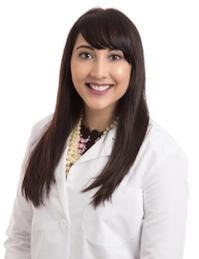
Amy K Patel, MD
Breast Radiologist, Medical Director
Liberty Hospital & University of Missouri-Kansas City School of Medicine
© 2026 Medality. All Rights Reserved.
