Training Collections
Library Memberships
On-demand course library with video lectures, expert case reviews, and more
Fellowship Certificate™ Programs
Practice-focused training programs designed to help you gain experience in a specific subspecialty area.
Ultimate Learning Pass
Unlock access to our full Course Library and all self-paced Fellowships.
Continuing Medical Education (State CME)
Complete all of your state CME requirements in one convenient place.
Noon Conference (Free)
Get access to free live lectures, every week, from top radiologists.
Case of the Week (Free)
Get a free weekly case delivered right to your inbox.
Case Crunch: Rapid Case Review (Free)
Register for free live board reviews.
Dr. Resnick's MSK Conference
Learn directly from the MSK Master himself.
Lower Extremities MRI Conference
Musculoskeletal Imaging
PET Imaging
Pediatric Imaging
For Training Programs
Supplement your training program with case-based learning for residents, registrars, fellows, and more.
For Private Practices
Upskill in high growth, advanced imaging areas.
Compliance
NewTrack, fulfill, and report on all your radiologists' credentialing and licensing requirements.
Emergency Call Prep
Prepare trainees to be on call for the emergency department with this specialized training series.
Training Collections
Library Memberships
On-demand course library with video lectures, expert case reviews, and more
Fellowship Certificate™ Programs
Practice-focused training programs designed to help you gain experience in a specific subspecialty area.
Ultimate Learning Pass
Unlock access to our full Course Library and all self-paced Fellowships.
Continuing Medical Education (State CME)
Complete all of your state CME requirements in one convenient place.
Noon Conference (Free)
Get access to free live lectures, every week, from top radiologists.
Case of the Week (Free)
Get a free weekly case delivered right to your inbox.
Case Crunch: Rapid Case Review (Free)
Register for free live board reviews.
Dr. Resnick's MSK Conference
Learn directly from the MSK Master himself.
Lower Extremities MRI Conference
Musculoskeletal Imaging
PET Imaging
Pediatric Imaging
For Training Programs
Supplement your training program with case-based learning for residents, registrars, fellows, and more.
For Private Practices
Upskill in high growth, advanced imaging areas.
Compliance
NewTrack, fulfill, and report on all your radiologists' credentialing and licensing requirements.
Emergency Call Prep
Prepare trainees to be on call for the emergency department with this specialized training series.
17 topics, 1 hr.
Entrapment Neuropathy: Entrapment Imaging Protocol
5 m.Entrapment Neuropathy: Entrapment Neuropathy Approach
7 m.Entrapment Neuropathy: Thoracic Outlet Syndrome
8 m.Entrapment Neuropathy: Suprascapular Nerve Entrapment
3 m.Entrapment Neuropathy: Axillary Nerve Entrapment & Quadrilateral Space Syndrome
3 m.Entrapment Neuropathy: Pronator Syndrome
4 m.Entrapment Neuropathy: Anterior Interosseous Nerve Syndrome
2 m.Entrapment Neuropathy: Posterior Interosseous Nerve Syndrome
3 m.Entrapment Neuropathy: Cubital Tunnel Syndrome
3 m.Entrapment Neuropathy: Carpal Tunnel Syndrome
3 m.Entrapment Neuropathy: Guyon's Canal Syndrome
4 m.Posterior Interosseous Nerve Syndrome
4 m.Cubital Tunnel Syndrome, Accessory Anconeus
5 m.Postoperative Cubital Tunnel Syndrome
2 m.Guyon's Canal Syndrome
3 m.Pronator Teres Syndrome
3 m.MRI Entrapment Case Review Questions
6 m.0:00
So the anterior interosseous branch, right,
0:02
or more distal branch
0:03
that innervates those deep flexor muscles.
0:06
Um, it can have direct trauma to it, uh, just
0:09
because of its course between the forearm bones.
0:12
So think about forearm fractures
0:13
that could potentially involve that nerve
0:15
and it can also have extrinsic compression.
0:17
Uh, so not really a chronic, repetitive injury
0:20
that's more the median nerve proper, uh,
0:22
but more likely extrinsic compression in these cases.
0:25
And these patients have a pretty,
0:27
a unique clinical presentation.
0:29
They actually have weakness of the thumb
0:31
and they have the inability to really form
0:33
what they call the circle sign
0:34
or when you give kind of an a okay.
0:36
Uh, they really can't interpose
0:38
that thumb in that index finger.
0:40
Um, and that's why this actually can mimic a flexor lysis
0:44
longest injury itself, right?
0:45
So a tendon injury, uh, can have a very similar presentation
0:49
to some of these denervation processes.
0:53
So here's a case example.
0:55
This was a patient who had chronic thumb weakness.
0:57
They also have that forearm pain.
0:59
Uh, and this was an instance
1:01
where they were questioning did they have some sort
1:03
of tendon abnormality or something else going on.
1:06
So we have a series of axial stir uh, sequences here,
1:09
as well as a more proximal T one weighted image.
1:12
And on our axial stir sequences, we see
1:14
that nice denervation muscle edema.
1:16
And again, it's in those deep flexor muscles.
1:19
So we see relative sparing of the more superficial flexors,
1:22
which suggests that this is just the anterior
1:24
interosseous nerve branch.
1:26
So when we follow the anatomic course of
1:28
that more proximal anterior interosseous nerve, uh,
1:32
we can see that it is abnormal
1:34
and it's actually being compressed by something
1:36
that's a little bit different.
1:37
And that's an accessory flexor, lysis longus muscle.
1:40
So this is not a normal, uh, region
1:42
of the flexor lysis muscle.
1:44
You can see how with, um, pronation
1:46
or with different provocative maneuvers in the forearm,
1:49
that you could get chronic compression
1:50
of this small nerve branch.
Interactive Transcript
0:00
So the anterior interosseous branch, right,
0:02
or more distal branch
0:03
that innervates those deep flexor muscles.
0:06
Um, it can have direct trauma to it, uh, just
0:09
because of its course between the forearm bones.
0:12
So think about forearm fractures
0:13
that could potentially involve that nerve
0:15
and it can also have extrinsic compression.
0:17
Uh, so not really a chronic, repetitive injury
0:20
that's more the median nerve proper, uh,
0:22
but more likely extrinsic compression in these cases.
0:25
And these patients have a pretty,
0:27
a unique clinical presentation.
0:29
They actually have weakness of the thumb
0:31
and they have the inability to really form
0:33
what they call the circle sign
0:34
or when you give kind of an a okay.
0:36
Uh, they really can't interpose
0:38
that thumb in that index finger.
0:40
Um, and that's why this actually can mimic a flexor lysis
0:44
longest injury itself, right?
0:45
So a tendon injury, uh, can have a very similar presentation
0:49
to some of these denervation processes.
0:53
So here's a case example.
0:55
This was a patient who had chronic thumb weakness.
0:57
They also have that forearm pain.
0:59
Uh, and this was an instance
1:01
where they were questioning did they have some sort
1:03
of tendon abnormality or something else going on.
1:06
So we have a series of axial stir uh, sequences here,
1:09
as well as a more proximal T one weighted image.
1:12
And on our axial stir sequences, we see
1:14
that nice denervation muscle edema.
1:16
And again, it's in those deep flexor muscles.
1:19
So we see relative sparing of the more superficial flexors,
1:22
which suggests that this is just the anterior
1:24
interosseous nerve branch.
1:26
So when we follow the anatomic course of
1:28
that more proximal anterior interosseous nerve, uh,
1:32
we can see that it is abnormal
1:34
and it's actually being compressed by something
1:36
that's a little bit different.
1:37
And that's an accessory flexor, lysis longus muscle.
1:40
So this is not a normal, uh, region
1:42
of the flexor lysis muscle.
1:44
You can see how with, um, pronation
1:46
or with different provocative maneuvers in the forearm,
1:49
that you could get chronic compression
1:50
of this small nerve branch.
Report
Faculty
Stephen J Pomeranz, MD
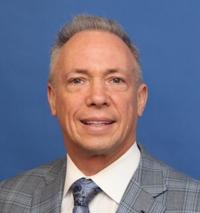
Chief Medical Officer, ProScan Imaging. Founder, MRI Online
ProScan Imaging
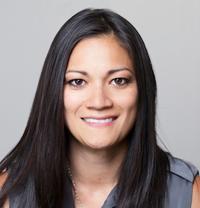
Megan K Mills, MD
Assistant Professor of Musculoskeletal Radiology
University of Utah
Donald Resnick, MD
Professor Emeritus, Department of Radiology
University of California, San Diego
Tags
Musculoskeletal (MSK)
MRI
Hand & Wrist
Elbow & Forearm
© 2026 Medality. All Rights Reserved.