In Preparation for Women’s History Month: Screening Mammography Saves Lives, Dr. Elizabeth Kagan Arleo (2-29-24)
HIDEInteractive Transcript
0:02
Hello, and welcome to today's noom Conference,
0:04
co-presented by MRI online and A A WR.
0:08
The A A WR was founded in 1981 to provide a forum
0:12
for issues unique to women in radiology, radiation oncology,
0:16
and related professions.
0:18
The association sponsors programs that promote opportunities
0:21
for women and facilitates networking among members
0:24
and other professionals as well.
0:27
A A WR strives to meet the diverse
0:29
and changing needs of its members
0:31
through mentorship opportunities for the next generation
0:33
of women radiologists.
0:36
You can learn more about their mission and membership@a.org.
0:41
We're thrilled to partner with A A WR in these lectures
0:43
as part of our shared commitment to advancing
0:45
and supporting women in radiology
0:47
and transforming the way radiologists learn and thrive.
0:51
Today, we are honored to welcome Dr.
0:53
Elizabeth Kagan Arle for a lecture entitled
0:56
and preparation for Women's History Month screening
0:59
Mammography Saves lives.
1:01
Dr. Ar completed her diagnostic radiology residency
1:04
and breast body fellowship at Weill Cornell Medicine in
1:08
New York City, where she's been on staff since 2010.
1:11
She's currently a professor of radiology there
1:13
and also serves as editor in chief
1:15
of the radiology journal Clinical Imaging.
1:19
At the end of the lecture, please join her in a q
1:21
and a session where she'll address questions you may
1:23
have on today's topic.
1:25
Please remember to use the q
1:26
and a feature to submit your questions so we can get to
1:29
as many as we can before our time is up.
1:31
With that, we're ready to begin today's lecture to Dr. ar.
1:35
Please take it from here.
1:38
Hello. Thank you for that introduction
1:40
and thank you everyone who's joining us for convening
1:43
for this noon conference about, um,
1:45
screening mammography in light
1:47
of upcoming Women's History month, starting tomorrow.
1:50
Um, as mentioned, I'm Elizabeth Arlow, professor
1:53
of radiology at Cornell,
1:55
where I practice breast and body imaging.
1:57
And I am also, um, required to disclose to you
2:00
that I'm editor-in-chief of the radiology Journal Journal
2:03
Clinical imaging, you know,
2:06
OC October in certain cer circles, certainly in radiology
2:09
and, uh, breast imaging.
2:11
And women's health is obviously all well-known to us
2:13
as Breast Cancer Awareness Month.
2:16
Um, and currently, uh,
2:18
for one more extra day on the sleep year.
2:20
We are in February Black History Month.
2:23
And as we look, uh, forward to tomorrow, um, to march, um,
2:27
it will be Women's History Month.
2:29
And to tie, um, this in with today's lecture topic
2:33
of screening mammography, there are actually so many women
2:37
who have made history who have also had breast cancer,
2:41
including those listed here
2:43
and seeing all these known names and faces.
2:46
I think this reminds us, certainly reminds me that
2:48
as we get ready to celebrate Women's History Month,
2:52
to maybe also remember to celebrate screening mammography
2:54
because, you know, while it's far from perfect,
2:57
it is still the best test we currently have, uh, to save,
3:01
uh, lives from premature,
3:03
premature death from breast cancer.
3:05
And so with this in mind, um, let's turn to thinking about
3:09
where it can be helpful to take a step back
3:11
and think, you know, a step back from the daily grind
3:14
of the workstation, of the all the lists we have to cover
3:18
to remind ourselves, you know, why we screen why there are
3:22
so many different guidelines and putting the risks
3:24
and perspectives for ourselves
3:26
and also our patients and providers.
3:29
Um, because, uh, not only in in October breast, um,
3:34
breast Cancer Awareness month,
3:35
but also potentially in Women's History month,
3:37
may we get more questions about this, uh, or,
3:40
or really any day it's be it's good to be armed with it.
3:43
So, you know, first it's important to keep in mind
3:46
that the benefits of screening mammography include,
3:48
but are not limited to significant decrease in breast
3:52
cancer specific mortality.
3:53
This is really important to keep in mind.
3:56
Um, and in other words, why we screen
3:59
because to quote this 2021 JCAR article
4:03
about women at average risk for breast cancer, written
4:07
by a number of colleagues
4:08
and friends from the a CR Breast Cancer Screening Leader
4:11
group, I'm gonna quote this article
4:12
'cause I couldn't, you know, say it better myself.
4:14
So quote the a CR
4:16
and SBI recommend annual mammography screening beginning at
4:20
40, which provides the greatest mortality reduction
4:24
diagnosis at an earlier stage, better surgical options,
4:27
and more effective chemotherapy Delaying screening
4:31
until age 45
4:32
or 50 will result in an unnecessary loss of life
4:35
to breast cancer and adversely affects
4:38
minority women in particular treatment advances cannot
4:42
overcome the disadvantage of being diagnosed
4:45
with an advanced stage tumor.
4:47
And women who wish to maximize benefit will choose annual
4:50
screening starting at 40 years old
4:53
and will not stop screening.
4:56
Amen. So, um,
4:59
the A-C-R-S-B-I recommends annual screening starting at 40
5:03
and has done so for many years
5:04
because of diverse scientific evidence supporting this,
5:07
including considering each one, one by one in brief,
5:11
the randomized controlled trials,
5:13
national population based data, computer modeling
5:16
and international service screening data.
5:19
So this slide shows a forest plot from a Lancet
5:22
meta-analysis of every single randomized trial ever done
5:26
studying screening mammography, demonstrating
5:29
that the relative risk
5:31
of breast cancer death in women invited
5:33
to participate in screening was 0.8
5:36
or 20% lower in than women not invited
5:40
to participate in screening overall, even number one,
5:43
including the flawed Canadian trials, which flawed in
5:47
that they did a clinical breast exam
5:49
before assigning to women to screening or not.
5:52
So, not truly randomized.
5:54
Number two, even though all the randomized controlled trials
5:57
were done as early as the 1960s up to the nineties.
6:01
So all film obviously no digital, obviously no tomo.
6:05
And number three, even taking into account, um,
6:09
the inherent problems
6:10
of randomized controlled trials in general, including
6:15
the multiple reasons listed here.
6:17
The most important of which I would say are number one
6:19
and two, namely non-compliance, which means
6:23
that women in the case study group were, are invited
6:26
to have screening mammography.
6:27
However, a woman refuses to be screened
6:30
and does a breast cancer, she still counted in
6:33
that screening group, which minimizes benefit in the
6:36
screening arm and in contrast in contamination,
6:40
women in the control group who are not invited
6:43
to participate in screening,
6:45
but if they have a screening outside the the trial,
6:48
they're still counted as an unscreen control,
6:50
which would artificially improve the mortality benefit
6:54
in the non screening arm.
6:55
Does that make sense? I hope so.
6:57
That's why when we look at national population based data,
7:00
we see an even greater reduction in breast cancer specific
7:04
mortality than is demonstrated by the randomized trials.
7:06
In other words, as a result of the randomized trials,
7:09
randomized controlled trials screening mammography was
7:13
introduced at a population-based level in the United States
7:16
in the mid 1980s.
7:18
And though it was not then
7:19
and is still not now an official national screening program,
7:23
within a few years, the death rate from breast cancer,
7:25
which had been steady for decades, began to decrease
7:28
as demonstrated on this slide.
7:30
And specifically this slide shows a 38% decrease in US
7:34
breast cancer mortality from 1990 when the breast cancer
7:38
death rate was 30 73 0.8 per 100,000 women
7:42
to 2014 when the breast cancer death rate was
7:45
45.9 per 2000 women.
7:48
And two additional points about this, you know, um,
7:52
Hong Kong, uh, doesn't screen any of their women,
7:55
but has access to modern therapy
7:57
and the death rates are increasing there
8:00
in contrast to decreasing here.
8:02
And however, unfortunately, number two, the surveillance,
8:05
the epidemiology and
8:07
and end result program organizing this population data,
8:10
this the year registry does not make note of whether
8:14
with breast no does not make note of whether women
8:16
with breast cancer were screened or not.
8:18
This is obviously a major flaw.
8:21
Um, whereas data for international screening,
8:24
study service screening programs
8:25
and other countries do have this information.
8:28
And so when stratified by those who were actually screened
8:31
as opposed to just invited to screen,
8:34
as in the randomized controlled trial,
8:36
we see an even greater benefit,
8:38
an even greater reduction in breast
8:40
cancer specific mortality.
8:42
Um, look, here's this, uh,
8:43
the same graph now just extended out to 2020,
8:47
uh, just before covid.
8:50
Um, and so what about specifically
8:53
for women in their forties?
8:54
Well, if one assesses life years, a very common metric
8:58
or impact of disease, this JAMA 2015 article demonstrates
9:03
demonstrating the distribution of person years of life
9:08
loss due to breast cancer by age at diagnosis shows that,
9:10
as you can see here, the peak is at age 45 to 49.
9:17
And this met analysis
9:18
of the randomized control trials focusing on data
9:20
for women in their forties, specifically demonstrated a
9:24
statistically significant 18% mortality reduction,
9:28
reduction in breast cancer, specific mortality
9:30
in women in age group.
9:32
Furthermore, younger women,
9:34
including women in their forties, tend
9:36
to get more aggressive faster growing cancers.
9:39
So they should definitely be screened annually,
9:41
starting at 40 instead of bi-annually
9:43
or deferring start age to 45
9:45
or 50 as some organizations recommend
9:48
as we'll further discuss.
9:51
So screening starting at 40 is further supported
9:54
by meta analyses,
9:55
including this one based on case controlled studies from
9:59
service screening data from countries as far reaching
10:01
as Australia with some enrolling women in their forties
10:05
demonstrating a 49% decrease in breast cancer specific
10:09
mortality in those actually screened.
10:12
And while regular screening mammography results in a
10:15
substantial reduction in breast cancer mortality,
10:17
as summarized here again
10:20
as the 2021 A-C-R-S-B-I statement, you know,
10:24
finally really explicitly states, which is why I quoted it,
10:27
you know, mortality reduction is not the only benefit
10:29
of screening mammography.
10:31
And yet unfortunately, the a CR
10:33
and SBI are the only organizations
10:36
issuing screening mammography guidelines
10:38
to take these other benefits into account, including
10:41
morbidity reduction, because screening mammography finds
10:45
cancers smaller than they would be if detected clinically
10:48
when palpable women have the option
10:50
of smaller surgeries lumpectomy instead of mastectomy
10:54
and potentially avoiding the toxic effects of chemotherapy.
10:58
Furthermore, the detection
10:59
of high risk lesions is also an important benefit
11:02
to consider because it may change how patients are managed
11:06
more on the guidelines
11:07
for high risk women later in this talk.
11:10
And finally, the vast majority
11:11
of women have a truly negative mammogram
11:15
the vast majority of time.
11:16
And being reassured as such is obviously
11:19
enormously beneficial as well.
11:23
You know, note, um, perhaps in retrospect
11:25
that I've been specifically saying breast cancer
11:28
specific mortality, and this is a really important
11:30
distinction from all co cause mortality, which this
11:35
and other articles tried to use to show
11:37
that screening mammography doesn't decrease mortality.
11:41
So this, um, August JAMA internal medicine article concluded
11:46
that quote, and this was looking at a meta-analysis of, um,
11:50
randomized controlled trials for many screening tests,
11:53
not just screening mammography, uh,
11:55
but including screening mammography.
11:56
And the conclusion for all these different screening tests
11:59
was, quote, the finding of this meta-analysis suggests
12:02
that current evidence does not substantiate the claim
12:05
that common cancer screening tests save lives
12:08
by extending lifetime except possibly
12:11
for colorectal cancer screening with sigmoidoscopy.
12:14
Um, that's not my area of expertise,
12:16
so I'm not gonna get into it here.
12:17
But the point I wanna make is that it's futile
12:20
to use all cause mortality as an endpoint,
12:24
especially when extrapolating from small randomized control
12:27
control trials, because you must either have to follow up
12:31
for way beyond the observation time,
12:33
or you have to have way more participants.
12:36
In other words, if you did screening for, for ages 40 to 74
12:41
and looked at all cause mortality at age 50,
12:45
you would need a randomized controlled trial of a total
12:47
of 1.25 million women total for both arms
12:52
to show that reduction of 2.2% all cause mortality,
12:57
which only corresponds
12:59
to a mild 18% reduction in breast cancer deaths.
13:02
So the conclusion should have been, we are not able
13:06
to take changes in all cause mortality
13:08
because none of the trials are powered
13:11
to measure changes in all cause mortality.
13:14
Although the sigmoid sigmoidoscopy trials come close, um,
13:19
and life years gained should be a better statistic.
13:23
But the pa this paper, this jamma paper,
13:25
calculates the life time gained.
13:28
And in response to this JAMA article,
13:30
the Chief Scientific officer
13:32
of the American Cancer Society made the important point
13:35
that these cancer screening exams have never promised
13:38
to prolong an individual's, um, natural lifespan,
13:42
but rather to reduce premature death from cancer.
13:46
In other words, again, fully, you know,
13:48
determining whether cancer screening extends a life
13:51
would require an extremely large clinical trial
13:54
that would have to follow patients for a very long time.
13:57
And the trials in this newest study here
13:59
weren't book book weren't big enough
14:01
to look at all cause mortality.
14:03
And the chief scientific officer said, um,
14:06
if a person's life expectancy at birth was 80,
14:09
a cancer screening may prevent their premature death at 80,
14:12
at 65, but it wouldn't necessarily mean they live
14:15
to be 90 instead of the predicted 80.
14:18
No one is saying if you do cancer screening,
14:20
you're gonna live to a hundred years old.
14:23
So I think that's really well said.
14:26
So that's why we screen, which begs the question,
14:32
which begs a sip of water.
14:43
If the data are so overwhelmingly demonstrating the benefits
14:47
of screening mammography, then why are there
14:49
so many different guidelines out there, there, you know,
14:51
making it unclear for patients
14:53
and ordering providers alike what to do.
14:56
Um, and to quote, quote, a unique leadership book
14:59
that was recommended to me, um, by one
15:01
of my breast damaging colleagues at Cornell,
15:03
and first female chair of the American College
15:05
of Radiology Board of Chancellors, Dr. Gerald Lee McGinty,
15:08
she recommended this book by Brene Brown called Dare
15:11
to Lead Excellent book.
15:13
And I particularly like this, uh, quotation from it,
15:16
which is that, excuse me, quote, clear is kind,
15:19
unclear, is unkind.
15:21
So I ask you, does this look clear?
15:24
We have three different organizations
15:27
with three different start and three different stop ages
15:31
and three different frequencies.
15:33
And as physicians, we want ordering providers
15:36
and patients to make informed evidence-based decisions about
15:39
their healthcare and not feel like they're, you know,
15:41
randomly throwing darts to determine which guideline
15:43
to follow for something as important
15:45
as a vital health outcome.
15:47
And as I think most of us, uh, already know,
15:50
the ACR slash sbi, as I've been saying, their recommendation
15:54
for years has consistently been
15:56
for annual screening mammography starting at 40,
15:59
which is in contradistinction
16:01
to the United States Preventative Services task force
16:04
or prevent services as some like to call it, uh, which is,
16:09
um, as of this spring, as of May, 2023,
16:13
biennial screening, um, of women 40 to 74,
16:18
but previously since 2009, they were recommending
16:22
biennial screening of women 50 to 74.
16:26
And this is all also in contrast
16:28
to the American Cancer Society recommendation
16:31
for starting at age 45 annually,
16:34
but then potentially transitioning to biennial at 55
16:37
or continuing with annual.
16:39
And given these three different start ages, 40, 45
16:43
or 50 at intervals, one
16:45
or two years, this qualifies in my opinion as unclear
16:48
and thus unkind
16:50
and for clarity, uh, in 2017
16:53
as described in this publication in cancer that I wrote
16:56
with colleagues from the a CR Breast Screening Leaders
16:58
group, including, you know, real giants in the field
17:01
that I was fortunate to work with, Sickles Hendrix Vy,
17:05
we used ANet computer models to compare the A CR
17:09
American Cancer Society
17:10
and Task Force recommendations at the time where csnet
17:14
is the Cancer Intervention
17:16
and Surveillance Modeling Network.
17:18
And under the auspices of the NIH, which is part
17:21
of the US Department of Health
17:23
and Human Services, the National Cancer Institute has funded
17:28
CSNET to develop computer models about screening,
17:30
including screening mammography and computer models,
17:34
although not without limitations, as well attempt
17:36
to rectify some of the shortcomings
17:38
of the data previously mentioned
17:40
by applying consistent starting age is
17:43
and consistent screening intervals, both within
17:45
and across various models.
17:47
And in some, the purpose of this study was
17:50
to use csnet breast cancer models
17:52
to compare three major screening biography recommendation
17:55
for women of average breast cancer risk at the time the
17:58
study was performed in 2016 slash 2017,
18:02
and the principle finding was that the greatest reduction,
18:06
the greatest mortality reduction, not surprisingly,
18:08
is achieved with annual screening starting in 40
18:12
a nearly 40% decrease in breast cancer specific mortality
18:16
associated with the A-C-R-S-B-I recommendation, um,
18:20
in contrast to only a 23% decrease in breast cancer
18:24
specific mortality associated
18:26
with the task force recommendation
18:27
of biennial screening women 50 to 74
18:31
and a 31% decrease in breast cancer specific mortality.
18:35
Uh, somewhere in between for the AC
18:38
American Cancer Society hybrid recommendation.
18:40
And, you know, presumably, uh,
18:42
the May, 2023 task taskforce updated draft recommendation
18:46
of screaming women 40 to 74 ally, um,
18:51
you know, the, you know, presumably their, um,
18:54
mortality reduction would no longer be as low as 23%,
18:57
but clearly it wouldn't be as high as the nearly 40%, uh,
19:01
associated with the A-C-R-S-B-I recommendation.
19:04
Um, and a logical next step for research
19:08
in the future would be
19:09
to directly compare these recommendations, um, ideally
19:12
with updated csnet models.
19:14
So given these three mortality reduction results,
19:17
how can three different organizations have such
19:20
different recommendations?
19:21
In other words, how do different organizations come up
19:24
with different recommendations if they have access
19:26
to the same CSNET data, same csnet models,
19:29
the same randomized control trials,
19:31
and the same population-based data?
19:34
So the top reasons for this, I would say, are outlined here.
19:37
Um, first, the task force focused its data review on
19:41
randomized controlled trials.
19:43
You know, the rationale being that, uh,
19:45
randomized controlled trials
19:46
as we all learned in medical school, you know,
19:47
are the gold standard for research.
19:50
And yet recall from this slide, um,
19:55
that the, the multiple reasons why the randomized controlled
19:58
trials underestimate the benefit of screening
20:00
and actual practice.
20:02
So part of the difference in guideline has to do
20:04
with the task force focusing on limited and older data.
20:08
Second, both the American Cancer Society
20:10
and Task Force only count one benefit mortality reduction
20:13
and ignore all the other benefits
20:15
of screening we've discussed, including those listed here.
20:21
Yet, the American Cancer Society
20:23
and Task Force include all the risks,
20:26
false positives over diagnosis, all of which are non-lethal.
20:30
Third, not only that, but they, they being the task force
20:33
and American Cancer Society focus on these risks
20:36
and describe them as harms as we'll get into shortly.
20:40
And fourth. Um, you know, it undoubtedly there are political
20:44
and economic factors here as well.
20:47
Um, you know, recall that from from grade school
20:52
or uh, a high school, you know, this is relevant
20:55
for 2024 election year as well, you know, the three branches
20:58
of the US government, including the legislative branch,
21:01
which is Congress, and the federal law requires Congress
21:05
to produce a budget each fiscal year,
21:07
the set spending LI limits very reasonable.
21:10
Congress, as we know, has two arms, the House, um,
21:13
and the Senate, uh, the latter
21:15
of which has a health education, labor,
21:18
and pensions committee, um, which oversees the Department
21:23
of Health and Human Services, which oversees the NIH,
21:28
which oversees, uh, the National Cancer Institute,
21:32
which funds csnet
21:34
and the Senate also authorizes the agency
21:38
for he Healthcare Research
21:40
and quality, the A HRQ to convene the task force,
21:44
therefore, trying to put all the, the arrows together.
21:48
If Congress is required to limit spending,
21:50
then they're going to understandably value recommendations
21:53
which are fiscally more frugal as the task force are
21:57
as demonstrated by this graph from a value-based care
22:00
website based on 2010 data, looking at the annual cost
22:04
of screening mammography by screening strategy
22:07
and demonstrating the task force recommendation
22:10
of biennial screening of, of fif ages 50 to 74,
22:15
not surprisingly, costs significantly less on the order
22:18
of billions of dollars less than the a CR uh,
22:23
SBI recommendation of annual screening mammography.
22:26
And this 2010 bar, uh, showed
22:28
what was going on in actual PR practice in 2010, right
22:32
after the task force announced.
22:33
Its 2009 updated Rec of Biennial 50 to 74.
22:38
So it shows the current current at two in 2010 practice at
22:42
the time in which screening, uh, which, which screening 61
22:46
to 73% of women fif 40 to 84 was actually going on.
22:51
So clearly there are political
22:53
and economic factors influencing organizational
22:56
guideline recommendations, um, according to, uh,
23:01
largely in part who is in charge of the organization.
23:04
So for the task force, we, we looked at My, my Tree,
23:07
that's Congress, but what about the American Cancer Society?
23:10
And in preparing for this lecture, I got curious
23:12
and I went down the rabbit hole, uh, looking it up
23:15
and, you know, discovering that, um,
23:19
the American Cancer Society is to, to quote their website,
23:22
quote, a nonprofit organization
23:24
that is exempt from federal taxation.
23:27
Uh, uh, as this, um, we ensure donors money is spent
23:31
as efficiently and effectively as possible.
23:33
And apparently they, the American Cancer Society raises
23:36
nearly all of its money
23:38
through private individual donations, which quote helps
23:41
to ensure our independence.
23:43
But still, the question is who is making the decisions?
23:46
And according to their website, the Society,
23:50
the American Cancer Society is governed by a single board
23:52
of directors, which is made up of volunteers from the,
23:56
both the medical and lay communities,
23:58
and specifically the board of director is comprised
24:01
of five officers and 16 directors.
24:05
And the board is responsible for setting policy.
24:08
So of course, I then had to see who the officers are, guess
24:12
how many physicians there are?
24:14
One, the scientific officer, um,
24:18
a hematologist oncologist from the B Brigham.
24:20
So that's it. And
24:21
so since we're digging deep here into organizational
24:24
structure and composition, because for the reason
24:27
that it significantly impacts organizational policy
24:29
recommendations, you know, for, for, for full, uh, for full,
24:33
um, digging deep, what about the American College
24:36
of Radiology to balance it all out?
24:38
So in brief, for completeness, as you may know,
24:41
the A CR was founded in 1923,
24:44
so happy hundredth birthday last year, um,
24:47
with the stated mission that quote, the a CR is the voice
24:50
of our members, empowering them to service patients
24:53
and society by advancing the practice
24:56
and science of radiological care.
24:58
And, um, show of hands, how many of a CR members, um,
25:03
you know, the, the A CR is really our voice,
25:05
and while I can't fit the whole governing board
25:07
of chancellors, in on one side here is top leadership, um,
25:11
from the chair, um, to the speaker, uh,
25:14
obviously all physicians, all radiologists,
25:17
and even if I may note, um, one, uh, breast imager,
25:21
uh, Dana, Dr.
25:22
Dana Smith, and who's chair for radiology, uh,
25:24
at Ochsner in New Orleans
25:26
and is gonna be, um, the next,
25:28
I believe I got the title right, chief scientific officer,
25:30
uh, CEO for the a CR.
25:32
So, so third
25:36
reemerging from that rabbit hole.
25:37
And having considered why we screen
25:40
and different guidelines, let's now, um,
25:43
focus on putting risks into perspective.
25:48
But I'll take this, uh, this section,
25:50
pause to take another sip of water.
26:01
And, um, what, just
26:03
because I think we all get a lot
26:04
of questions about risk from patients and providers alike,
26:07
and we want to be able to sufficiently answer
26:10
and address these questions.
26:14
So along the lines
26:15
of clear is kind an important motto for me.
26:18
I'm also really big on clear definition of terms.
26:21
So if we clearly define the word harm used over
26:24
and over by the task force
26:26
as demonstrated on the next slide, I think it's reasonable
26:29
to conclude that harm is too harsh a term for most
26:32
of the sequela of screening mammography.
26:37
And yet the original 2009 task force recommendation article,
26:42
moving screening mammography to biennial screening 50 to 74
26:46
uses the word harm, harms
26:49
or harmed a whopping 61 times,
26:54
specifically the harms of
26:55
screening stated by the task force.
26:57
Include those underlined here,
26:58
including psychological harms, false positives
27:03
over-diagnosis and radiation exposure.
27:10
I would say that the top three risks
27:12
of screening mammography
27:13
that we get questions about from patients
27:15
and providers include false positives and over-diagnosis
27:19
and radiation exposure.
27:20
So I'm gonna address these one by one.
27:22
You'll note on this slide that I purposely use the word risk
27:26
not harm, because in medicine, again, we talk about risks,
27:29
benefit analysis, we talk about informed consent,
27:32
including a discussion of risks, not harms, risks, benefits,
27:36
and alternatives and verbiage is really important.
27:38
So taking each of these one by one, starting
27:42
with false positives, again, let's clearly define the term.
27:46
A false positive is a test result erroneously indicating a
27:50
particular condition.
27:52
It's a risk of any screening test.
27:53
It's not unique to screening mammography.
27:56
And as we know in screening mammography, it just means
27:58
that patients, you know, get a buyer zero,
28:00
or we're called for additional imaging evaluation,
28:03
a few additional mammographic images and
28:05
or an ultrasound usually to make sure everything is okay
28:08
or if needed close follow up
28:11
or a biopsy, all of which is certainly anxiety provoking,
28:15
but none of which I think it's fair to say, can compare
28:18
to the anxiety of dying for breast cancer.
28:22
As this cartoon suggests,
28:28
instead as this a CR infographic demonstrates out
28:32
of every a hundred women
28:33
who get a screening mammogram 90 will be
28:36
told their mammograms are normal.
28:37
Only 10 will be asked to return for additional mammograms
28:40
or ultrasound, of which six will be reassured.
28:43
Everything is normal. Two will be asked
28:45
to return in six months for a follow-up.
28:47
That's our birads three and two will be
28:49
recommended to have a needle biopsy.
28:51
birads four or five is shown another way, a larger, um,
28:55
you know, population based, uh, level.
28:57
For every a thousand women
28:58
who have screening MA mammography,
29:01
only a hundred will return for a additional mammogram
29:04
or ultrasound due to something seen on the screen.
29:07
61 out of the thousand will have additional imaging
29:10
and find nothing is wrong.
29:12
20 will find, will have found that, you know,
29:15
whatever the finding was, was probably benign
29:16
and be asked to return at six month
29:18
for short interval follow-up 19 will be re um, recommended
29:23
for, um, needle biopsy.
29:25
And five, um, will be out of
29:27
that a thousand will be diagnosed with breast cancer with
29:30
that five being somewhere in the two
29:32
to 10 per 1000 screenings range,
29:34
which is the our performance benchmark
29:36
for cancer detection and screening mammography.
29:39
Where within that, the,
29:40
there the range depends on whether it's an incidence
29:42
or prevalence round.
29:45
To get even more granular, this A-J-A-J-R article,
29:50
which draws on data from the task force.
29:53
Uh, publication has quantified the risk
29:55
of a false positive mammogram to be once every 10.2 years
29:59
for a women in her forties
30:01
and once in every once in every 16.8 years
30:03
for women in her eighties.
30:05
So if a woman has annual screening mammography starting when
30:08
she's 40 and continuing for as long as she's in good health,
30:11
this means she may be recalled from screening three
30:14
to four times in her life
30:16
and to adjust the risk of radiation exposure,
30:18
which is certainly a concern
30:20
we hear from patients on a regular basis as well.
30:23
The risk of a fatal radiation-induced breast cancer due
30:27
to screening mammography is estimated to be once in 76,000
30:32
to 97,000 for women in their forties
30:34
and once in too many years to estimate for women, 80 or old.
30:40
Next is over-diagnosis.
30:42
So again, let's clearly define the term
30:45
over-diagnosis is diagnosis of a D disease by screening
30:49
that would not have become symptomatic in a patient's
30:52
lifetime or cause the death of the patient.
30:56
And first, like over,
30:57
like false positives over-diagnosis is not unique
31:00
to screening mammography.
31:02
It's a risk of any screening test.
31:05
Second over-diagnosis cannot,
31:07
as you would imagine from this definition,
31:10
be measured directly leading to uncertainty regarding
31:13
how frequently it occurs
31:14
and a lack of consensus regarding how
31:17
to estimate the magnitude.
31:19
Third, by limiting screening by delaying age of onset
31:24
and or increasing the screening intervals
31:27
will not impact over diagnosis.
31:30
And this is a very important, um, and complex idea.
31:32
And this last idea was the motivation for this study,
31:35
which I conducted with colleagues from the A CR Commission
31:38
for Breast Imaging, in which we surveyed fellows
31:42
of the Society of Breast Imaging asking about biopsy proven
31:46
breast cancer that didn't receive any treatment
31:48
for whatever reasons and no natural history.
31:51
And what we found was that not surprisingly,
31:54
among nearly 500 untreated breast cancers
31:58
detected on screening mammography non spontaneously
32:01
disappeared or breast
32:03
and an unknown percentage
32:05
of these cancers could be over-diagnosis.
32:07
In other words, the indolent cancers that wouldn't go on
32:10
to kill the patient or present clinically in their lifetime.
32:14
But because all untreated screened detective cancers were
32:17
visible and still suspicious
32:19
for malignancy at the next mammographic evaluation,
32:22
delaying the onset of screening
32:25
or increasing the screening intervals
32:27
between screening should not reduce the frequency
32:30
of overdiagnosis.
32:32
And this is an important concept.
32:34
I I feel like that not that many people understand.
32:36
You know, state another way, including the task force.
32:40
If a woman starts screening at age 40,
32:43
an overdiagnosed lesion could be detected
32:45
and overtreated when she's 40.
32:47
However, if this woman instead starts screening at 50,
32:50
that same overdiagnosed lesion will still be visible
32:53
and will still be detected and still be
32:55
overtreated when she's 50.
32:57
Alternatively, she doesn't have an indolent cancer
33:00
and she didn't have a screen of 40.
33:01
She might be dead of the disease by 50.
33:03
So this is why limiting screening by delaying age of onset
33:07
to sound like a broken record
33:09
or increasing screening intervals is not gonna over,
33:12
not gonna impact over diagnosis.
33:15
But you know, patients by ask or
33:17
or you may ask, what about, you know, all the claims?
33:19
We hear that a high percentage
33:20
of breast cancers are overdiagnosed.
33:23
And unfortunately, articles such as this one by Lyer
33:28
and Welsh in the New England Journal
33:29
of Medicine now over a decade ago, decade ago
33:33
can substantially impact public
33:36
and sometimes medical perception with its erroneous claims
33:38
of substantial overdiagnosis accounting is this article
33:42
claims for nearly a third
33:43
of all newly diagnosed breast cancer.
33:46
And this New England Journal medical article is one such
33:50
example of medical literature, um, you know, which is, uh,
33:55
not scientifically valid.
33:56
And I I'd like to show this, uh,
33:58
newspaper clipping in the this era of alternative facts
34:01
and post truth to make the obvious point
34:03
that you shouldn't just blindly believe everything you read.
34:07
There is disagreement over the extent
34:09
of over diagnosis in breast cancer screening for sure,
34:13
but the case for high rates
34:14
of overdiagnosis rests on analysis such as these by Lyer
34:18
and Welch that were biased by lead time
34:21
and erroneous incidence trend trends.
34:24
And when properly analyzed data from both randomized
34:27
controlled trials and service screening studies
34:30
re retrospectively, respectively, respectively, excuse me,
34:33
indicate that the rate of Dover over-diagnosis
34:35
of screening mammography is more like 10% or less.
34:39
And here are just two reputable studies showing this, um,
34:43
decade after decade, including this article from piti
34:46
and colleagues from 2012 looking at European service
34:50
screening data with scientifically valid literature
34:53
concluding the, that the most plausible estimates
34:55
of over-diagnosis range from one to 10%.
34:59
And this is a more recent article in radiology in 2017
35:02
by Dr. Hendricks looking at US data also reporting a sub
35:07
10% over diagnosis rate.
35:09
And circling back to the earlier discussion about harms,
35:12
I would say that the real harm
35:14
is if women don't get screened
35:16
because of concerns about false positives or diagnosis
35:19
because then they run the risk of under diagnosis,
35:22
which can be fatal to that point.
35:25
At my institution at Weill Cornell,
35:27
we've also published a study looking back on all screening
35:30
mammograms 2014 to 2016
35:34
with the primary endpoint of determining the rate
35:37
of detection of breast cancer
35:38
and associated prognostic factors in women 40 to 44
35:42
and 45 to 49 years old.
35:44
And what we found was that women, 40
35:47
to 49 years old had overall an 18 per 0.8% were
35:52
actually 18.8%.
35:53
All the screen detected breast cancers that we were seeing.
35:56
And the two cohorts, 40 to 44
35:58
and 44 to 49 had similar incidences of breast
36:03
of screen detected breast cancer, 8.9 and 9.8% respectively.
36:08
And cancer detection rates within performance benchmark
36:11
standing standards supporting a similar recommendation
36:15
for both cohorts and the a CR recommendation
36:17
of annual screening starting at 40.
36:20
Furthermore, over 60%
36:22
of the cancers in this forties cohort were invasive,
36:26
so clinically significant disease.
36:28
So if we didn't screen women in their forties,
36:31
we'd be missing about 20% of our cancers,
36:33
which again would be significant under diagnosis.
36:40
Um, on the other side of the age span, you know,
36:43
in news about overdiagnosis, um, this is a article, um,
36:47
again from August of 2023 in the um, s of internal medicine.
36:51
This article, um, is from Yale, my al Mater.
36:54
It's about screening mammography.
36:55
So I was curious to see, you know, if anyone in
36:58
that division, uh, wrote it.
37:00
Um, 'cause I know the people in that division
37:02
and more, I guess a next than after a Cornell.
37:06
And in fact, no one, um, none
37:09
of these names were familiar at all.
37:10
So when I looked at the authors, uh,
37:13
'cause I wasn't even remotely familiar with any
37:14
of their names, it turns out that they come from the section
37:18
of general internal medicine, um, and, uh, the Yale Cancer
37:23
and Research Center, obviously of international deputation,
37:26
but again, not with,
37:28
with not a single breast imager involved.
37:30
And I say, uh, you know, again for this too,
37:33
because if you look at the composition of the task force,
37:36
its members again, are from multiple disciplines,
37:38
but not a single one as a radiologist.
37:41
And, uh, the other thing of note here is that
37:44
its conclusion also uses note the biased word harms, stating
37:48
that quote over-diagnosis may be common among older women
37:52
who are diagnosed with breast cancer after screening.
37:55
Um, and it's really in contras in contra contra distinction
38:00
to our experience in clinical practice, again at Cornell,
38:02
where we also reviewed screening mammography exams at our
38:06
institution from 2007 to 2013 with the primary endpoint
38:11
of determining the incidences of breast cancer
38:13
and associated prognostic features in women
38:16
75 years or older.
38:18
You know, the task force says there's insufficient evidence,
38:21
um, to recommend for
38:22
or against screening in this age cohort.
38:24
So we wanted to provide sub evidence based on our,
38:27
our real clinical experience, you know, in comparison
38:31
with the seer data based, um, that was used, uh,
38:34
in the internal medicine, uh, article, uh, shown here.
38:39
So from 2007 through 2013 at Cornell,
38:44
68,694 screening mammography examinations were performed.
38:49
And of these screening exams,
38:50
4,424 were performed in patients
38:54
75 years or older.
38:56
On the basis of these exams, biopsies of cancer is found.
39:00
This corresponded to a breast cancer detection rate
39:03
of 5.9 per thousand screening exams, which again,
39:06
is compatible with performance benchmarks for screening.
39:09
And approximately 85%
39:13
of these screen detected cancers in women in this over 75
39:16
cohort were invasive.
39:18
So again, clinically significant disease.
39:23
You know, as an epilogue, several years
39:25
after this 2012 infamous New England Journal Medicine
39:27
article was, uh, published by, uh, lyer
39:30
and Welsh, uh, Welsh actually had to resign from Dartmouth
39:33
amidst a plagiarism scandal.
39:35
And yet the New England Journal
39:37
of Medicine still refused to retract his article.
39:40
You know, I think as, as a side note,
39:42
this Bo bo begs the question,
39:44
how does this happen at the level
39:46
of our nation's highest level of medical journals, um, such
39:49
as the New England Journal of Medicine?
39:51
And I definitely as chief
39:53
of clinical imaging interested in this, um, this topic,
39:57
a whole other, uh, conversation.
39:59
But I'm definitely, uh, as interested as we think about
40:02
how articles, um, become published in peer-reviewed journals
40:06
and, um, you know, at the highest levels
40:07
and go on to impact not only medical,
40:10
but also light perception.
40:13
You know, despite this, while Welsh is still, uh,
40:16
added in terms of attacking screening mammography, um,
40:19
with this article that appeared just in September, 2023, um,
40:24
which among other things, um, so he,
40:27
he's talking about the new,
40:29
this is the 2023 task force recommendations moving, um,
40:33
biennial screening from 50 to 74 to 40 to 74.
40:37
Um, again, taking, wearing my editor's hat,
40:40
there are no references for many claims in this articles.
40:43
I assume this is to satisfy the five reference, um, uh,
40:47
limit of the the perspective, uh, column.
40:50
Um, you know, I,
40:53
but it leaves definitely leaves me wondering
40:55
how it passed peer review if claim
40:57
after claim is unsupported or if there was any peer review.
41:01
Um, the article, the perspective piece decries the models,
41:06
but I don't says mls,
41:07
but then also uses them repeatedly to make the points.
41:11
Um, so this is some of the, uh, many problems here.
41:16
But, um, I digress anyway.
41:19
As a final note about the risk of, uh,
41:21
radiation induced fatal cancer room annual screening
41:24
mammography from ages 40 to 80, it's estimated
41:28
to be a max of 25 per 100,000 women,
41:32
or 0.00025
41:36
and a risk, this risk is obviously far smaller than the
41:39
current NIH estimate of lifetime risk
41:42
of developing breast cancer for women.
41:44
For American women, specifically according to the NIH,
41:47
based on currents incident rates, 12.4%
41:50
of women born in the US
41:53
will develop breast cancer at some time during their lives.
41:56
This estimate means
41:57
that if current incidence rates stay the same,
42:00
a woman born today has about a one in eight chance
42:03
of being diagnosed with breast cancer at some time
42:05
during her life, which percentage wise corresponds with a 12
42:09
to 13% lifetime risk of developing breast cancer.
42:12
And this means that higher than average risk is anyone
42:15
with a greater than 12 to 13% lifetime risk
42:18
of developing breast cancer.
42:20
And specifically, as we know, the a CR defines high risk
42:24
as 20% or greater lifetime risk of developing breast cancer.
42:28
So, you know, what are the latest A-C-R-S-B-I
42:31
recommendations for women in this cohort?
42:34
It's good we're talking about this now.
42:35
Um, because, uh, this is a relatively due, um,
42:41
since last, uh, women's history, uh, month.
42:43
This is May 5th, 2023 JAC article with table one listing,
42:48
um, main actionable genetic mutations associated
42:51
with an increased risk of breast cancer
42:53
in alphabetical order from ATM to BRCA to TP 53
42:59
and table two from this article takes specific populations
43:02
at risk and compares the prior with the current 2023
43:07
A-C-R-S-B-I recommendations.
43:08
And the three main changes I'd like to highlight are,
43:11
number one, that genetic mutation carriers
43:15
and their untested first degree relatives can wait till 40
43:19
to start annual screening mammography if they start annual
43:22
screening MRI at age 25 to 30.
43:25
And I'm definitely seeing more
43:26
and more of this with the increased number
43:28
of high risk reading MRIs I'm reading
43:30
where there may be a genetic mutation carrier in her late
43:33
thirties, say, with multiple prior MRIs, but no mammogram.
43:37
You know, I'd be curious to know
43:38
if that's what others are seeing.
43:39
Clinical practice number two for women
43:43
with dense breast tissue, the current recommendation is
43:46
for annual MRI
43:47
or as an alternative contrast enhanced, uh,
43:50
mammography or ultrasound.
43:52
And I'm gonna come back to this because in a few slides,
43:54
because this is a big statement for MRI
43:56
and number three, all women should have a risk assessment at
43:59
25 instead of 30, which really makes sense.
44:02
And some women need to start imaging screening at 25 to 30,
44:05
so they should know this by 25 if
44:07
they're gonna start on time.
44:10
You know, what we hear from many of our patients, of course,
44:12
is that they don't have any known risk factor.
44:15
So why should be the, why should they take on any
44:17
of the previously aforementioned risks to which it could be,
44:21
um, helpful to recall
44:22
and remind that while some risk factors are modifiable
44:26
and others cannot sub, cannot be changed, the fact
44:28
of the matter is that 60 to 70% of, of patients
44:31
with breast cancer have no connection
44:34
to these risk factors at all.
44:35
So, um, even if they don't have any risk factors,
44:38
they should still be screened.
44:41
And finally, circling back to number two here, that
44:44
for women with dense breast tissue,
44:46
the current recommendation now includes for annual MRI.
44:51
You know, the question I wanted to throw out there for, uh,
44:54
further research or further, uh, uh, thought
44:56
after this new lecture is, and, and I don't know the answer,
45:00
but, um, is this reasonable
45:01
or feasible recommendation when 45%, um, nearly half
45:05
of US women over the age
45:07
of 40 have dense breast on the wonder?
45:10
On the one hand, maybe, yes, this is a si you know,
45:12
a scientifically valid recommendation
45:14
to optimize early detection
45:16
because we do know that MRI is the most sensitive.
45:19
On the other hand, how many women would this actually be
45:22
or asked another way from our perspective as breast imagers,
45:24
how many MRIs would this be for us to read?
45:28
So did this answer this question of, of
45:30
how many women are in the us?
45:32
Um, ages 40 to 80, in fact.
45:35
So I looked at, um, census data from 2021,
45:38
and if I add up, um, you know, all the, um, the women,
45:43
40 to 44, 45 to 49, 50 to 54, et cetera.
45:49
Um, I take my word with the math.
45:51
This is 65 million women in the US ages 40 to 80.
45:56
And if 45% have dense breasts, this corresponds
45:59
with 29 million women with dense breasts
46:02
or 21 million MRIs annually.
46:05
Yikes. So my next question is,
46:07
how many breast imagers are there in the United States
46:10
allowing for the fact that obviously we're not e evenly
46:12
distributed across all 50 states
46:14
and not all breast images read MRI?
46:17
And the best estimate I could find was from this 2005 a JA
46:21
article, a Portrait of Breast imaging specialists,
46:24
which states that the highest estimate of number
46:27
of breast imaging specialists at the time,
46:28
approximately 2,800, um, that was the number.
46:33
So that's 2025, nearly two decades ago.
46:36
Fast forward now to 2024, even if this is rounded up to 3000
46:41
and double, that's still, that's 6,000, you know,
46:44
these are my back of the envelope con, um, uh, calculations.
46:48
That would still mean 29 million MRIs divided
46:51
by 6,000, um, breast imagers.
46:54
Um, this would be 4,833 MRIs per breast
46:58
imager, um, per year.
47:00
So that sounds like an awful lot to me.
47:03
I don't know about you.
47:05
Um, and you know, just, uh, taking a,
47:09
a full view at the look of, um, breast density issues, um,
47:14
and associate insurance.
47:16
You know, no, this is not a political map, uh,
47:18
for the 2024 upcoming election.
47:20
Um, but rather a map which demonstrates that as
47:23
of this year, 38 states
47:25
and the District of Columbia have some form
47:28
of breast density notification legislation.
47:30
Half a mammogram, although not all law, require
47:34
that a patient be informed about her own breast density.
47:36
Some laws only require general notification about breath
47:39
density and some state laws are more similar than others.
47:43
Um, but there's no state to state standard from state
47:46
to state on what patients exactly are told
47:48
or how they will be performed.
47:51
And furthermore, it's not like all 38
47:52
of these states have associated appropriate, um, insurance.
47:56
You know, even if there is a state insurance law,
48:00
are all women covered
48:01
for supplemental screening for dense press?
48:03
The answer is resoundingly no.
48:05
A state insurance law does not necessarily apply
48:08
to all policies within the state.
48:10
Um, for instance, self-funded plans out of state plans
48:14
and national insurance plans may be exempt from state laws.
48:17
And then what about all the women without insurance?
48:20
So, you know, we're sur circles as best to the beginning,
48:24
you know, um, looking forward
48:26
to women's history month again, starting just to remind us,
48:29
and that, you know, we still really need continued research
48:33
to improve women's health, health outcomes, access
48:37
to healthcare, including for breast cancer, so
48:39
that more women's lives can be saved
48:41
and more women can make history in the future.
48:45
And with that, having considered everything on the stated
48:48
agenda, I'll conclude and I'll be happy to take questions.
48:52
Thank you for your attention.
48:55
Thank you so much for sharing your lecture today.
48:57
At this time, we will open the floor
49:00
for any questions from our audience,
49:03
and you can submit those to a, that q
49:05
and a feature at the bo at the,
49:09
uh, in the zoom box.
49:11
Um, Dr.
49:14
Arle, if you're able to open up that q
49:16
and a feature, if not, it's okay.
49:18
I can read any of that. Come in. Please,
49:20
Please do. I'm
49:21
no one aspect,
49:23
Not a problem. Um,
49:24
no question yet,
49:26
but you did get a compliment if
49:27
you want me to read that out loud.
49:30
Uh, thank you for all the time
49:31
and effort in this, that this must have required.
49:34
The information you provided will be very valuable in
49:36
advising patients and informing fellow
49:38
clinicians going forward.
49:41
Good. I'm glad. If it reached, you know, one person
49:43
and their patients
49:45
and providers, then it's a worthwhile hour.
49:48
I guess I actually have a question, uh, that, that, uh,
49:51
sort of reminds me is if we have people in our lives
49:53
who it's time for them to, to get screenings
49:57
and their adverse to doing so, do you have any tips to
50:01
help convince those folks to do this or
50:06
It's such a it's such a good question.
50:08
You know, I started studying screening mammography, um,
50:11
when I was a fellow back in 2009,
50:13
and I was in my early
50:14
thirties and I thought, oh, this is great.
50:15
You know, like, I'll study the literature, do some research,
50:19
and by the time I hit 40, you know, this will, uh,
50:21
will, it's all be figured out.
50:22
There'll be no more controversy.
50:23
Well, I'm in the second half of my forties, forties now,
50:27
and obviously this still is going on,
50:28
but what I like to say, um, to women in my cohort
50:33
or friends and family are, um, well, depending on the,
50:37
on the person, what I think they will respond best to.
50:40
There was actually a study out of NYU in New York City,
50:42
the first, um, author is Gian Lee,
50:44
and she looked at approximately 500 breast image across the
50:48
United States, um, the vast majority of which, uh,
50:52
you know, happened to be women.
50:53
And the question was, you know, if you recommend
50:56
to your patients annual, the A-C-R-S-B-I recommendation
50:59
of annual screening mammography starting at 40,
51:01
do you yourself practice the same thing?
51:03
And 98% of breast imagers not only, um,
51:08
recommended this, but also personally practice that.
51:10
And I said, and I I would be one of them.
51:13
I wouldn't miss a single year, um, for both, you know,
51:17
the professionally here, you know,
51:19
here's all the professional data, but, um,
51:21
and also personally as as a woman, I wouldn't miss a year.
51:25
And so I recommend the same thing for, um, my friends
51:30
and family.
51:32
And, you know, that personal connection
51:34
and personal recommendation, knowing
51:36
that you have all the data in the world, like
51:38
how are you sort sifting through it
51:40
and come, what are you doing for yourself?
51:42
I think, you know, that can be impactful.
51:45
Yeah, I love that. Excellent.
51:49
Okay, so we have a couple questions, uh,
51:52
in in clinical nature here.
51:53
So where are we in using AI generated density
51:56
estimation and practice?
51:59
Um, such a good question.
52:02
Um, you know, I think it's variable across states
52:06
and institutions for sure.
52:09
I think the important point is, um, why this question is
52:13
so important is like how, you know,
52:14
what's the downstream ramifications of using, you know, ai,
52:19
quantitative based, um, density measurements?
52:23
Will it more objectively
52:25
and consistently one hopes, um, define
52:29
what is dense versus not dense,
52:32
and then be better able to, you know, define the, the,
52:36
the quantity of this cohort
52:38
and then think more realistically about what's feasible, um,
52:44
for, you know, fair access to women in this dense cohort.
52:50
Gotcha. And
52:52
how about new abbreviated rapid breast MR protocols?
52:55
Is that gonna change the equation for MRI utilization?
53:00
I, I, I think so. I hope so for sure.
53:02
I mean, just anecdotally, at my institution at Cornell,
53:05
I feel like from months to month, week to week,
53:08
I'm seeing more and more, um, higher risk screening MRI
53:11
and as we have more,
53:12
we're only doing them in a certain cohort, uh,
53:14
like inpatients with a prior full negative MRI.
53:19
But as we have more of those, more
53:21
of those patients in our past, as we get to the present,
53:24
we're doing more and more abbreviated, um, MRI
53:26
and it's faster to obtain, it's faster to read.
53:30
And I still rarely come across a study where I'm like, oh,
53:32
I wish I had the full protocol.
53:34
Mm-Hmm. So if it's, um, if the technical fee of time
53:37
and the professional fee of interpretation are both shorter,
53:40
then it's gonna, you know, going back to the economics
53:43
of this and, um, I used to feel like I have to apologize
53:46
to talk about economics in healthcare,
53:47
and that's just the reality in which we practice.
53:49
Um, then it's gonna cost, uh, cost less
53:52
and if it costs less, then hopefully it'll be available
53:55
and accessible to more women. Yeah,
53:58
For sure.
54:00
Have you heard about any bills that may be moving
54:02
through states regarding screening now
54:04
that the U-S-P-S-T-F recs were out last summer?
54:10
Can you repeat the question again?
54:11
It's, I it's a good one. It's a complex one. Yep, sure,
54:13
Sure. Have
54:14
you heard about any bills that might be moving
54:16
through states regarding screening now
54:18
that the U-S-P-S-T-F recommendations were out last summer?
54:23
Yeah, um, I don't know.
54:25
Uh, and you can't quote anything specifically, um,
54:29
but I will say that there certainly are like, um, you know,
54:34
private insurance laws that may then, um,
54:39
or have in the past, um, contradict what, um,
54:44
you know, Medicare has to cover.
54:47
Um, and depending on the state level one
54:49
may override the other.
54:51
And also, whereas I mentioned there are 38, um,
54:54
states in the country
54:55
with state level breast density notification laws,
54:59
there also has been a bill at time at the federal level
55:03
about breast density notification.
55:05
So I think if that were to pass at the federal level, how
55:08
a bill, a federal bill about breast density notification
55:13
interacts with, you know, the task, um,
55:16
force recommendations, given that we saw
55:18
that all comes down from, um, the federal level Congress,
55:22
the Senate, et cetera, I think will
55:23
be very interesting to see.
55:24
You would hope that there would be, um,
55:27
consistency across recommendations
55:30
and insurance coverage for access.
55:33
Yes, for sure. Fingers crossed.
55:35
Yes, Crossed.
55:37
Did you, did you experience an increase in patient callbacks
55:40
when you were making the transition from film screen
55:42
mammography to digital mammography?
55:47
Um, a very good question.
55:49
Um, I feel like I'm just at the, well, one that was sort
55:54
of like over 10 years ago
55:56
and I was sort of at the cusp of the transition,
55:58
so I can't answer that specifically based on data.
56:02
I know that the FDA approved, you know,
56:05
tomo in 2011 slash 12,
56:09
and I'll say that in in Tom, in, in adopting tomo,
56:12
which is sort of like first we adopt, went from film
56:15
to digital, and then the next big step,
56:17
maybe like a decade later was from digital to using tomo.
56:20
I definitely think there was, you know, a learning curve in
56:23
that first year or so.
56:25
As with tomo, we saw more
56:28
and didn't have the previous tomo, uh, to compare it to.
56:32
Um, and yet ultimately over the longer term,
56:36
and now it's been over a decade since, um,
56:38
the FDA approved tomosynthesis, you know, the,
56:41
clearly the literature has shown that, um,
56:44
3D tomosynthesis mammography, um, not only
56:48
decreases the recall rate, circling back
56:49
to the specific question, but also importantly increases the
56:53
cancer detection, um, rate.
56:56
So I would, um, hypothesize that
57:00
during the transition from film to digital,
57:04
there may have been, you know, a transitional period in,
57:07
in which there were increased callbacks,
57:09
but that ultimately the benefits of digital, um,
57:14
ha have certainly outweighed that for many reasons,
57:16
including, um, the, the ability to have prior screenings
57:21
because it's all digitally logged.
57:22
And studies have shown there is a great study out
57:25
of U-C-S-U-C-S-F by, um, first author Jessica Hayward,
57:29
who was a, um, Cornell, uh, trained at Cornell as well.
57:33
And she talk, she, in this study, they talk about, um,
57:37
that if there are two
57:38
or more prior screening mammograms on file, um, the rate
57:42
of recall, you know, significantly decreases.
57:45
So I would say just from the aspect of digital cataloging,
57:49
um, that would be, you know,
57:51
having digital over film could potentially decrease
57:54
recall rates overall.
57:56
Right. Thank you. All right, we've got two more for you.
58:01
What do you recommend for women with dense breasts
58:03
who are underserved by mammography?
58:09
I'm not sure in what sense underserved is, um, meant.
58:13
Um, I, I'm just very transparent with, you know, women,
58:18
if they come back to my office, I
58:20
and I will show them their mammogram
58:22
and I'll just, you know, I'll explain
58:23
like, do you wanna see your mammogram?
58:24
Yes. Okay, well your mammogram is an X-ray
58:27
and breasts, um, you know, it's an X-ray
58:30
and we all have, you know, fat, which looks black, black,
58:33
and the fibro glandular frank,
58:34
or the breast tissue looks white and a a, a mass
58:37
or a tumor could also look white.
58:39
So you can see here, like if it's a complete white out,
58:42
extremely dense breast, like it could be hard, uh,
58:45
like it could be a limited test in
58:46
that we might not see something growing in there.
58:48
'cause it would be totally obscured.
58:49
Most people totally get that, that idea.
58:51
So I said, I will say, you know, to supplement this, um,
58:55
for women of average risk,
58:57
we can perform supplemental screening with ultrasound,
59:00
the benefits of which there are, you know,
59:02
no additional radiation.
59:04
Now of course there's some insurance
59:05
issues which complicate this.
59:07
Um, but I will, um, I will say to them like, I,
59:10
I can't speak to all the, you know, insurance
59:13
and financial concerns.
59:14
I completely understate understand these are valid concerns
59:18
and we have to answer them.
59:19
However, from my perspective as a physician, I just wanna,
59:23
you know, show to you the scientific evidence
59:26
and the rationale behind, you know,
59:30
what a test can
59:32
and can't do so that you, the consumer
59:34
understands the benefits, but also the limitations.
59:37
Um, and I'll say like,
59:39
and for myself personally, um, I do go ahead
59:42
and get supplemental screening
59:43
because I also have dense breast.
59:46
I don't say that with everyone, but mm-Hmm.
59:48
I feel like if that personal, um,
59:50
discussion is gonna take it to another level
59:52
and put that over their edge and put a patient over the edge
59:54
and it's gonna be beneficial for the healthcare,
59:56
like I don't, I I just go ahead and tell them
59:59
because that's what my goal is as. Yeah.
60:02
That's great. Okay, one more question.
60:05
Uh, can you recommend articles
60:07
or books for birads breast density estimation?
60:10
I have been researching on it with no yield on step
60:13
by step instructions.
60:16
Um, good question.
60:20
N uh, not off the top of my head,
60:23
but circling back to one of the early questions about like,
60:26
the use of a i, um,
60:29
and dense, uh, breast density, uh, estimations, you know,
60:34
if I were to try to go answer this question
60:35
as I get off this talk, I would go to, you know, PubMed, um,
60:40
and look for review articles, uh,
60:42
in the past five years on this topic and see what came up
60:45
and then, you know, look at the, at the sources
60:48
and go with a, you know, high impact journal.
60:50
And I think that would be a good place to start. Awesome.
60:54
Well thank you. We got through them all
60:56
and thank you so much for your lecture again.
60:58
That was excellent. We appreciate you being here.
61:02
Thank you for the opportunity to speak.
61:03
And, um, happy leap year today
61:06
and happy Women's History Month starting tomorrow.
61:09
Absolutely. Yes. And thanks everyone else
61:11
for participating in this Noo conference
61:12
and for, for all your great questions.
61:15
You will, uh, you can access the recording
61:17
of today's conference and all our previous noom conferences
61:19
by creating a free MRI online account.
61:22
We'll also email out the replay later today
61:26
and be sure to join us next week on Thursday,
61:28
March 7th at 12:00 PM Eastern, where Dr.
61:32
Mark Goslin will deliver a lecture entitled Pulmonary
61:35
Thromboembolic Disease,
61:37
challenging the Conventional Wisdoms and Algorithms.
61:40
You can register for it@mrionline.com.
61:42
Follow us on social media
61:43
for updates on future NOOM conferences.
61:46
Thanks again and have a great day.
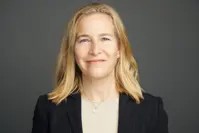
Elizabeth Kagan Arleo, MD, FACR, FSBI, FAAWR
Professor of Radiology, Weill Cornell Medicine
Department of Radiology, Weill Cornell Medicine
© 2026 Medality. All Rights Reserved.
