1 Heart. 1 Mission. Success of a Multidisciplinary Cardiac Imaging Team Approach, Dr. Giovanni E. Lorenz and Dr. Emilio Fentanes (3-16-22)
HIDEInteractive Transcript
0:01
Hello and welcome to Noom conference hosted
0:04
by MRI online.
0:06
Noon conference connects the global Radiology community Through
0:09
free live educational webinars that
0:12
are accessible for all and is an opportunity to
0:15
learn alongside top Radiologists from around the world.
0:19
We encourage you to ask questions and share ideas to help the community
0:22
Learn and Grow.
0:24
You can access the recording of today's conference and previous new
0:27
conferences by creating a free MRI online account.
0:31
You can also sign up for a free trial of our premium membership to
0:34
get access to hundreds of case-based microlearning courses
0:37
across all key radiologies and Specialties today.
0:40
We are honored to welcome Dr. Giovanni Lorenz
0:43
and Dr. Emilio fentanas for a lecture
0:46
on one heart one Mission success of a
0:49
multidisciplinary cardiac imaging team approach.
0:52
Dr. Lorenz is the Deputy of an Imaging
0:55
services in the San Antonio military health system and
0:58
Dr. Defenses is a cardiologist at active dude
1:01
on active duty at Brook Army Medical Center and
1:04
director of cardiac imaging and cardiovascular research and
1:07
co-director of echo. Cardiac Rafi.
1:10
At the end of the lecture join our presenters in a Q&A session
1:13
where they will address questions you may have on today's topic.
1:17
Please remember to use the Q&A feature to submit those questions so we can
1:20
get to as many as we can before our time is up. And with
1:23
that. We're ready to begin today's lecture Dr. Lorenz and
1:26
Dr. Frendinist, please take it from here.
1:29
For that introduction. I know Dr. Fantas
1:32
and I are super excited to share this as
1:35
you may or may not know making any
1:38
change is difficult but making change
1:41
across departments across
1:44
compartments such as the Army and the air force that
1:47
takes a lot of skill and effort. So we're super excited
1:50
to share our brief journey through this
1:53
but also want to say that this is just the
1:56
beginning and hopefully we can learn from growth and
1:59
be able to support further.
2:04
For now, we're very excited about this opportunity and
2:07
the ability to to kind of share our story
2:10
before we begin Uncle Sam didn't
2:13
want to make sure that you guys were aware that we're
2:16
about to discuss is obviously our opinions. Nothing
2:19
to do with the military the location where we
2:22
work the department of the fence of the defense health agency.
2:25
So we also don't have any potential conflict of
2:28
interest as part of this presentation. So before
2:31
we started we wanted to
2:34
kind of give you guys a quick introduction to the type of
2:37
valuation of chest pain
2:40
in the in the department of the fence and our transcend
2:43
utilization. We had a request
2:46
from Congress to kind of evaluate how we
2:49
were evaluating coronary our disease for both our
2:52
service members as well as beneficiaries into trying
2:55
to on their stand as you can see from this data why
2:58
cardiac CT cardiac MRI and some of the more
3:01
newer Imaging modalities were being significantly on
3:04
their
3:04
Realized and you know the impact that covid had
3:07
on a lot of these Trends in utilization and
3:10
more importantly how these tests modalities were being
3:13
used initially once we had
3:16
this information, but we noticed was that while you
3:19
know, it was reflective of the guidelines at that time
3:22
functional non-invasive testing with it with exercise treadmill, testing
3:25
stressical cardiography or myocardial perfusion
3:29
spect Imaging then to be the, you know,
3:32
first line task for, you know, pretty large
3:35
significant majority of cases, but what
3:38
we found that even as a second line test, when did
3:41
that I was inconclusive or it needed
3:44
further validation or exploration functional testing was
3:47
always a second to modality whether
3:50
it's a repeat of the same modality or a secondary
3:53
functional modality.
3:56
So when all this information came out and
3:59
we were asked to kind of further explore the the
4:02
challenge came, you know from from Congress where
4:05
they they stated in their own words. They wanted
4:08
to see what would be a best way for us to come
4:11
up with an anatomy-guided pathway with the use of
4:14
cardiac CT as well as implementation of CTF of
4:17
far compared to the then guideline
4:20
recommended approach of mostly candidate ischemia
4:23
guided approach. They wanted to also receive an
4:26
outline of what were the necessary steps
4:29
moving forward in a plan of action to to
4:32
coming up with that but we reported to Congress
4:35
at that time was that you
4:38
know, as we had seen the the amount
4:41
of functional testing was quite prevalent
4:44
and it was marker of of a cultural
4:47
Trend and that time but we had seen an increase
4:50
although small, but an increase overall in the
4:53
utilization of cardiac CT.
4:56
Military health system. Our conclusion was
4:59
then that in order to increase this access to
5:02
coronary CT and then make Congress requests we needed
5:05
to do a better job training folks and ensuring
5:08
that the scanners were available the Technologies
5:11
for available and infrastructure was available for
5:14
our graduates from from our facilities would
5:17
be able to perform high quality CT. We
5:20
had the unique opportunities since we are the largest
5:23
training center for cardiologists and Radiologists in
5:26
the Department of Defense to really be able to provide this
5:29
service from two fronts and also kind
5:32
of make a pathway for for a collaboration
5:35
on doing this.
5:38
So our Legacy Approach at that time, you know,
5:41
what's kind of split into as you see the red line Radiology would
5:44
train their Radiology residents and fellows with
5:47
a separate. Gme Mission from Cardiology. They had
5:50
their own cardiac imaging research. They focus mostly in
5:53
the technical aspects and imaging findings at that time. And then
5:56
obviously the reports were mostly focused on anatomical findings
5:59
versus Cardiology with you
6:02
know, we had supper training from them.
6:05
We had cardiac imaging research eat from the same patients same
6:08
patient population same studies or the
6:11
focus more on clinical outcomes. And then the reports
6:14
read more of a clinical management recommendation rather than
6:17
a anatomical finding. So after we
6:20
reviewed this we decided and we were able to
6:23
have the opportunity to really create our first joint
6:26
radiology and Cardiology program where we
6:29
were able to blend The Best of Both Worlds, we had, you
6:32
know, collaboration and patient scheduling education and
6:35
access to care from both departments.
6:38
And that was something that allowed us to really help
6:41
improve access to care
6:44
as we were having contribution from our Cardiology clinic
6:47
schedulers as well as scheduler from the Department of
6:50
radiology the other important thing that came from
6:53
this course probably providing nurses and technologists from
6:56
each department kind of help improve access
6:59
and more importantly expedite the
7:02
workflows through education training.
7:05
Dating of protocols as well as ensuring that the quality
7:08
of the test and then the consistency of the
7:11
images were consistent across two sites because
7:14
we have two different sites in San Antonio the other thing that
7:17
also benefit we benefited from when this joint
7:20
program was the referrals we were able
7:23
to then tackle from both fronts, you know an education
7:26
approach from when a physician orders or
7:29
clinician orders cardiac CT. They didn't
7:32
just receive feedback on the appropriateness or the best
7:35
test for the patient from the cardiologists but also
7:38
their Radiologists or Radiology training Cardiology fellow
7:41
as well as the protocol and ensuring that
7:44
the appropriate test was done at the appropriate time for the
7:47
right patient as far as the other benefit of doing a
7:50
joint program we had
7:52
The training of fellows we were able to have now
7:55
increased taxes and more importantly better at
7:58
more rounded education to our fellows. So they
8:01
can focus on achieving a cool cats level 2 training based
8:04
on the Cardiology training guidelines, but also focus
8:07
on our Radiology residents fulfilling the ACR and
8:10
nasty training requirements for cardiovascular CT
8:14
and cardiac MRI, as far as the best benefit
8:17
from all of this is we were able to join a Cardiology
8:20
and Radiology faculty. So now we had expertise
8:23
from a really Radiology perspective but
8:26
also expertise from board certified as
8:29
well as Fellowship trained cardiologists in an
8:32
imaging department to combine their overall learning experience. So
8:35
we we often now,
8:38
you know, I get asked this. Well, how do we
8:41
do this? And how do we arrive to this? So
8:44
A lot of it had to do with you know our our
8:47
approach and the address
8:50
for collaboration and reaching out. I
8:53
think it's probably going to be the hardest part is not the most challenging
8:56
part at first, you know from A
8:59
cardiology perspective. I will tell you that you have
9:02
to have a radiology Champion it goes
9:05
without saying that without having
9:08
a radiology Champion to have you know,
9:11
an understanding for a vision share an
9:14
equal Vision more importantly but also provide the
9:17
ability to really communicate with
9:20
their Department in a way that you know
9:23
transitions division from a single
9:26
Department to a multi-departmental thing is key.
9:30
For us it became then what there
9:33
was an agreement for collaboration and what
9:36
division of that would be and you know going through
9:39
credentials ensuring that the standard operating
9:42
procedures memorandums for understanding educational
9:45
training agreements were
9:48
all in place. Then we could start focusing on the basic things.
9:51
And one of the things that we standardized was
9:54
the workflow across different sites based on the resources that
9:57
we had bamc. We have the ability of
10:00
having our patients prepared for our now patient
10:03
coronary CT with the use of a nurse and
10:06
an lbn that's provided by the department of Cardiology versus
10:09
our other side of wood for Hall. We have
10:12
the cardiology fellows and Radiology resident working
10:15
directly with their Radiology technologists to
10:18
be able to get the same workflow achieved
10:21
with the same amount of time spent preparing patients,
10:24
but also providing, you know,
10:27
the same workflow in the same approach to perform in
10:30
Sam based on the resources available. The other
10:34
thing that we also wanted to make sure is that the product with
10:37
the workload itself was simple and it was reproducible the idea
10:40
being when these graduates would
10:43
leave our sites and they go on to different places
10:46
that they would take the exact same protocol the
10:49
exact same approach the same workflow to
10:52
perform cardiac CT with two
10:55
examples of how to do it if you have a nursing support available,
10:58
but also how to do it if you don't have a
11:01
nursing support available for the administration of medications and
11:04
patient preparations.
11:06
the other part that was challenging was the cultural
11:09
change when we
11:13
Optimize patients heart rate for the type of scanners that we have available
11:16
in our Marketplace low heart rate is key. So from
11:19
A cardiology perspective, I have very little heartburn giving
11:22
somebody 200.
11:24
Milligrams of oral metoprolol and giving them
11:27
10 milligrams of IV metoprol the scanner if needed in
11:30
addition to 800 micrograms of nitroglycerin and
11:33
not be worried about hypotension or profound very
11:36
cardiacs a result the unique opportunity to
11:39
work with their Radiology residents with this is they get the same
11:42
level of comfort they get the same level of experience. They
11:45
get the same level of safety margin and
11:48
understanding and and really seeing how
11:51
this impacts the image quality but more importantly the
11:54
safety behind it which you know to this day
11:57
we have not had any Adverse Events related to medication administration
12:00
and patient preparation. The other
12:03
thing with days with standardize our protocols. We wanted to
12:06
ensure that the injection volume the injection rates
12:09
the type of dozing for kvp million
12:12
amps based on weight. All of
12:15
those things to have our planning cardiac CT
12:18
calcium score functional sentiments.
12:21
We're all done and the same
12:24
Workflow the same protocol regardless of of
12:27
the location the other thing
12:30
and probably one of the most challenging thing was the standardization of reports. We
12:33
felt that this was something that needed to occur and we had
12:36
the challenge of having the new CAD rats system come
12:39
out halfway through our Standard Station or reports
12:42
and we were able fortunate enough to have a early review
12:45
of this can't Grant document before so that
12:48
we were able to address any concerns and consistency reporting
12:51
but now our reports regardless of
12:54
who the reader is regardless of, you know, then their
12:57
style Etc intends to be unified in a standardized report
13:00
that has been agreed on by all members. The other
13:03
thing that we were able then focused on was educational curriculum whether
13:06
you know, it involved lectures
13:09
involved. Do you send team Microsoft teams to
13:12
use a channel where regardless of
13:15
the location the reality residents of the Cardiology fellow
13:18
is able to join the reading session have access to
13:21
reference cases for education.
13:24
Or experience but also has access to
13:27
resources for where to look up
13:30
certain things the protocols for refreshing a guide
13:33
on what are the expectations for the rotation, but
13:36
more importantly what are the things that we want them to
13:39
get out of during their time of their rotation?
13:42
So now Dr. Lawrence is
13:45
back. I'm gonna let him kind of talk to you guys through through the
13:48
next part of our face on how we did our second part
13:51
of the journey.
13:52
Yes, so just as a review this this is a long.
13:55
Journey, and a pathway that definitely requires the
13:58
champion on both ends. And as
14:01
Dr. Fontana said mentioned a collegial
14:04
respect for each other is at the heart of all of this
14:07
stuff and so we were lucky as you can tell
14:10
is that we've all sort of wear the same uniform and we were able to
14:13
then to work from that sort of Baseline of equality and
14:16
move forward. So our journey did not just
14:19
end there that was just the beginning of setting up appropriate Champions
14:22
on both
14:25
ends workflows and so forth.
14:28
It was now to the more difficult things and that's the day to day
14:31
and so here you can see laid out here was the patient
14:34
education and standardizing that essentially this was
14:37
ensuring that we had materials that made sense that we can
14:40
provide to our ordering providers as well as do
14:43
our patients following this examinations. And so we really try
14:46
to include what was important from the clinical standpoint as well
14:49
as opposed to Imaging and post workflow.
14:53
Yeah, we were also ran into our fair
14:56
share of challenges. Where as we
14:59
were moving on our journey. Literally we
15:03
cannot make this things up. We
15:06
had a new EMR implemented at our Marketplace that
15:09
affected our work orders our workflow orders.
15:12
They the entire
15:15
process of how to order how to perform on interpret how
15:18
to document things that change shortly after that.
15:21
We had a new packs and the training that came with the new packs
15:24
and the ensuring that images transferred over and right
15:27
after we had summarize that and overcome that
15:30
challenge we had country shortages a staff shortages
15:33
and shortly after that. Then you chest pain guidelines came
15:36
out and then we had Tysons through proponent implementation. So I
15:39
think that we've had our fair share of challenges. It's
15:42
dark forens will be able to kind of share with you
15:45
how we we face all of these
15:48
things. Well, so like many of you you either work
15:51
in large academic instit
15:56
And or even private act
15:59
groups that have imaging centers and service workflows
16:02
that just need to be efficiency based and
16:05
so sometimes items such as new emrs or
16:08
PAC systems or throwing at you without your service
16:11
line being part of that discussion. So we try
16:14
to do is ensure that individuals who made those decisions were
16:17
aware that cardiac imaging definitely need
16:20
to be part of that early on and and when we could or could not
16:23
then we just had to brace for the or the
16:26
answer. So as an example when we
16:29
overhauled a brand new electronic health
16:32
record for the entire department defense health
16:35
agency. We really try to determine
16:38
what is the best way to do this from a cardiac imaging standpoint.
16:41
So we sat on both committees there were
16:44
items in the Cardiology workflow in
16:47
those meetings that I had no idea what this talk to what
16:50
was going to be talked about but I sure I definitely
16:53
want to ensure that they knew that the Imaging
16:56
Point in my voice was being discussed and similarly when we
16:59
had meetings that were just Radiology specific that I
17:02
shared by notes or Dr. Fontana's came in on that.
17:05
Now similar to that was our
17:08
Pac system. We had probably about
17:11
two months of latency before we after
17:14
getting our new EMR on is that when
17:17
we started our packs integration and so this was
17:20
another challenge that we had to do which was moving from
17:23
something that we're used to to something that we weren't and
17:26
then being the test site for this. So we're now on an Enterprise
17:29
pack system. I think it's going to be really wonderful in the
17:32
future. But of course things didn't work correctly. And so
17:35
we immediately had to work together and have essentially pen
17:38
and paper just find out what worked on a
17:41
cardiac CT deployment what didn't and then
17:44
to make those changes with those engineers.
17:47
Like many of you contrast shortages last year were a big deal and so
17:50
we had to work together and although we're
17:53
probably five maybe ten miles apart
17:56
from each other. It was vastly different worlds as far as
17:59
ordering credit cards and and so
18:03
forth as far as getting contrast to our facilities it it
18:07
can sometimes be advantageous to
18:10
be Army in Air Force. We can apply those different
18:13
principles Air Force
18:16
tends to have Deep Pockets and army tends to
18:19
have a very loud voice. So between the two of us we were able to
18:22
really push for contrast from vendors that
18:25
we normally or individually would not be able to
18:28
get
18:29
With the chest pain guidelines, I think we've gone through these
18:32
and other workflows and webinars before is that
18:35
this really provided the the
18:38
push around the inertia to do
18:41
new things such as party xct and anatomy and
18:44
based evaluation and chest pain. So there was a lot
18:47
of Education that was required for our clinicians to order this
18:50
as a type of exam, but also was to ensure that
18:53
we had the technicians the time in the schedule and
18:56
to essentially just kind of push in and kind
18:59
of push out some of those other Radiology type of examination so
19:02
we can do the cardiac imaging.
19:04
And it it goes on and on
19:07
right? I mean there's plenty of these different types of challenges that we can continue to
19:10
talk about and we're gonna save a little bit of time at the end so we can get
19:13
some further Q&A on there, but I wanted to hit
19:16
on number 10, which is the growth area.
19:19
I have two years ago three years ago. I think when we started this we
19:22
had no idea what our endpoint was and I
19:25
think that was a good thing mainly because we really wanted to
19:28
push to see how far we can get with
19:31
this and I think the integration of
19:34
our reading programs being able
19:37
to have specific equipment for
19:40
the cardiac commission has been the first step. I
19:43
think our second step is our outline there and that's research
19:46
collaboration for instance.
19:48
I think two departments on the year IRB or
19:51
on your Z proposal has made
19:54
a huge difference in the amount of
19:57
I think at last count millions of dollars that have been
20:00
able to flow to us into our type of programs that
20:04
we want to do.
20:05
And I think that is because we can
20:08
come at it from both types of departments points of
20:11
views and imaging Innovation and in
20:14
the clinical directive. So I think that was extremely useful. We
20:17
didn't really set out with that in the beginning but that has really
20:20
been something that we both relied on.
20:22
Dedicated cardiac imaging equipment at last
20:25
count. I think we're looking at about five million dollars
20:28
worth of new equipment that could be coming through. So this
20:31
is really helped us kind of obviate some of
20:34
the new challenges such as technicians and
20:37
ensuring that we have growth even though we might
20:40
have technician shortages.
20:42
Academic opportunities abound everywhere both in
20:45
our facility and institutions as well as yours. And
20:48
so I think one of the big things has been is how do
20:51
we grow gross smart and strategically while ensure
20:54
growing with our fellows and our residents who will be
20:57
taking over our response. So at every step in the process we've been
21:00
trying to ensure that our gme is
21:03
aware of and recognizes these achievements that
21:06
we've done. We definitely a huge players in our
21:09
PI and qpi API projects. We've also
21:12
set out to ensure that our residents and
21:15
fellows are at the top of their game and
21:18
you might have seen us recently in the ACC cat and
21:22
nabbing first prize in our January challenge.
21:26
Yeah, so it's it's been a fantastic thing, but
21:29
we've learned a couple lessons and I'll tell
21:32
you this from A cardiology perspective and this kind of applies for
21:35
more just making friends and Radiology. We'll just making friends with
21:38
other places and I think the most important
21:41
characteristic as a person as a physician is to be
21:44
adaptable.
21:45
And what does it mean to be adaptable obviously becomes
21:48
teachable a lot of us are highly
21:51
trained. A lot of us have had a lot of experience bring different
21:54
things. But there's something to be said about having the humility
21:57
to to be teachable to understand your
22:00
limitations to understand that knowledge gaps
22:03
and more importantly to be appropriately, you
22:06
know, and and adequately emotionally secured to
22:09
to understand where your gaps are of the
22:12
deficiencies are and understand that, you know,
22:15
everything that's happening every every conversation that
22:18
you have every Gap that gets addressed every
22:21
deficiency or every area of growth. It's essentially made to
22:24
ultimately serve a purpose and that requires
22:27
you to be very service minded but more
22:30
importantly be intentional that everything that you're doing happens for
22:33
a reason every when you process every new
22:36
lesson every new finding every new skill
22:39
that is developed has a purpose and the purpose ultimately
22:42
becoming, you know a person that can be
22:45
collaborated on so that that's one of the key lessons
22:48
that we've learned with with collaboration the other
22:52
thing and you know that Dr. Loren Stark and this is more
22:55
like, you know bringing friends along so
22:58
Yeah, the dependability. We
23:01
really tried to
23:04
ensure that everybody had skin in the
23:07
game and what that meant is that I ensured that
23:11
our Cardiology readers managed our
23:14
imaging centers and for some
23:17
Radiologists that that's that
23:20
could be a big leap and I completely understand that because you
23:23
know, it's it's something that's new but
23:26
their clinicians their positions just like you and
23:29
so placing them in the center of a highly efficient
23:32
or fast-paced workflow
23:35
that that can sometimes be
23:38
it's scary. So I I thought that was a really wonderful
23:41
growth period for us where we're able to put some of our new
23:44
cardiologists who are cardiac images into that
23:47
space and they ran imaging centers very well this handling
23:50
all the different things that of course can hit you from,
23:53
you know on the CT side as well
23:56
as Mars time.
23:57
Another thing that I think was kind of useful is that
24:00
we really tried to ensure that everybody knew
24:03
what we were looking for as
24:06
far as threshold and Baseline expertise.
24:09
And so
24:12
that was something that if we ensured everybody knew about that
24:15
they can at least reach to that goal. There was no hidden agenda
24:18
because everybody knew that there was a certain level of readership there
24:22
was a certain level of peer review that was going to be done and all
24:25
the results from that were going to be shared equally and
24:28
openly so I think once you set that then everybody
24:31
could then rely on each other
24:34
depends on them and and be able to move forward.
24:37
We also did something which was
24:40
interesting which we did act team breeds.
24:43
That is everybody was to contributor on every read
24:46
that was done at a point of time. So we would do the Acquisitions
24:49
in the morning and then we would do a complete team-based
24:52
readout in the afternoon and for
24:55
some of our fellows and residents.
24:58
This was an opportunity for them to lead the discussion and
25:01
to go through the entire workflow. I thought that was
25:04
really interesting. I haven't seen too many places do that, but it
25:07
is something that was kind of exciting to see variable teaching
25:11
and variable interpretations based
25:14
on where you came from Cardiology and
25:17
Cardiology.
25:19
Yeah, and I think another important thing particularly
25:22
from from our transition is you know,
25:25
yes, there's education of opponent but there's obviously the
25:28
key players and nothing can be, you know,
25:31
not enough things can be said about our Technologies to nurses. But
25:34
when when we when we start engaging
25:37
with them, you know Radiology technologists Cardiology nurses
25:40
and vice versa. We've learned that in order to to really
25:43
bring that energy. You have to be enthusiastic. You know,
25:46
we we all love what we do. We are
25:49
skill that what we do and we want our technologist to
25:52
see that the reason why we go to work we work
25:55
with everybody while we focus so much and Excellence is because
25:58
we enjoy it. We're really want to get the best image
26:01
quality at the lowest possible those with the exact amount
26:04
of contrast that we need to get the best outcome for
26:07
the patient a lot of this especially
26:10
in the sense of shortages and and the
26:13
efficiency is is we've learned to do more things that
26:16
may not necessarily be seen as a role.
26:19
Physician to do but I'm willing to do you
26:22
know, I'm not very good at putting IVs. So
26:25
they told me to stop trying that but I can't give Ivy metoprolol.
26:28
I can't give IV nitroglycerin. I can't prepare the scanner
26:31
what diff is technologist is putting the EKG leads
26:34
on I can help putting the EKG leads on I can
26:37
help prepare the contrast I can help transport the
26:40
patient.
26:41
And a lot of nodes has to do with showing a source of
26:44
urgency when the technologist Pages me or calls me
26:47
because they have a question or something is concerning to
26:50
them. We have to demonstrate a sense of urgency to
26:53
be readily available because we want them to know that they
26:56
are a priority to us and how we approach them. How
26:59
do we talk to them how quickly we're respond to
27:02
things how readily available we are. You know, we move our
27:05
reading room to be literally 15 feet away from the scanner just
27:08
to ensure that we were readily available for
27:11
any potential issue and the scanner and that involved
27:14
the cardiologist moving from the third floor or officers
27:17
are located to moving to their location
27:20
in the new reading room. So we had room to be
27:23
available. And that was that was the main reason and that's, you
27:26
know, being there for the technologist to nurses and we
27:29
strive for Excellence our technologists take pride when they
27:32
come out without fantastic textbook quality CT scan
27:35
and they also have the sharing level of concern
27:38
and and you know, I don't want to say, you know,
27:41
Defeat but they really don't like having
27:44
non-diagnostic scans. So they will contact us
27:47
and be like, hey, this could be better. Can I do it again? Or I
27:50
think this patient needs more metoprolol or
27:53
perhaps we can do this better dkg leads in
27:56
there they take pride in that and it's very interesting to see
27:59
and very rewarding to see how the technologists and
28:02
the nurses really take pride when a CT scan comes out
28:05
perfect. But also how you know, they they
28:08
strive for doing better when the scam does not
28:11
turn out how it should be and there's always a conversation of making it
28:14
better and all has to do with the culture of change
28:17
and the culture of enthusiasm and and love
28:20
for what you do in in a scanning room.
28:24
I'll also add because we live in South Texas tacos.
28:28
and I don't think anybody
28:31
has ever turned down any of
28:34
our
28:36
Taco Tuesdays and stockers and
28:39
so forth and you know, it's
28:42
it's a hand placed out there
28:45
to help people and to just encourage the
28:48
friendship and the development of more than just a radiology
28:51
technician or a or Radiology nurse
28:54
or Cardiology nurse workload the team and
28:57
the team workflow. We we get through the exams together
29:00
we get through the workload together and we get to share
29:03
so I think that's also something that we've come have done
29:06
very well around here.
29:08
So education is kind of a big thing for us.
29:11
We're both geony professors and we have
29:14
a very large cohort of fellows and residents
29:17
probably the largest in the
29:20
Department of Defense. And so what we've been able to do is become process-oriented
29:23
and so we probably
29:26
plan out our cardiac imaging program
29:29
probably about a year in advance that is
29:32
to consider what kind of research we're going to attack
29:35
qipi papers and what
29:38
kind of things that we may need to do for our
29:41
individuals.
29:43
So this is something that we do together, we do set
29:46
up team meetings where we can discuss these
29:49
and in future plan out. What's going to be useful.
29:52
And we have also done a significant
29:55
amount of peer review of our prior exams. What
29:58
worked well what didn't work well workflow efficiencies and
30:01
as an example, I think
30:04
last week we actually sat through and kind of rolled up
30:07
about 10 different coronary CT cases and
30:11
we did notice that a few of
30:14
the calcium Springs had a higher dosage than
30:17
normal at one of our skin locations. And so
30:20
we reviewed that we got physics involved and we did identifying issue. There's only
30:23
because DR fintanus had noticed
30:26
noticed an issue. I then was able to confirm that
30:29
and then we were able to get Arkansas involved and
30:32
then come to an understanding of what was going on turns out
30:35
that it was a bit of technologist leaning forward.
30:38
And then also there was an issue with
30:41
the actual scanner that was immediately fixed when
30:44
we did that we were able to kind of find problems
30:47
very quickly and early and then move forward.
30:51
Planning our progress has been a big thing. Like many of you we've got
30:54
kpis and metrics that that we have to keep an eye
30:57
on as far as like turnaround time and and volumes
31:00
and RVs. And so we do try to
31:03
set minimum standards as what to we
31:06
want to exam for the month. And then what
31:09
those turnaround times are for those are those types of examinations. And
31:12
so periodically we do look at that.
31:15
I think it's kind of important to share that not just
31:18
with the staff and they interpretator interpreters but
31:21
also with your technicians and show them that this is
31:24
what ideal looks like and this is where some of the exams
31:27
that didn't quite meet that what we can do the fellows
31:30
and the residents have been immensely educated
31:33
by this and they're able
31:36
to see that they can also learn from this too. And I think
31:39
that's huge thing. I never got that as a resident fellow
31:42
that kind of service work well through evaluation. I thought
31:45
it was huge and extremely important values a
31:48
big thing. When you have a combined part department
31:51
that has ultrasound news VT Mr.
31:54
You're you have tools a
31:57
plenty. I mean you have more tools than probably
32:00
you know, or probably needed for most of your patients, but then
32:03
yeah, you have the opportunity to determine what's going to be value specific and
32:06
value or did it for your for that particular patient. But
32:09
as well as what's gonna grow the apartment
32:12
So we've noticed that we have a really great
32:15
tool in stress cardiac MRI for instance, but unfortunately, you don't
32:18
have the technicians to completely Run 10 cardiac
32:21
stress cardiac MRI, you know
32:25
per day so we have to still utilize what's sufficient
32:28
and then also what's effective for
32:31
the patient and be able to both of those needs.
32:35
Now all very important lessons and you
32:38
know with the changes come disagreements and
32:41
a lot of it has to do with how do
32:44
you approach those and you know what we
32:47
share very good relationship with everybody
32:50
in the department. We've learned that the key to this has
32:53
to do with being relational.
32:55
We have a tremendous amount of respect for each other
32:58
both professionally personally, but also as
33:01
Military Officers and I think that speaks volumes to the
33:04
type of Department that we run we trust each
33:07
other if there's a question or read if there's
33:10
a concern if there's something I can rest assured that
33:13
somebody has a question that the quality of the read
33:16
the quality of exam that was performed by Radiologists of
33:19
cardiologists is consistent because of the trust that
33:22
we've developed along the way and we've shared experiences, you
33:25
know, there's something I don't know or something. I'm not
33:28
clear with or something that clearly I need to sick
33:31
and die so, you know whether or not I'm on service or
33:34
not. I'm approachable people reach out and vice versa.
33:37
It's not uncommon for Dr. Laurence to be on
33:40
trauma calling me bothering him with the question or you know,
33:43
another one over radiologist who's on the
33:46
service with us and steps out for the minute or has another
33:49
obligation where where we have that so we
33:52
have the ability to really share a lot of the experiences.
33:55
Had but it goes beyond that working together in
33:58
research working together for presentations.
34:02
Having lunch together, you know going to Coffee. I
34:05
mean, I'm not saying go to each other's kids birthday parties.
34:08
I mean we do so, you know that helps but
34:11
you know, it's that type of like outside
34:14
of work experience. It's a really make the difference. We
34:17
enjoy going to conferences seeing our fellows and residents
34:20
perform, but also have the ability to go together as a
34:23
team and share those things to to kind
34:26
of celebrate the accomplishments for that more importantly. We're
34:29
really valued each other and this is not just like, oh we need
34:32
somebody for coverage. I think the value that each set and
34:35
member of the team has and and what they bring
34:38
to that team and and what their contribution is beyond
34:41
just an interpretation, but for patient care, I think
34:44
every one of our teammates is focused on
34:47
providing the best care for patient and that reflects on
34:50
their work their work ethic they're availability
34:53
in their availability to you know,
34:56
show value to each other it goes beyond just like
34:59
well, I'm happy to cover for you, but it's more of a
35:01
You know somebody's in need of something. We're there
35:04
for each other if somebody is sick or need something. We're
35:07
there, you know, it's not uncommon for us to have
35:10
days where there's a lot of MRIs that need to be read. But there's also
35:13
a lot of CTS if you know, I'm not busy with the
35:16
echo lab or I'm doing an administrative thing. We do go downstairs
35:19
and read together to try to help our our teammates.
35:22
Even if we're not on service and vice versa. It's not
35:25
uncommon for you know, those busy days to have one
35:28
of the actual Radiologists who was part of the team say I'm
35:31
gonna help out with this without asking so
35:34
we really show appreciation and value to each other
35:37
in many many different ways. And I think that comes with
35:40
selecting the right team what else so the teammates
35:43
thank you have even if there's disagreement. We always
35:46
have that mutual respect level trust insure experience
35:49
that allows to move, you know,
35:52
I disagreement and something academic or something, you know,
35:55
procedural turn understanding that our goals
35:58
our missions are perfectly aligned. We just sometimes
36:01
like
36:02
Deep Purple another people like to see Violet and it's the same
36:05
color but isn't.
36:06
so
36:11
challenges. Yeah, there's absolutely
36:14
no data occurs without
36:17
some sort of challenge occur.
36:20
Happening Here
36:21
I think the main thing that we
36:24
learned is that we take the emotion out of it. This is
36:27
service the service industry we try
36:30
to service our patients and we try to do that effectively and efficiently
36:33
so there is no
36:36
room for
36:38
a pain, you know and and letting that
36:41
ego get in the way there. So we take that opportunity
36:44
to learn from each other as room
36:47
for growth and I think that's really been the
36:50
start of all this.
36:52
so
36:55
I always update Forefront. In fact
36:58
just this morning. I had a patient of Dr. Fontana's
37:01
who came by for stress cardiac MRI finished
37:04
the exam late and because the images
37:07
weren't set because our internet went down so finished up
37:10
our early this morning.
37:12
And I called the patient.
37:13
Isn't any year old lady was very
37:16
concerned about the ischemia evaluation. And
37:19
so I called her and let her know the results and I told
37:22
her to follow up with Dr. Fantas as well as a further clinical concerns,
37:25
but I think when you have a good meeting a
37:28
good group at the individuals that you feel comfortable and then the
37:31
roles start to become clinical and then also become then
37:34
an exam oriented and you're able than to help the patient. And so
37:37
that was a nice thing. I felt comfortable doing that
37:40
and being able to support it within my limits of
37:43
their expertise, but then also to help the patient at the time
37:47
So that was kind of a big thing for us as I
37:50
mentioned before the right test for the right.
37:53
Page we're running into the point where we have so
37:56
many modalities available to our patients. You get to
37:59
choose you're almost like a kid in a candy store at this point. We have
38:02
beautiful equipment but not always great equipment at the same locations. So
38:05
we're able to find the right equipment for the right
38:08
patient for the right test and be able to do that. So I
38:11
think that's been really useful to know. What is the right clinical
38:14
scenario for the right exam for the right modality and
38:17
be able to do that and then be able to get that
38:20
information through protocol exam request
38:23
and then as well as interpretation,
38:28
And I think you know the next phase for us
38:31
is growth, you know, like Dr. Laurence mentioned then
38:34
the efforts of collaboration have, you
38:37
know yielded to the ability for us to start focusing more
38:40
on having dedicated cardiac imaging scanners. You
38:43
need a scanner for just cardiac.
38:46
CT you need a scanner just for cardiac MRI the clinical
38:49
expertise goes beyond
38:52
just one side, but we're focusing more now and offering
38:55
the same service.
38:57
for the entire Department of Defense Enterprise
39:00
Where if you know there's challenging cases or cases that
39:03
there's questions or concerns because of our use of
39:06
Microsoft teams in our environment. We're able to be at multiple
39:09
locations in the same time period and
39:12
assist our colleagues at remote sites that ask for
39:15
help. So that's an important aspect. We also
39:18
notice that there's been a significant increase in our volume
39:21
by simply improving access you build it. They
39:24
will come in the sense that we're getting more appropriate
39:27
test. I would go and say from a cardiologist
39:30
perspective and say that for all new hard failure
39:33
diagnosis. These are institution nearly 95 to
39:36
to 80% of patients and
39:39
our institution have a cardiac MRI at the
39:42
time of their diagnosis gonna help guide further management
39:45
further evaluation, but also importantly risk
39:48
trying to vacation. So getting that educational component
39:51
getting the access to the scanner time and
39:54
ensuring consistency quality have led
39:57
to that Improvement in there and more importantly we now have
40:00
Access to more technology for both clinical and research applications. We
40:03
have a new Vita scanner for cardiac
40:06
MRI with 3T that can do 4D flow. So
40:09
we're going to be utilizing this for our valvular patients. We
40:12
have myocardial blood flow quantification that we're getting
40:15
ready to deploy in our Marketplace for the evaluation of Anoka.
40:18
We you know, we have cardiac CT technology
40:21
that goes beyond just you know, coronary Anatomy
40:24
with you know, looking at the Avenues of black analysis
40:27
CTF a farm obviously tmdr. Appreciate
40:30
your planning as well as tab or valving
40:33
valve planning as our program continues to expand and
40:36
the demand for this pre procedural planning and
40:39
more complex cases exist. So we do that
40:42
from a research perspective.
40:44
You know machine learning algorithms Expediting
40:47
workflows clinical outcomes
40:50
research all of that opportunity to exist.
40:53
But you know, it's an opportunity for both Radiology residents
40:56
and fellows that they have to be able to do
40:59
to do things that go beyond just taking pictures
41:02
of the heart. So in summary,
41:05
you know, the best piece of advice that we can give you
41:08
this comes from coach John Wooden it would be you know
41:11
for us is being concerned more with
41:14
character than reputation because for
41:17
us, you know, our character is what matters your
41:20
character when you interact with folks your technologists
41:23
your nurses your dedication to Patient Care all of
41:26
that's really one one should matter in in
41:29
we emphasize that to our residents we have sides
41:32
into our fellows and more importantly is something that that
41:35
we see so we want to thank all of our teammates is
41:38
our cardiologists in our program. They're Radiologists and
41:41
our program, but more importantly our technologists who are the backbone of
41:44
Are Imaging Enterprise or nurses or lvns
41:47
or schedulers which we would have no scans
41:50
without them and our administrative staff of both facilities
41:53
who really allow us to to provide the care
41:56
that we provide for patients with our you know, challenging times
41:59
challenging resources and have been through all
42:02
of those obstacles along the way and and you
42:05
know allowed us to continue to collaborate and work
42:08
with them. So so we're very very grateful for that opportunities.
42:11
So now we kind of Segway into our what
42:14
can we do if you're interested in cardiac CT.
42:17
We are offering a ten week virtual course,
42:20
Dr. Lawrence and I wear, you know, we hope to have
42:23
the opportunity to kind of show you more details about our
42:26
workflows our challenging cases from our facility
42:29
and how we've approached them. We have standardized reports.
42:32
You'll have access to Tara Recon with its
42:35
full applications for detail plan analysis valve
42:38
in val simulation. We have templates reports
42:41
written so, you know if you're interested
42:44
Please reach out, you know, you can use our discount code
42:47
for 25% off as well as to.
42:50
Understand that these are cases that are hopefully
42:53
going to be able to teach you what we teach our residents and
42:56
fellows on how to approach cardiac CT and a systematic
42:59
approach and in there. So now we can transition
43:02
to questions. If anybody has any questions concerns, please
43:05
let me know. I'm gonna stop sharing this screen, but we
43:08
can we can discuss.
43:16
Feel free to put your questions in that Q&A box and
43:19
I've actually got a couple of questions for
43:22
you all. Um great. I'm curious
43:25
how you got approval to combine Imaging duties.
43:31
That's a wonderful question. So we
43:34
stirred out with our Hospital Administration determining
43:37
what is the way of
43:40
doing privileging and so we noticed that her
43:43
Imaging there are
43:46
a couple performance that take lead for this man. So Department of
43:49
radiology obviously handles most of the privileging for
43:52
Imaging interpretation, but we did notice the department of
43:55
Cardiology had Imaging interpretation responsibilities
43:58
as well. So we were able
44:01
to combine them find the right pathway and ensure
44:04
that that one or
44:07
two of us both ends were able to approve privileging
44:10
for both of for our
44:13
departments. And once we were able to review those
44:16
packets for privileging
44:19
we were able to see that we
44:22
had enormous amount of talent out there, but to
44:25
ensure quality we limited that amount of talent to
44:28
those who had met co-cats or
44:31
level two in three experiences.
44:36
familial
44:38
Yeah, you know it was one of those things where you know,
44:41
our departments were across way where we had to the way
44:44
forward was to join programs. And as you saw
44:47
from that report for congress did demand was there and you know,
44:50
I think they're really asking they were kind of making us
44:53
Find A Way Forward where we had
44:56
to train to radiologies and residents and fellows to
44:59
to do cardiac CT into
45:02
cardiacom Orion away. Then was reproducible in
45:05
the long term. So it became a solution that leadership
45:08
was able to support and understand what our
45:11
role was so that that helped.
45:15
And how did combining then in turn
45:18
help your research goals.
45:21
While funding is one of the easiest things than
45:24
you know, you've had it's when you have multidisciplinary funding
45:27
research opportunities and
45:30
projects. It adds a little certain level of certainty
45:33
and experience that comes with each, you know,
45:36
investigator and and pi and supporting staff
45:39
the ability also to
45:42
you know, having more different perspectives and
45:45
viewpoints to a research project having someone
45:48
else's expertise that expands Beyond just you know,
45:51
the clinical day to day but they, you know
45:54
daikons and their machine learning and a
45:57
lot of the additional expertise that are
46:00
Radiologists brings form like those reduction the physics
46:03
of things that are understanding of their modality that
46:06
adds certain level of of expertise
46:09
to each project that we didn't
46:12
have before and we're not able to to multiply
46:15
and reproduce but more importantly it allows
46:18
us to really apply for different.
46:21
instead are across different departments, you
46:24
know Radiology research opportunities cardiology-based research
46:27
opportunities that we otherwise wouldn't have access
46:30
to
46:32
Now add I think there's about 550 million
46:35
dollars in this last year's
46:38
worth of congressional mandated research available
46:42
to intramural and actor mural
46:45
parties when that's a ton of cash and there
46:48
are a lot of amazing technologies that in
46:51
the Imaging field I think would be perfect for
46:54
that. But if I don't have a clinical Champion to
46:57
help support, I'm never gonna get any of
47:00
that approval. It's just not going to happen. So we really
47:03
quickly notice that the only
47:06
way to
47:08
Be strategic about this was to combine
47:11
take a bind and direct towards common goals
47:14
and once we did that.
47:18
I'm gonna started to fall things started to get approved irbs
47:21
moved faster, you know things started
47:24
to really occur the way that they should and so I think at your
47:27
larger institutions, you know what I'm talking about these multidisciplinary
47:30
multi-departments sort of projects. They're
47:33
headed by individuals who are collaborators.
47:36
And so that's what we emulate
47:39
and that's what we even seeing that works very well.
47:43
Yeah, that's really interesting. And and I'm gonna pivot it
47:46
here a little bit to ask you about day to day.
47:49
A day-to-day question and how do
47:52
you handle cherry-picking with exam complexity?
47:57
So I don't think we Cherry Peak this is
48:00
we're reading all of it together, you know,
48:03
there are cases where they're simpler cases
48:06
where you know did the residents
48:09
and we're in cardiology fellows, you know,
48:12
obviously don't have a need for you know,
48:15
an extensive discussion on why this is a normal coronary CT.
48:18
So that allows us to focus more time on complex
48:21
cases, you know, when we get the valve in valves simulation
48:24
or the T and VR or Watchmen assessment
48:27
or or somebody with multivastal disease
48:30
or or unexpected findings that
48:33
then we are allowed to really collaborate on who
48:36
does this and the approach of having a
48:39
share reading session of both
48:42
experts being there. It kind of shares the low
48:45
if we if I start reading or helping
48:48
with the residents earlier and I see that it's gonna be a complex
48:51
case then we put those for for the team
48:54
to kind of discuss together so that there's an equal
48:57
And of that, so we don't we don't have a list of
49:00
15 cases. You know, somebody did the five
49:03
easiest ones and they're 10 of the hardest ones waiting for the next person to
49:06
read. It's 15 cases for everybody to to share
49:09
the load with for that afternoon and how
49:12
we get through those. How do we go through those is what
49:15
really makes our model a little
49:18
easier and more more. I completely
49:21
agree I think some and that's
49:24
a valid concern right? I mean the more quote unquote
49:27
complex cases are left for somebody with
49:30
a bit more experience or level three, you know
49:33
Fellowship training now, we don't do
49:36
that we go over all the cases together and we find that that
49:39
everybody does learn and everybody's able
49:42
to go through that. What is kind of fun and exciting
49:45
though is everybody knows.
49:46
Nobody's going home early. Unless all the cases are done.
49:49
So if we want to do them, we got to do them effectively and efficiently
49:52
and so that's a big motivator more than just
49:55
trying to find the the catarads one or two and try
49:58
to do all those first and leave everything else for for
50:01
somebody else.
50:04
What about addendums and over calling?
50:08
The tendons over calling when it comes
50:11
to a finding where there's discrepancies
50:14
in like the severity of disease or
50:17
concern of that, you know, we don't sign the report until you
50:20
know, all of those things have been addressed so that kind of
50:23
minimizes the issues if there is a let's say
50:26
that the report has been finalized somebody
50:29
won in a second opinion. They wanted to review the
50:32
case. Our default is actually address that with
50:35
the reader for that study kind of go over them with them
50:38
together see what they're findings were kind of
50:41
assess that and
50:43
If we deem as a group that this is
50:46
possible, you know that there's a discrepancy Central.
50:49
We let that reader for that report make the
50:52
addendum obviously if they find if they agree with that change,
50:55
but if we as a group say there's no change. This is the
50:58
this is what we find and we agree which often happens and
51:01
there's no need for us to kind of amend things or
51:04
change. Obviously. There's something like that got missed as part
51:07
of the peer review Etc. We do the same approach with again the
51:10
same concept that whoever read that study needs to put and get
51:13
them done for for that for that finding.
51:18
Once I think interesting is when I reviewed what was
51:21
requested for addendum, it actually
51:24
had a bit more to was more useful in determining a
51:27
better efficiency workflow. That is why we
51:30
didn't we address the clinical question. What was
51:33
missed in that clinical question and it turns out
51:36
it probably had a lot more to do with our EMR in transitioning
51:39
to a better EMR doing that. The
51:42
clinical information was presented in a
51:45
format.
51:46
Hl7 or otherwise that then populated certain
51:49
Fields. So I think that was actually
51:52
useful so I don't
51:55
see that as you know.
52:01
I think these are actually useful and we can see that so we handle them
52:04
all together. Everybody is feces on and on
52:07
the email for request for addendum. That was of course
52:10
part of it so that we can learn from it. And and I
52:13
think these are actually great opportunities for
52:16
learning and so again in our area we in our
52:19
institution, there's no worry about
52:23
an addendum. There's no concern for it. We handle
52:26
it and we evaluate it and we move on
52:31
Yeah, do you think this model could be replicated
52:34
in a private practice?
52:37
I think it depends on your organizational approach
52:40
in whose equipment and have the bill
52:43
is is made right who will charges that
52:46
depending on the insurance carrier depending
52:49
on the hospital policy the outpatient versus the inpatient
52:52
setting, you know Cardiology readers as
52:55
a whole that field of advanced cardiac imaging it's
52:58
a new field and with the new field come like, you know,
53:01
the challenges of like well, it's a cardiologists
53:04
coding as seven five five seven four for cardiac
53:07
CT gonna get reimbursed for that study by
53:10
this insurance and vice versa is you know cardiologist, you
53:14
know reading for cardiac MRI, you know
53:17
in a hospital setting where they're in an RV based model
53:20
is that time dedicated for accounted for
53:23
that RV you or is the RV you gonna
53:26
be, you know conducted by who interprets to report. I
53:29
think you kind of have to individualize to what the needs are for
53:32
your model and more importantly what the needs are for your institution
53:35
or your practice.
53:37
You know, if you own the equipment, which is something that's
53:40
happening cardiologists are starting to find some of the smaller cardiac CT
53:43
scanners and they they're able to interpret their
53:46
own images and higher, you know, that's your cardiac readings for
53:49
Radiologists and you know vice versa. There's cardio
53:52
radiologist centers and our, you know, having more
53:55
cardiologists getting involved in this because their Fellowship trained or
53:58
their poor sort of finding how the appropriate training that can
54:01
contribute to to the purpose. So I think from that perspective
54:04
that's you have to individualize at each
54:07
side.
54:08
I think the short answer is yes, and you have
54:11
advocacy groups that have laid out
54:14
very reasonable education standards in milestones.
54:18
I think you have interpretation guidelines that are
54:21
very sounds I think
54:24
there's a reality that we just don't have
54:27
enough individuals who are subject matter experts to
54:30
handle the current and the forecasted future
54:33
load of exams that I'm going to be coming through. I'm
54:36
sorry, but not all algorithms are gonna be able to handle all
54:39
that. We're still going to need, you know, flesh and blood and interpretation occurring
54:42
at the desk. So yeah with those in mind
54:45
they're absolutely will be models where private public
54:48
institutional academic and
54:51
then you know something at
54:54
the Imaging Center where this will occur and I
54:57
think it's useful to get ahead of it now and determine what
55:00
can be done in your potential environment in your
55:03
facility. To be honest. I think it's a great
55:06
model. I can along really well with cardiologists and
55:09
I think cardiologists get really well and get along really
55:12
well with Radiologists. We just think the same we act the
55:15
same. We're we're both interested in the same things, which is
55:18
Or fellow efficiencies Management's guideline based directed care
55:21
and development of cool new stuff. So it's a
55:24
win-win to be honest and I think those who
55:27
are being it as a win-win
55:30
currently will be taking probably larger market
55:33
share of that overall burden.
55:35
Yeah, we like the same toys it turns out.
55:39
Really? That's when it comes down to I'm shiny thing gets
55:42
as well. Same thing, maybe. Oh, that's nice.
55:45
Yeah, so so all that
55:48
said what what are the next areas for girlfriend?
55:53
Ending to network, you know that we're really Enterprise, you
55:56
know, if we for us really are conversation has
55:59
been you know, we have a larger volume. We have
56:02
more consistency. We want to reach Beyond just a
56:05
trainees and and you know the San Antonio Marketplace, there's
56:08
no reason why they're Radiology residents in Hawaii
56:11
or in San Diego or other sites
56:14
where they don't have access to cardio Imaging
56:17
with the shared EMR Enterprise white pack
56:20
system can contribute to to our efforts and
56:23
can be part of that educational opportunities. So
56:26
we're exploring that Avenue. It has a
56:29
lot to do more with credentials, you know, we're getting credentials. And yeah,
56:32
I think in the next two to five years will be scalability ensuring
56:35
scalability and continue operation
56:38
cardiac. Imaging care. We've got
56:41
some Mariners in San Diego. We've got you know
56:45
other
56:47
Shadowy groups and other locations of the Department of
56:50
Defense that need cardiac imaging and cardiac eval. How
56:53
do we do that? How do we Enterprise that and be able
56:56
to provide that remotely automatically be able
56:59
to give them the disposition they need to do the things
57:02
that they're wanting to do. That's one big
57:05
thing. I think the other thing area for growth is going to
57:08
be collaborative further collaboration. So
57:11
Radiology has a significant footprint
57:14
in imaging and what can
57:17
we do to support other missions that is the other holidays and
57:20
what can the other allergies neurology Cardiology opthamology
57:23
and so
57:26
forth that traditionally had been there areas of the expertise
57:29
and areas of Interest use the
57:32
Radiology departments to support Venice for instance cycle choreographed
57:35
and all the things so we're finding
57:38
that that's good new area of interest and concern we can
57:41
automate some of that stuff and so on innovating cardiac MRI
57:44
automating maybe all your sound echocardio.
57:47
Those are some really fun areas that we're looking at.
57:52
That's excellent. Yeah seems like the the name of
57:55
the game is collaboration here. So sky's the
57:58
limit.
57:59
Yep, I think that's all the questions
58:02
we have any final thoughts.
58:05
Make friends with Radiologists. If you're a cardiologist, if
58:08
you're a radiologist make friends with cardiologists and promise.
58:11
We we do get along you'll find out that
58:14
we like the same movies. Even we like
58:17
the same food. Same toys. I mean
58:20
You'll be careful. If you get too close to a radiologist
58:23
or cardiologist, you might go to each other's kids birthday party.
58:26
So and that can be a consequence in the
58:29
long term.
58:32
Just I would just add just
58:37
this optic value-based proposition and working
58:40
with somebody who's a clinician is usually going to
58:43
work in your favor.
58:47
It's it's a win-win for everybody for education and
58:50
all that that's been there.
58:53
That's how things are done in 2023. So
58:56
I would suggest looking it for nest endpoint and making sure that you come.
59:02
That's what we do it right now.
59:05
excellent
59:07
Well, thank you both for the lecture today and thanks to everybody
59:10
for participating in our new conference. You can access the
59:13
recording of today's conference and all our previous new conferences by
59:16
creating a free MRI online account.
59:19
Be sure to join us next week on Thursday, March 23rd at
59:22
12 pm.
59:24
We're featuring The Rad room in a panel of radiology Residency program
59:27
directors and assist associate program directors for
59:30
a lecture entitled matching into Radiology residency.
59:33
You can register for this free lecture at
59:36
MRI online.com and follow us on social media for
59:39
updates on future new conferences. Thanks again,
59:42
and have a great day.
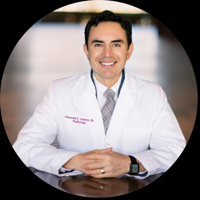
Giovanni E. Lorenz, DO
Cardiothoracic Radiologist
San Antonio Military Health System (SAMHS)
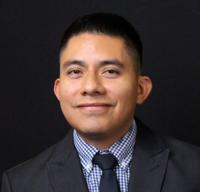
Emilio Fentanes, MD
Director of Cardiac Imaging, Department of Cardiology
Brooke Army Medical Center
© 2026 Medality. All Rights Reserved.
