Artificial Intelligence at the Heart of Breast Imaging, Basak Dogan (8-15-24)
HIDEInteractive Transcript
0:02
Hello, and welcome to today's Noon Conference co-presented
0:05
by MRI online and A A WR.
0:08
The A A WR was founded in 1981 to provide a form
0:12
for issues unique to women in radiology, radiation oncology,
0:15
and related professions.
0:17
The association sponsors programs that promote opportunities
0:20
for women and facilitates networking among members
0:24
and other professionals.
0:25
They have membership opportunities for those
0:27
who have completed their training.
0:29
Members in training
0:30
and international radiologist learn more about their mission
0:33
and membership@a.org.
0:36
We're thrilled to partner with a WR on these lectures
0:39
as part of our shared commitment to advancing
0:41
and supporting women in radiology
0:43
and transforming the way radiologists learn and thrive.
0:46
Today, we are honored to welcome Dr.
0:48
Bach Dewan for a lectured entitled AI at the Heart
0:51
of Breast Imaging Innovations and Insights.
0:54
Dr. Dewan is a clinical professor of radiology
0:57
and Eugene BP Frankel Endowed Scholar in Clinical Medicine
1:01
at UT Southwestern Medical Center, where she serves
1:05
as a member of its breast imaging division
1:07
and the Director of Breast Imaging Research.
1:10
She earned her me medical degree in Ankara, Turkey
1:13
and completed her residency training in diagnostic radiology
1:16
at Inca University Medical School, followed
1:19
by Breast Imaging Fellowship at University of Texas,
1:22
MD Anderson Cancer Center in Houston.
1:25
At the end of the lecture, please join her in a q
1:27
and a session where she will address questions you may
1:29
have on today's topic.
1:31
Please remember to use the q
1:32
and a feature to submit your questions so we can get to
1:35
as many as we can before our time is up.
1:37
With that, we are ready to begin today's lecture. Dr.
1:40
Dwan, please take it from here.
1:43
Thank you very much for hosting me
1:45
to share my perspective on artificial
1:48
intelligence and breast imaging.
1:49
Where are we now and where are we going?
1:51
I hope we will have a robust discussion
1:54
after, after the talk.
1:57
All right, so these are my disclosures for this talk.
2:02
I'm gonna start with, uh, a brief timeline of how we came
2:07
to be where we were at in, uh, breast imaging.
2:10
Um, so AI was actually born, uh,
2:13
back in 1956 in Dartmouth College,
2:17
and the initial attempts at computer, uh,
2:19
based image analysis dates back to 1960s.
2:23
And, um, very quickly, uh, development of CAD
2:28
for mammography started in 1980s and nineties,
2:31
and in 1998, FDA approved CAD for mammography, uh,
2:36
which was R two IME checker at the time.
2:40
And then, um, early on, the study suggested
2:43
that this CAD improved cancer detection rates by two to 10%.
2:47
So there were very promising,
2:49
but later down the line, uh,
2:51
subsequent data emerged suggesting that CAD is maybe not
2:55
that helpful in clinical practice.
2:58
Parallel to that, we had, um, development of, uh,
3:05
first applications of convoluted neural networks
3:08
to mammography, which first, uh,
3:10
focused on mass identification.
3:13
And later on in, uh, late two thousands and early 2000
3:17
and tens, advanced methodology
3:20
and, uh, availability of especially digital mammography
3:24
and hardware led to renewed interest in, um,
3:28
CNN architectures and deep learning.
3:31
And over the past decade, really the application
3:34
of deep learning to detection, diagnosis, tasks,
3:37
and mammography and other breast imaging
3:39
modalities absolutely exploded.
3:42
Uh, this includes segmentation, le lesion identification
3:46
and classification of, uh, masses
3:49
and microcalcifications in addition to, uh,
3:52
breast cancer risk prediction of patients
3:54
and density determination.
3:58
And, uh, one of the key, uh,
4:00
events in this timeline is the dream challenge,
4:03
which occurred, uh, in 2016 2017,
4:08
and the front runners really led the artificial intelligence
4:12
applications in mammography.
4:14
And, uh, since, uh, late 2000 tens,
4:19
multiple studies now suggest
4:20
that deep learning can enhance the diagnostic accuracy.
4:25
So when we say, uh, ai, there's so many uses.
4:28
I mean, it's infiltrated our lives in so many ways.
4:31
Uh, when you're scrolling in internet, um,
4:34
if you click on different, um, areas of interest,
4:37
you will see that, uh, the ads actually start showing you
4:41
what, uh, you're interested in.
4:43
And, you know, that's really AI at work, just trying
4:46
to determine your areas of interest.
4:48
When you're in Netflix, it will show you, um, you know,
4:52
your, the, the movies
4:53
that you were interested in in the past.
4:55
It'll show you more of that.
4:56
So, um, this actually goes to, uh, different aspects
5:01
of breast imaging in terms of appointment scheduling
5:04
and fight coordination, dose regulation, image positioning,
5:07
and quality assurance.
5:08
But today, uh, I just want to focus on narrow ai,
5:13
which is detection, diagnosis, triage, segmentation,
5:17
treatment response prediction,
5:19
and risk prediction, which are really tasks related to, uh,
5:24
what we radiologists do in our daily lives.
5:30
Um, a little bit on tech technical terms of, uh,
5:34
artificial intelligence, uh, terminology, machine learning.
5:39
Uh, you may have heard this before, um, machine learning
5:42
or models that, that derive parameters through being trained
5:46
by existing data, meaning we are showing
5:49
the computer what to find.
5:51
And this was essentially what conventional CAD was based on.
5:55
Um, you provide an input
5:58
and then it basically starts to try to find that input in,
6:02
uh, subsequent, uh, images.
6:05
Artificial neural networks
6:07
or is, is a model framework, which consists
6:09
of interconnected units
6:10
or neurons organized into different layers.
6:13
So there's, um, prioritization
6:16
of certain information over others.
6:19
For example, um, patients over the age of 40 are more likely
6:23
to develop breast cancer.
6:25
So, um, and a NN may actually prioritize patient age over
6:30
other findings that it may find on the image.
6:33
Deep learning refers to, uh,
6:36
these artificial neural networks that features
6:39
multiple intermediate or hidden layers
6:41
that we don't necessarily teach the, um, the,
6:45
uh, the computer.
6:46
So, uh, the most widely used, uh, deep learning architecture
6:50
for image classification, operating,
6:53
bypassing filters over on input
6:55
to extract these higher order features
6:58
that are highly predictive of.
6:59
What we're looking for is called
7:01
convolutional neural network.
7:03
So, um, so these are the different types of AI that, uh,
7:08
we use or that are tested in breast imaging.
7:14
Um, so I've been practicing breast imaging since 2001.
7:18
And, you know, since then, we're not foreigners to CAD
7:23
or computer aided detection.
7:25
So when I, I pressed on the CAD function,
7:28
I would see something like this, the triangles, um,
7:32
and the, the stars here would indicate mass
7:36
or asymmetries
7:37
or focal asymmetries on the triangles would indicate,
7:40
you know, calcifications.
7:42
So, uh, but there would be
7:44
multiple such annotations on a mammogram,
7:46
which could get sometimes very confusing.
7:50
So this is an example of, uh, a patient that we've seen at
7:54
that time, see down there, actually she has a mass,
7:57
I circled it, but this was not even, uh, found by the CAT
8:01
or indicated to me to look at by the cat.
8:05
So CAT has been FDA approved since 1998.
8:09
And by 2018, 92%
8:11
of screening mammograms were being interpreted using cad.
8:15
'cause that was, uh, mainly
8:16
because there was an additional code for it,
8:18
and we could bill separately for it.
8:20
But despite initial optimism, the largest, uh, studies, uh,
8:26
down the line failed
8:27
to demonstrate a very significant improvement in diagnostic
8:31
performance with cad.
8:33
Um, this is, uh, one of those landmark studies by, um,
8:38
Lehman and colleagues, which was published in JAMA
8:42
that showed really, um, no improvement in sensitivity,
8:46
specificity or cancer detection rate with cad.
8:48
Um, if you look up there, the cancers detected
8:51
for a thousand exams with CAD was 4.1 in a thousand.
8:55
And without cad, it was exactly the same.
8:58
Um, and same thing with invasive cancers.
9:01
There was some marginal improvements
9:03
with di carcinoma situ detected with cad.
9:07
Um, but if you look at the overall sensitivity, uh,
9:10
it was 85% with cad, 87% without cad.
9:14
And this was based on large national data
9:18
provided by breast cancer civilian consortium.
9:22
Um, so it was, it was pretty, uh, symptomatic of
9:26
what was going on nationwide.
9:29
So why was that happening?
9:31
The traditional CAD systems rely on detection of
9:35
hand engineered features such,
9:38
or, for example, masses, uh, defined by expert knowledge.
9:42
So they were delineated by radiologists at the outset.
9:46
So it primarily functions as a spell checker.
9:50
Uh, what does that mean? It, it,
9:52
it means really we have no hope of, uh, thinking that
9:56
Cath would actually find a cancer that we haven't defined
10:00
to it at the outset when it was being trained,
10:03
and there was no ongoing training in, in other words,
10:07
it didn't self-train as it was seeing more and more cases.
10:11
Um, well, how can deep learning, uh, be beneficial here?
10:16
Deep learning models learn directly from the data without
10:19
the need for explicit delineation
10:22
or feature engineering by the radiologists.
10:24
So they have the potential to learn from features
10:27
that are unseen
10:29
and unknown by radiologists,
10:31
so potentially they can improve the
10:33
radiologist's performance.
10:37
Um, and breast imaging was the per poster child for that,
10:40
because first of all,
10:42
we produced large scale categorical outcomes.
10:46
We have been using birads for many decades
10:49
before it was, it's implemented for other, um,
10:54
organ systems, really.
10:56
And, uh, we generated a large amount of data that is, um,
11:01
audited every year.
11:02
So we were actually recording our outcomes.
11:06
So we, uh, naturally became the most suitable
11:10
first applicators to train, validate,
11:12
and implement robust AI algorithms.
11:16
Um, this is a summary of early studies of deep learning,
11:21
so don't worry, I'm not gonna go over all of them.
11:22
But, um, just in summary, the, uh,
11:27
performance of even the very earliest applications
11:31
of deep learning were quite successful,
11:34
and they were pretty close to radiologist performance.
11:38
Um, I, I mentioned the dream, um, trial
11:42
or the dream challenge, which was, uh, also, uh,
11:47
funded by IBM
11:49
and lots of, um, other technology, uh, pioneers at the time.
11:54
And, uh, those were the, that's really what opened, uh,
11:58
the door to really wide scale application of ai.
12:01
And these are the, uh, the outcomes of the green challenge.
12:04
There were, um, three, um, top contenders.
12:09
Um, there were data sets submitted from both North America
12:13
and Sweden, and it seemed that the, um,
12:17
the performance a UC was, um, pretty good overall.
12:21
And when compared to single radiologists, um, this is,
12:26
um, which is, uh, Kaiser Permanente
12:29
and, uh, the consensus evaluation, uh, the performances
12:33
of those were, uh, pretty close, not quite at the level
12:37
of the radiologist performance,
12:38
but they were pretty close to the radiologist.
12:41
So, uh, no single algorithm reached the published, uh,
12:45
US Community Radiologist average, which at the time
12:49
was benchmarks were, uh, determined, um,
12:53
in, in a recent study.
12:55
Uh, and, and,
12:56
but an ensemble of AI algorithms combined
12:59
with a single radiologist assessment was associated
13:02
with an improved overall mammography performance over
13:05
a single radiologist alone.
13:08
What does an ensemble of AI algorithms means?
13:10
It's a combination of, um, the top performing algorithms.
13:15
So it wasn't a single one,
13:17
but multiple ones that was combined that, uh, was able
13:21
to improve a single radiologist assessments performance.
13:28
And, um, in a reader study of 14 radiologists, actually,
13:32
they just recently showed that, uh, reading
13:35
with AI support increased the main a UC by 0.2% as well.
13:40
So there's a marginal improvement,
13:42
but a, not a huge amount of improvement for, uh,
13:46
for single AI use.
13:49
So, um, can we actually, uh, do superhuman performance?
13:54
Meaning can we, can AI alone do better than the radiologist?
13:59
So, um, there are different reading algorithms, uh,
14:03
implemented in different countries.
14:06
So the settings are different in that in Europe, there's,
14:10
uh, they implement more, uh, double reading,
14:12
meaning a radiologist reads the, uh, mammogram first,
14:16
and the recalls are over read by a second, usually a more,
14:22
uh, experience radiologists.
14:24
And, um, most of the time they're on called
14:28
and in, in the USA, uh,
14:31
we have a single radiologist setting.
14:33
So we have to really test
14:36
how this fits into these two different scenarios.
14:39
So when they looked at that, uh,
14:42
a deep learning based ensemble algorithm, uh, they,
14:47
it did demonstrate superior sensitivity
14:49
and specificity compared to
14:51
the original interpreting radiologists.
14:54
Uh, there was about a 10% increase
14:57
and a, uh, a 5% increase in specificity
15:01
and a 10% increase in sensitivity in the US data.
15:05
And, uh, also, AI outperformed radiologists
15:10
with an overall increase in both
15:12
sensitivity and specificity.
15:14
But if you, if you look at the improvements,
15:16
these were mainly in the single radiologist setting.
15:21
When you look at the double radiologist setting, uh,
15:24
the red.here represents, uh, the consensus reading.
15:28
Um, and the, the, um,
15:33
green dot represents the single radiologist.
15:36
So there was really, uh, 1% improvement in specificity
15:40
and 2% in sensitivity here,
15:42
whereas the consensus was much better than, um,
15:46
both the single reader and the AI here.
15:49
So it depends on how we are reading it.
15:52
So it seems like, uh,
15:54
if there's a single radiologist reading
15:57
AI will be a huge help, uh, which is relevant to us, uh,
16:01
practicing in the, the us.
16:05
So we talked just about mammography.
16:07
What about AI performance and ultrasound?
16:11
Breast ultrasound received, uh,
16:13
less attention than mammography in the literature, uh,
16:16
because it's, um, it's more user dependent
16:20
and, um, equipment dependent.
16:22
And, um, you know, how you scan a patient can make a huge
16:25
difference in the imaging findings.
16:28
But the available data suggests
16:30
that DL can achieve satisfactory performance in
16:33
classification of masses seen on breast ultrasound.
16:37
There are fewer, uh, published comparison studies here,
16:40
but, um, deep learning for breast ultrasound,
16:44
it looks like it may outperform the traditional CAD
16:47
approach, and, uh, performs comparably
16:50
to human radiologists.
16:53
And again, these are, um,
16:55
the published literature on the subject as well.
16:57
But I just want to focus on one really large, uh, study
17:02
which showed, which was a reader study of deep learning
17:05
for benign versus cancer classification versus three
17:08
human readers.
17:10
And the deep learning, uh, achieved a uc of 0.84,
17:15
uh, versus zero point 89, 89,
17:17
and 0.79 for human readers,
17:20
which was pretty much equivalent.
17:22
So this could be really relevant in centers that, um,
17:27
do screening ultrasound for, uh,
17:30
for breast cancer as a supplement.
17:33
What about breast MRI?
17:35
The diagnostic AI development is similarly complicated
17:39
by a 3D problem space
17:41
because we have multiple sequences there to think about
17:45
and the, uh, the dynamic setting.
17:48
So which, um,
17:51
phase in the dynamic setting is the most valuable here,
17:54
and do we discard the rest?
17:55
So, um, for that reason, most classification, uh,
17:59
studies have focused on the subtraction series
18:03
or the early subtraction series
18:05
and targeted classification of 2D or 3D ROIs.
18:10
Um, so comparison studies are rare,
18:12
but again, um, the more recent studies show
18:15
that deep learning may outperform other machine learning
18:19
approaches, while the results
18:20
for the human comparisons are more mixed here.
18:25
Um, so for example, I chose this
18:27
because it's, it's, uh, more representative of, um,
18:32
the what's published in the literature.
18:35
There is a comparison of both radios as well as the humans.
18:40
And, uh, the comparison between the deep learning radios
18:44
and radiologists for classification of lesions.
18:47
On dynamic MRI, it showed that, uh,
18:50
deep learning outperforms the radis models,
18:53
but not quite the radiologist.
18:55
Uh, the red line here shows the radiologist performance,
18:59
whereas the deep learning is the green line.
19:02
So those are two are most close to each other,
19:05
and, uh, the radios approach didn't do quite as well.
19:12
So we have the data out there,
19:15
but how do we actually use it in our clinical practice?
19:19
So one idea is to use AI as second reader,
19:22
and this one is the most popular one, uh,
19:25
AI enterprise the case.
19:27
And then radiologists enterprise the abnormal cases,
19:31
and then radiologists determines the final interpretation.
19:34
BI scan has been shown to improve diagnostic accuracy,
19:37
as I've shown before, and, uh, it would
19:42
translate into double reading the mammogram in
19:45
resource limited settings.
19:47
The other way we can use it is as a triage method.
19:51
AI flags just the abnormal cases.
19:54
Um, you can generate a work list sorted based on
19:58
AI assigned priorities.
20:00
I'm gonna show you an example of that.
20:02
And the radiologist reads cases in order of priority,
20:05
and you can prioritize the negative cases if you like,
20:09
or the, um, highest, uh, probability
20:13
of malignancy cases.
20:15
And, um, theory, this can improve the workflow
20:19
and it can lead to a faster turnaround for protocol results,
20:23
especially if this is done at a mobile setting
20:27
or, uh, in a, in a resource, uh,
20:32
scarce setting where patients have difficulty, uh,
20:35
coming back for their additional workups.
20:38
Another way we can use AI triaging is, uh,
20:42
you can triage negative cases,
20:44
and if you can, um, trust AI sufficiently,
20:48
you can actually just give them a negative report.
20:51
And radiologists can only read the cases flagged
20:55
as abnormal, or you can let AI read all of the cases
21:00
and radiologists reviews only the abnormal
21:04
or uncertain cases, which are not highly, uh,
21:10
ranked as abnormal.
21:11
Um, there's full somewhere in between, um, 40 to 40,
21:15
50% chance of malignancy.
21:18
So in both of these scenarios, um, there's a potential
21:21
to decrease the radiologist workload
21:23
and allow more time for reading positive cases
21:27
and performing other duties for the radiologist.
21:32
Um, so they actually tested the simulation
21:35
of a deep learning triaging scenario,
21:38
and they, uh, this was by a homegrown model
21:42
by MGH
21:43
and MIT, uh, which are really, they, they produce a lot of,
21:48
uh, research on this, on this topic, on large data.
21:53
And, uh, in a retrospective simulation study
21:56
of a triage scenario in which you
21:59
basically give the patient a negative results based on
22:03
just AI prediction.
22:05
Um, then they said, well, 19%
22:08
of the mammograms would've been excluded from review without
22:12
compromising any diagnostic performance
22:15
or missing cancers that would be
22:17
otherwise detected by the radiologist.
22:20
So you have, uh, 90.6%, uh,
22:25
sensitivity with the radiologist and 90.1%.
22:29
So there's a bit of a drop
22:30
with sensitivity there if you are tolerant to that.
22:34
Um, and, uh, about the same specificity, maybe a bit, uh,
22:39
higher specificity.
22:41
And, you know, you could basically OMI reading 19%
22:44
of the mammograms, which doesn't seem like a,
22:48
um, a huge savings.
22:49
But, um, there it is.
22:51
And more recently, uh, AI
22:54
as a standalone mammography reader was tested
22:57
in another homegrown model by, uh, NYU.
23:01
And then they said, well, at least 40%
23:04
of true negative screens could have been read by AI
23:08
with zero basis.
23:09
So this is really, really promising,
23:11
and it seems that the, the higher the number of exams
23:15
that you actually give ai, the better the prediction,
23:20
uh, performance.
23:25
And, uh, so the question here was also I was interested in
23:29
was, um, what about the callbacks?
23:31
Do we have an increase in callbacks?
23:34
And there was actually, um, not an increase in the callbacks
23:38
by AI use, but a decrease of, uh,
23:41
20% if you set the AI triaging to 30%.
23:46
And in the 40% that they were presenting,
23:48
there was an actual savings of the callbacks of about 30%.
23:52
So this was a really, really good forming model.
23:55
Um, so how do we use it in daily practice?
23:59
We do have an integrated, um, ai, um,
24:04
model in mammography model in our, uh, practice.
24:07
And when I first log into my workstation, this is
24:10
what it looks like, and it, on the right,
24:13
you have a case score here.
24:14
These are the screening mammograms of the day.
24:17
And, um, there are the higher case scores of,
24:20
I actually start looking at the higher case scores first,
24:23
so you can, uh, rank them the way you like it, uh,
24:28
order them the way it's ranked,
24:30
and you have the zeros down here.
24:33
So, um, for example, if, um, this is from another day,
24:37
you have these really high ranked, uh,
24:41
screening mammograms.
24:43
Um, I clicked on one of those just to check, uh, the case,
24:48
and it seemed that it actually highlighted these segmental
24:51
calcifications in the right breast,
24:53
which really I would've called back.
24:55
And, uh, since then, the patients had, um, uh,
24:58
a stereotactic biopsy confirming di gluc
25:01
carcinoma CY as well.
25:03
So this is really helpful in getting the more abnormal
25:07
cases read early on
25:09
and working out the patient
25:11
potentially while she's still there.
25:14
So what about, uh, mammograms as predictors of risk?
25:18
This is actually for me a more, uh, exciting area
25:23
of, uh, developments
25:25
because I mean, yes, there's improvements
25:28
and there's triaging available for, um,
25:32
for image interpretation,
25:34
but we could do things, AI can actually do things
25:37
that we can't do with our naked eye.
25:41
So density has long been a big issue
25:45
with us reading screening mammograms, and, um, not just
25:50
because it masks cancer,
25:51
but mammography breast density is associated with
25:55
over two times increased relative risk for cancer in women
25:59
with extremely dense breast.
26:01
Um, and we do have automated quantitative tissue density
26:05
tools that provide objective measurements
26:08
that are commercially and publicly available.
26:10
It's, I think we widely use it,
26:12
but it's not just about quantification.
26:15
And there is, um, density signatures in there
26:19
that actually predict the patient's future breast, uh,
26:22
breast cancer risk,
26:24
the parenchymal complexity features which are independently
26:28
associated with the breast cancer risk.
26:30
This is not about the percent of breast density,
26:33
but the quality
26:35
or the texture of the, um, the breast density,
26:38
which we can't always quantify with our naked eye.
26:42
So, um, this is really, really interesting
26:46
because, uh, it, again, the,
26:48
the very productive group from MIT
26:50
and MGH have come up with, uh, uh,
26:54
predictive, uh, model that used mammograms,
26:59
and they took, uh, patients traditional, uh, risk,
27:04
uh, features, and then they fed that to the model.
27:07
And then they also used the, uh, the normal mammograms.
27:12
And they also used, um, compare that
27:15
with Tyro CIC version eight,
27:17
which is the most common model we use
27:19
to predict the patient's future breast cancer risk.
27:22
And we base our, uh, our decisions as
27:25
to whether patient needs supplemental imaging
27:27
or supplemental intense screening based on
27:30
this clinical model.
27:32
Um, they found that, uh, traditional risk factors
27:35
didn't do very well.
27:38
Um, they were better than tyro kic, though Kuzi did
27:43
not very well at all, uh,
27:44
to predict the patient's five year breast cancer risk.
27:47
But if you looked at mammograms alone, um,
27:51
it actually outperformed both tyro CIC
27:54
and the traditional risk factors.
27:56
Um, and if you actually combine those traditional risk
28:00
factors with imaging that actually perform the best.
28:04
So I think this is very, uh, tra groundbreaking, uh,
28:08
developments in
28:09
that we could do better actually at predicting which
28:12
patients would benefit from, uh, supplemental screening
28:16
or more in intense screening, um, in this patient group.
28:21
Um, and again, uh, you could use AI for,
28:25
for different reasons as well
28:27
besides that of predicting risk.
28:30
So could we predict, uh, the presence
28:34
of external lymph node metastasis?
28:36
So this was, uh, a study that used ultrasound ROI images,
28:40
and, you know, they, they found much, much,
28:44
much better prediction than what you would normally do, uh,
28:48
by naked eye or radiologist evaluation of traditional, um,
28:53
uh, values or parameters that we would use.
28:57
Um, another, um, clinical decision making use for AI is,
29:03
uh, preoperative prediction of pathologic complete response.
29:07
So her two cancers, her two positive cancers, as you know,
29:11
they have a very high response rate.
29:14
Um, but having HER two positive cancer alone could be a huge
29:17
predictor of response,
29:19
but that did only, uh, perform with an a UC of 0.7.
29:24
Uh, but when you added that to imaging based, um,
29:28
or AI based, uh, prediction
29:30
and the HER two status, it certainly improved
29:34
that prediction because this is an area we're not
29:36
very, very good at.
29:38
In, uh, in, in breast imaging, unfortunately,
29:43
we also used it for a prediction of axillary metastasis, um,
29:48
predicting that on breast MRI here in UT Southwestern, uh,
29:52
we developed both a clinical model
29:54
and an imaging based model.
29:56
And, um, so you're seeing our results based on test data,
30:01
um, for clinical node prediction
30:04
and, uh, pathologic node prediction in patients
30:08
who actually had surgery.
30:10
And we had a pretty, uh, respectable outcome with this.
30:14
And more importantly, we didn't really have
30:17
to look at the patient's axilla at all.
30:20
These were just made based on, uh,
30:23
just looking at the tumor characteristics
30:26
or derived from, uh, from MRI features of the tumor alone.
30:32
Um, so when we looked at the, uh, on the,
30:36
on the test set performance, we had a zero point 87.
30:41
Um, again, this means that it's actually applicable, uh,
30:45
clinically and, uh, overall, um, median sensitivity
30:50
of 89%
30:51
and the pretty high specificity of 76%,
30:57
um, key points from that study was
31:01
MRI based hybrid model showed an improvement over
31:06
the 77.6% radiologist sensitivity
31:09
that we had in our institution,
31:12
and we had a 55% specificity in that half
31:16
of our patients actually underwent, um, uh,
31:21
uh, a biopsy.
31:23
But, you know, half
31:25
of them actually had a positive result after that.
31:28
So we were sending patients to biopsy for, um,
31:32
finding not a lot of cancers there.
31:35
Uh, and one of the benefits of the model was scalability.
31:38
So when with all AI models, really, um, if you
31:43
set the specificity rate to 71%,
31:46
our model yielded 91% sense,
31:50
which means we only missed at 9% of the metastasis.
31:56
And if we had implemented our model,
31:59
it would've helped avoid more than health of
32:02
benign operative sentinel lymph node biopsies,
32:04
which unfortunately most of the, uh,
32:07
invasive cancer patients have, while we were able
32:10
to detect 95% of patients with OID metastasis.
32:15
Um, so one of the concerns about using these models is,
32:20
well, I mean, it performs good in your institution,
32:23
but what about if I implemented in my institution,
32:27
how would it do then?
32:28
So we have an advantage here, uh, UT Southwestern
32:32
where we are affiliated in both a tertiary care center,
32:36
the university hospital, and a safety net hospital.
32:41
So we have collected data from both about 400 patients.
32:46
And what we did was we did an exercise in which we developed
32:50
the model in one, uh, hospital's, uh, data,
32:54
which are completely, uh, different, uh,
32:58
patient characteristics, even cancer age, even the types
33:01
of cancers are slightly different in the safety net hospital
33:05
versus the university hospital.
33:08
And we were able to, the performance, see
33:11
that the performance of the date of the models were the same
33:14
when we developed it in one and applied it to the other.
33:17
And that's really what we ought to look at in all, um,
33:21
AI vendors that are, uh, marketing their, um,
33:24
their product out there, how would it perform, um, not in a,
33:28
in a test or a lab environment,
33:30
but in a real life environment.
33:32
So, um, this is the promise,
33:36
and now I'm going to shift gears
33:38
and, uh, explore, you know, what are some of the problems
33:42
that we're dealing with daily, um, clinical implementation.
33:47
So, uh, the legal re responsibility is a big one.
33:50
Uh, who takes the responsibility of the decisions
33:54
of the AI systems hospital vendor
33:57
or the radiologist, um, who would handle the disagreements
34:01
between the AI and the radiologist?
34:04
Um, so if I overruled a lesion flagged by ai,
34:08
what would be the liability of that?
34:10
And if a radiologist cannot identify a specific lesion,
34:14
how will that case will be managed?
34:17
So if ai, you know, flags something,
34:20
and then you work it up,
34:21
and then there's, there's no correlate for that.
34:24
So how would we go about that?
34:26
Um, and the AI detected cases, um,
34:31
so would they lead to more recalls for the radiologist?
34:34
And that's a, that's a a real question
34:37
because there's some data out there that suggests that if,
34:41
uh, AI does the tech cases
34:44
and, you know, in a triaging environment where, uh,
34:47
radiologists are only looking at the positive cases
34:51
and no negative cases, that would actually
34:55
increase our callback rates,
34:56
which are already under fire right now.
35:00
Um, transparency and reliability are also major ones.
35:05
Uh, interpretability
35:06
of an AI algorithm is key in under understanding
35:08
how prediction of are made,
35:11
and some black box models are generated
35:14
directly from the data by an algorithm.
35:15
So we don't know how, uh, the, uh,
35:19
AI model finds these cancers
35:22
because we haven't really shown it how to find it.
35:26
So it is very imperative to make model development code
35:29
and testing data sets accessible to the public.
35:32
And this is also one of the things we ought to look for
35:36
when, uh, we are looking at marketed products.
35:40
There is a true concern about, uh, model drift,
35:43
which is a concept that is
35:48
degradation of a model's prediction power due
35:51
to changes in the environment over time.
35:53
So it's very important to do real time surveillance
35:56
to monitor for unexpected model performances,
36:00
to make sure the algorithm, uh, meets the standards
36:03
and doing exactly what it's supposed to do
36:06
at the outset when you, we are first, uh, installing them.
36:10
And, uh, there's now, uh, uh, a recommendation by a CR to do
36:15
actually, um, a periodic checking on this.
36:20
And this is an example comparing three commercial artificial
36:24
intelligence algorithms for, uh, independent assessment
36:27
of screening mammograms.
36:29
And, you know, these were done at the patient level on non
36:33
annotated mammograms, and the counselors were not localized
36:37
and without insight into why AI decisions were made.
36:41
So we don't actually know that the cancers reported here.
36:46
Were actually the same ones that were, um,
36:50
detected down the line at diagnostic workup.
36:53
There was a, there was a cancer prediction done,
36:56
but it wasn't, we don't know if it's the same one
36:59
as the actual diagnosed cancer.
37:02
It could be elsewhere in the breast,
37:04
or it could be the opposite breast.
37:06
So, um, when vendors are touting their, uh, performances,
37:10
it's very important to be careful
37:12
and look, um, between the lines there.
37:16
So approval and regulation of AI systems, um, this is,
37:21
um, this is a, a developing area.
37:24
Um, there's increased FDA evidentially, uh,
37:28
regulatory standards recently,
37:31
but, um, development
37:33
of more improved course marketing surveillance
37:36
and trials are needed.
37:38
Um, currently, uh, they're regulated as software
37:41
as a medical device, um,
37:44
and which means software intended to be used for one
37:47
or more medical purposes that performs
37:50
these purposes without being part
37:52
of a hardware medical device.
37:53
So that's, that's just the code that they have.
37:57
And, uh, the concern with that is AI use adaptive algorithms
38:01
that are dynamic can change in, respond to new information.
38:06
So adaptive algorithms are very difficult
38:08
to regulate in the current framework
38:11
because the product initially reviewed may be different from
38:14
the one the consumer ultimately encounters.
38:18
So most products are actually locked
38:21
after FDA, um, approval that's obtained.
38:25
So this is good and bad.
38:26
So you can actually look at the data presented to A FDA
38:31
and you know, you can assume
38:33
that's the same performance you're gonna get,
38:35
but, uh, it could be bad
38:37
because there's new data that
38:40
could have developed over time.
38:42
And, um, for example, you know, tomosynthesis
38:45
or synthetic, uh, mammograms.
38:49
Um, so you don't know that they're doing, um,
38:53
as well on that new data
38:55
because there hasn't really been an interval training on
38:58
that, that algorithm.
39:01
So there has been discussions about this where, you know,
39:04
clinical prospective trials, uh, may be needed
39:09
for AI products before clearance or approval,
39:12
but it, it's not in implementation at this point.
39:17
Um, I'm a research director in my institution,
39:20
so I always look at what are the barriers and research.
39:24
Um, we need large, high quality data sets.
39:27
I showed you the, the higher, the more the data,
39:30
the better the algorithm, uh,
39:33
with accurate ground truth is needed, which, um, you know,
39:37
we, I think we have a lot with mammography,
39:39
but not so much with the other, um, uh, modalities.
39:44
So we gotta be very careful with those.
39:47
And the training data sets
39:48
that are often collected from the same institution.
39:52
Uh, and cross validation is now mandatory in
39:55
publication standards.
39:56
I mean, if you go and look at, uh, majority of the, uh,
40:01
respectable, um, journals, they, they request this now.
40:07
So, um, and the cyber attacks, of course, um,
40:12
you need to invest in a strong security infrastructure.
40:15
When we are dealing with these third party vendors.
40:19
Um, there are even more biases that I wanna touch on,
40:22
which is, um, bias is a big one,
40:25
and there may be several biases in these algorithms
40:29
that are developed.
40:31
Representation is a big one.
40:33
Um, FDA clearance of AI products for mammography screening
40:38
did not necessarily report the race
40:40
and ethnicity of the patients included.
40:42
And you know, when you look at the most available training
40:45
data sets used in AI development of vendors,
40:49
they actually contain mostly mammograms of, uh, white women.
40:54
And, uh, this was a very interesting study in JAMA published
40:58
a few years back, and it showed that patient cohorts used
41:01
to train AI algorithms in the us, uh,
41:05
originated mainly from three states, California,
41:09
Massachusetts, and Europe.
41:11
So this is really important when you're looking
41:14
to implement it in your own institution.
41:16
If it's not representative,
41:18
if your population is not representative, then um,
41:22
you may not be, you may, it may not perform as well as, uh,
41:27
what's published out there.
41:30
There are socioeconomic disadvantages.
41:32
There's missing data on disparate
41:34
or socioeconomically disadvantaged populations,
41:37
which may lead to underperformance
41:39
of the AI in the underrepresented individuals.
41:42
And this is primarily why we did that
41:45
exercise in our own data, uh, in our own, uh, publications
41:48
with, uh, lymph node metastasis prediction, uh,
41:52
comparing the safety net versus, um, the CUH,
41:57
because we know we rotate at both sites,
42:00
and we knew that the patient profiles were very different.
42:03
And also our resource poor communities may not be able
42:06
to take advantage of AI's potential patient care benefits
42:10
because they actually lack the resources
42:13
to purchase these commercially available AI products.
42:16
I mean, the promise is always that these, uh,
42:20
will actually help with the disparities
42:22
and, um, you know, where radiologists are not available,
42:25
you can deploy them, but really they're being marketed
42:29
and you, you know, it's, it may not be possible
42:32
for resource poor communities to access these tools.
42:37
Um, this is a very, very interesting, uh, study
42:39
that I wanted to share with you.
42:41
Um, I had the opportunity to actually work with one of the,
42:45
um, PI BIS of this study, um, the,
42:50
and it is on AI recognition
42:53
of patient race in medical imaging.
42:56
So they actually looked at the capability of AI
43:00
to predict patient race without actually giving
43:03
the AI this information.
43:05
And if you look at it, I mean,
43:08
the AI can accurately predict race, um, quite well,
43:12
especially in chest x-ray.
43:14
I was actually gratified to see mammography is kind of
43:17
down there in the rankings, but still pretty high.
43:21
Um, so that actually tells you there is a bias right there
43:25
because AI can actually predict what the patient's, um,
43:30
race is without you realizing that it did.
43:34
Um, again, uh, more implementation challenges,
43:38
translation from proof of concept
43:40
to a commercially available products is a problem.
43:42
I showed you a lot of homegrown, uh,
43:47
AI models, but, um, a lot of them are not actually available
43:51
for patient use at this time.
43:54
And again, recognition of biases that may arise
43:58
with human AI interaction.
43:59
What does that mean? If AI says,
44:02
and a mammogram is negative, I may be more inclined
44:05
to call it negative and ignore, uh, cancer that's,
44:09
I may have otherwise called back,
44:11
or if AI says a mammogram is, uh, has cancer in it,
44:16
I may actually look for something that I haven't,
44:19
otherwise I wouldn't otherwise call back.
44:22
And this is called automation bias.
44:25
And then there is the reimbursement considerations.
44:28
There's, uh, currently no, uh, existing CPT code for,
44:32
uh, AI in mammo.
44:34
There are two category three codes for quantitative analysis
44:37
with ultrasound applicable to ai.
44:40
So we don't know if there will be reimbursement
44:44
and, uh, if that reimbursement happens,
44:48
if it's gonna be a positive reimbursement
44:50
or a negative reimbursement.
44:51
And we can actually maybe chat more about that
44:54
after, um, after the lecture.
44:58
And, uh, incorporation into existing PACS
45:01
and EMR systems requires a substantial, um,
45:05
infrastructure sometimes
45:08
and the real time surveillance to monitor
45:11
for unexpected model performance that may be secondary
45:14
to underlying biases.
45:16
Um, I don't know that a lot
45:18
of institutions are prepared for this.
45:20
I know that we are starting to, um,
45:23
do these routine audits in my institution.
45:25
We're getting ready, but it's really difficult
45:28
to find expertise and allocate time
45:32
and, um, resources to, to this, to make sure
45:36
that the AI is performing as it should, uh,
45:39
not at the outset, but after, uh, multiple years.
45:45
Um, these are the training data sets available
45:47
for breast imaging and AI algorithms.
45:50
Again, this is really relevant, uh,
45:53
to the resources out there, but
45:56
whenever, uh, someone tries to develop an algorithm,
45:58
usually this is the first go-to, uh, resource, they go
46:02
to one of these, um, you know, the high number of image
46:07
data sets, free data sets available,
46:10
and, you know, this is where they start out.
46:15
And lastly, I wanted to touch on what about the patients?
46:19
What do they think? We don't have much data on, um,
46:24
the US population,
46:25
but there was a recent Dutch population which was published
46:29
in JACR.
46:31
And it interestingly said that most patients did not fully,
46:36
did not support fully independent use
46:38
of AI-based screening interpretation,
46:40
meaning they didn't want to just get their results from, uh,
46:44
the computer right after they have their mammograms.
46:48
About, uh, 42% were opposed to the idea of using AI
46:53
to select cases that require a second reading.
46:56
And there was really no agreement on
46:58
who would be responsible for a diagnostic error.
47:01
And, uh, I mean, I think if we polled the US population,
47:06
I don't think we would get very, very different results,
47:09
but this was what the patients thought.
47:13
In closing, I want to say
47:15
that AI could improve radiology accuracy
47:17
and workload by serving as a second reader
47:20
or by excluding the normal findings from human review,
47:24
which could, um, improve our workload.
47:28
Um, it holds tremendous potential to improve the risk
47:30
and prognostic prediction,
47:32
which is really impressive in my opinion.
47:35
However, there are various ethical medicolegal
47:38
and logistical issues pertaining to its full implementation,
47:42
which remain unsolved.
47:44
And we need more high quality research,
47:47
especially prospective data, to see
47:51
how it performs in real life setting
47:54
and not just in the lab setting.
47:58
Uh, radiologists are poised
47:59
to take a prominent role in the ongoing discourse about
48:02
incorporation of AI into clinical practices.
48:05
What I believe, and there are, um,
48:10
in the future, there are, um, opinions that, uh,
48:14
if AI lives up to its potential breast imaging,
48:17
radiologists could have more time
48:18
to pursue the more personally
48:20
and professionally fulfilling aspects of their jobs,
48:23
including a patient interaction collaboration
48:26
with colleagues and teaching of trainees.
48:29
This is a quote from, uh, Dr.
48:31
Smitherman who, uh, brought on the economic impact
48:34
of AI on breast imaging and JBI.
48:37
Um, I, I think that could very much happen,
48:40
but, um, it's all about how we, uh, implemented.
48:46
I wanna thank all of my research team here
48:49
and, um, I,
48:52
we wouldn't have generated our data without their invaluable
48:55
help and also point that, uh, a new really good summary
49:00
that we published on this topic in JBI.
49:04
Thank you very much.
49:06
Thank you so much for that awesome lecture, Dr. Dewan.
49:09
And we will open up the floor for any questions folks have,
49:14
and if you could submit those through the q
49:16
and a feature, that would be great.
49:20
Um, we've got one in there now.
49:22
Um, did AI decrease the workload for prediction
49:26
or does it increase the workload?
49:31
So, um, with prediction, uh, I understand that.
49:37
So when you say prediction, I guess my,
49:40
that question would be, would that be prediction
49:43
of versus malignant,
49:45
or would this be prediction of, um,
49:49
future risk of the patient?
49:53
So for future risk assessment, um, of breast cancer risk,
49:58
um, I think we might consider that it,
50:01
it may increase the workload of the, in that, uh,
50:05
if the pa if we the patient is, uh, average risk,
50:09
and you know, we're thinking that the patient's
50:12
risk prediction increases, then we can expect to see more,
50:16
um, additional imaging or supplemental screening
50:19
or MRI, ultrasound et cetera, for those patients.
50:23
But if we are, um,
50:25
talking about benign versus malignant classification, um,
50:29
it's predicted to decrease it
50:31
because the idea is to really not look at those ones
50:36
that are predicted as zero
50:38
and chance of malignancy by AI at all.
50:40
Just like the workflow I showed
50:42
that we have here in UT Southwestern.
50:46
I actually have a question. The, um,
50:48
that patient slide you had about folks not
50:53
feeling super comfortable getting a report, uh, using ai,
50:58
is there something to be done
51:00
with helping folks be more comfortable with that?
51:03
Is it patient education?
51:04
Is it attending more lectures like these?
51:07
What, what is, what is something
51:09
that could make patients feel a little more comfortable
51:11
with this new landscape?
51:15
Um, that's a good question.
51:16
So we, in that study,
51:18
and we also did a study here, uh, in our center as well,
51:22
it seems that they hire the higher the patient's education,
51:27
uh, there there is an increase in, uh, trusting
51:31
or, uh, relying more on ai.
51:35
So whether that's, um, whether that's relevant to,
51:40
uh, a higher interaction with AI
51:42
or not in their daily lives, um, you know, that's,
51:46
that's a question we didn't ask
51:48
and they didn't ask in that study either.
51:49
But, uh, patient education seems to be one factor.
51:54
And, um, here in our, uh, data set, we found
52:00
that, uh, patient race did play a role, um, with, um,
52:06
non-Hispanic African American patients
52:09
and, um, Hispanic patients showing, um, more, um,
52:15
of distrust towards AI than, um,
52:19
non-Hispanic white patients.
52:20
So, so there are a lot of factors that play into this,
52:24
but, um, maybe it is patient education
52:27
and it could be that, uh, sometimes patients' interaction
52:32
with AI are not positive at all in daily life,
52:35
and they think that's gonna, what's gonna happen here.
52:38
Hmm.
52:39
Yeah. Interesting. I'm, I'm curious to see
52:41
how this evolves as, as this becomes implemented. Other
52:45
Component of that, sorry to interrupt you,
52:47
is they don't want
52:48
to lose their interaction with the doctor.
52:52
That's a big, um, factor in the patients not wanting
52:56
to just interact with the AI
52:57
because that interaction is very valuable to them.
53:04
Yeah. Interesting. Thank you.
53:09
Do you have any experience in using AI
53:11
and mammography with genetical tests as a predictor of risk?
53:15
Or what is your opinion about that?
53:18
That's a good question. We haven't done that.
53:20
We don't have that, uh, software I showed in my talk,
53:25
but I believe it has now been made available into a
53:30
commercially available product, um, by the group
53:34
that developed it.
53:35
But we don't have that implemented here.
53:40
Does your practice currently allow AI negative readings
53:42
to not be reviewed by a rad radiologist?
53:46
We don't because, uh,
53:47
the regulations don't allow for that at this time.
53:50
So how is this gonna play out?
53:52
Is really, it's gonna be very,
53:54
very interesting in the future
53:56
because, um, of the liability situation,
54:00
we don't know who is to take the liability for an,
54:04
for wrong AI interpretation or a wrong AI recall.
54:09
So, uh, at this time we are
54:12
basically using it as a second reader.
54:15
Um, but uh, there, I think there's implementation in Europe
54:20
actually for, to that effect
54:21
because it, they're doing double reading
54:25
and, uh, they're really, really behind on screening, reading
54:29
and, uh, their payment model is
54:32
based on that double reading.
54:33
So, uh, because it, on calls, the,
54:37
their call right back rates are really, really low,
54:40
much lower than average American, right?
54:42
So, uh, they have, uh, they can maintain their, um,
54:48
national mammography, uh, programs
54:51
where they offer it to everybody.
54:53
So in, in the US it's opportunistic
54:55
mammography screening as you know.
54:57
So, uh, with them, actually, I think a lot
55:01
of them are thinking about going live with, uh, AI reading
55:05
and only having, uh, the, the positive
55:09
or abnormal ones being looked at by the radiologist
55:12
because they're really behind and backlogged
55:14
and there's really not a whole lot
55:15
of press radiologists in the pipeline being trained.
55:19
So, um, I think that's the situation there.
55:22
So we may see it roll out in Europe
55:24
before it does in the UQS.
55:27
Gotcha. Let's say the AI gets something wrong.
55:31
How do you rectify it
55:34
or retrain it to correct itself in the future
55:38
for any other case it might see?
55:42
So at the time we received, um,
55:46
the AI model, it's actually locked.
55:50
So because, you know, I told you about the model drift
55:52
and model drift can occur even after being locked,
55:55
but, um, the, the, the changes
55:59
and, you know, the additional developments in the,
56:03
in the model is not allowed.
56:06
So that's both a good thing and a bad thing.
56:09
It's a, it is a, it's a good thing
56:10
because you know what to expect, but it's a bad thing
56:13
because, um, I mean, it would not be bad for you
56:17
to actually train it on your own dataset
56:19
and make sure it performs better in your own dataset,
56:23
but that's not currently allowed, uh,
56:26
because FDA requests that from the vendors.
56:29
So in answer to your question, I don't,
56:32
we can't really improve
56:34
or change, uh, commercial models, um, performance.
56:38
We can't, we might be able
56:39
to do it without commercialization if we have a homegrown
56:43
model that we're using, um, it might be possible,
56:47
but, um, it, it's not possible
56:50
for a commercial model at this time.
56:53
Gotcha. Alright, I think we're going
56:55
to wrap up today's noon conference.
56:56
Thank you all for participating in our noon conference
56:59
and asking such great questions.
57:00
You can access the recording of today's conference
57:03
and all our previous noom conferences
57:04
by creating a free MRI online account.
57:07
We'll also email out a link to the replay later today.
57:10
Be sure to join us next week on August 22nd at 12:00 PM
57:14
Eastern, where Dr. Reed Omari,
57:16
we'll deliver a lecture in entitled Radiology's Opportunity
57:20
to Benefit Patients and the Planet.
57:22
You can register for that@mrionline.com
57:24
and follow us on social media
57:26
for updates on future NOOM conferences.
57:28
Thanks again for learning with us and have a great day.
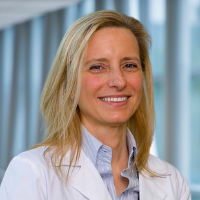
Basak Dogan, MD, FSBI
Professor, Clinical Radiology. Director of Breast Imaging Research
The University of Texas Southwestern Medical Center
© 2026 Medality. All Rights Reserved.
