Training Collections
Library Memberships
On-demand course library with video lectures, expert case reviews, and more
Fellowship Certificate™ Programs
Practice-focused training programs designed to help you gain experience in a specific subspecialty area.
Ultimate Learning Pass
Unlock access to our full Course Library and all self-paced Fellowships.
Continuing Medical Education (State CME)
Complete all of your state CME requirements in one convenient place.
Noon Conference (Free)
Get access to free live lectures, every week, from top radiologists.
Case of the Week (Free)
Get a free weekly case delivered right to your inbox.
Case Crunch: Rapid Case Review (Free)
Register for free live board reviews.
Dr. Resnick's MSK Conference
Learn directly from the MSK Master himself.
Lower Extremities MRI Conference
Musculoskeletal Imaging
PET Imaging
Pediatric Imaging
For Training Programs
Supplement your training program with case-based learning for residents, registrars, fellows, and more.
For Private Practices
Upskill in high growth, advanced imaging areas.
Compliance
NewTrack, fulfill, and report on all your radiologists' credentialing and licensing requirements.
Emergency Call Prep
Prepare trainees to be on call for the emergency department with this specialized training series.
Training Collections
Library Memberships
On-demand course library with video lectures, expert case reviews, and more
Fellowship Certificate™ Programs
Practice-focused training programs designed to help you gain experience in a specific subspecialty area.
Ultimate Learning Pass
Unlock access to our full Course Library and all self-paced Fellowships.
Continuing Medical Education (State CME)
Complete all of your state CME requirements in one convenient place.
Noon Conference (Free)
Get access to free live lectures, every week, from top radiologists.
Case of the Week (Free)
Get a free weekly case delivered right to your inbox.
Case Crunch: Rapid Case Review (Free)
Register for free live board reviews.
Dr. Resnick's MSK Conference
Learn directly from the MSK Master himself.
Lower Extremities MRI Conference
Musculoskeletal Imaging
PET Imaging
Pediatric Imaging
For Training Programs
Supplement your training program with case-based learning for residents, registrars, fellows, and more.
For Private Practices
Upskill in high growth, advanced imaging areas.
Compliance
NewTrack, fulfill, and report on all your radiologists' credentialing and licensing requirements.
Emergency Call Prep
Prepare trainees to be on call for the emergency department with this specialized training series.
1 topic, 3 min.
2 topics, 12 min.
17 topics, 48 min.
Supraclavicular Schwannoma in the BP
5 m.Infraclavicular Schwannoma
3 m.Lymphoma in the Brachial Plexus
4 m.Lipoma in the Clavicular Fossa
4 m.Known Papillary Thyroid Cancer/Lymph Node in the Brachial Plexus
4 m.Radiation Induced Brachial Plexopathy
4 m.Enlarged LN Abutting LBP Recent COVID Vaccine
4 m.Radiation Associated Changes in a Patient With Breast Cancer
2 m.Left Brachial Neuritis
3 m.Recurrent Tumor Involving the Brachial Plexus
3 m.Subtle Neuritis in Left Brachial Neuritis
3 m.Brachial Plexus Injury
3 m.Adhesive Capsulitis with Neuritis
3 m.Root Sleeve Avulsions w/ Pseudomeningoceles
3 m.Multifocal Motor Neuropathy
2 m.Neurofibroma
4 m.Chylocele in the Thoracic Inlet
3 m.0:00
So this was a patient that presented
0:02
with left brachial neuritis.
0:04
So clinically, they had pain extending along the
0:07
expected innervation of the brachial plexus.
0:10
So the reason why we show this particular
0:12
case is to emphasize the importance of doing
0:16
some type of sequence that is optimized to
0:20
look at the signal within the nerve sheath.
0:23
It can be some type of STIR
0:24
sequence or heavily T2-weighted
0:26
sequence with fat suppression.
0:29
Whatever your vendor has or whatever
0:31
you have on your system, but it is
0:33
important to optimize those sequences.
0:35
So, on the left-hand side, again, we
0:38
see a coronal T1-weighted image, and
0:40
again, the first thing that I always do
0:41
is I try to find the brachial plexus.
0:43
So, instead of trying to hunt for the
0:45
brachial plexus, what I do is I always
0:47
try to find that subclavian artery.
0:49
So, when I find the subclavian artery,
0:51
then I can look for the cords of the
0:53
brachial plexus, which you can see here.
0:55
My arrow points at them adjacent
0:57
to the subclavian artery.
0:59
Now, on the right-hand side, here's our
1:01
subclavian artery on the right, and we
1:03
can see the cords of the brachial plexus
1:06
directly adjacent to that subclavian artery.
1:09
So, this patient has left-sided symptoms,
1:11
but when we look at our standard
1:13
sequences, we do not see any compressive
1:16
mass involving the brachial plexus.
1:19
But when we look at this STIR sequence,
1:23
now what we see is that we see this abnormal
1:26
signal involving the brachial plexus on
1:28
the left that's not there on the right.
1:30
So, in fact, when we look at the right-hand
1:32
side, we almost see a signal void between
1:35
these two cords of the brachial plexus.
1:37
But on the left-hand side, we can
1:39
see this whole cord is asymmetrically
1:42
with higher increased signal, and this
1:44
correlates with the patient's symptoms.
1:46
So, this is an example of probably a viral
1:50
neuritis involving the brachial plexus.
1:51
Sometimes it's actually hard to figure
1:53
out exactly what causes it, but when
1:55
you do have the onset of pain without
1:58
any evidence of history of trauma, any
2:01
history of radiation therapy, etc., we
2:04
often just assume that it's due to a
2:06
viral neuritis involving the brachial plexus.
Interactive Transcript
0:00
So this was a patient that presented
0:02
with left brachial neuritis.
0:04
So clinically, they had pain extending along the
0:07
expected innervation of the brachial plexus.
0:10
So the reason why we show this particular
0:12
case is to emphasize the importance of doing
0:16
some type of sequence that is optimized to
0:20
look at the signal within the nerve sheath.
0:23
It can be some type of STIR
0:24
sequence or heavily T2-weighted
0:26
sequence with fat suppression.
0:29
Whatever your vendor has or whatever
0:31
you have on your system, but it is
0:33
important to optimize those sequences.
0:35
So, on the left-hand side, again, we
0:38
see a coronal T1-weighted image, and
0:40
again, the first thing that I always do
0:41
is I try to find the brachial plexus.
0:43
So, instead of trying to hunt for the
0:45
brachial plexus, what I do is I always
0:47
try to find that subclavian artery.
0:49
So, when I find the subclavian artery,
0:51
then I can look for the cords of the
0:53
brachial plexus, which you can see here.
0:55
My arrow points at them adjacent
0:57
to the subclavian artery.
0:59
Now, on the right-hand side, here's our
1:01
subclavian artery on the right, and we
1:03
can see the cords of the brachial plexus
1:06
directly adjacent to that subclavian artery.
1:09
So, this patient has left-sided symptoms,
1:11
but when we look at our standard
1:13
sequences, we do not see any compressive
1:16
mass involving the brachial plexus.
1:19
But when we look at this STIR sequence,
1:23
now what we see is that we see this abnormal
1:26
signal involving the brachial plexus on
1:28
the left that's not there on the right.
1:30
So, in fact, when we look at the right-hand
1:32
side, we almost see a signal void between
1:35
these two cords of the brachial plexus.
1:37
But on the left-hand side, we can
1:39
see this whole cord is asymmetrically
1:42
with higher increased signal, and this
1:44
correlates with the patient's symptoms.
1:46
So, this is an example of probably a viral
1:50
neuritis involving the brachial plexus.
1:51
Sometimes it's actually hard to figure
1:53
out exactly what causes it, but when
1:55
you do have the onset of pain without
1:58
any evidence of history of trauma, any
2:01
history of radiation therapy, etc., we
2:04
often just assume that it's due to a
2:06
viral neuritis involving the brachial plexus.
Report
Faculty
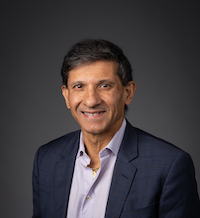
Suresh K Mukherji, MD, FACR, MBA
Clinical Professor, University of Illinois & Rutgers University. Faculty, Michigan State University. Director Head & Neck Radiology, ProScan Imaging
Tags
Neuroradiology
MRI
Head and Neck
Brachial Plexus
© 2025 Medality. All Rights Reserved.