The FIGO Classification System for Uterine Fibroids- Review of MRI Findings and Reporting Best Practices, Dr Erin Gomez (2-9-23)
HIDEInteractive Transcript
0:02
Hello, and welcome to today's Noon Conference, co-sponsored
0:05
by MRI Online and AAWR. The AAWR was founded in
0:10
1981 to provide a forum for issues unique to women in
0:14
radiology, radiation oncology, and related professions.
0:19
The association sponsors programs that promote opportunities
0:22
for women and facilitates networking among members
0:26
and other professionals as well.
0:28
AAWR strives to meet the diverse and changing
0:31
needs of its members through membership opportunities
0:34
for the next generation of women radiologists.
0:38
You can learn more about their mission and membership@aawr.org
0:45
lectures and committed to advancing and supporting
0:47
women in radiology as part of our mission to
0:50
transform the way radiologists learn and thrive.
0:53
You can access the recording of today's conference
0:56
and previous Noon Conferences by creating a free
0:59
MRI Online account, and you can also sign up for
1:02
a free trial of our premium membership to get
1:04
access to hundreds of case-based microlearning
1:08
courses across all key radiology subspecialties.
1:11
Learn more@mrionline.com . Today we are honored to welcome Dr.
1:17
Aaron Gomez.
1:18
For a lecture on the FIGO classification
1:20
system for uterine fibroids: review of MRI
1:24
findings and reporting best practices.
1:27
Dr. Aaron Gomez is an assistant professor of
1:29
radiology in the Russell H. Morgan Department of
1:31
Radiology and Radiological Science at Johns Hopkins.
1:35
She also serves as the director of the
1:37
Diagnostic Radiology Residency Program and is
1:40
the co-director of the Johns Hopkins University
1:43
School of Medicine's Diagnostic Radiology course.
1:47
At the end of the lecture, join Dr. Gomez
1:49
in a Q&A session where she will address
1:52
questions you may have on today's topic.
1:54
Please remember to use a Q&A feature
1:56
to submit your questions so we can get to
1:58
as many as we can before our time is up.
2:01
And with that, we're ready to begin today's lecture.
2:03
Dr. Gomez, please take it from here.
2:06
Thank you so much for having me.
2:07
I'm excited to be here.
2:09
Hi, everyone.
2:10
Thank you so much for, um, coming to this talk.
2:13
I am very excited to speak with you about the
2:16
FIGO classification system for uterine fibroids.
2:19
We're going to go over each one of the different fibroid
2:23
classifications according to this system, looking in depth
2:26
at the MRI findings, and then I'll also share with you
2:29
some tips and recommendations for reporting best practices.
2:34
So let's get started.
2:37
Here are the objectives for this talk.
2:39
Um, so I would like for you to understand the 2011 FIGO
2:43
fibroid classification system that's utilized by clinicians.
2:47
We will practice together classifying, um,
2:50
submucosal, intramural, and subserosal fibroids
2:53
according to the FIGO categories, which is
2:56
really important for treatment planning.
2:58
And we'll get into the details of that in just a moment.
3:02
I'll also share with you a suggested template for reporting.
3:05
We'll talk about some reporting best practices, and
3:08
then the overall thing that's important to take away
3:11
is that consistent, standardized reporting of MRI of
3:15
fibroids really provides us with the opportunity to
3:18
reduce mischaracterization, improve care communication
3:22
with referring clinicians, and also provide the
3:24
highest possible quality care to these patients.
3:29
Okay, here are the things that we'll talk about.
3:31
We'll start with an anatomy review.
3:33
I'll go over the classic system that was utilized
3:36
for classifying fibroids and its pitfalls.
3:39
Then we will review the FIGO fibroid classification
3:43
system, and in addition to the MRI findings,
3:46
we'll talk about treatment options by FIGO type.
3:49
I will give you lots of different examples
3:51
of the different FIGO classifications on MRI.
3:54
We'll talk about the template and also a case review.
3:59
Let's start with a review of uterine anatomy.
4:02
Um, so this is a sagittal T2-weighted
4:04
MRI of the pelvis, and the uterus is here.
4:07
It's a pear-shaped organ that's interposed
4:10
between the bladder, which is here anteriorly,
4:12
and the rectum, which is here posteriorly.
4:15
When we're talking about the anatomy of the uterus, it's
4:18
important to know, um, sort of the regional landmarks.
4:21
So here, uh, is the fundus of the
4:24
uterus, or the top of the uterus.
4:26
This is the uterine body, and it's important
4:29
to note that aside from the fundus, all of
4:30
the uterus is referred to as the uterine body.
4:33
The lower uterine segment is a term that should
4:35
only be used in the context of pregnancy.
4:39
This is the cervix.
4:40
This is the anterior lip of the cervix
4:42
and the posterior lip of the cervix.
4:43
We see the cervical canal here as well.
4:46
This thin T2, bright stripe is a
4:48
small amount of fluid in the vagina.
4:51
Um, when we are looking at the uterus on MRI, it's important
4:56
to note the distinct layers of the uterus that are present.
5:00
And so the endometrial stripe will appear as this T2
5:04
bright structure in the central aspect of the uterus.
5:08
The junctional zone is a darker band of tissue that's
5:12
interposed between the endometrium and the myometrium
5:16
of the uterus, which is this muscular layer out here.
5:19
The myometrium will have a very distinct T2
5:22
heterogeneous, um, or T2 isointense appearance to it.
5:27
It's important to note that the junctional zone of the
5:29
uterus is also a muscular layer, but at this point in the
5:33
uterus, the myocytes are packed more densely, so
5:37
there's less water content here, and that is the reason why
5:40
the junctional zone looks so dark on T2-weighted imaging.
5:44
Finally, this thin black line along the outside of the
5:48
uterus is the uterine serosa, and that'll be an important
5:51
landmark for us as we look at, um, uterine fibroids.
5:57
Next, we'll talk about the ovaries.
5:58
Here they are.
6:00
Um, so the ovaries can be classically identified on
6:03
T2-weighted imaging in premenopausal patients,
6:07
um, by their T2 hyperintense follicles.
6:10
We can also see the broad ligament, um,
6:13
which is here at these short arrows.
6:16
And then you can see the round ligament as well on MRI.
6:19
You'll see it kind of heading out along
6:20
the course of the iliac vessels, and that's
6:23
represented by these purple arrows here.
6:25
So this is our review of uterine anatomy
6:27
and also identification of the ovaries
6:30
and, uh, corresponding ligaments.
6:34
Uterine fibroids are benign tumors, but they
6:37
can certainly result in a lot of discomfort
6:40
and, um, really difficult symptoms for patients.
6:45
They are monoclonal tumors that arise
6:47
from smooth muscle of the uterus.
6:48
So, the myometrial layer that we just identified.
6:52
They're benign.
6:53
And when we look at them, uh, on histology, um,
6:56
they are made up of disordered myofibroblasts.
7:00
They have variable amounts of fibrous
7:02
connective tissue within them.
7:04
And the growth of fibroids really depends on hormonal
7:07
influence, so the influence of estrogen and progesterone.
7:10
And so most premenopausal patients will have the most
7:14
significant symptoms related to fibroids. After menopause,
7:18
fibroids will decrease in size.
7:20
They'll degenerate and calcify.
7:23
Conversely, fibroids may increase in size during
7:26
pregnancy or in the setting of external hormone
7:31
stimuli like oral contraceptive pills.
7:35
Patients will come in with a wide variety of symptoms,
7:38
um, but they can include abnormal uterine bleeding,
7:42
infertility, pregnancy loss, or bulk-related symptoms.
7:45
And what I mean by that is symptoms related to an enlarged
7:49
fibroid uterus, so mass effect on the surrounding organs in
7:53
the pelvis, pelvic pressure, and then rarely pelvic pain.
8:00
There are two primary imaging modalities that are used in
8:04
the evaluation and characterization of uterine fibroids.
8:07
Ultrasound is really the initial diagnostic exam in
8:11
patients who are symptomatic, and it's helpful for just
8:15
identifying the presence overall of fibroids if you have
8:20
a small amount of fibroid burden within the uterus.
8:23
Ultrasound can also be helpful in monitoring fibroid growth.
8:28
Patients who aren't going to have surgery or
8:31
more advanced treatment for their fibroids,
8:33
um, often do not go on to have other imaging.
8:37
Ultrasound is sufficient in this patient
8:38
population and in terms of troubleshooting.
8:42
Saline hysteroscopy can also be helpful in determining
8:44
if a fibroid is submucosal or intramural, and
8:48
I'll show you some examples of that later on.
8:51
MRI is a more advanced imaging technique that
8:54
we use, particularly in patients who are going
8:56
to have surgery for their uterine fibroids.
8:59
And so MRI is helpful in, um, accurately characterizing
9:03
fibroid size, location, the overall number of fibroids,
9:07
and their tissue characteristics, and it's superior to
9:10
ultrasound in evaluating patients with a very large uterus.
9:14
Um, as well as for the assessment of submucosal
9:16
fibroids, and that's because we can acquire a
9:18
larger field of view at one time with MRI versus
9:22
the small field of view that we get with either a
9:23
transabdominal or endocavitary probe on ultrasound.
9:28
In patients who are undergoing uterine salvage
9:30
therapy, and by that I mean either surgery
9:33
or a procedure to eliminate the presence of
9:35
fibroids while leaving the uterus in the body.
9:38
Um, MRI is very helpful in those cases as well.
9:41
And then, of course, um, as it is with sort of all
9:43
lesions, MRI is a great problem-solving tool to
9:46
differentiate between fibroids and their mimics.
9:51
This is our standard MRI protocol for
9:54
evaluating fibroids at Johns Hopkins.
9:57
And so we acquire a three-plane scout.
9:59
We do a sagittal and axial T2 as well as an axial T1.
10:04
Um, then we end up doing diffusion-weighted
10:06
imaging, and we do sagittal and axial pre-
10:09
and post-contrast T1-weighted imaging.
10:15
So what are some features of fibroids on MRI?
10:18
I'd like for you to just think about it for a moment.
10:21
Um, what do you expect to see in terms of
10:23
the T1 and T2 signal of fibroids?
10:26
Um, do you expect them to restrict diffusion?
10:29
And what about the corresponding ADC map?
10:31
What do you expect in terms of enhancement
10:34
when you're thinking about fibroids?
10:36
What's their relationship to the myometrium,
10:38
and can you think of any variants?
10:41
So hold on to that thought for a moment.
10:46
So on MRI, fibroids are typically very well circumscribed.
10:51
They're rounded, discrete lesions.
10:53
Typically low signal on T2-weighted imaging
10:56
compared to the surrounding myometrium.
10:59
Fibroids that are really cellular may have
11:02
a relatively high signal intensity on T2
11:04
weighted imaging, but that is more rare.
11:07
The enhancement pattern of fibroids is extremely variable,
11:11
and it's an important descriptor to include
11:13
when you're reporting, especially when the patient
11:16
is being considered for uterine artery embolization.
11:20
Fibroids will often have flow voids within them,
11:22
so T2 dark flow voids on T2-weighted imaging
11:25
because of their prominent vascular supply.
11:28
Um, and then there are a bunch of different
11:30
ways that fibroids can degenerate when they
11:32
involute, either because of a vascular insult
11:35
or, um, change in the hormonal environment.
11:39
Hyaline degeneration, um, and calcification
11:43
causes the T2 signal to decrease.
11:45
So this is kind of the classic
11:46
degeneration that we think of for fibroids.
11:49
They, um, atrophy, they become more hyalinized and calcified.
11:54
Cystic and myxoid degeneration will produce the opposite effect.
11:57
So a cystic lesion or cystic degeneration of a fibroid
12:00
is going to look bright on T2, and it'll be nonenhancing.
12:05
Uh, in cases of myxoid degeneration, you can get minimal
12:08
enhancement, and then hemorrhagic, or red, degeneration.
12:11
Uh, most folks also know, um, this is when you
12:13
have bleeding within a fibroid as it degenerates.
12:16
And so the distinct imaging feature that you'll see
12:19
here is high signal intensity on T1-weighted imaging
12:22
because of the blood products. The T2
12:24
weighted imaging will be variable because of,
12:27
um, depending on the age of the blood products.
12:30
A variant of leiomyoma, or fibroids, is lipoleiomyomas.
12:35
This is a variant of fibroids that can contain fat.
12:38
Um, and these will, um, also, uh, demonstrate, depending
12:43
on which fat saturation sequence you're doing, uh,
12:46
demonstrate characteristics of fat within the lesion.
12:50
So how did we traditionally look at uterine fibroids?
12:53
We used to use one of three terms to, uh, indicate
12:57
where a fibroid was located within the uterus.
13:01
Um, keeping in mind those landmarks
13:03
that we talked about earlier.
13:04
So we used to say whether a fibroid was submucosal,
13:07
meaning whether it protruded into the endometrial
13:11
cavity, uh, beneath the mucosal layer, whether it
13:14
was intramural or within the wall of the uterus.
13:17
And whether it was subserosal, meaning, um,
13:20
extending outward and being covered by a layer
13:22
of that uterine serosa, that thin black line
13:25
that we traced around the uterus earlier.
13:28
The pitfall for using this system is that
13:30
really the location is generalized and it doesn't
13:33
always lead to the best management for patients.
13:36
And so instead, it's better to use this
13:39
general framework, but then ask, but how
13:41
much, how much of the fibroid is submucosal?
13:43
What portion of this fibroid is taking
13:45
up space in each one of these areas?
13:49
So enter the 2011 FIGO classification,
13:54
um, of uterine fibroids.
13:55
And so we are still grouping fibroids according to
13:59
whether they are submucosal or intramural or subserosal.
14:03
But now we're asking the question,
14:05
how much of what and where.
14:08
So types zero to two.
14:11
Um, on the FIGO classification system includes all
14:14
fibroids that are submucosal, and we will go into
14:17
each of these in further detail in the coming slides.
14:21
Throughout this presentation, you will see this diagram, um,
14:24
of the uterus with the corresponding fibroid types included
14:28
so that you can, um, sort of follow along and have a global
14:32
overview of what this type of fibroid should look like.
14:37
The other classification according to the FIGO fibroid
14:40
system, um, includes intramural and subserosal fibroids,
14:45
as well as fibroids that are in a nonmyometrial location,
14:49
including cervical fibroids, broad ligament fibroids, and
14:52
parasitic fibroids, which are fibroids that have lost
14:56
their connection to the uterus and have established an
14:58
independent blood supply somewhere else in the pelvis.
15:02
Then the last FIGO classification that
15:04
we can use is a hybrid classification.
15:07
These numbers are stand-ins here.
15:09
Um, we'll talk about hybrid fibroids in further
15:12
detail, but it is a fibroid that has less than
15:15
50% of both submucosal and subserosal components.
15:19
And so the first number in the hybrid classification
15:22
designates the submucosal component, and the
15:25
second number designates the subserosal component.
15:31
Treatment options for fibroids are also
15:33
variable, and we will go into detail about each
15:36
of these lists according to the FIGO types.
15:39
But I want you to know that there's a lot
15:40
that we can do for patients with fibroids.
15:43
One of the first things that you
15:44
can try is medical management.
15:46
Um, it includes, um, pills to reduce the effects of
15:49
estrogen and attempt to reduce the size of fibroids.
15:52
There are a lot of different surgical options,
15:55
and it depends on a lot of different things.
15:57
And the number one thing you have to
15:59
consider is what the patient's preference is.
16:01
Is there a desire to keep the uterus to preserve fertility,
16:05
but it also depends on symptoms, the menopausal state of
16:08
the patient, and the location and size of the fibroids.
16:12
So we can do hysteroscopic myomectomy, which is where,
16:15
um, the uterus is cannulated via the cervix, and the
16:19
fibroids are removed directly from the endometrial cavity.
16:23
You can do laparoscopic myomectomy or a mini laparotomy,
16:26
which has a smaller incision, uh, than a regular laparotomy.
16:31
Morcellation is a technique where they use a small
16:33
machine to break the fibroid down into smaller pieces.
16:38
It has sort of fallen out of favor, um, because of the
16:41
potential to create parasitized or, uh, metastatic benign
16:45
leiomyomas, and we'll talk about that a bit more later.
16:49
Hysterectomy is certainly a treatment option, um, for
16:52
patients who, uh, no longer have a desire to preserve
16:55
fertility, um, or who are experiencing, um, really such
16:59
severe symptoms that it's the only treatment option.
17:02
There are also options including uterine
17:04
artery embolization or occlusion.
17:05
And then, um, sort of becoming more and more in vogue
17:09
are some ablative techniques, including MR-guided
17:12
focused ultrasound or, uh, radiofrequency ablation.
17:17
Okay.
17:17
Now the moment you've been waiting for, right.
17:20
Let's review each of the FIGO fibroid
17:22
classifications and the imaging features
17:25
and the way that these fibroids are treated.
17:29
So let's start out with FIGO
17:30
zero.
17:31
I think, uh, zero and seven are the easiest fibroid
17:36
types to remember, but this is a FIGO zero fibroid.
17:39
You can see it here.
17:41
Um, these are intracavitary
17:43
or pedunculated submucosal fibroids.
17:46
And so these will be attached to the endometrium by a stalk.
17:51
Um, it's a vascular stalk that's going to extend
17:54
out from the endometrium and connect to the fibroid.
17:57
It can be hard to appreciate the stalk in
17:59
a FIGO zero fibroid when it is, when the
18:01
fibroid is small or when the stalk is small.
18:03
So, for example, in this patient who has
18:05
a 100%, uh, intracavitary, FIGO zero
18:08
fibroid, we don't really see the stalk here.
18:11
Conversely, there is this rather large fibroid
18:15
that's prolapsing through the cervix in this
18:17
patient, and we see this very thick vascular stalk
18:20
extending all the way up to the fundal myometrium.
18:24
If you can see the stalk, it is important to measure
18:27
the stalk diameter so that when this is being removed
18:31
surgically, there's an understanding of how much bleeding
18:34
they can anticipate when the fibroid is resected.
18:38
FIGO zero fibroids will often present, um, with symptoms
18:41
related to the fibroid's effect on the endometrium.
18:45
So patients will come in with abnormal uterine bleeding.
18:48
They may come in with infertility or recurrent
18:51
pregnancy loss because these FIGO fibroids are
18:55
just attached to the endometrial cavity by a stalk.
18:57
They're ideal for hysteroscopic excision.
19:00
And so again, that's when you would take, um.
19:03
A surgical instrument come up through the cervix, into
19:05
the endometrial cavity, clip the stalk, and then deliver
19:08
the fibroid through the cervix and through the vagina.
19:11
So it's a minimally invasive procedure, and these
19:13
FIGO zero fibroids are ideal for this type of removal.
19:17
If a patient ends up undergoing uterine artery
19:20
embolization for a FIGO zero fibroid, these
19:22
can be spontaneously expelled.
19:25
But if they are not small enough to pass on their own
19:28
through the cervix, they can cause obstructive symptoms
19:30
including infection, and they may end up
19:33
having to go in and get them hysteroscopically anyway.
19:39
FIGO one fibroids, that's this type here on the diagram,
19:44
are less than 50% intramural and
19:46
therefore greater than 50% submucosal.
19:49
So these will protrude into the endometrial cavity.
19:53
The symptoms are the same as a FIGO zero fibroid, so
19:56
abnormal uterine bleeding, infertility, and pregnancy loss.
20:00
And what I'm trying to determine, how much of a fibroid.
20:05
If it is FIGO one, is intramural versus submucosal.
20:09
A trick that you can use is to trace the margin of
20:14
the endometrial cavity and just allow it to continue
20:18
through the fibroid to a point that you can see.
20:20
So if we're looking at this FIGO
20:22
one fibroid, if we're tracing the.
20:24
Endometrial junction zone margin.
20:27
Here, you can see that as we pass through the
20:29
fibroid, still greater than, greater than 50%
20:32
of the lesion is within the endometrial cavity.
20:35
Similarly here, this one is not pedunculated by
20:38
a stalk, but I can see that a significant portion
20:40
of it is protruding into the endometrial cavity.
20:43
Same thing here.
20:45
The treatment is the same as FIGO zero fibroids.
20:48
Usually with hysteroscopic myomectomy or uterine
20:51
artery embolization. Myomectomy can be difficult.
20:55
As I said, if these are large, if the fibroid is
20:57
greater than four to five centimeters, and similar
21:00
to FIGO zero, these can be spontaneously expelled
21:02
from the uterus after uterine artery embolization.
21:08
FIGO two fibroids.
21:09
This one here are greater than or equal to 50%
21:13
intramural, and therefore less than 50% submucosal.
21:17
So here are three examples of FIGO two fibroids.
21:21
We're going to use that same trick.
21:24
Tracing the, um, the endometrial junctional
21:28
zone margin to determine how much of our fibroid
21:32
is intramural and how much is submucosal.
21:34
So this one is probably the easiest one, right?
21:37
Um, because we can trace really clearly, and we can see
21:39
that the majority of this lesion is intramural, but a
21:42
small portion protrudes into the endometrial cavity.
21:45
This one is more difficult, but if you identify
21:48
the endometrial cavity.
21:48
Here, we can see that the bulk of
21:50
this lesion is again intramural.
21:52
Same thing with this lesion.
21:53
We see a small amount of the endometrial cavity
21:56
coming out to the sides, but if we cut across,
21:58
greater than 50% of this lesion is intramural.
22:02
The symptoms are the same as all of the
22:04
submucosal fibroid types, and the treatment,
22:07
um, is often hysteroscopic myomectomy.
22:11
For something like this, but when it's a big fibroid
22:14
like this one, you may end up having a two-step surgery.
22:18
So they may go in and remove a portion of the fibroid
22:21
hysteroscopically, um, and then reassess whether
22:24
they need to come back and do more hysteroscopic
22:26
resection or end up doing something like a lap or a
22:29
mini lap, um, to take out the remainder of the fibroid.
22:34
Uterine artery embolization is the most common
22:36
alternative because for a fibroid that is mostly
22:39
intramural, if you can shrink it with uterine
22:41
artery embolization, you may abate most of the
22:44
symptoms that are being experienced by the patient.
22:47
If they are doing a hysteroscopic myomectomy, one thing that
22:51
you have to be very careful of is the distance between the
22:57
furthest portion of the fibroid that's intramural and the
23:00
uterine serosa, if they're going in hysteroscopically
23:03
to resect this fibroid, and there's a very short
23:07
distance between the fibroid and the uterine serosa.
23:10
You risk perforating the uterus, um,
23:13
while doing a hysteroscopic myomectomy.
23:15
And so hysteroscopy is really suited
23:17
for these smaller FIGO two fibroids.
23:19
A larger one may require a more complex
23:21
or alternative surgical approach.
23:26
Let's move on to the intramural fibroids.
23:29
So now we're leaving that zero to two
23:31
classification, and we're moving into three to eight.
23:35
So a FIGO three fibroid is a patient that is
23:38
100% intramural and contacts the endometrium.
23:42
Notice the difference between a two and a three here, right?
23:45
So this is 100% below
23:49
the endometrial contour here. This one is
23:52
truly protruding into the endometrial cavity.
23:55
This one is intramural and just
23:56
contacting or deforming the endometrium.
24:00
So these can distort the endometrium,
24:02
but they don't protrude into the canal.
24:04
These can be really hard to tell apart from FIGO two.
24:08
And so one tip that I have for you, um, is if you
24:12
can visualize the junctional zone, it can help
24:15
you differentiate the fibroid from a FIGO two.
24:18
So in this patient, um, we have sagittal and axial T1
24:22
post images of this very large FIGO three type fibroid.
24:27
We can see this
24:28
thin strip of junctional zone here
24:30
along the margin of the lesion.
24:32
And so that, uh, will reassure us that this
24:35
is a FIGO three rather than a FIGO two.
24:39
These are often asymptomatic, but they
24:41
can cause menstrual irregularities, and
24:43
these have to be resected very carefully.
24:46
Um, so these are often resected, uh, laparoscopically.
24:51
They'll make an incision in the uterus.
24:53
If you have never been in the operating room when
24:55
a fibroid is being resected, one of the things
24:58
that makes these really easy to remove
25:01
surgically is that they're so well circumscribed.
25:04
Often all the surgeon has to do is make an incision along
25:07
the uterus and then apply some pressure to the rest of the
25:11
uterine body, and the fibroid will sort of deliver itself
25:14
as this well-encapsulated ball of smooth muscle tissue.
25:18
And so when they're doing laparoscopy, um, or laparoscopic
25:22
myomectomy for these rather large FIGO three fibroids,
25:25
they have to be careful that they are not extending
25:28
through to violate the endometrium, which can lead to
25:31
scarring and a whole host of other issues, um, that may
25:34
complicate things further down the line for the patient.
25:38
So the key point here, um, is to
25:41
differentiate between a FIGO two and three
25:43
because it can alter the management, right?
25:46
You would not try to come in and resect
25:48
this fibroid hysteroscopically because there
25:50
would be a violation of the endometrium here.
25:53
And so again, the tip is to find the junctional
25:55
zone, if at all possible, and that will help
25:58
you convince yourself that it is indeed, um, a
26:01
FIGO three fibroid.
26:08
And on this image, I'm sorry.
26:10
We can also see
26:11
the junctional zone here and a
26:13
little bit of the endometrial cavity.
26:14
Here's the endometrial cavity here, and
26:16
then this thin band of junctional zone.
26:20
FIGO four fibroids are the easiest ones to identify.
26:24
Aside from FIGO zero and FIGO seven, it is 100% intramural.
26:29
There's no submucosal component, no subserosal
26:33
component, no contact of the endometrium.
26:36
And so when you see these, um, the thing that you're going
26:39
to look for is a claw sign of surrounding myometrium.
26:42
You should see myometrium on
26:43
all sides of the fibroid, right?
26:46
Same thing here.
26:46
We can trace myometrium all the way around.
26:49
That's fibroid, myometrium all the
26:51
way around, all the way around.
26:54
In most cases of FIGO four fibroids, the
26:56
junctional zone is going to be maintained.
26:58
Again.
26:59
Here we see a tiny amount of distortion of the
27:00
junctional zone, but really it's fairly pristine.
27:03
We can see it all the way around.
27:04
Same thing here.
27:05
Junctional zone all the way around.
27:07
Junctional zone is here.
27:09
These are resected
27:11
laparoscopically or via laparotomy.
27:14
As long as there is enough distance between the fibroid
27:17
and the submucosa of the uterus to prevent a transmural
27:21
all-the-way-through-the-wall incision, there is a
27:24
higher risk of resecting these than with some of the
27:27
pedunculated fibroids, as we'll talk about in a bit.
27:32
FIGO five fibroids are
27:35
less than or equal to 50% intramural, or sorry, greater
27:38
than 50% intramural, less than 50% subserosal.
27:43
So the bulk of these fibroids will still be within the
27:46
wall of the uterus with a small subserosal component.
27:49
We can see it here on the diagram.
27:51
Again, you're going to want to trace the margin.
27:56
In this case, it's helpful to trace the serosal margin, and
27:59
so if we are following the quote-unquote normal contour of
28:02
the uterus here, we can see that this fibroid is less than
28:05
50% subserosal, with the majority of it being intramural.
28:10
Same thing here.
28:11
We're tracing that serosal line along
28:13
the normal contour of the uterus.
28:15
The majority of this one is intramural.
28:19
Same thing here with this fibroid.
28:20
If we're tracing all along that serosal
28:22
margin, the majority is intramural.
28:25
These will make an impression on the serosal
28:27
surface that has no intervening myometrium.
28:30
So you'll see here this serosal line is deformed,
28:32
and there is absolutely no myometrium
28:35
intervening between the fibroid and the serosa.
28:38
These are usually asymptomatic, but if they get large
28:42
enough, um, along with other fibroids, they can cause bulk
28:45
symptoms, particularly if they are pressing on another
28:48
organ in the pelvis, like the bladder or adjacent bowel.
28:53
These can be difficult to distinguish sometimes, especially
28:56
if you're sort of borderline in terms of the percentage,
28:59
uh, difficult to distinguish a five from a six, but it
29:03
doesn't really matter because the treatment is the same.
29:07
It includes uterine artery embolization or
29:09
laparoscopic or open myomectomy or targeted therapy.
29:12
It's really pretty easy, um, to
29:14
treat both of these FIGO types.
29:17
And so in these figures, again, um, as I've
29:20
shown you, uh, here are the FIGO five fibroids.
29:23
Same thing here.
29:24
This patient in the middle panel also has
29:26
a FIGO zero fibroid that is prolapsing
29:29
into the cervix via its tiny stalk.
29:35
FIGO six fibroids are less than 50%
29:39
intramural, greater than 50% subserosal.
29:43
So these are the ones that are just hanging on by a
29:45
small amount to the intramural, uh, portion of the
29:49
uterus, and they have a much larger subserosal component.
29:52
These, again, are usually asymptomatic.
29:55
It's difficult to distinguish a five from a six,
29:58
um, and the treatment is exactly the same as a five.
30:01
The only caveat for FIGO six fibroids is that if uterine
30:06
artery embolization is employed as the treatment, um,
30:11
these can potentially fall off of the uterus and be
30:15
expelled into the peritoneal cavity, which does place the
30:19
patient at risk for developing a parasitic fibroid.
30:23
And so again, what you're going to do is you're just
30:25
going to trace that normal serosal contour of the uterus.
30:28
And so we can see here that this one
30:30
has less than 50% intramural component.
30:33
This one has less than 50% intramural component.
30:35
This is the T1 post-contrast image for this same patient.
30:39
And we can see again that we have this thin covering
30:43
of serosa without any myometrium surrounding it.
30:47
So these are both nice examples of FIGO six
30:49
fibroids, which are majority subserosal.
30:52
And, um, of note, the patients who had both of the
30:56
fibroids that I'm looking at here and pointing
30:58
out in this figure, um, did not end up needing any
31:01
treatment for them because they were asymptomatic.
31:06
FIGO seven
31:06
fibroids.
31:07
Also very easy to identify.
31:09
These are the ones that are going to be hanging off of
31:11
the uterus rather than into the cavity by a stalk.
31:15
So these are subserosal and pedunculated.
31:17
They have zero intramural component whatsoever.
31:21
And just as we do with the FIGO zero fibroids, you will also
31:25
want to identify and measure the stalk, that vascular stalk.
31:30
You may see, in cases of large FIGO seven fibroids,
31:35
um, a vessel or flow voids within the stalk
31:38
that's called the bridging vessel sign.
31:42
These fibroids, um, are often large,
31:46
and so it's difficult to fully evaluate them by
31:49
ultrasound, which is why MRI can be so helpful.
31:54
The size really dictates also how
31:56
symptomatic these fibroids are.
31:58
Um, if they are small, um, they will go unnoticed
32:02
by most patients, but they can cause bulk symptoms.
32:05
They can also torsion, which is very painful.
32:08
And in the setting of torsion, a FIGO seven fibroid, just
32:13
as if it were embolized by uterine artery embolization,
32:16
may detach and become parasitized in the pelvis.
32:20
Because these are so exophytic and hang
32:23
off of the uterus, they also have the
32:25
potential to mimic a fibrous ovarian mass.
32:29
So let's look at these.
32:30
Um, so the yellow arrows, um, in these figures are
32:35
pointing out these pedunculated FIGO seven fibroids, and
32:39
then the green arrows are pointing to the vascular stalk.
32:42
This patient has a really thick,
32:43
broad-based vascular stalk here.
32:46
This one is smaller, it has a bridging vessel within it.
32:48
And then there are two stalks that we
32:50
can see here related to these fibroids.
32:55
FIGO eight fibroids, um, are fibroids
32:58
that are in a nonmyometrial location.
33:00
The most common location for a
33:02
FIGO eight fibroid is the cervix.
33:04
The second most common, um, is a broad ligament
33:07
fibroid or a parasitic fibroid, which is less common.
33:10
Again, I've alluded to this many times, but
33:13
parasitic fibroids are fibroids that occur after
33:16
um,
33:17
a fibroid either falls off related to torsion, uterine
33:21
artery embolization, or morcellation, in which they are sort
33:25
of breaking the fibroids down into smaller pieces, and a
33:29
portion of the fibroid falls into the peritoneal cavity.
33:32
These can establish their own blood supply,
33:34
end up, end up to grow up and become sort of
33:37
independent fibroids elsewhere in the pelvis.
33:40
And so the treatment for FIGO eight fibroids
33:43
is really variable.
33:44
It depends on the location, right?
33:46
So for, um, for this cervical fibroid, if this
33:50
patient was experiencing symptoms related to it,
33:53
hysteroscopic resection is probably the best
33:56
option for this cervical fibroid, excuse me.
33:59
Whereas if you had a fibroid that was parasitic out in
34:02
the broad ligament or elsewhere in the pelvis, laparoscopy
34:05
may be the best choice for resecting and treating it.
34:10
Finally, let's talk about hybrid FIGO fibroids.
34:13
So again, these are the ones, um, you have to
34:16
use this classification system when the fibroid
34:18
extends from the subserosa to the submucosa.
34:22
So it's spanning the entirety of the uterus
34:26
in terms of the wall, and it's encompassing
34:29
both the submucosal and subserosal components.
34:32
The most common hybrid FIGO classification that you will
34:36
have to use is a two-five, with a less than 50% submucosal
34:41
component and a less than 50% subserosal component.
34:45
So the first annotation is almost always
34:47
going to be a two or a three, and then the second
34:49
annotation is almost always going to be a five,
34:53
less frequently a six, and we can
34:55
imagine why that's true, right?
34:58
Most of the time we see the fibroid protruding into
35:00
the endometrial cavity with a distinct submucosal
35:03
component and a distinct subserosal component.
35:06
Sometimes more, sometimes less.
35:09
These are really difficult to treat.
35:11
It can be really challenging because you run the risk
35:14
of violating the endometrium, um, or making a transmural
35:18
incision, um, if you are trying to resect these surgically.
35:22
And so patients with hybrid fibroids
35:25
may go on requiring a hysterectomy.
35:28
If these are really vascular, you can attempt uterine
35:31
artery embolization to try to reduce the size and
35:34
then reassess with a follow-up MRI to see if perhaps
35:37
hysteroscopic or laparoscopic resection is then appropriate.
35:43
These are often really big.
35:45
And so another option is targeted resection.
35:49
So let's go ahead and look at
35:51
fibroids from a single patient.
35:52
These are all from the same person.
35:55
Um, and so we have an axial T2, a post-contrast T1,
36:00
and a sagittal T2-weighted image, and we see
36:03
this large, predominantly intramural fibroid here, right?
36:06
It's taking up the majority of the uterus.
36:09
And so we see here.
36:11
The fibroid is contacting the endometrium, right?
36:14
We see this thin sliver of endometrium here.
36:19
It's also contacting the serosa, right?
36:22
We see serosal contact out here.
36:23
We see serosal contact out here in the
36:25
sagittal, and so this is a three–five.
36:29
I also want to point out to you that we see this big
36:33
area of T2 hyperintensity that's non-enhancing
36:37
in the posterior aspect of the fibroid.
36:39
And so this is an area of cystic degeneration.
36:44
Miscategorization has
36:47
serious implications, right?
36:49
So as we've talked about, these fibroids have different
36:52
treatment strategies based on their classification.
36:55
And so classifying fibroids simply as
36:58
submucosal, intramural, or subserosal, right?
37:00
The old system does not work.
37:03
Um, because, for example, if you had a 100% intramural
37:05
fibroid that's contacting the endometrium, FIGO
37:08
three, you may miscategorize it as a FIGO two
37:12
with a submucosal component due to that abutment.
37:14
Similarly, a submucosal fibroid
37:17
that's a hybrid, right?
37:18
Extending from the submucosa to the subserosa.
37:21
A two–five could be misclassified as an intramural
37:25
fibroid depending on where it's centered.
37:29
So this is a case of a misclassified fibroid,
37:32
a 35-year-old patient with a solitary intramural fibroid.
37:35
This is a sagittal T2-weighted image, and we can
37:38
see this big fibroid in the anterior uterine body.
37:42
It is contacting and distorting the endometrium here.
37:46
Um, we can see
37:47
a thin layer of junctional zone traversing here, but
37:51
this was initially characterized as submucosal,
37:53
a fibroid, a FIGO two rather than a three.
37:56
And so they tried to resect this
38:01
hysteroscopically, and they were unsuccessful.
38:05
Troubleshooting for these patients
38:06
includes sonohysterography.
38:08
So what happens with the sonohysterogram is that you use a
38:11
catheter to distend the endometrial cavity with fluid.
38:15
It can sometimes clarify the location of fibroids.
38:18
And so this is, uh, an endovaginal ultrasound.
38:22
We see the endometrial stripe here in this patient.
38:24
There's a big fibroid.
38:26
We see that it certainly has an intramural component,
38:29
um, but may have a submucosal component as well.
38:32
And so on
38:33
this ultrasound, this fibroid was
38:35
classified as having a submucosal component.
38:38
The patient came back for, um, his sonohysterography,
38:44
and so this is the catheter and the distended
38:47
endometrial cavity with anechoic fluid.
38:51
Here's the fibroid out here, and we can now see, um, that
38:55
there is, in fact, just contact of the endometrial cavity.
38:58
So this is truly a FIGO three.
39:00
Um, and so that cannot be taken out hysteroscopically, and so
39:04
they ended up changing the treatment plan for this patient
39:06
from a hysteroscopic resection to a laparoscopic resection.
39:11
Finally, let's talk about mimics of fibroids.
39:14
So adenomyosis, um, can certainly mimic uterine
39:18
fibroids, and it can be very challenging.
39:21
Um, adenomyosis is the presence of ectopic
39:26
endometrial glandular tissue within the uterine myometrium.
39:31
It often looks like an indistinct thickening
39:34
or blurring of the junctional zone.
39:36
And the key feature to distinguish adenomyosis is
39:39
you'll have all of these T2 bright cystic spaces
39:42
throughout the area of ectopic glandular tissue.
39:47
Adenomyosis can look very focal. When that happens,
39:49
it's called an adenomyoma.
39:52
But the thing that you should know about adenomyosis
39:54
is it is not nearly as organized as a uterine fibroid.
39:59
It is not as easy to resect, and these are
40:02
very vascular lesions that tend to bleed.
40:05
And so attempting to resect an adenomyoma
40:08
laparoscopically would be likely unsuccessful and
40:12
also result in significant bleeding for the patient.
40:16
Other things that can mimic fibroids.
40:19
Um, just as fibroids can mimic adnexal masses, if you
40:23
have a fibrous adnexal mass, that could mimic a broad
40:26
ligament fibroid or a pedunculated subserosal fibroid.
40:30
Endometrial polyps can mimic FIGO zero
40:32
fibroids, and then intramural fibroids may be
40:35
mimicked by malignancy, including leiomyosarcoma.
40:39
In patients who are pregnant, focal myometrial.
40:41
Contractions can also mimic fibroids
40:44
because they are an area where the muscle
40:47
of the uterus is balled up temporarily.
40:49
And so typically these will resolve
40:51
during the course of the exam.
40:55
This is an example of leiomyosarcoma.
40:57
We can see how different this looks from the fibroids
41:00
that we've looked at so far in this presentation.
41:03
Right?
41:03
This thing is very heterogeneous.
41:05
So, um, this is a sagittal, uh, T2-weighted image.
41:10
Um, this is a post-contrast T1.
41:13
This is diffusion-weighted imaging
41:14
and the corresponding ADC map.
41:17
So leiomyosarcomas will have irregular margins.
41:20
They will be ill-defined.
41:22
Sometimes infiltrative.
41:23
These grow really quickly, so they may significantly
41:27
increase in size in a two- to three-month period.
41:30
They can have areas of internal necrosis, and the enhancement
41:33
looks just like this really heterogeneous early enhancement.
41:37
So that arterial phase enhancement
41:39
that makes us think about malignancy.
41:41
The T2 signal does not look like
41:43
the other fibroids we've seen, right?
41:45
It's more T2 intermediate as opposed to that really
41:48
discrete, well-defined T2 darkness, and these
41:51
will restrict diffusion on DWI and ADC mapping.
41:56
You may also see secondary signs of malignancy in patients
41:59
with leiomyosarcoma, including pelvic lymph nodes.
42:04
Now let's talk about reporting fibroids.
42:07
So one of the big things that I want to tell you is you
42:09
do not have to memorize this classification system,
42:12
and I encourage you to utilize templates that will
42:17
omit the need to memorize the classification system.
42:20
So at Johns Hopkins, we use a template
42:22
that incorporates pick lists, and I'll
42:24
show you what I mean by that in a second.
42:26
But basically it allows the radiologist to look
42:27
at the fibroid, determine what portion of it is
42:30
intramural, submucosal, and subserosal, and then
42:34
just go into a list, double click and pick, and
42:37
it populates the template with those findings.
42:41
It's also important to include the fibroid
42:45
location and degree of enhancement.
42:48
So this is our template that we use at Hopkins,
42:51
and, um, a few key things that we include.
42:54
So we include the overall size of the uterus,
42:57
the total number of uterine fibroids, and then
42:59
how many we see with some mucosal components.
43:03
Then we describe dominant fibroids without a
43:05
submucosal component up to three, and
43:08
fibroids with submucosal components up to two.
43:12
And so you can see here, um, we measure the fibroid and
43:16
then if we are saying that this is a fibroid without
43:20
a submucosal component, we just have a list here.
43:23
Um, and on the side of our PACS.
43:26
You just select, is it 100% intramural?
43:29
Um, is it contacting the endometrium?
43:31
Is it less than or greater than 50% subserosal?
43:35
And once you double click on that, it will
43:36
populate the FIGO type into the template.
43:39
And we keep this key down at the bottom, both
43:41
for ourselves and the referring clinicians.
43:45
We also describe the location of the fibroid,
43:49
um, and its degree of contrast enhancement
43:52
relative to the surrounding myometrium.
43:55
We also say whether there are any
43:57
aggressive or suspicious features present.
44:01
Okay, now that we've talked about reporting,
44:03
let's do a little bit of practice.
44:06
So here's case one.
44:08
I will show you this fibroid.
44:10
Um, we can see, uh, these are sagittal and
44:12
axial T2-weighted images of the pelvis.
44:15
We have this fibroid here, and I'll show you that this
44:19
is the endometrial cavity that we can trace all around.
44:23
Okay.
44:23
There's maybe a little something here,
44:26
um, connecting to the, uh, endometrium.
44:32
And so how would you classify this uterine fibroid?
44:36
Is it pedunculated intracavitary?
44:39
Is it less than 50% intramural?
44:42
Greater than 50% intramural or 100% intramural,
44:45
contacting the endometrium, again, noting that this is
44:48
probably a broad-based attachment to the endometrial cavity.
44:53
So this is a pedunculated intracavitary fibroid, right?
44:56
So this is the stalk of the fibroid here.
44:58
It's very broad-based.
45:02
Case two.
45:03
How would you describe this fibroid?
45:05
So these are, um, coronal, axial, and sagittal
45:09
T2-weighted images, all of the same patient.
45:11
This is the fibroid.
45:13
This is the fibroid.
45:14
This is the fibroid.
45:15
Again, let's trace the endometrial contour here to determine
45:20
how much of this is intramural and submucosal.
45:26
Intramural.
45:28
So what's your classification here?
45:34
So if you said.
45:35
Greater than 50% intramural, less than 50% submucosal.
45:39
You are correct.
45:42
Last one.
45:44
How would you describe this fibroid?
45:45
So sagittal, T2-weighted image, axial T2-weighted image,
45:48
and coronal T2-weighted image.
45:50
Again, let's trace that endometrial contour.
45:54
Tracing the endometrium.
45:56
Tracing the endometrium.
45:58
So what do you think here?
46:00
It's a little more challenging.
46:04
This one is less than 50% intramural,
46:07
greater than 50% submucosal.
46:10
A few pearls and practical tips to close
46:13
with if you are measuring fibroids.
46:16
Um, I encourage you to call out specific series and slices
46:20
when you are using a template and make key images of
46:23
your measurements so that either other radiologists or
46:25
referring clinicians can see what you are talking about.
46:29
When you are describing these fibroids, especially if
46:31
you're the one who's going to read a follow-up exam on these
46:35
patients, be your own best friend going forward, right?
46:38
If you have to come back and describe changes in
46:40
measurements for fibroids on a subsequent exam,
46:42
you may want to pay it forward for yourself as well
46:44
by making really high-quality key images and
46:47
writing a very specific and detailed report.
46:51
You can troubleshoot, um, the true nature
46:55
classification of a fibroid using multiple planes.
46:57
So use the coronal and sagittal planes to your advantage.
47:01
And then if you have it available to you,
47:03
here, we, um, have a T2 SPACE coronal,
47:06
but what a T2 SPACE is, is a 3D stack.
47:09
And so if you're able to acquire a coronal 3D T2-
47:12
weighted stack, you can make multiplanar reconstructions and
47:15
manipulate those images as you would at the intersection CT.
47:20
So in summary.
47:22
Submucosal is zero to two.
47:23
These patients are going to come in with bleeding,
47:25
infertility, pregnancy loss, and the resection of
47:28
these is going to be hysteroscopic; other three to eight.
47:32
These fibroids are going to cause bulk symptoms and mass
47:35
effect, and you have to take them out, um, via myomectomy
47:40
or hysterectomy, or do uterine artery embolization.
47:44
So characterization of fibroids according to the
47:47
FIGO classification system is really helpful in
47:50
allowing clinicians to plan treatment
47:52
accurately, and it has the potential to
47:54
reduce miscategorization of these lesions.
47:57
So being consistent when you're looking at
47:59
these, using a template for reporting and
48:02
using pick lists within those templates.
48:04
Sorry, I'm just stipulating here
48:06
and knocked something off my desk.
48:07
But consistently using a template, um, allows
48:11
you to be, um, consistent in your reporting and
48:15
avoiding the need to memorize all of the FIGO types.
48:18
Specifically, if you use pick lists and include the
48:20
types within your report, and practice makes perfect.
48:23
Keep trying, keep working with
48:24
these, um, and you will get better.
48:27
Here are my references.
48:28
I'm happy to take any questions that you may have, um, via
48:32
the Q and A. So let me pull up the Q and A. Um, so I have
48:38
a question from Elena that says, how do you differentiate
48:43
an intracavitary fibroid and an endometrial polyp?
48:48
So, um, an intracavitary fibroid, it can be really
48:52
challenging to differentiate from a polyp, um, on imaging.
48:56
On ultrasound, um, you may see
48:59
different features, right? On MRI,
49:01
you may not be able to tell.
49:02
Sometimes the shape is a little different.
49:04
You know, sometimes an endometrial polyp
49:06
will have more of an ovoid configuration.
49:08
On ultrasound, you'll certainly see a very vascular
49:12
stalk extending all the way out into the polyp, right?
49:15
They have that classic linear vascularity within them.
49:19
Uh, but sometimes it comes down to pathology.
49:22
Um, and these are resected in the same way.
49:27
We have another,
49:28
could you try again?
49:29
Sorry.
49:30
Um, we have another question from Mohamed.
49:33
It says, um, would these treatment options be
49:36
considered for fibroids with abnormal T2 signal also?
49:40
That's a good question.
49:41
And so I'm betting that what you are getting at here
49:45
is, um, would we still consider laparoscopy for a fibroid
49:50
that we thought may be suspicious for a leiomyosarcoma?
49:55
The answer is no.
49:56
Right?
49:56
Because you would not want to potentially,
49:59
um, seed the rest of the pelvis with tumor
50:02
if you were dealing with a malignancy.
50:04
And so you may end up, um, going on to do more
50:07
advanced imaging like PET-CT, um, or end up doing a, a
50:10
hysterectomy for a patient with a suspected sarcoma.
50:13
Great question.
50:16
We have a question from
50:17
Dr. Pasant says, are there imaging signs that can help to
50:20
identify early sarcomatous transformation of a fibroid
50:24
before it develops obviously infiltrative margins?
50:27
That's a great question, and I think the answer to it
50:30
would certainly, um, help us help a lot of patients.
50:33
I think initially still the T2
50:35
signal is very useful, right?
50:38
That,
50:39
um, heterogeneous or isointense T2 signal
50:44
can be very helpful in distinguishing an
50:47
early sarcomatous lesion from a true fibroid that's
50:50
just benign fibrous tissue. For us at Hopkins,
50:53
we also do diffusion-weighted
50:56
imaging with ADC mapping for every
50:58
fibroid patient that we see.
51:00
And so these are going to restrict way more
51:03
than the typical sort of low-level diffusion
51:05
restriction that you'll see in normal fibroids.
51:07
So I think T2 signal and doing DWI and an ADC map
51:11
could potentially help you detect leiomyosarcoma
51:14
very early on.
51:16
We have another question from Mohamed
51:18
that says, do you really measure all fibroids?
51:20
Is it practical?
51:22
And so the answer is,
51:24
sometimes. It depends on how many fibroids the patient has.
51:28
If the patient has 20 fibroids, no, I'm not going
51:31
to measure them all, but I am going to measure
51:34
the ones that are the largest or are potentially
51:38
contributing the most to the patient's symptoms.
51:41
So the ones with submucosal components, or the ones that
51:44
are probably responsible for the majority of mass effect.
51:47
Um, if the patient has
51:48
four fibroids total,
51:49
yes, I'll measure them all.
51:51
But if they have 20, no, you sort
51:52
of have to pick your battles.
51:55
We talked a little bit, there's a question
51:57
from Ali about the role of ADC.
51:58
We already sort of addressed that.
52:01
The next question says, should we give
52:03
contrast routinely in MRI pelvis for fibroids?
52:07
My answer is yes.
52:08
I think it's important to give contrast, um, to not only
52:12
see the degree of enhancement relative to the myometrium,
52:15
it allows you to further characterize or determine
52:20
the patient's candidacy for uterine artery embolization.
52:23
It would also allow you to see anything
52:26
unexpected in terms of the enhancement patterns,
52:29
you know, a focal nodularity or heterogeneity.
52:32
Um, so we do routinely administer contrast for our patients.
52:42
One question says.
52:45
From Vicky says, do you use the terminology STUMP or
52:49
do you say atypical fibroid, follow up in one year?
52:53
Um, I'm not sure.
52:54
Do you mean according, do you mean like a vascular stalk?
52:57
Um, we, I, we do not typically use the term
53:01
STUMP in our reports if we're talking about, uh,
53:05
a pedunculated fibroid. We would use the term vascular
53:08
stalk. If we have a fibroid that looks atypical,
53:11
um, typically we don't make recommendations in terms
53:15
of follow up, but we will reach out directly to the
53:18
referring OB or gynecologist and tell them,
53:22
you know, that we recommend, or, you know, that we'd
53:24
like to see short-interval follow up for the patient.
53:27
If we see something that looks weird or we're
53:28
suspicious, um, you know, we tell them it
53:30
should not go a year between follow up.
53:35
Someone's asking, can we get a copy
53:36
of the report template as a PDF?
53:38
Sure.
53:39
I'd be happy to share that with the MRI Online team
53:41
so that you can see the way that we report these.
53:44
I would love to help you come up with a template
53:48
so that you can implement structured reporting
53:50
in caring for your patients with fibroids.
53:52
Absolutely.
53:54
We have a question from Elizabeth says, um,
53:57
can a fibroid show restricted diffusion?
54:01
Um, they can. They will show
54:03
low-level diffusion restriction.
54:06
Um, and so, uh, similar to Ali's question was the
54:09
role of diffusion restriction, ADC, and fibroids.
54:12
So you'll see low-level diffusion
54:13
restriction in normal fibroids.
54:15
If you start to see really dramatic, meaning very, very dark
54:19
on the ADC map, um, degree of restriction, that's when you
54:22
have to become suspicious that perhaps there's, you know,
54:25
a malignant or early malignant lesion present here.
54:31
Oh, I see.
54:32
Um, Vicky is clarifying the term STUMP,
54:36
soft tissue tumor of unknown malignant potential.
54:39
We, um, we would not use that necessarily in our reporting.
54:44
But I think what we would say is, you know, in the
54:47
impression we would describe a uterine fibroid and we
54:50
would say with atypical or suspicious features, you
54:53
know, consider X, Y, Z for further characterization.
54:57
You know, or consider tissue sampling,
54:58
short-interval follow up, something like that.
55:00
But we don't specifically use the term STUMP when we are,
55:02
um, when we're characterizing.
55:07
Let's see.
55:07
Let me see if there's anything else from the chat that
55:14
I don't think there's anything else in the chat that
55:18
we're missing
55:19
here.
55:20
I
55:20
think you got through them all.
55:21
Dr. Gomez?
55:22
I think I did.
55:22
Oh, there's one more.
55:24
What's the difference between cystic and hyaline degeneration?
55:27
Let's go back to the beginning of the presentation and
55:30
I can show you the slide if you want to, um, jot it down.
55:35
One second.
55:37
Okay.
55:38
Uh, it's the enhancement.
55:40
The enhancement is going to allow you to potentially
55:43
differentiate between cystic and hyaline degeneration.
55:46
Um, so cystic degeneration, they're going to have
55:50
high signal intensity on T2-weighted imaging
55:52
without enhancement. Hyaline degeneration, sometimes not
55:55
as dramatic in terms of the T2 signal intensity,
55:59
and there may be minimal enhancement present.
56:02
There's another question.
56:03
Is there any indication for myomectomy before menopause?
56:06
Absolutely.
56:07
So in cases where the fibroid is impairing
56:11
the patient's ability to get pregnant or is causing
56:14
significant bleeding, you know, to the point of
56:16
anemia that has not been adequately
56:20
addressed with hormone therapy or uterine artery
56:23
embolization, you can absolutely do a premenopausal
56:25
myomectomy, and it can greatly reduce the symptoms,
56:28
particularly for patients who
56:30
want to preserve their fertility.
56:33
Yes, there is a question.
56:34
Is the FIGO fibroid classification
56:37
system consistent among radiologists?
56:39
Is there any interobserver variability?
56:41
We are doing a research study at our
56:43
institution right now to take a look at this.
56:45
I can tell you that among more experienced
56:48
radiologists who read these studies regularly,
56:50
there is less interobserver variability.
56:52
At academic institutions where you have
56:55
trainees more frequently reading these, or
56:57
radiologists who see these with less frequency,
56:59
um, there's certainly a lot of variability in reporting.
57:04
Um, let's see.
57:06
Uh, is it monoclonal per individual patient with
57:09
fibroids, or one clonal of for every patient?
57:13
For ev, for every fibroid in many patients.
57:15
Um.
57:17
I think you're referring to the, uh, like
57:19
the, the smooth muscle tumor lineages.
57:23
Um, I, I don't know that I have the answer to that question.
57:26
It may be out there in the pathology literature.
57:30
Let's see.
57:31
Another question says, what magnitude change
57:34
in fibroid size is considered concerning?
57:37
Yeah, so, um, if you see a fibroid that is growing, you
57:41
know, between a short interval, let's say, you know, within
57:44
a three- to six-month period, you see a fibroid that has grown
57:47
20 to 30%, um, within that interval, that's pretty rapid.
57:52
And so, at that point, you may
57:53
want to raise concern that there're.
57:55
Is something else going on here?
57:57
And so either there's, you know, some kind of degeneration
57:59
that's happening that's causing the fibroid to expand, um,
58:02
with edema or cystic change, or, you know, perhaps you're
58:04
dealing with something more sinister.
58:12
Um, there is a question.
58:14
Uh.
58:15
About how they may get the proposed
58:18
template, PDF, from MI, online staff.
58:20
Is that something that you're able to send
58:22
to them if, if they've registered for the
58:24
talk or if they're on the attendee list?
58:26
Absolutely, yes.
58:27
They'll get a follow-up email
58:28
after, after our session closes.
58:30
Yep.
58:31
Okay, wonderful.
58:32
Um, there's a question from Kai.
58:33
It says, do OID degeneration fibroids have T1
58:36
hyperintensity associated also? I don't
58:40
think of them as having T1 hyperintensity.
58:42
It may be more T1 isointense,
58:45
if I'm remembering correctly.
58:48
Okay.
58:48
I think that's it.
58:49
I think we, I think we got through it all.
58:50
Dr. Gomez, great job.
58:53
Thank you.
58:54
Thank you so much for your time.
58:55
It's really been a pleasure.
58:56
Um, I really appreciate the opportunity.
58:59
Um, I, I don't know if I have my, uh, my email
59:02
address here at the end, but, um, I'm eGomez8@jmi.edu.
59:07
I guess I can put it.
59:09
Uh, in the chat really quickly.
59:11
If anybody, perfect, email me, uh,
59:14
to, to talk more, I'm available.
59:16
Here's my email address in the chat.
59:18
Thank you again.
59:19
Dr. Gomez, thank you so much for your lecture
59:21
today, and thanks for everybody for the great
59:23
questions and participating in the Noon Conference.
59:26
And a special thanks to our co-sponsor, AAWR.
59:28
You can access a recording of today's
59:31
conference and all of our previous Noon
59:33
conferences by creating a free MRI Online account.
59:37
Be sure to join us next Thursday, February 16th,
59:40
at 12:00 PM Eastern for a live case review by
59:44
Dr. Francis Sting on head CT perfusion cases.
59:48
You can register at mrionline.com and follow us on
59:51
social media for updates on future Noon conferences.
59:53
Thanks again, and have a great day.
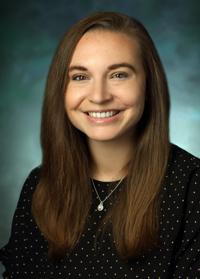
Erin Gomez, MD
Assistant Professor of Radiology
Johns Hopkins Hospital
© 2026 Medality. All Rights Reserved.
